
Health
Small Daily Choices That Build a Stronger, Healthier Future


Sober living is built on the small stuff Small Daily Choices.
It’s not the huge defining moments. Not the willpower. Not the quotes on your fridge. It’s the small mundane daily decisions that no one notices — the ones that you make when no one is watching. And here’s the thing…
Those small choices stack up fast.
Over the next few minutes, you’re about to discover those daily habits that really shift the needle. No fluff. All substance.
Inside this guide:
- Why Daily Choices Matter So Much In Sober Living
- The Morning Routine That Sets The Tone
- Building A Support System That Actually Shows Up
- Movement, Food, And Sleep — The Boring Trio
- Handling Triggers Before They Handle You
Why Daily Choices Matter So Much In Sober Living
Recovery is not created in a day. It’s created in the moments between the big decisions.
When you choose what to eat for breakfast. When you choose to text your sponsor instead of scroll. When you take a walk instead of sitting alone with your thoughts. Why does this matter? The brain loves repetition. Every healthy decision today makes the next one easier tomorrow.
And the data backs this up.
Data from the National Institute on Drug Abuse show that the relapse rate of substance use disorders range between 40% and 60%. That’s a frightening statistic to read at first… Until you realize that the statistic changes significantly with structure in place day to day. Successful long-term sober living often begins with one individual deciding to change one bad habit at a time. If old habits prove to be too strong of a pull, seeking professional support can help someone recover from addiction and create a new, sober routine from scratch.
The good news? After 5 years of sustained sobriety, the chances of relapsing are about 15%, on par with the general population.
That’s huge. It means consistency wins.
The Morning Routine That Sets The Tone
How you start your morning sets the tone for your entire day.
Mess up the morning and the entire day becomes more difficult. Master the morning and you’ve won before lunch. Most individuals in early recovery don’t comprehend how much havoc a botched morning wreaks.
Here’s a simple morning routine that works:
- Wake up at the same time every day — consistency trains the brain
- Drink a full glass of water before anything else — hydration matters
- Make your bed — one small win to start the day
- Move your body for 10 minutes — a walk, stretch, anything
- Write down 3 things you’re grateful for — this rewires the brain
It sounds basic, right? Well, it’s meant to. The simpler the routine, the more likely you’ll do it.
You don’t need a 2-hour ritual of green smoothies and meditation chants. You need something you can do every single day — even the bad days. Especially the bad days.
Building A Support System That Actually Shows Up
Nobody recovers alone. Not really.
Sober living is about community. The people you surround yourself with will either drag you down or pull you up. There’s no middle ground. Having a strong support system isn’t a nice to have — it’s a must have.
Your support system should include:
- A sponsor or accountability partner you can text any time
- A weekly meeting (in-person or online)
- 1-2 sober friends to call when things get hard
- A therapist or counsellor for deeper work
- Family members who understand recovery
The proof? The results of sober living homes are very impressive. The relapse rate for people who lived in one for six months or longer was just 31.6% after two years, versus 64.8% in typical aftercare.
That’s not a small difference. That’s life-changing.
Lesson? Gather your team of others on the same journey. The proper people can make recovery seem attainable — even on the darkest days.
Movement, Food, And Sleep — The Boring Trio
Want to know the most underrated tools in sober living?
Not therapy. Not journaling. Not even meetings (although those help). It’s the boring trio — movement, food and sleep. Get these right and your brain has a fighting chance to heal.
Movement
You don’t need to run a marathon. Just move every day.
A 30-minute walk. Yoga. Weights. Dancing in your kitchen. Doesn’t matter what you do. It matters that you do something. Movement pumps endorphins, reduces stress and provides you a natural high without the hangover or guilt.
Food
What you eat affects how you feel. Period.
Substances rob the body of nutrients. So healthy eating during early recovery isn’t just nice — it’s necessary. Prioritize:
- Protein at every meal — helps stabilise mood
- Whole foods over processed — less crash and burn
- Plenty of water — dehydration mimics anxiety
- Limit sugar and caffeine — both can trigger cravings
You don’t need to be perfect. Just intentional.
Sleep
This one is huge. Sleep is when your brain repairs itself.
Get between 7-9 hours a night. Go to bed the same time each night, wake the same time each morning. Turn off electronics an hour before bed.
Handling Triggers Before They Handle You
Triggers are a part of recovery. They’re not a sign of failure — they’re a sign of being human.
The aim is not to be trigger-free. The aim is to manage your triggers before they manage you.
Triggers are usually one of two things:
- External: People, places, things, situations
- Internal: Stress, anxiety, loneliness, boredom, fatigue
After identifying your triggers, you can plan to avoid them. Stay away from the people and places that tempt you. Create a “trigger response plan” so you know what to do when cravings arise.
Your plan might include:
- Calling your sponsor immediately
- Going for a walk
- Showing up to a meeting
- Using a grounding technique (5-4-3-2-1 works well)
- Removing yourself from the situation
This type of structure is important Small Daily Choices. Evidence indicates that structure and routines that support predictable daily activities correlate to a greater chance of long-term recovery success. Look ahead and your future self won’t be forced to make life and death decisions in the moment.
Bringing It All Together
Recovery isn’t made up of epiphanies. It is composed of daily decisions.
The morning you get out of bed on time. The meal you eat. The walk you take. The text you send. None of these will look impressive individually… But stack them up week after month after year — and you’ll create a life you truly love.
Quick recap of the small daily choices that matter most:
- Start your morning with a simple routine you can stick to
- Build a support system of people who pull you forward
- Move your body, eat real food, sleep properly
- Plan for triggers before they happen
Recovery is a marathon, not a sprint. The winners are the ones who keep showing up.


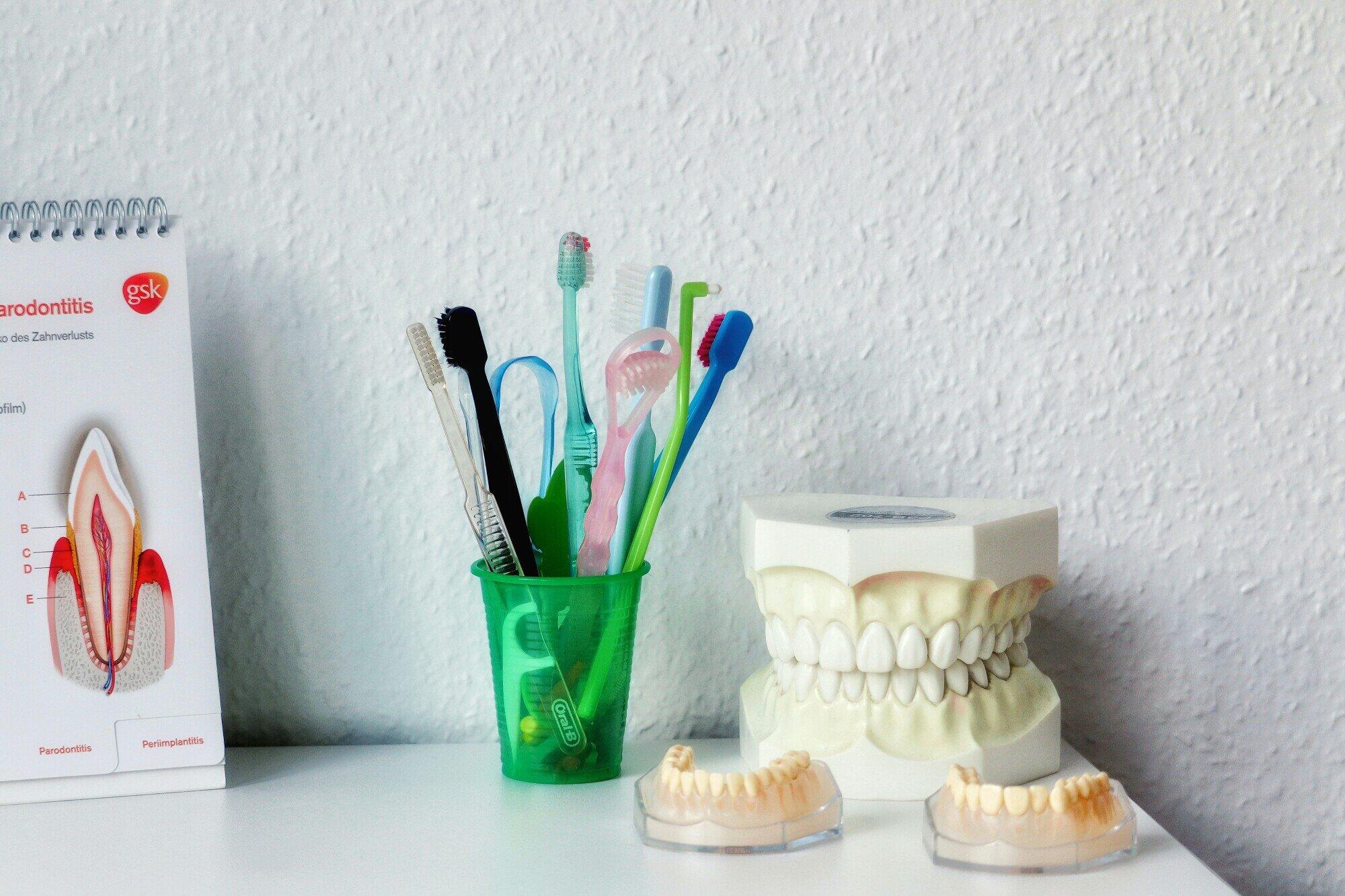
Straight teeth are often associated with aesthetics, but their benefits go far beyond appearance. Properly aligned teeth can significantly support better long-term oral hygiene, reducing the risk of decay, gum disease, and other dental complications over time.
Understanding why alignment matters can help highlight the importance of orthodontic care for overall health. Read on.
Easier Daily Cleaning
When teeth are straight, brushing and flossing are much more effective. A toothbrush can reach all surfaces more easily and clean them properly.
But when teeth are crowded or overlap, small tight spaces form where food and plaque get stuck. These areas are difficult to clean, even if you brush twice a day.
Over time, this buildup can lead to tooth decay, stains, and bad breath. Straight teeth reduce these hidden spaces, so your daily cleaning routine actually works the way it should.
Lower Risk of Cavities and Gum Disease
Plaque is a sticky layer of bacteria that forms on teeth every day. If it is not removed, it can slowly damage teeth and gums.
Crooked or crowded teeth tend to trap more plaque, especially near the gumline. This can lead to swollen or bleeding gums, which is an early sign of gum disease (gingivitis). If not treated, it can develop into more serious gum infections that affect bone support and may eventually cause tooth loss.
Straight teeth make it harder for plaque to build up in hidden areas, which lowers the risk of both cavities and gum disease. This helps keep your mouth healthier for a longer time.
Better Natural Cleaning While Eating
Your mouth has a natural cleaning system using saliva. Saliva helps wash away food particles and neutralize acids that can harm your enamel.
When teeth are straight, chewing is more even and efficient. Food gets broken down properly, and saliva can reach all areas of the mouth more easily.
When teeth are misaligned, some areas may not be cleaned properly during chewing. Food can stay trapped longer, giving bacteria more time to grow and cause damage.
Easier and More Effective Dental Checkups
Regular dental cleanings are more effective when teeth are straight. Dentists and hygienists can reach all surfaces without obstruction, which allows for a more thorough cleaning.
This also helps them detect early signs of problems like small cavities, worn enamel, or gum issues before they become serious. With better alignment, dental visits are often quicker, more comfortable, and more productive in preventing future problems. Check out an orthodontist in Carmel, Indiana, to learn more.
Less Uneven Wear and Tear
When teeth do not line up properly, some teeth take more pressure when you bite or chew. Over time, this uneven force can slowly wear them down. This can lead to chipped teeth, sensitivity, or even jaw discomfort in some cases.
Straight teeth help distribute pressure evenly across all teeth. This reduces stress on individual teeth and helps them last longer with less damage.
Better Long-Term Oral Health and Savings
Maintaining straight teeth can also reduce the need for future dental treatments. Fewer cavities, less gum disease, and less tooth damage often mean fewer costly procedures over time. This makes good alignment not only helpful for health but also practical in the long run.
Your Journey to a Healthier Smile
Straight teeth are not just about having a nice smile. They make daily cleaning easier, reduce plaque buildup, protect your gums, and prevent uneven wear on your teeth. In the long term, straight teeth support better oral hygiene, fewer dental problems, and a healthier mouth overall.
If you want to read more articles, visit our blog.


Introduction to Runlia and its Purpose
In today’s fast-paced world, staying organized and focused can feel like a Herculean task. Enter Runlia a revolutionary tool designed to help you achieve structural clarity in your life. Imagine having a clear roadmap that guides your daily tasks and long-term goals while minimizing distractions. With Runlia, this dream becomes reality.
Whether you’re juggling work projects, personal commitments, or creative pursuits, understanding the concept of structural clarity is essential for maximizing productivity. It’s more than just tidying up your workspace; it’s about creating an environment where you can thrive.
Ready to unlock your full potential? Let’s dive into how Runlia can transform chaos into order and elevate your efficiency!
The Concept of Structural Clarity
Structural clarity is the foundation of effective communication and organization. It involves creating a clear framework within which ideas can flow seamlessly. When thoughts are organized, they become easier to grasp and implement.
Think of structural clarity as a roadmap. Without it, navigating through tasks or projects feels chaotic. With an established structure, distractions diminish significantly. You can focus on what truly matters.
This concept isn’t just for teams; individuals also benefit greatly from it. By defining priorities and breaking down larger goals into manageable steps, stress decreases, leading to enhanced efficiency.
Moreover, structural clarity promotes transparency in collaboration settings. Team members understand their roles better when everything is laid out clearly. This fosters accountability and boosts overall morale within groups.
With runlia as a guiding tool, embracing this concept transforms how you approach tasks daily—making your journey toward productivity smoother and more rewarding.
How Structural Clarity Can Improve Productivity?
Structural clarity revolutionizes the way we approach tasks. When your goals and processes are clearly defined, you can focus on what truly matters.
With clear structures in place, distractions fade away. You know exactly where to direct your energy. This focused mindset leads to faster decision-making and enhanced creativity.
Moreover, structural clarity helps streamline collaboration. Teams can communicate effectively when everyone understands their roles and responsibilities. Misunderstandings diminish, leading to smoother workflows.
Time management also sees a boost. Clear priorities help individuals allocate their time wisely, ensuring that critical tasks get done first.
In a world filled with chaos, having a well-defined structure simplifies complexity. It’s about creating an environment where productivity thrives naturally and consistently without unnecessary hurdles in the way of progress.
The Four Key Elements of Structural Clarity
Structural clarity hinges on four key elements that pave the way for enhanced productivity.
First is organization. A well-structured approach to tasks helps you prioritize and allocate time effectively, reducing chaos in your daily routine.
Next comes visualization. Creating diagrams or flowcharts can transform abstract ideas into tangible concepts, making it easier to grasp complex information.
The third element is simplicity. Stripping away unnecessary details allows you to focus on what truly matters, fostering a more streamlined workflow.
Adaptability plays a crucial role. Recognizing when to adjust your plans ensures you’re always aligned with changing priorities and demands.
By incorporating these elements into your work habits, you create an environment conducive to achieving goals efficiently.
Implementing Structural Clarity in Your Daily Life
Implementing structural clarity in your daily life begins with setting clear goals. Write them down and ensure they are specific, measurable, attainable, relevant, and time-bound. This system enables you to concentrate on your highest priorities.
Next, create a structured routine. Allocate time for tasks based on priority. Morning hours can be reserved for deep work when your mind is fresh.
Organize your environment too. A clutter-free space fosters concentration and enhances creativity. Use tools like Runlia to visualize projects and deadlines.
Don’t forget about breaks! Short intervals recharge your brain and improve overall efficiency. Incorporate mindfulness practices or quick exercises during these moments to rejuvenate yourself.
Regularly review your progress as well. Adjust methods that aren’t working while reinforcing those that are effective. Embracing small changes consistently leads to significant improvements over time in achieving structural clarity.
Tips for Maintaining Structural Clarity
Maintaining structural clarity requires conscious effort. Start by regularly reviewing your goals. This keeps you aligned with your priorities and helps eliminate distractions.
Create a designated workspace that inspires focus. A clutter-free environment can significantly enhance mental clarity and productivity.
Utilize tools like digital planners or task management apps to organize tasks visually. These resources provide a framework for action, making it easier to track progress.
Schedule regular breaks throughout the day. Short pauses allow your mind to reset, improving overall efficiency when you return to work.
Communicate openly with team members about expectations and responsibilities. Clear communication fosters collaboration and reduces misunderstandings, essential for maintaining structural clarity in any project or workflow.
Case Studies: Real-Life Examples of Improved Productivity with Runlia
Many professionals have transformed their work lives with Runlia’s principles. Take Sarah, a project manager who struggled to meet deadlines. By applying structural clarity through Runlia, she organized her tasks into clear categories and prioritized effectively. Her efficiency skyrocketed.
Then there’s Tom, a software developer caught in the chaos of multitasking. He adopted Runlia’s framework to streamline his workflow. With defined structures for coding sprints and breaks, he noticed significant improvements in focus and output.
In another case, a marketing team implemented Runlia during a product launch campaign. Their clear communication channels reduced misunderstandings and sped up decision-making processes. The result? They launched ahead of schedule with higher engagement than expected.
These examples illustrate how adopting structural clarity can lead to tangible productivity gains across various industries and roles.
Conclusion: Embrace Structural Clarity for Greater Success and Fulfillment
Embracing structural clarity can transform your daily routine and overall productivity. By organizing tasks, clarifying goals, and establishing a focused mindset, you create an environment conducive to success.
Runlia serves as the perfect tool for facilitating this process. With its emphasis on clear structures and actionable frameworks, it guides users toward achieving their objectives more efficiently.
As you implement the principles of structural clarity in your life, you’ll likely notice improvements not just in productivity but also in satisfaction and fulfillment. The journey toward mastering structural clarity is ongoing; however, each step taken brings you closer to realizing your potential.
Make the choice today to prioritize clarity. You might be surprised by how much progress you can make with a structured approach at hand.

Skin health is no longer just about creams and quick fixes. Many people now look at the body as a whole system. This idea is called functional wellness. It connects skin health with diet, sleep, stress, and lifestyle.
When the body is balanced, the skin often looks better too. This approach focuses on long-term results, not short-term changes. Continue reading to discover everything you need to know.
What Functional Wellness Means
Functional wellness looks at the root cause of skin problems. Instead of only treating the surface, it asks deeper questions.
Why is the skin breaking out? Why is it dry or dull? The answers may be linked to sleep, hormones, or nutrition.
This method treats the body as one system. When one part is out of balance, the skin can show it.
The Link Between Skin and Lifestyle
Daily habits have a strong effect on skin health. Poor sleep can lead to dark circles and dull skin. High stress can cause breakouts and redness.
Food choices also matter. Sugary and processed foods may increase inflammation. This can show up on the skin. Drinking enough water helps keep skin fresh and hydrated. Small changes in lifestyle can lead to visible improvements.
Nutrition and Skin Health
What you eat can affect how your skin looks. Foods rich in vitamins and antioxidants support healthy skin.
Fruits, vegetables, and healthy fats help repair skin cells. They also protect the skin from damage. Balanced nutrition helps the body work better. This includes the skin.
Stress and Its Impact
Stress is one of the biggest factors in skin problems. When stress levels are high, the body releases hormones that can affect the skin.
This may lead to acne, irritation, or sensitivity. Relaxation techniques like deep breathing or light exercise can help reduce stress. A calm mind often leads to clearer skin.
Sleep and Skin Repair
Sleep is the body’s natural repair time. During sleep, the skin heals and renews itself. Lack of sleep can make skin look tired and dull. It can also slow down healing.
Good sleep habits support better skin over time. Rest is a key part of functional wellness.
Modern Skin Treatments with a Holistic View
Today, many skin treatments are combined with wellness care. This includes both internal and external support. Treatments may be paired with lifestyle advice. This helps improve long-term results.
An aesthetic med spa offers advanced, non-surgical treatments that combine medical expertise and cosmetic care to enhance skin health, improve appearance, and support overall confidence and wellness. These centers often focus on both beauty and overall wellness.
Hormones and Skin Balance
Hormones also play a role in skin health. Changes in hormones can lead to acne or dryness.
Functional wellness looks at hormone balance as part of skin care. It helps identify possible internal causes. When hormones are balanced, skin often improves naturally.
Movement and Circulation
Exercise supports healthy skin by improving blood flow. Better circulation helps deliver oxygen and nutrients to skin cells.
This gives the skin a natural glow. It also helps remove toxins from the body. Even simple movement like walking can support skin health.
Embracing Functional Wellness
Functional wellness changes how we think about skin health. It connects the body, mind, and lifestyle into one system.
By focusing on balance, people can improve their skin naturally. Healthy habits, good sleep, and proper nutrition all play a role. When the whole body is cared for, the skin often reflects it. Expand your knowledge and check out more posts on our blog!

Small Daily Choices That Build a Stronger, Healthier Future

Why Straight Teeth Can Support Better Long Term Oral Hygiene

Agencies as Cultural Curators: Turning Influence into Consumer Trust

Ifşahabe: Decoding the Digital Evolution of a Modern Linguistic Phenomenon

Myreadibgmsngs: A Deep Dive Into the Internet’s Most Confusing Search Term
-

 General1 month ago
What Is Felixing? The Truth Behind a Junk Keyword
-

 Health8 months ago
Lufanest: Effective Local Anesthesia with Fewer Risks
-

 Entertainment1 month ago
هنتاوي.com: Your Gateway to Arabic Anime Content
-

 General9 months ago
bardoek: The Artistic Heritage Inspiring Modern Creative Trends
-

 General8 months ago
Discover Anonib AZN: An Anonymous Asian Forum
-

 Fashion4 weeks ago
Fashionisk .com Explained: A Closer Look Before You Click
-

 Lifestyle9 months ago
Mariano Iduba: A Visionary Leader in Global Digital Growth
-

 General1 month ago
What Is Euroyungs Com? What I Found After Digging In