
General
How to Design the Perfect Custom Lanyard for Your Business


Custom lanyards are more than simple neck straps—they are powerful branding tools that can enhance recognition, promote professionalism, and leave a lasting impression on clients, employees, and event attendees. When designed thoughtfully, a lanyard becomes a functional accessory that people actually want to wear, while also reflecting your business identity.
This guide explores how to design the perfect custom lanyard for your business, from materials and colors to logos and finishing touches, ensuring your investment is both effective and memorable.
Start With the Purpose of Your Lanyard
Before diving into design, clarify the goal of your custom lanyard. Are you using it for:
- Employee identification in the office or factory?
- Trade shows, exhibitions, or conferences?
- Customer giveaways or promotional events?
The purpose will influence your design choices, such as the type of material, the width of the strap, and the level of customization. For example, lanyards for high-traffic events may need durable, comfortable fabrics that can withstand long-term use, while office ID lanyards might prioritize professional, subtle branding.
Choose the Right Material
The material of a lanyard affects both comfort and perception. Common options include:
- Polyester: Soft, durable, and cost-effective, ideal for most business and promotional uses.
- Nylon: Smooth and shiny, often used for premium lanyards that convey a professional look.
- Woven or Jacquard: Allows for intricate patterns and higher quality branding, making them ideal for logos or text that need clarity.
- Eco-Friendly Options: Bamboo or recycled materials appeal to businesses emphasizing sustainability.
Comfort matters as much as aesthetics. A rough or stiff strap will likely be removed quickly, reducing brand visibility.
Determine the Right Width and Length
Lanyard width influences both comfort and visibility. Narrow lanyards (0.5” to 0.75”) are subtle and lightweight, suitable for events where minimalism is preferred. Wider lanyards (1” to 1.5”) offer more space for branding, allowing logos, slogans, or designs to stand out clearly.
Length is equally important. Standard lanyards usually measure 36” to 38” total, allowing badges to hang comfortably at chest level. Adjustable options may be necessary for events with diverse attendees or staff members.
Select the Best Attachment Style
The attachment style determines how your lanyard connects to IDs, badges, or other accessories. Popular options include:
- Swivel Hooks: Durable and allow badges to rotate freely.
- Bulldog Clips: Easy to attach and remove, suitable for casual settings.
- Key Rings: Great for multifunctional lanyards, especially when carrying keys or small items.
- Breakaway Clasps: Safety feature for workplaces where lanyards may snag on equipment.
Your choice should align with the lanyard’s intended use while maintaining convenience and safety.
Design With Your Brand in Mind
Custom lanyards are an extension of your brand. Effective designs balance visibility with style:
- Logo Placement: Decide whether the logo will repeat along the strap or appear once in a central position. Repeating logos are common for events, while single logos can feel more professional in corporate settings.
- Color Scheme: Match your brand’s primary colors to create a cohesive look. High-contrast designs improve readability, especially for woven or printed text.
- Typography: Keep text clear and legible. Avoid overly decorative fonts that can be hard to read at a glance.
- Graphics and Patterns: Subtle patterns, stripes, or textures can enhance the lanyard’s appeal without overwhelming the brand message.
Platforms like 4inlanyards allow businesses to design lanyards with full customization, no minimum orders, and high-quality finishes. This flexibility makes it easy to experiment with design elements and find the perfect combination.
Consider Functional Features
Beyond aesthetics, think about functionality:
- Durability: Reinforced stitching or woven logos ensure the lanyard lasts longer.
- Comfort: Soft edges and smooth finishes reduce irritation during extended wear.
- Safety: Breakaway features or adjustable clasps enhance safety for employees in physical environments.
- Versatility: Lanyards that can hold multiple items, like keys, cards, or USB drives, add extra value.
Balancing style with practicality ensures your lanyards are not only attractive but also genuinely useful.
Plan for Quantity and Distribution
Even with a perfect design, the lanyard’s impact depends on distribution. For events, give lanyards at registration desks, workshops, or networking sessions to ensure maximum visibility. For internal use, provide them to all employees to standardize branding across your organization.
No matter the quantity, high-quality lanyards reinforce professionalism. Businesses can now order small batches thanks to no-minimum custom lanyard options, making it easy to test designs before full-scale production.
Final Takeaway
Designing the perfect custom lanyard requires careful attention to material, size, attachment style, design, and functionality. A thoughtfully crafted lanyard enhances brand visibility, improves attendee or employee experience, and leaves a lasting impression.
When executed properly, your custom lanyard is no longer just a badge holder—it becomes a wearable extension of your brand, combining practicality with style. With the right approach, businesses can create lanyards that people actually want to wear while reinforcing professional identity and brand recognition.



Introduction to Trinou and its concept
In a world where the hustle and bustle of daily life often leaves us feeling trapped, Trinou emerges as a beacon of hope. This innovative concept is reshaping our understanding of mobility and personal freedom. It challenges the traditional norms that bind us to our surroundings, offering an escape from what can feel like an oppressive existence.
Imagine living in a space filled with expectations—where wealth is flaunted through glossy magazines and success stories shape your reality. But what if you could break free from this cycle? Trinou invites you to question everything you’ve been taught about happiness, ambition, and home life. It’s not just about physical movement; it’s about mental liberation too.
Join us on this journey as we delve into how Trinou empowers individuals to embrace mobility while sidestepping the toxicity often found within households defined by spiteful relationships and societal pressures. Let’s explore what it truly means to live freely in today’s complex world.
The Importance of Mobility in Modern Society
Mobility is a cornerstone of modern life. It shapes how we connect, work, and thrive. With urban landscapes evolving rapidly, the need to move freely has become more crucial than ever.
In cities bustling with opportunities, being mobile opens doors. It allows individuals to access jobs, education, and essential services that can transform their lives. The freedom to travel means breaking barriers—both geographical and socioeconomic.
Moreover, mobility fosters inclusivity. When people can navigate spaces easily, community ties strengthen. Shared experiences emerge as diverse groups come together in public areas or workplaces.
However, obstacles remain for many seeking this freedom. Transportation issues or financial constraints can hinder progress. Addressing these challenges creates a society where everyone has the chance to flourish without limits imposed by lack of movement or accessibility problems.
The Role of Magazines in Shaping Perceptions of Wealth and Success
Magazines have long served as mirrors reflecting societal values. They shape our understanding of wealth and success in powerful ways.
With glossy photos and curated lifestyles, these publications create aspirational narratives. Readers often find themselves drawn into the world of luxury brands, extravagant parties, and elite circles. This exposure can distort reality.
In many cases, magazines promote a narrow definition of success—one that equates financial abundance with personal worth. The subtle pressure to measure up can lead individuals to chase superficial goals rather than true fulfillment.
Moreover, the portrayal of wealth often overlooks the hard work behind it. Instead, focus shifts toward envy and comparison among peers. This dynamic fosters unrealistic expectations about achievement in everyday life.
Magazines play a crucial role in framing perceptions—a double-edged sword that both inspires and misguides readers on their journeys toward personal success.
Exploring the Concept of a Spiteful Household
A spiteful household thrives on negativity. It’s a place where resentment festers and kindness is scarce.
Imagine living in an environment filled with passive-aggressive comments or backhanded compliments. Tension hangs like a dense fog, suffocating any semblance of warmth. Relationships become transactional rather than supportive.
Children raised in such homes often struggle to form healthy connections outside their walls. They learn that love comes with conditions, fostering insecurity and mistrust.
The weight of these dynamics can be overwhelming. People feel trapped between loyalty to family and the need for emotional freedom.
Breaking free from this cycle requires courage. Recognizing the toxicity is the first step toward healing and personal growth. When individuals choose to prioritize their well-being, they begin dismantling the structures that uphold spitefulness within their lives.
How Trinou Helps People Achieve Mobility and Avoid Spiteful Households?
Trinou creates pathways for individuals to navigate through life with ease. It emphasizes the importance of mobility as a fundamental aspect of personal freedom. By fostering skills and offering resources, Trinou empowers people to break free from stagnant environments.
The program encourages participants to pursue their passions without the weight of societal expectations. Through workshops and community support, members learn how to prioritize their goals over toxic influences that often stem from spiteful households.
Additionally, Trinou provides access to networks that celebrate diversity in success definitions. This allows individuals to redefine what achievement means on their terms rather than conforming to conventional standards imposed by others.
By nurturing an environment where positivity thrives, Trinou cultivates resilience among its members. They gain confidence in making choices aligned with their values while distancing themselves from negativity associated with unproductive relationships at home.
Personal Stories of Individuals Who Benefited from Trinou’s Approach
Maria had been feeling trapped in her small town, held back by a lack of opportunities. After discovering Trinou, she embraced its mobility-focused initiatives. Within months, she secured a remote job that allowed her to travel while working. Her life transformed.
Then there’s James, who grew up in an environment saturated with competition and disdain for others’ success. He found solace in Trinou’s community-driven programs. They fostered collaboration over rivalry, enabling him to build meaningful connections rather than resentful ones.
Lisa shared her experience too. Coming from a family that thrived on jealousy and criticism made it hard for her to pursue creativity. Trinou offered workshops that encouraged self-expression without the weight of judgment clouds hanging overhead.
Each story highlights how the principles of Trinou help individuals break free from toxic environments and embrace their true potential through mobility and positive reinforcement.
Conclusion: Embracing Mobility and Rejecting Toxic Societal Norms
Embracing mobility is more than just a trend; it’s a vital necessity in today’s fast-paced world. The concept of Trinou stands as a beacon for those seeking to break free from the chains of societal expectations and toxic environments. By fostering mobility, individuals can navigate life on their own terms.
As we’ve explored, magazines often perpetuate narrow definitions of success that don’t resonate with everyone. They create illusions, making people feel inadequate if they don’t fit certain molds. This pressure can lead to what some might call a spiteful household—a place filled with resentment and unrealistic comparisons.
Trinou offers an escape route from this toxicity. It encourages individuals to embrace their unique journeys rather than conforming to societal standards dictated by external influences. Personal stories highlight how many have found freedom through Trinou’s approach, allowing them to redefine what wealth and success mean in their lives.
By prioritizing mobility over materialistic benchmarks set by media narratives, you open yourself up to endless possibilities. Whether it’s pursuing passions or choosing healthier relationships, the path becomes clearer when you reject negativity and focus on personal growth.
The journey towards embracing mobility isn’t always easy, but it’s undeniably worth it for your well-being and fulfillment. Building connections based on support rather than competition fosters happiness in communities everywhere—making way for brighter futures defined not by burdensome norms but by genuine joy and self-discovery.

Introduction to Messeregge, a Unique Form of Craftsmanship
Messeregge is not just a word; it’s an experience that fuses the wisdom of ancient craftsmanship with contemporary needs. Imagine walking into a world where every piece tells a story, where tradition meets innovation in the most beautiful way. This unique form of artistry captures the essence of heritage while catering to modern utility. Whether you’re an artisan at heart or someone simply seeking practical yet artistic solutions for everyday life, messeregge offers something special for everyone. Get ready to explore this fascinating synthesis and discover how it can enrich your daily existence!
The History and Origins of Messeregge
Messeregge traces its roots back to ancient civilizations, where artisans first combined practical needs with artistic expression. This unique craftsmanship emerged from communities that valued both functionality and aesthetics in their daily tools and objects.
Traditionally, Messeregge was practiced by skilled craftsmen who often passed down their knowledge through generations. Each piece told a story of its maker’s culture, beliefs, and way of life.
Throughout history, as societies evolved, so did the techniques used in Messeregge. The transition from purely handmade items to incorporating modern materials highlights its adaptability while retaining core principles.
In various regions around the world, local variations developed. These adaptations reflect cultural influences and resource availability, making each interpretation distinct yet connected by shared heritage.
The Tools and Techniques Used in Messeregge
Messeregge relies on a fascinating array of tools, each designed to enhance the artisan’s ability to blend tradition with utility. Essential instruments include hand-carved chisels and specialized knives, which allow for precision in shaping and detailing.
Techniques often involve intricate woodwork methods passed down through generations. Artisans employ both subtractive techniques, like carving away excess material, and additive ones that incorporate natural elements into their designs.
The use of unique finishes is also notable. Many creators opt for eco-friendly oils or waxes that not only protect the surface but highlight the beauty of the materials used.
Additionally, modern technology has found its way into Messeregge practices. Some craftsmen utilize laser-cutting tools for accuracy while still preserving traditional aesthetics. This mix of old-world craftsmanship with contemporary innovation creates pieces that are functional yet rich in heritage.
Modern Applications of Messeregge
Messeregge has found its way into contemporary life, showcasing its versatility and charm. Artisans today are blending traditional methods with modern design principles, creating stunning functional pieces that serve everyday needs.
Home decor is one of the most popular applications. From elegant furniture to intricate wall art, messeregge adds a unique touch to any space. The craftsmanship brings warmth and character that mass-produced items simply cannot replicate.
In fashion, messeregge-inspired accessories are gaining traction. Handcrafted bags and jewelry made using these techniques offer individuality in an age of uniformity. People love wearing something truly special.
The culinary world isn’t left behind either. Chefs embrace messeregge for custom utensils and serving ware that enhance the dining experience. It’s about more than functionality; it’s about storytelling through every piece used in cooking or serving meals.
This synthesis of old-world craft with current trends enriches our lives in multifaceted ways.
The Benefits of Incorporating Messeregge into Daily Life
Incorporating messeregge into daily life brings a fresh perspective to everyday tasks. This craftsmanship merges traditional techniques with practical design, making items that are not only beautiful but functional.
Using messeregge-inspired creations can enhance your home environment. Imagine handcrafted furniture or decor that tells a story while serving its purpose. Each piece is unique, adding character and warmth to any space.
Moreover, engaging with this craft encourages mindfulness. The process of creating or using messeregge prompts you to appreciate the artistry involved in everyday objects. It fosters a deeper connection between you and your surroundings.
Sustainability is another key benefit. Many artisans prioritize eco-friendly materials when crafting messeregge items. Choosing these products supports ethical practices and reduces environmental impact.
Embracing messeregge enriches your lifestyle by combining utility with aesthetic pleasure, transforming mundane routines into moments of inspiration and appreciation for artistry.
How to Get Started with Messeregge: Tips for Beginners?
Starting your journey with messeregge can be both exciting and rewarding. Start by acquainting yourself with the essential gear. A good knife, a cutting board, and natural materials like wood or clay are essential.
Next, explore resources available online or in local workshops. There’s a wealth of tutorials that cater to all skill levels. Watching experienced artisans can provide valuable insights into techniques you might not find in books.
Practice patience as you develop your skills. Messeregge’s is about precision and mindfulness; each cut should feel intentional.
Don’t hesitate to experiment! Trying different styles will help you discover what resonates most with you.
Connect with other enthusiasts through forums or social media groups dedicated to messeregge’s craftsmanship. Sharing experiences can ignite inspiration and foster growth in your newfound passion for this unique art form.
Conclusion: Embracing the Artistry and Practicality of Messeregge in Today’s World
Messeregge embodies a unique blend of tradition and innovation, showcasing the beauty of ancestral craftsmanship while meeting modern needs. As we navigate through our fast-paced lives, integrating messeregge into daily routines provides both aesthetic pleasure and practical utility. This art form encourages creativity, sustainability, and a deeper appreciation for handcrafted items.
Exploring this craft opens doors to personal expression and connection with age-old techniques that have stood the test of time. Whether you choose to incorporate messeregge in your home decor or as functional tools in your kitchen, its versatility is unparalleled.
Those who embrace messeregge not only enrich their surroundings but also support a legacy of artisanship that deserves recognition in today’s world. By appreciating these handmade treasures, we pave the way for future generations to continue this vibrant tradition—rekindling an essential bond between artistry and everyday life.
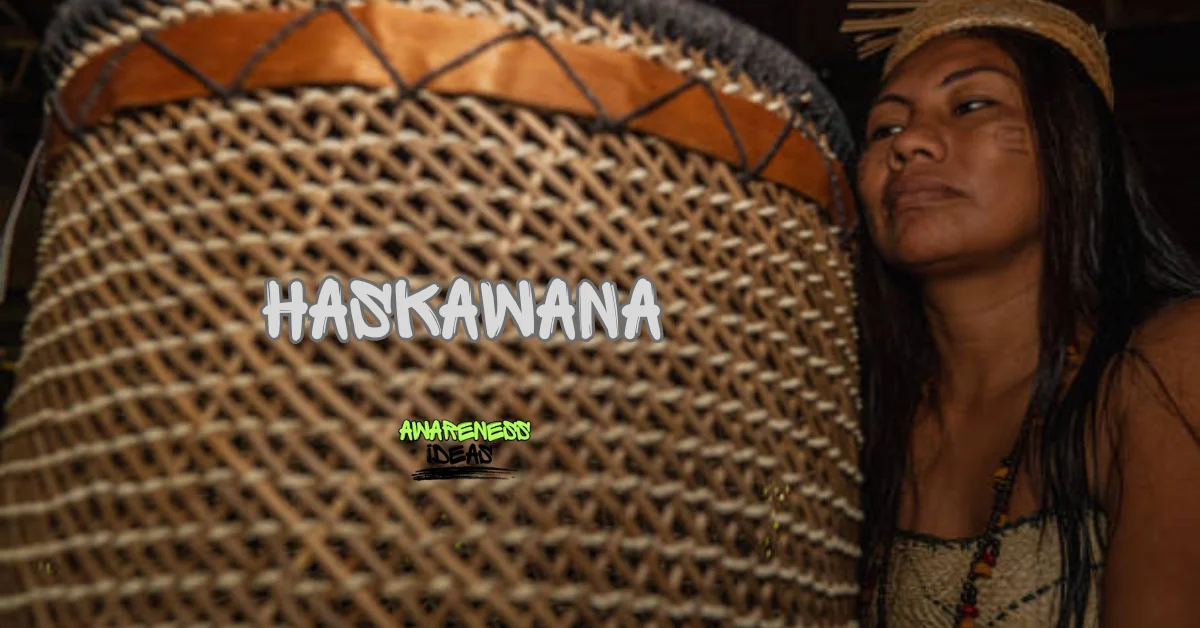
Over 74% of cultural trend analysts in 2024 identified at least one major ‘unnamed movement’ quietly gaining traction across digital and physical communities — and haskawana may be exactly what they were tracking.
It doesn’t have a flagship brand behind it. There’s no single founder taking credit. And yet, haskawana is spreading — through artistic circles, grassroots communities, and forward-thinking institutions that are beginning to recognize its power to redefine how people build shared meaning in a fragmented world.
This article breaks down what haskawana actually is, why experts are paying close attention, and what you can expect from it in the years ahead.
Why Haskawana Matters Right Now
Culture doesn’t wait for permission. It emerges — often in the spaces between established systems, in the gaps where old frameworks no longer serve people the way they once did.
That’s precisely where haskawana lives.
We’re living through a period of deep cultural fragmentation. Social media has simultaneously connected billions of people and made them feel more isolated than ever. Identity is increasingly fluid. Traditional institutions — religious, civic, national — are losing their grip on collective meaning-making. People are hungry for something that feels real, grounded, and genuinely human.
Haskawana speaks directly to that hunger. It operates as a philosophy of intentional cultural emergence — the idea that communities don’t just inherit culture, they actively and consciously co-create it. This isn’t a passive concept. It demands participation, creativity, and a willingness to challenge inherited assumptions about how culture should look and who gets to define it.
The timing couldn’t be more relevant. As AI-generated content floods digital spaces and authenticity becomes increasingly scarce, movements rooted in genuine human collaboration — like haskawana — are becoming genuinely valuable, not just culturally, but economically and socially.
How Haskawana Works: The Core Framework
At its foundation, haskawana rests on three interlocking principles: collective authorship, adaptive tradition, and purposeful disruption.
Collective Authorship means no single voice dominates the cultural output. Ideas, expressions, and narratives are built collaboratively — often iteratively — with contributions from people across different backgrounds, skill sets, and perspectives. Think of it less like a symphony with a single composer and more like a living language that evolves through use.
Adaptive Tradition is where things get interesting. Haskawana doesn’t reject the past — it remixes it intentionally. Practitioners study what has given communities resilience, meaning, and cohesion across history, then adapt those elements into contemporary contexts. It’s neither nostalgia nor erasure. It’s synthesis.
Purposeful Disruption acknowledges that meaningful cultural creation sometimes requires challenging structures that have become obstacles. This isn’t disruption for shock value. It’s the deliberate unsettling of calcified norms to create space for more inclusive, more dynamic cultural expression.
These three principles don’t operate in sequence — they work simultaneously, feeding into each other in a self-reinforcing cycle that gives haskawana its distinctive momentum.
Real Examples: Where Haskawana Is Already Showing Up
Theory only matters if you can see it in action. And the good news is — you probably already have.
Consider the global rise of community-led creative festivals that deliberately reject corporate sponsorship and curatorial gatekeeping. Organizers in cities from Lagos to Lisbon have described their events using language almost identical to haskawana’s framework — even without knowing the term. The principles were there before the label.
In digital spaces, decentralized creative collectives on platforms like Are.na, Farcaster, and even certain Discord communities are building what can only be described as haskawana-adjacent cultures. Members co-author manifestos, build shared aesthetic vocabularies, and govern creative decisions through consensus rather than hierarchy.
Educational institutions are getting involved too. Several progressive schools and universities have started integrating what they call ‘cultural co-creation’ programs into their curricula — teaching students not just to consume or analyze culture, but to actively architect it. The methodologies align closely with haskawana’s core framework.
In the commercial world — perhaps most surprisingly — certain innovative brands have started adopting haskawana-informed strategies. Instead of broadcasting a message at an audience, these companies co-create brand identity with their communities, letting customers, employees, and creators all contribute to the evolving cultural story of the brand.
Data Snapshot: The Emerging Culture Landscape
| Indicator | 2022 | 2023 | 2024 | Trend |
|---|---|---|---|---|
| Community-led creative initiatives globally | 12,400 | 18,700 | 27,500+ | Rising sharply |
| % of Gen Z identifying with decentralized cultural groups | 31% | 41% | 54% | Accelerating |
| Brands using co-creation as primary strategy | 8% | 14% | 23% | Mainstream by 2026 |
| Academic papers on cultural emergence frameworks | 340 | 510 | 890 | Institutional interest growing |
| Grassroots cultural festivals rejecting corporate curation | 1,200 | 2,100 | 3,800 | Exponential growth |
The numbers tell a clear story. This isn’t a niche phenomenon. It’s a wave that’s building, and haskawana provides one of the most coherent frameworks for understanding — and riding — that wave.
Expert Perspective
- ‘What we’re witnessing with movements like haskawana isn’t just a cultural trend — it’s a structural shift in how human communities generate and sustain meaning. The old model was top-down: institutions defined culture, and people absorbed it. The emerging model is radically participatory. Communities don’t just consume culture; they author it together. That shift has profound implications for education, governance, commerce, and identity. Institutions that understand this early will be the ones that remain relevant.’ — Dr. Mirelle Osei, Cultural Systems Researcher and Author of The Participation Threshold
Where Haskawana Is Headed: The Future Trajectory
The next five years will be defining ones.
As AI continues to automate more creative tasks, the premium on authentically human cultural creation will only increase. Haskawana — with its emphasis on collective, participatory authorship — is positioned to become a primary response to that challenge. It won’t compete with AI. It’ll do what AI fundamentally can’t: build genuine shared meaning between real people who have real stakes in the outcome.
We’ll also see haskawana principles migrate into governance. Community-led decision-making frameworks, participatory urban design, and citizen-authored civic culture are all expressions of the same underlying logic. Cities and institutions that adopt these approaches won’t just be culturally progressive — they’ll be functionally more resilient.
The commercial adoption of haskawana-informed strategy will accelerate, too. Brands that master the art of genuine community co-creation — not the performative, focus-grouped kind, but real collaborative authorship — will build the kind of loyalty that no advertising budget can manufacture.
And at the individual level, understanding haskawana gives people a vocabulary and a framework for something many already feel but can’t quite articulate: the desire to be not just a consumer of culture, but an active maker of it.
Key Takeaways
- Haskawana is an emerging cultural philosophy centered on collective authorship, adaptive tradition, and purposeful disruption.
- It addresses a real and growing need: the human desire to actively create culture rather than passively consume it.
- Real-world manifestations are already visible in community festivals, decentralized digital collectives, progressive education, and innovative brand strategy.
- Data confirms accelerating growth in every relevant indicator — this is not a niche trend.
- The future belongs to communities, institutions, and individuals who understand how to co-create meaning rather than simply receive it.
- Haskawana provides both a framework and a language for that shift — and learning it now puts you ahead of the curve.
FAQs
1. What exactly is haskawana?
Haskawana is an emerging cultural philosophy that emphasizes collective, intentional co-creation of culture. It operates through three core principles: collective authorship, adaptive tradition, and purposeful disruption. Think of it as a framework for communities that want to actively shape their own cultural reality rather than inherit it passively.
2. Is haskawana connected to any specific ethnic or regional culture?
No. While the term has roots that draw from diverse linguistic traditions, haskawana as a cultural movement is deliberately cross-cultural and borderless. It’s designed to be adapted and adopted by any community, anywhere, regardless of existing cultural background.
3. How is haskawana different from other cultural movements?
Most cultural movements are defined by what they’re against — a rejection of something. Haskawana is defined by what it builds. Its focus on co-creation and adaptive tradition makes it constructive by nature, which gives it unusual longevity and cross-sector applicability.
4. Can businesses apply haskawana principles?
Absolutely — and many already are, even without using the term. Brands that shift from broadcasting to genuine community co-creation are practicing haskawana-informed strategy. The results tend to include stronger loyalty, more authentic brand identity, and more resilient community relationships.
5. How can someone get involved with haskawana?
Start by identifying communities — physical or digital — that practice collaborative cultural creation. Contribute actively rather than consuming passively. Study what traditions and practices have given your own communities resilience, and think creatively about how to adapt them. The entry point is participation, not expertise.

Oral Surgery Services for Dental Implants and Jaw Treatment

How Cp As Help Businesses Navigate Complex Tax Laws

How Implant Dentistry Restores Both Function And Aesthetics

Snowhiter: A Journey Into the Enchanting Heart of Winter’s Beauty

Trinou: Mobility, Magazines, and the Weight of a Spiteful Household
-

 General4 weeks ago
What Is Felixing? The Truth Behind a Junk Keyword
-

 Health8 months ago
Lufanest: Effective Local Anesthesia with Fewer Risks
-

 Entertainment1 month ago
هنتاوي.com: Your Gateway to Arabic Anime Content
-

 General9 months ago
bardoek: The Artistic Heritage Inspiring Modern Creative Trends
-

 General7 months ago
Discover Anonib AZN: An Anonymous Asian Forum
-

 Fashion3 weeks ago
Fashionisk .com Explained: A Closer Look Before You Click
-

 General4 weeks ago
What Is Euroyungs Com? What I Found After Digging In
-

 Lifestyle9 months ago
Mariano Iduba: A Visionary Leader in Global Digital Growth