
Health
How Implant Dentistry Restores Both Function And Aesthetics

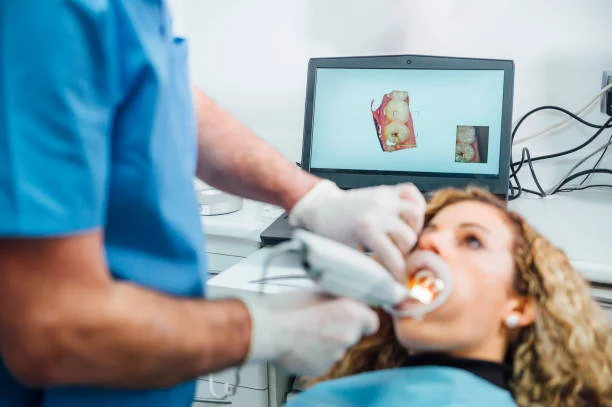
Missing teeth change how you eat, speak, and see yourself in the mirror. You might chew on one side, avoid certain foods, or hide your smile in photos. Over time, this strain can hurt your jaw, other teeth, and your confidence. Implant dentistry gives you a way to fix both the function of your bite and the look of your smile with one clear plan. Instead of worrying about loose dentures or gaps, you can choose a stable option that feels close to natural teeth. This blog explains how dental implants work, what you can expect before and after treatment, and how they protect your mouth long term. It also shows when you may need an Oral Surgeon for Watchung NJ to handle more complex care. You deserve clear answers, straight talk, and a path that helps you eat, speak, and smile without fear.
What A Dental Implant Really Is
A dental implant is a small post that replaces the root of a missing tooth. It sits in your jaw and holds a crown, bridge, or denture.
Each implant has three parts.
- The implant post that goes into your jaw
- The connector that joins the post and the tooth
- The crown or other tooth replacement that you see when you smile
The post bonds with your bone. That bond creates a solid base. You get a tooth that does not move when you eat, talk, or laugh.
How Implants Protect Your Health
Missing teeth do more than leave a gap. They start a chain reaction in your mouth and body.
- Your jawbone shrinks where the tooth is missing
- Your bite shifts and other teeth tilt or wear down
- Your gums trap more food and grow sore
Implants stop that chain. They do three key things.
- Support your jawbone by giving it something solid to hold
- Keep other teeth from drifting into the gap
- Spread your bite force so one side does not carry all the work
The National Institutes of Health notes that tooth loss is linked to nutrition problems and lower quality of life. You can read more on oral health and overall health from the National Institute of Dental and Craniofacial Research.
Function And Aesthetics Working Together
You may care about two things.
- How well you can chew and speak
- How your smile looks in daily life
Implants help with both at the same time.
For function, implants let you eat many foods that are hard with loose dentures. You can bite into fruit or chew meat with less fear of slipping teeth.
For appearance, each crown is shaped and colored to match your other teeth. People often cannot tell which tooth is an implant.
Implants Compared With Other Tooth Replacements
| Option | Stability When Chewing | Effect On Nearby Teeth | Jawbone Support | Usual Daily Care |
|---|---|---|---|---|
| Single Dental Implant | High. Feels close to a natural tooth | No grinding on nearby teeth | Helps maintain bone where placed | Brush and floss like a natural tooth |
| Fixed Bridge | High. Does not move | Needs shaping of nearby teeth | No support under the missing root | Brush and use special floss under the bridge |
| Removable Partial Denture | Medium. May move with hard foods | Clips can rub on nearby teeth | Does not stop bone loss | Remove to clean and soak |
| Full Traditional Denture | Low to medium. Uses suction or paste | No direct effect on teeth if all are gone | Jawbone often shrinks over time | Remove at night and clean |
The American Dental Association explains these choices in more detail.
Who Might Need An Oral Surgeon
Some people can get an implant with simple care. Others need help from a specialist. You may need an oral surgeon when you have one of these issues.
- Very thin or soft jawbone that needs bone grafting
- Teeth close to the sinus in the upper back jaw
- Old infections or cysts in the jaw
- Multiple missing teeth that need full arch support
In those cases, an oral surgeon plans where each implant should go. That planning protects nerves and sinuses. It also improves long-term strength.
What To Expect During The Implant Process
The path from missing tooth to new tooth follows a clear set of steps.
- Consultation. You share your goals. The team reviews your health and takes images of your jaw.
- Treatment plan. You see how many implants you need, what type of tooth replacement you will have, and the timeline.
- Implant placement. The surgeon places the post in your jaw. You go home the same day with clear instructions.
- Healing time. Your bone bonds with the implant. This can take a few months. You may use a temporary tooth during this time.
- Final tooth. A crown, bridge, or denture attaches to the implant. You test your bite and smile.
Each step aims to protect you from infection, pain, and surprise costs. You should always ask what happens next and how to reach the office if you have trouble after a visit.
Life With Implants
Living with implants feels close to living with natural teeth. You still need daily care.
- Brush twice a day with a soft brush
- Clean between teeth with floss or small brushes
- See your dentist for regular cleanings and checks
If you grind your teeth at night, a night guard may help protect the implants and your other teeth.
Talking With Your Family About Treatment
Tooth loss affects the whole family. It changes what you cook, where you eat, and how you spend money on care. It can stir fear or shame.
You can start three simple talks.
- Share how chewing or speaking feels right now
- Explain what you hope to do again, such as eat certain foods or smile in photos
- Review costs, time off work, and help you might need after visits
Honest talks turn a private struggle into a shared plan. Children also learn that caring for teeth matters at every age.
Taking Your Next Step
You do not need to live with pain, loose teeth, or a smile you avoid seeing. Implant dentistry offers a clear path to stronger chewing and a steady, natural look. Your next step is simple. Ask for a full exam, clear imaging, and a written plan that explains options, costs, and timing. With the right team, you can regain trust in your bite and comfort in your own smile.


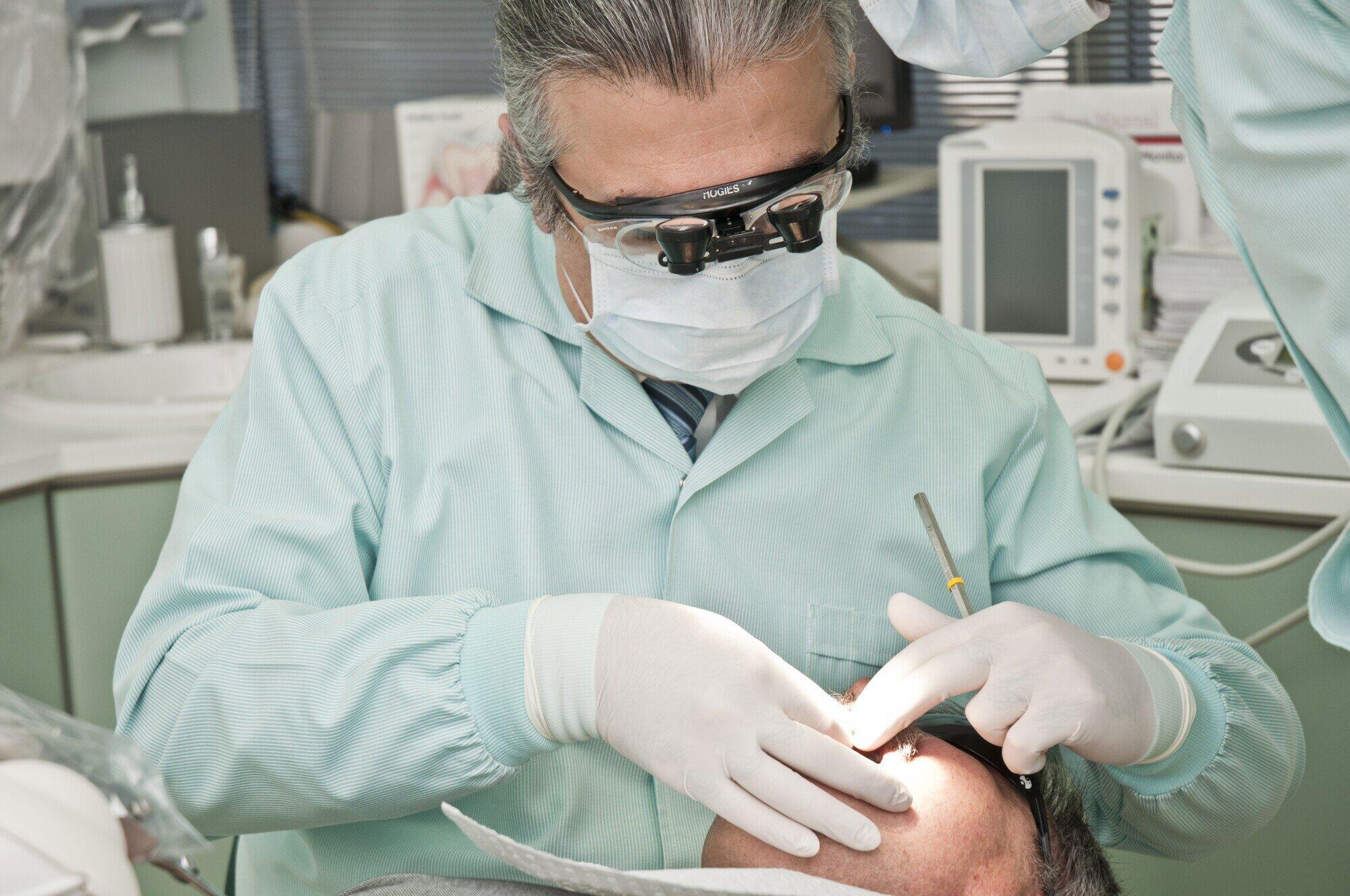
Do you want to keep your smile healthy and avoid painful dental problems?
Preventive care is the best way to protect your teeth and gums. It helps you stop issues before they become serious. Take action today and schedule a dental checkup to stay ahead of oral health problems.
Early Detection of Dental Issues
Professional dental care helps find problems early. Dentists can spot small cavities, gum disease, or signs of infection before they get worse. Early treatment is easier and less costly. It also reduces the risk of pain and complications. Regular checkups give you peace of mind.
Dentists use tools and exams to check your teeth and gums closely. They may take X-rays to see areas you cannot see at home. This allows them to catch hidden issues. With early care, you can avoid major treatments later.
Improved Oral Hygiene Habits
Preventive dental visits help you build better habits. Your dentist or hygienist can show you the right way to brush and floss. They can also suggest products that suit your needs. This guidance helps you maintain a clean and healthy mouth every day.
Good habits reduce plaque and prevent tooth decay. They also keep your breath fresh. When you follow expert advice, your oral health improves over time. Consistency is key to long-term results.
Cost Savings Over Time
Preventive care can save you money. Treating small issues costs less than fixing major problems. For example, a simple filling is cheaper than a root canal or extraction. Regular visits help you avoid expensive procedures.
Investing in routine care is a smart choice. It protects your budget and your health. You also reduce the chances of emergency dental visits. This makes dental care more manageable and less stressful.
Stronger Teeth and Healthier Gums
Professional cleaning removes plaque and tartar. These are hard to remove with brushing alone. Clean teeth are stronger and less likely to decay. Healthy gums also support your teeth and prevent tooth loss.
Regular care keeps your mouth in good condition. It lowers the risk of gum disease and infection. Strong teeth help you chew and speak with ease. A healthy mouth also supports overall wellness.
Boosted Confidence and Better Smile
Preventive care improves your smile. Clean and healthy teeth look brighter and more attractive. This boosts your confidence in social and professional settings. You feel more comfortable when you smile and speak.
A trusted Lexington dentist can help you maintain a beautiful smile. They can recommend treatments that suit your needs. With regular care, your smile stays strong and appealing. Confidence grows when you know your teeth look their best.
Final Thoughts About Dental Care Solutions
Professional dental care plays a key role in preventive oral treatment. It helps detect issues early, improve habits, and save money. It also keeps your teeth strong and your smile bright. Make preventive care a priority and enjoy long-lasting oral health.
Did you enjoy reading this article? If so, then be sure to check out the rest of our blog for more!

Good dental care is important for a healthy life. It helps you eat, speak, and smile with confidence. When your teeth and gums are healthy, your whole body benefits.
Expert dental services offer complete care for every stage of oral health. With the right care, you can avoid many dental problems before they start.
Continue reading to discover everything you need to know.
Why Complete Dental Care Matters
Dental health is more than just clean teeth. It also includes gums, jaw, and overall mouth health. Small issues can become big problems if ignored.
Regular dental care helps find problems early. This can save time, money, and discomfort later. Healthy teeth also support better digestion and clear speech.
Preventive Dental Services
Prevention is the first step in dental care. Regular checkups help keep your mouth healthy. Cleanings remove plaque and tartar. This helps prevent cavities and gum disease.
Dentists also check for early signs of problems. This includes tooth decay, infections, and gum issues. Simple preventive care can protect your smile for years.
Restorative Dental Treatments
Sometimes teeth get damaged or lost. Restorative care helps fix these problems. Fillings repair cavities. Crowns protect weak teeth. Bridges and implants replace missing teeth.
These treatments help restore function and appearance. They also help you chew and speak better. Restorative care brings back comfort and confidence.
Cosmetic Dental Services
Cosmetic treatments improve the look of your smile. They focus on color, shape, and alignment.
Teeth whitening removes stains and brightens your smile. Veneers cover chips or gaps. Bonding fixes small flaws.
These services help improve self-esteem. A better smile can make you feel more confident in daily life.
Gum Health and Care
Healthy gums are very important. Gum disease can lead to tooth loss if not treated early.
Dentists check for signs of swelling, bleeding, or infection. Early treatment can stop the problem from getting worse. Good gum care also supports strong teeth.
An experienced dentist provides skilled, reliable, and personalized dental care to help patients maintain healthy teeth and gums through prevention, treatment, and long-term oral health support. A skilled dentist provides safe, accurate, and complete care tailored to each patient’s needs.
Pediatric and Family Dental Care
Dental care is important for all ages. Children need early checkups to build good habits.
Family dental services make it easy for everyone to get care in one place. This helps track oral health over time and keeps families healthy together.
Emergency Dental Services
Dental emergencies can happen at any time. This includes tooth pain, broken teeth, or infections. Quick treatment is important to reduce pain and prevent further damage. Emergency care helps restore comfort as soon as possible.
Advanced Dental Technology
Modern dental clinics use advanced tools. These tools make treatment faster and more accurate.
Digital X-rays and imaging help dentists see problems clearly. This improves diagnosis and treatment planning. Technology also helps make visits more comfortable for patients.
Building Long-Term Oral Health
Good dental care is not a one-time visit. It is a long-term commitment.
Regular checkups help maintain healthy teeth and gums. Daily brushing and flossing are also important. With proper care, you can keep your smile strong for life.
Complete Care with Expert Dental Services
Expert dental services provide complete care for every need. From prevention to restoration, each step supports better oral health.
With regular visits and proper habits, you can avoid many problems. A healthy smile also improves confidence and quality of life. Taking care of your teeth today leads to a healthier tomorrow.
Expand your knowledge and check out more posts on our blog!

Healthy communities begin with good care. Investing in full community healthcare services brings help closer to home. It makes it easier to see a doctor and cuts long wait times.
People can get checkups, tests, and advice in one place. Local clinics work together to keep care simple and affordable. Programs also reach those who need help most.
This support prevents small issues from becoming big problems. It also helps hospitals stay less crowded. When care is easy and steady, people feel safer.
Let’s see how strong healthcare builds trust and helps communities grow with confidence every single day.
Enhanced Access to Care
Better access to care helps people get the help they need without delay. Community healthcare services are placed close to where people live. This makes visits easier and saves time and travel costs.
Clinics often offer flexible hours to fit busy schedules. Patients can see doctors, nurses, and other staff in one place. This setup reduces long waits and stress.
When care is easy to reach, people are more likely to seek help early. It also supports regular checkups. In the end, improved access leads to healthier individuals and stronger communities overall.
Preventive Care Focus
Preventive care helps stop health problems before they begin. Community healthcare services focus on regular checkups, vaccines, and simple screenings. These steps help find issues early when they are easier to treat.
Doctors also advise on healthy eating, exercise, and daily habits. This guidance helps people stay well and avoid serious illness.
Preventive care saves time, money, and stress in the long run. It also keeps families safe and informed.
Integrated Health Services
In integrated health services, patients can receive medical, mental health support and sometimes dental support in one place. This makes care simple and well-organized.
Health providers work together and share information to give better support. It helps avoid confusion and repeated visits.
Many trusted groups, such as the CAN Community Health organization, offer this model to improve patient care. People feel more supported when services are connected. It also saves time and effort for families.
With better teamwork, patients receive complete care that meets their needs and improves health outcomes.
Community Engagement and Trust
Community healthcare services build strong relationships with local people. They listen to needs and respect different cultures and values. Staff members often come from the same community, which helps build trust.
Programs and events also help people learn more about health in simple ways. When people feel heard, they are more likely to seek care and follow advice. This trust improves health results over time. It also creates a sense of support and unity.
Strong connections between providers and residents help communities grow healthier and more confident in managing their well-being every day.
Benefits of Choosing Comprehensive Community Healthcare Services
Finding the right community healthcare services can make daily life easier and safer. Comprehensive community services bring care, guidance, and support closer to home. They help people stay healthy, save money, and feel more secure.
Do not wait for problems to grow before taking action. Explore the services available in your area and make health a top priority. Start today and take a small step toward a healthier, stronger future for you and your community.
Did you find this article helpful? Check out the rest of our blog now!

How Cp As Help Businesses Navigate Complex Tax Laws

How Implant Dentistry Restores Both Function And Aesthetics

Snowhiter: A Journey Into the Enchanting Heart of Winter’s Beauty

Trinou: Mobility, Magazines, and the Weight of a Spiteful Household

Messeregge: The Masterful Synthesis of Ancestral Craft and Modern Utility
-

 General4 weeks ago
What Is Felixing? The Truth Behind a Junk Keyword
-

 Health8 months ago
Lufanest: Effective Local Anesthesia with Fewer Risks
-

 Entertainment1 month ago
هنتاوي.com: Your Gateway to Arabic Anime Content
-

 General9 months ago
bardoek: The Artistic Heritage Inspiring Modern Creative Trends
-

 General7 months ago
Discover Anonib AZN: An Anonymous Asian Forum
-

 Fashion3 weeks ago
Fashionisk .com Explained: A Closer Look Before You Click
-

 General4 weeks ago
What Is Euroyungs Com? What I Found After Digging In
-

 Lifestyle9 months ago
Mariano Iduba: A Visionary Leader in Global Digital Growth