
Automotive
What Key Features Should You Look for When Choosing a Wheelie E-Bike

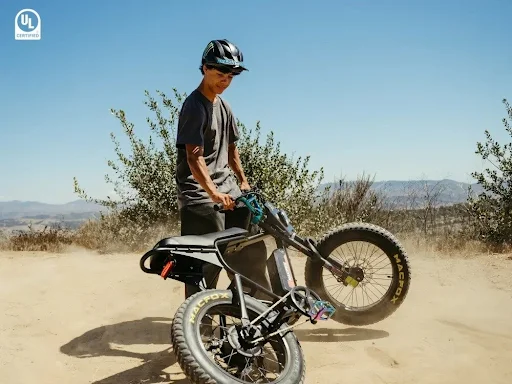
For riders who are into everyday street riding, basic stunt displays, and light stunt use, the logic for choosing a bike should be very clear: look at control first, then power, then durability, and only after that should you care about whether the spec sheet looks “crazy” on paper. The article below breaks down Wheelie e-bike, from a practical real-world perspective, the features that matter most in a wheelie e-bike.
What You Want Is a Wheelie E-Bike That Is Easy to Control
A lot of people immediately focus on 1000W, 1500W, or even higher peak power, assuming that more power automatically makes a bike better for lifting the front wheel. But for beginners, or for riders transitioning from a regular e-bike, overly aggressive power can actually make the bike feel rough and harder to manage. The hard part of a wheelie is not just getting the wheel up. The real challenge is whether you can hold it, make fine corrections, and bring it back down when needed.
A more practical approach is to look for a model with linear power delivery, predictable throttle response, and enough low-speed torque without feeling too jumpy. For basic wheelies and street display use, a bike that feels moderately strong but easy to manage is often better than one with huge numbers but overly aggressive response Wheelie e-bike.
You can start by looking in roughly this range:
- Continuous rated power: 500W–750W
- Peak power: around 800W–1200W is more common
- Torque character: enough punch off the line, but not the kind of setup that surges the moment you touch the throttle
- Top speed: 20–28 mph is already enough for most street riding and display needs
If you are just getting into this type of riding, a 500W–750W setup is usually the safer place to start. That range typically provides enough ability to lift the front wheel without lowering the margin for error as much as higher-powered platforms do.
Frame Geometry Matters More Than Many People Think
For smaller riders, younger riders, or anyone who is not especially tall, a lower standover height, a more compact frame, and a shorter overall proportion will usually make the bike easier to learn on. On the other hand, very long frames, cruiser-style bikes, or large heavy platforms may look impressive, but they are not always the best choice for basic wheelies.
You can roughly judge this through the following measurements:
- Wheelbase: a shorter setup is usually more agile; a recommended range is 44–49 inches
- Standover height: a lower standover makes it easier to get on and off the bike and shift body weight; a recommended range is 16–24 inches
- Seat height: if it is too tall, the learning curve gets steeper; try to keep it around 30–35 inches
- Handlebar rise: a slightly higher bar usually helps with upper-body control during front-wheel lift; it is worth looking for 3–8 inches of rise or a more upright riding position Wheelie e-bike
Weight Matters, and an Overly Heavy Bike Will Make It Much Harder to Learn
A lot of e-bikes look extremely strong on paper, but the issue becomes obvious in real use: they are simply too heavy. A wheelie is not just about yanking the front wheel up once. You also have to keep making balance corrections, adjust the brake, and manage the throttle. If the bike is too heavy, inertia goes up, corrections get slower, and the whole movement becomes more tiring.
For most riders, the total bike weight should ideally stay within a range that is easier to manage. A practical way to think about it is:
- 55–70 lbs: usually more agile and better for learning and basic display use
- 70–85 lbs: still workable, but requires more skill
- Above 85 lbs: more like a heavy platform, usually with a noticeably higher learning curve and harder correction
That does not mean a heavier bike cannot do wheelies. It just means it depends more on power and rider experience. For beginners especially, the heavier the bike is, the easier it is to run out of time when trying to correct a small mistake. If your main goal is basic trick practice, everyday street display, or light stunt use, keeping weight under control is often more important than chasing a bigger battery or a more oversized platform Wheelie e-bike.
The Brake System Is a Survival Feature, Not an Extra Feature
For wheelies, the rear brake is not a bonus. It is one of the core safety control points. If you really plan to lift the front wheel, you need to think of the rear brake as one of your main control tools. A lot of people only look at whether the bike can lift, but ignore what happens if it comes up too far. In real use, the rear brake is often what helps bring you back from the edge of losing balance.
It is worth focusing on these features:
- Hydraulic disc brakes first
- Rotor size of at least 180 mm is more reassuring, and on heavier bikes, 203 mm is often better
- Whether the rear brake feel is linear
- Whether the brake lever is easy to control with one finger
- Whether the system is easy to maintain and tune later
If a bike is marketed around street style, display riding, or strong power, but the brake setup is mediocre, that weakens its overall credibility. For this kind of riding, the brake system is not secondary. It is central.
Tire Width and Grip Directly Affect Stability During the Movement
A lot of people naturally associate wheelies with fat tires, and that makes sense because a wider contact patch usually provides better grip and a stronger visual style. But wider tires are not automatically better in every way. What really matters is grip, usable tire pressure range, sidewall stability, and the overall feedback from the front and rear wheels.
If your riding is mostly street commuting plus basic display riding, common reference points include:
- 20×4.0-inch tires: common, well-balanced, and easy to find replacements for
- 20×4.0 front / wider rear: gives the rear wheel a stronger grip feel and a stronger visual style
- 24-inch or 26-inch platforms: may offer more stability, but usually do not feel as agile as smaller-wheel setups
Seat Height, Pedal Position, and Rider Fit Should Not Be Ignored
No matter how good the spec sheet looks, if the electric bike does not fit your body, it will still feel awkward when you try to do anything technical. A wheelie requires you to shift your body weight back and coordinate both your upper body and lower body, so how the bike fits you matters a lot. This is especially true for younger riders, female riders, or anyone who is not very tall. Whether the bike is easy to get onto, whether you can generate leverage naturally, and whether you can quickly plant yourself and reach the rear brake all matter.
When choosing a bike, it is worth paying attention to:
- Whether the recommended rider height covers your height
- Whether the minimum seat height is reasonable
- Whether the reach to the bars is too long
- Whether the pedal position gives you natural leverage
- Whether the standover feels natural when getting on and off
If a bike clearly says it fits riders 3’11” and up, 4’5″ and up, or gives a clear rider height range, that can be very helpful in judging fit. For stunt-style display riding or basic tricks, a bike that fits you properly is almost always going to feel easier to control than one that is just “rideable enough.”
More Suspension Is Not Always Better, and It Depends on How You Ride
A lot of people see full suspension and immediately assume it is more premium and better for everything. In reality, for wheelies—which depend heavily on balance and feedback—more suspension is not always better. Suspension that is too soft, rebounds too slowly, or creates too much front-to-rear movement can actually blur the feedback you need.
If you mainly ride on streets, parking lots, or smoother paved surfaces, a moderate front suspension fork is often enough. What matters most is support and clear feedback. Full suspension makes more sense for rougher terrain, multi-terrain riding, or higher-speed comfort. But if your goal is not charging across mixed terrain and instead is basic display riding, light stunt use, and city riding, then a more direct and stable front-end feel is often better than an overly soft suspension setup.
When looking at suspension, ask yourself:
- Am I mainly riding on hard surfaces or rougher terrain?
- Do I need comfort, or do I need clear feedback?
- Is this suspension setup improving control, or just making the bike look more capable?
- Is the fork adjustable, and can it be tuned to a firmer, more supportive feel?
Wheel Size Changes the Bike’s Overall Character
Wheel size directly changes how a bike behaves. Smaller-wheel platforms are usually more agile, make quick weight shifts easier, and tend to feel more “playful.” Larger-wheel platforms may feel better for cruising stability, but for basic wheelies they often do not feel as direct as smaller-wheel setups.
For this style of e-bike, the 20-inch platform is very common for a reason. It usually strikes a good balance in the following areas:
- More agile handling response
- A lower-feeling center of gravity
- Easier to build a street-oriented style
- More friendly to smaller and mid-sized riders
- Works especially well visually and functionally when paired with fat tires
Of course, 20 inches is not the only answer. If you care more about high-speed stability, long-distance comfort, or you are a taller rider, a 24-inch or 26-inch platform may still make sense. But if your priority is basic wheelies, street display, and agile handling, 20-inch bikes usually match those needs better.
Recommended Specs for Most Riders: A Practical Range to Filter Bikes By
If you do not want to evaluate every bike from scratch, it helps to start with a practical framework. The list below is not an absolute rule, but it is a very useful reference point for most riders shopping for a basic wheelie e bike:
- Motor: 500W–750W
- Battery platform: 48V, as the more established and stable setup
- Total bike weight: try to keep it within 55–80 lbs
- Wheel size: prioritize 20 inches
- Tires: around 4.0 inches wide is more common
- Brakes: hydraulic disc brakes first, and on heavier bikes, look for larger rotors
- Frame: more compact, with a standover that is not too high
- Power modes: multiple adjustable modes are better
- E-bike positioning: street commuting + light stunt use + everyday display riding is usually a better fit for most riders than an “extreme off-road platform”
One E-Bike You May Want to Consider
The Macfox X2 fat tire e-bike is often used by some riders for stunt displays, mainly because it offers a relatively balanced mix of power, stability, and controllability. Its 750W motor, 1000W peak output, 80 Nm of torque, 20×4.0-inch tires, approximately 72-pound bike weight, plus dual suspension and hydraulic disc brakes make it a model that tends to attract attention in street display riding and basic trick practice scenarios.
Final Tip
No matter what, the thing most worth prioritizing is never just the single biggest number on the spec sheet. It is whether the bike feels balanced as a whole. A more practical order of evaluation is this: first look at the frame and weight, then the brakes and power delivery, then the tires and size fit, and only after that should you worry about surrounding specs like range or top speed. For this type of riding, the ability to stay stable, stay in control, and make corrections matters far more than whether the bike can lift the front wheel in one aggressive burst.


Road rage is an unfortunate reality of modern driving, with 74% of Australian drivers experiencing it. But you can significantly reduce its impact by installing dash cameras. Beyond recordings, they offer protection, accountability, and peace of mind.
They capture clear evidence, deter aggressive behavior, and support insurance claims and legal cases. Let’s know exactly how it helps you here!
Provides Clear Video Evidence
The most significant way dash cameras protect you during road rage is by recording real-time footage. The camera can capture aggressive driving behavior, verbal confrontations in audio-enabled systems, dangerous maneuvers (sudden brakes or swerving), and license plates and vehicle details.
The entire footage becomes crucial evidence for the law enforcement and insurance bodies. You won’t have to fight to prove a point verbally because the opposition will always try to deflect. Instead, authorities can review your submitted video and understand who was actually at fault.
Deters Aggressive Behavior
Choosing from the highest quality dash camera Australia has to offer, visible on your dashboard or windshield, troublemakers will be less likely to start a road rage incident. They are aware that they are being recorded.
Aggressive drivers will avoid increased escalation when they see themselves and their vehicle get documented. The installed camera instills a sense of accountability in them as they fear they’ll be held responsible by law enforcement if things take a nasty turn. This minimizes the chances of rash confrontations. Furthermore, you might also become agitated and heated. Owing to the recording, you’re more likely to keep yourself calm and avoid giving in to impulsive choices.
Protects from False Accusation
Road rage incidents lead to unfortunate accidents. Sometimes, the other party may accuse you of provoking them or causing the incident. You may need weeks or months to clear the false claims. Often, you are unable to do so as you don’t have evidence.
But with a dash camera, you can record exactly what happened. If you’re innocent, you have unbiased proof of the reality. Thus, you can clear accusations effectively and even get compensated for defamation or other relevant claims.
This is especially essential when the other driver files a complaint, insurance claims are disputed, or legal action is taken. Solid video evidence ensures your claims are taken seriously.
Supports Insurance Claims
If the road rage causes any impact on the vehicle or you, you will need insurance money for it. However, in general, the insurance companies can’t determine who is the liable party. The complication leads to a delayed payout or even rejection of the claim.
Again, getting a dash camera can support you. It lets you establish who is truly at fault, speeding up the processing of claims. This prevents fraudulent claims from either party and eliminates grounds for complicated disputes.
The visual proof from the dash camera proves the truthfulness of your claims, ensuring a fair and quicker outcome.
Encourages Safe Driving Behavior
When you drive alone without anyone to monitor you, you’re more likely to give in to road rage situations, especially if you’re impulsive. But when you know you’re being recorded, you become more mindful of your behavior. You drive mindfully because in case of any incident, you would not want to be proven responsible.
This helps you avoid reacting aggressively, maintain safe distances, follow traffic rules more strictly, and stay calm under pressure. When you regulate your emotions, you’re more likely to de-escalate conflicts and ensure your own safety.
Captures Incidents from Several Angles
If you invest in a dual-channel dash camera, it can record both the vehicle’s front and rear sides, which can be especially useful for road rage scenarios. This is because the vehicle behind you might try to bump into your car from a blind spot.
They may also assume that the rear isn’t covered by a dash camera and act more boldly, causing dangerous attempts, including tailgating behavior, aggressive overtaking, rear-end collisions, and harassment from following vehicles.
Having multiple camera angles for your vehicle helps you share the complete picture to authorities as required. If it leads to litigation, you will also get solid evidence for claims.
Records Verbal and Physical Threats
Sometimes, road rage isn’t just about driving recklessly. It can escalate to verbal abuse or physical intimidation. Your dash cam, if it has audio recording features, can record those as well. This is useful whether the other driver approaches your vehicle, makes verbal threats, or harasses you continuously after the incident.
Together, audio and video recordings serve as comprehensive evidence. This is valuable in legal or police reports.
Closing Thoughts
Dash cams play a vital role in handling road rage situations effectively. They empower drivers to stay calm, make informed decisions, and protect themselves against false accusations. So, get one now and prevent most tragedies.

Introduction to the BMVX4 and its Purpose
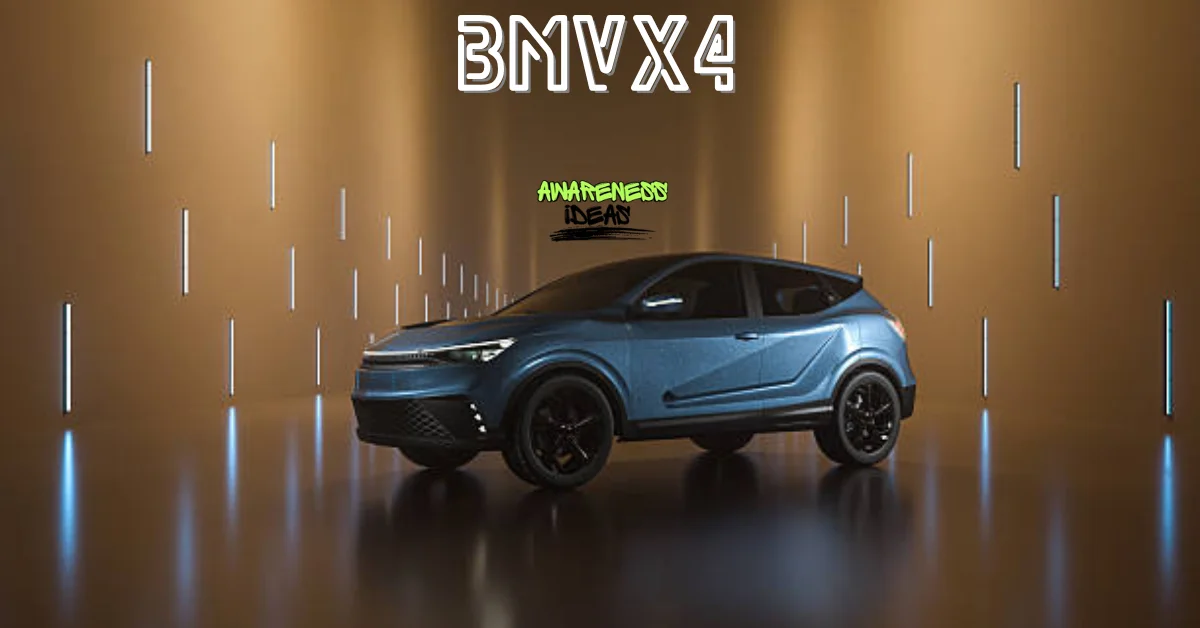
The compact luxury crossover segment has a new star on the horizon: the BMVX4. This vehicle is more than just another addition to an already competitive market; it’s a bold statement of style and innovation. Designed for those who crave sophistication without sacrificing functionality, the BMVX4 captures attention with its striking aesthetics and impressive features. Whether you’re navigating city streets or embarking on a weekend getaway, this crossover promises to elevate your driving experience in ways you’ve never imagined. Let’s dive into what makes the BMVX4 not just another car, but a transformative force in luxury motoring.
Aesthetically Pleasing Design Elements
The BMVX4 captivates at first glance. Its sleek lines and bold contours create a striking presence on the road. The signature kidney grille, reimagined for this model, adds an air of sophistication.
Each distinct perspective serves as a testament to meticulous technical craftsmanship. LED headlights illuminate not just the path ahead but also enhance its modern aesthetic. The aerodynamic silhouette reduces drag while exuding elegance.
Choose from vibrant exterior colors that reflect personal style or opt for classic shades that emphasize luxury. Each detail is meticulously crafted, ensuring harmony in design.
Step closer, and you’ll notice subtle accents like chrome trims that elevate its appeal without being ostentatious. Even the wheel designs combine form with functionality, providing both beauty and performance.
Inside, harmonious color palettes complement advanced materials to create a welcoming atmosphere. This balance of visual allure and practicality sets the BMVX4 apart in the competitive landscape of compact luxury crossovers.
Innovative Technological Features
The BMVX4 stands out with its array of innovative technological features. It integrates cutting-edge infotainment systems that keep drivers connected and entertained on the go. With a vibrant touchscreen display, navigating through apps is seamless and intuitive.
Safety remains paramount in the BMVX4’s design. Advanced driver-assistance systems enhance situational awareness, making every ride feel secure. Features like adaptive cruise control and lane-keeping assist work harmoniously to minimize stress during long journeys.
Voice recognition technology simplifies commands, allowing for hands-free control over navigation or music selection. The system quickly responds to natural language prompts, keeping distractions at bay.
Additionally, connectivity options cater to various devices ensuring everyone stays plugged in. From USB ports to wireless charging pads, convenience is prioritized throughout the cabin. Each feature reflects a commitment to blending luxury with practicality—a true hallmark of modern automotive excellence found in the BMVX4.
Luxurious Interior and Comfortable Driving Experience
Step inside the BMVX4, and you’re greeted by a world of luxury. The cabin is meticulously crafted with high-quality materials that exude sophistication.
Soft-touch surfaces and leather upholstery envelop you in comfort. Every detail has been thoughtfully designed to enhance your driving pleasure.
Spacious seating offers plenty of legroom for both driver and passengers. Whether you’re navigating through city streets or cruising on the highway, every ride feels smooth.
The intuitive layout of controls ensures everything is within reach. It allows you to focus on what matters most – enjoying the drive.
Ambient lighting sets the perfect mood, elevating even short trips into special experiences. With advanced noise insulation, outside distractions fade away, creating a serene environment inside.
In this compact luxury crossover, comfort isn’t just an afterthought; it’s woven into its very essence.
Superior Performance and Handling
The BMVX4 excels in performance, offering a thrilling drive that captivates enthusiasts. Its powerful engine options deliver impressive acceleration and responsiveness, making every journey exhilarating.
Advanced suspension systems enhance stability and control. Whether navigating city streets or winding mountain roads, the BMVX4 remains composed under various conditions.
All-wheel drive capabilities ensure optimal traction, boosting confidence in inclement weather. Drivers can expect a seamless experience when transitioning from highway cruising to sharp cornering.
Moreover, precise steering adds to the sporty feel of the vehicle. Each turn feels connected, allowing for an engaging driving experience that few competitors can match.
With its combination of power and agility, it redefines what drivers should expect from a compact luxury crossover. The BMVX4 doesn’t just transport you; it transforms each trip into an adventure on wheels.
Comparison to Competitors in the Compact Luxury Crossover Market
When it comes to the compact luxury crossover market, competition is fierce. Brands like Audi and Mercedes-Benz have long been established players with their own loyal followings. The BMVX4 steps into this arena not merely as another option but as a game changer.
Unlike its competitors, the BMVX4 combines bold aesthetics with innovative features tailored for modern drivers. While others may offer sleek lines or tech-savvy gadgets, the BMVX4 excels in harmonizing both elements seamlessly.
Performance is another area where it shines bright. Many rivals focus heavily on comfort at the expense of handling dynamics. However, the BMVX4 manages to deliver an engaging driving experience without compromising on luxury.
Moreover, interior space and functionality place it ahead of many alternatives in its class. It’s designed not just for looks but also for practical usability—an aspect that often gets overlooked by other brands in this segment.
Conclusion: Why the BMVX4 is Setting a New Standard for Luxury Crossovers?
The BMVX4 is more than just a vehicle; it’s an experience that redefines what compact luxury crossovers can offer. Its iconic styling captivates from the moment you lay eyes on it, setting itself apart in a crowded market. The design elements are not only aesthetically pleasing but also functional, marrying form with practicality.
Inside, the BMVX4 boasts a luxurious interior designed for comfort and sophistication. Every detail has been considered to enhance the driving experience, making every journey enjoyable whether you’re commuting or taking a road trip. Coupled with its innovative technological features, this crossover ensures you remain connected and entertained throughout your travels.
When it comes to performance and handling, the BMVX4 delivers superior capabilities that allow for both spirited driving and smooth navigation through city streets. It strikes an impressive balance between power and efficiency while ensuring driver confidence at all times.
As we survey competitors within the compact luxury crossover category, it’s clear that many struggle to match what the BMVX4 brings to the table. With its unique blend of style, technology, comfort, and performance attributes, it’s evident why so many consider this vehicle as setting new standards in automotive excellence.
The BMVX4 stands tall as an embodiment of modern luxury—one that resonates deeply with those who seek both aesthetic beauty and exceptional functionality in their vehicles.

Pool training usually centers around lap swimming, kick sets, and structured drills. Recently, electric kickboards have started to appear in pool sessions as a way to support certain types of practice rather than replace them Electric Kickboard Good for Pool Training. Their role in training depends largely on how they are used and what the swimmer is trying to improve.
This guide will explain how electric kickboards fit into pool training, where they are useful, and when they are better left out.
Is an Electric Kickboard Effective for Pool Training?
An electric kickboard can be effective for pool training, especially for beginners, casual swimmers, and low-intensity sessions. It allows you to move through the water with assisted propulsion, which changes how effort is distributed during a session.
That said, it is not designed to replace structured swim training. Competitive swimmers or those focused on strength development will still rely on traditional drills and unassisted movement.
In simple terms:
- Good for: confidence, light training, technique focus
- Not ideal for: strength building, competitive performance
Understanding that distinction is what determines whether it adds value to your routine.
How an Electric Kickboard Works in a Pool
An electric kickboard uses a built-in motor and propeller to generate forward thrust. Instead of relying entirely on your legs to move through the water, the device provides consistent propulsion once activated.
This creates a very different experience compared to a traditional kickboard.
With a standard kickboard:
- movement comes entirely from your kicking power
- fatigue builds quickly during longer sets
With an electric kickboard:
- propulsion is assisted
- effort shifts from power to control and positioning
Because of this, the focus of training changes. You spend less energy on pushing yourself forward and more on maintaining balance, breathing rhythm, and body alignment.
Benefits of Using an Electric Kickboard for Pool Training
Reduces Fatigue During Training
One of the most immediate benefits is reduced physical strain. Beginners often struggle to maintain consistent kicking for more than a few lengths. An electric kickboard helps bridge that gap by providing steady movement through the water.
This makes it easier to:
- extend session time
- practice without early exhaustion
- stay relaxed instead of overworking
Helps Build Water Confidence
For new swimmers, confidence is often a bigger barrier than physical ability. The added propulsion makes it easier to stay afloat and move forward without panic.
This is especially useful for:
- first-time swimmers
- children learning basic movement
- anyone uncomfortable in deeper water
When movement feels easier, people tend to relax—and that directly improves learning.
Supports Technique-Focused Practice
Because propulsion is partially handled, swimmers can shift attention to technique. Instead of focusing on “how to move forward,” the focus becomes “how to move correctly.”
This allows for:
- better body positioning
- more controlled breathing patterns
- smoother, more efficient movements
It is particularly helpful in early-stage training, where too much effort can interfere with proper form.
Limitations You Should Know
Does Not Replace Strength Training
An electric kickboard reduces the need for continuous kicking, which means it does not build leg strength the same way traditional drills do. If your goal is power and endurance, you still need unassisted training.
May Reduce Natural Effort
Because movement is assisted, there is a risk of relying too much on the device. Overuse can slow down progress in developing natural swimming ability if it replaces too much real effort.
Not Ideal for Competitive Training
Competitive swimmers train against real resistance. An electric kickboard changes that dynamic, making it less suitable for performance-focused sessions where precision and effort matter most.
Electric Kickboard vs Traditional Kickboard for Pool Training
| Aspect | Electric Kickboard | Traditional Kickboard |
| Effort Level | Low to moderate | High |
| Training Focus | Technique, confidence | Strength, endurance |
| Best For | Beginners, casual sessions | Structured swim training |
| Fatigue Level | Lower | Higher |
| Skill Development | Assisted learning | Full effort control |
Both tools have their place. The key difference is that one supports movement, while the other builds it from scratch.
Why ASIWO MAKO Electric Kickboard Works Well for Pool Training
In a pool setting, control and ease of handling matter more than raw power. During a typical session—like swimming a few relaxed laps or practicing breathing rhythm—the ASIWO MAKO Electric Kickboard feels predictable and easy to manage rather than overwhelming. At around 5.7 lbs, it’s light enough to reset at the wall between sets without breaking your flow, and the lower speed modes let you move steadily without being pulled too quickly, which helps you stay relaxed in the water.
The propulsion is moderate, so instead of using all your energy on kicking, you can pay more attention to body position and staying balanced. In a standard pool lane, it’s also easy to guide and turn, even in tighter space, which makes short-distance practice feel smoother. Used this way, it works more like a support tool during lighter sessions—helping reduce effort while keeping your movement consistent.
Who Should Use an Electric Kickboard in a Pool
Beginners and Casual Swimmers
If you are new to swimming or returning after a long break, an electric kickboard can help reduce the initial difficulty and make sessions more manageable.
Kids and Family Use
For younger swimmers, it adds an element of fun while also helping them feel more secure in the water. That combination often leads to faster confidence building.
Light Training or Recovery Sessions
Even experienced swimmers can use it during low-intensity days. It works well for recovery sessions where the goal is movement and relaxation rather than performance.
Final Thoughts
An electric kickboard can be a useful addition to pool training, but only when used with the right expectations. It is not a replacement for traditional swimming drills or strength work. Instead, it serves as a supportive tool that makes practice more accessible and less physically demanding.
For beginners, it helps build confidence and consistency. For casual swimmers, it adds variety and reduces fatigue. And in controlled settings like a pool, a well-designed option like the ASIWO MAKO can fit naturally into light training and skill-focused sessions.
Used correctly, it is less about replacing effort—and more about making time in the water easier to sustain and enjoy.

Woofapps: The All-In-One Digital Sanctuary for Modern Pet Care

Fkbar: From Technical Jargon to Everyday Use—A Deep Dive Analysis

MySDMC SSO: Digital Gateway to Streamlined Learning and Academic Efficiency

What Your Dentist Looks for During a Routine Dental Visit

Why Smart Businesses Are Prioritizing Partner Verification in 2025
-

 General1 month ago
What Is Felixing? The Truth Behind a Junk Keyword
-

 Health8 months ago
Lufanest: Effective Local Anesthesia with Fewer Risks
-

 Entertainment1 month ago
هنتاوي.com: Your Gateway to Arabic Anime Content
-

 General9 months ago
bardoek: The Artistic Heritage Inspiring Modern Creative Trends
-

 General8 months ago
Discover Anonib AZN: An Anonymous Asian Forum
-

 Fashion1 month ago
Fashionisk .com Explained: A Closer Look Before You Click
-

 Lifestyle9 months ago
Mariano Iduba: A Visionary Leader in Global Digital Growth
-

 General1 month ago
What Is Euroyungs Com? What I Found After Digging In