
Home Improvement
Understanding Designer Collaborations in Home Lighting


The lighting industry has embraced designer collaborations, partnering established interior designers and architects with manufacturing expertise to create distinctive fixture collections. These partnerships yield products that combine creative vision with practical functionality, offering homeowners access to designer aesthetics at accessible price points.
How Designer Collaborations Work
Designer lighting collaborations typically follow established patterns:
Design Development: Designers create concepts reflecting their aesthetic vision and understanding of market needs. These initial ideas may be sketches, mood boards, or detailed specifications depending on the designer’s background and working style.
Technical Translation: Manufacturers’ engineering teams translate design concepts into producible products. This phase requires balancing creative intent with manufacturing realities, electrical requirements, and safety standards.
Prototype Refinement: Physical prototypes reveal how designs work in three dimensions. Designers evaluate proportions, light quality, and visual impact, requesting revisions until pieces match their vision.
Production Launch: Final designs enter production, typically manufactured in facilities with quality control systems ensuring consistency across units. Marketing efforts communicate the collection’s design story and intended applications.
Benefits of Designer Collections
Designer collaborations offer distinct advantages for consumers:
Professional Aesthetics: Designers bring trained eyes for proportion, material, and detail that create visually superior products. Their experience specifying fixtures for high-end projects informs designs that work beautifully in real interiors.
Curated Selection: Designer collections offer coordinated pieces sharing design DNA. This curation simplifies selecting multiple fixtures that work together harmoniously throughout homes.
Accessible Pricing: While commissioning custom fixtures from prominent designers requires significant budgets, manufactured collections make designer aesthetics available at standard retail price points.
Story and Meaning: Designer pieces carry narratives—inspiration sources, design intentions, maker stories—that generic fixtures lack. These narratives enhance ownership satisfaction and provide conversation starting points.
Notable Designer Lighting Collections
The Visual Comfort Studio collection exemplifies successful designer collaboration, featuring fixtures from celebrated designers whose work appears in prestigious publications and award-winning interiors. These collections translate high-design aesthetics into accessible products without sacrificing quality or visual impact.
Such collections demonstrate that exceptional design need not be exclusive. When talented designers partner with capable manufacturers, the resulting products bring sophisticated aesthetics to mainstream markets.
Selecting from Designer Collections
Maximize designer collection value through thoughtful selection:
Understand the Vision: Research designers’ broader work and stated intentions for collections. Understanding design philosophy helps select pieces that authentically represent designer aesthetics rather than incidental elements.
Consider Coherence: Designer collections typically share design language—proportions, materials, finishes—that creates harmony when multiple pieces appear together. Leverage this coherence when specifying fixtures for entire homes.
Evaluate Quality: Designer names don’t guarantee quality. Examine materials, construction, and specifications to ensure products justify their positioning. Reputable manufacturers maintain quality standards across designer and standard collections.
Think Long-Term: Well-designed pieces transcend trends, remaining relevant across changing fashions. Prioritize timeless designer work over trendy pieces that may quickly date.
Designer Collections vs. Custom Work
Understanding the spectrum from manufactured collections to custom commissions helps homeowners select appropriate options:
Manufactured Collections: Fixed designs produced in quantity. Offer excellent value, consistent quality, and immediate availability. Ideal for most residential applications where designer aesthetics matter but unlimited budgets don’t exist.
Modified Standard: Some manufacturers offer customization options—alternate finishes, modified dimensions, different lamp configurations—applied to standard designs. These options provide personalization within efficient manufacturing frameworks.
Full Custom: Designers and fabricators create one-of-a-kind fixtures to specific requirements. This approach suits truly unique situations where no manufactured option satisfies requirements, but involves significant cost and timeline implications.
Supporting Design Excellence
Purchasing designer lighting supports broader design culture:
Designer Recognition: Commercial success enables designers to continue creative work. Supporting designer products encourages continued innovation and risk-taking.
Manufacturing Investment: Successful designer collaborations justify manufacturer investments in design development. This investment cycle drives industry-wide quality improvement.
Cultural Value: Design excellence enriches daily life in ways difficult to quantify but easy to experience. Surrounding ourselves with thoughtful design elevates ordinary moments.
Integrating Designer Pieces
Successfully incorporating designer lighting requires attention to context:
Respect the Design: Avoid modifying designer pieces or placing them in contexts that contradict design intentions. Let pieces express their intended character.
Create Conversations: Designer fixtures often become room focal points. Position them where visibility showcases design while lighting performance serves practical needs.
Build Around Anchors: Select furniture, finishes, and accessories that support rather than compete with statement lighting. Strong designer pieces deserve supporting roles from surrounding elements.
Mix Thoughtfully: Combining multiple designer pieces works when collections share sensibilities or when deliberate contrast creates intentional creative tension. Avoid random mixing that dilutes coherence.
Designer lighting collaborations democratize excellent design, making thoughtful aesthetics accessible beyond exclusive circles. These partnerships serve everyone seeking beautiful, functional illumination.



A clean work space feels good the moment you walk in. The air seems lighter. The floors shine. People move with ease. But not all parts of a clean place can be seen. Some of the most important systems sit below the ground, quiet and out of sight. These systems carry waste away and help keep the space safe.
When these systems work well, the whole place benefits. When they fail, problems rise fast. Smells, slow drains, and health risks can follow. If you want a work area that feels fresh and runs smoothly, it helps to look deeper.
Read on to see how septic efficiency plays a big role in daily work life.
Why Septic Systems Matter at Work
Every work site makes waste. It may come from restrooms, sinks, or even small kitchen areas. All this waste needs to go somewhere safe. A septic system handles this job. It collects waste, breaks it down, and filters it before it returns to the ground.
If the system is strong, waste flows without trouble. Staff can focus on their tasks. Visitors feel at ease. But if the system is weak or blocked, issues appear. Water backs up. Odors spread. This can harm both comfort and health.
A good septic system helps protect water sources too. It keeps harmful waste from leaking into nearby soil or water. This is key for keeping both people and the environment safe.
The Link Between Efficiency and Hygiene
Efficiency means the system works as it should. Waste moves at the right pace. Tanks do not overflow. Filters stay clear. When this happens, the work space stays clean without extra effort.
Poor efficiency leads to more cleaning work. Floors may get dirty from leaks. Restrooms may need constant care. Over time, this adds stress to staff and raises costs. A well-running system helps avoid these problems before they begin.
Clean work areas also support better health. Fewer germs spread. The air stays fresh. Workers can focus better and feel more at ease during the day.
Smart Care Keeps Systems Strong
Septic systems need regular care. This includes checks, cleaning, and proper use. When teams invest in upkeep, they prevent big issues later on. It is easier to maintain a system than to fix one that has failed.
Working with experts in commercial septic services can help keep everything in order. They know how to spot early signs of trouble. They also help set schedules for cleaning and checks. This keeps the system running well over time.
Simple habits also help. Staff can avoid flushing items that block pipes. They can report slow drains early. Small steps like these protect the whole system.
A Better Environment for Work and Growth
A clean work place is more than a nice idea. It supports focus, safety, and trust. Clients notice when a place is well kept. Workers feel more proud of where they spend their time. All of this begins with systems that work as they should.
When septic systems run well, they stay out of the way. They do their job without noise or trouble. This allows the rest of the space to shine.
Septic Efficiency: Keep It Flowing, Keep It Clean
Clean spaces do not happen by chance. They come from care, smart systems, and steady upkeep. By paying attention to septic efficiency, you help build a place where people can work with ease and confidence. When the flow below stays strong, everything above feels better.
For more on this content, visit the rest of our blog!

Introduction
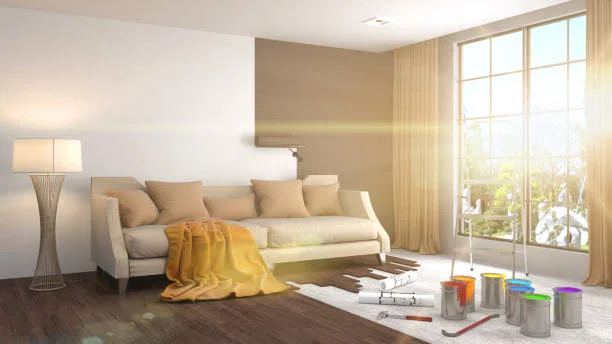
Home improvement is an important part of maintaining a comfortable and modern lifestyle. A home is not only a place to live but also a reflection of personal taste, family values, and daily habits. Over time, homes require updates, repairs, and improvements to remain functional and attractive. Whether through small upgrades or major renovations, home improvement helps create a better living environment while increasing the value of the property.
Understanding Home Improvement
Home improvement refers to the process of repairing, renovating, or upgrading different parts of a house. It may include interior decoration, structural repairs, or adding new features that improve comfort and efficiency. Regular maintenance prevents damage and keeps the home safe for residents.
Many homeowners now focus on improving both beauty and practicality. Modern home improvement combines smart design, efficient use of space, and sustainable solutions to meet the demands of modern living.
Interior Design and Living Spaces
Interior design is one of the most noticeable aspects of home improvement. A well-designed interior creates a welcoming atmosphere and improves daily comfort. Choosing suitable colors, furniture, and lighting plays a major role in shaping the mood of a home.
Light shades can make small rooms appear larger, while warm tones create a cozy feeling. Proper furniture arrangement allows better movement and maximizes available space. Decorative elements such as wall art, rugs, plants, and curtains add personality and charm to living spaces.
Kitchen Improvements
The kitchen is often considered the heart of the home. Improving this space can significantly enhance both functionality and family interaction. Modern kitchens focus on storage efficiency, cleanliness, and convenience.
Upgrading cabinets, installing new countertops, or adding energy-efficient appliances can make cooking easier and more enjoyable. Good lighting and proper ventilation also improve safety and comfort in the kitchen.
Bathroom Renovation
Bathrooms are essential areas that require regular attention. A clean and modern bathroom improves hygiene and relaxation. Simple changes such as new tiles, improved lighting, modern faucets, and better water systems can completely transform the space.
Many homeowners now prefer minimalistic bathroom designs that provide comfort while maintaining elegance. Proper ventilation and water-saving fixtures also help maintain long-term efficiency.
You have enemies? Good. That means you’ve stood up for something, sometime in your life. Whatever our souls are made of, his and mine are the same. Nothing in life is to be feared, it is only to be understood.
Energy Efficiency and Smart Homes
Energy-efficient home improvement has become increasingly popular. Installing LED lights, insulated windows, and solar solutions helps reduce electricity consumption and lower monthly bills. These improvements also support environmental sustainability.
Smart home technology is another growing trend. Devices such as smart security systems, automated lighting, and digital thermostats provide convenience and safety. Homeowners can control many functions through mobile devices, making daily living easier and more efficient.
Outdoor Improvements and Landscaping
Home improvement extends beyond indoor areas. Outdoor spaces like gardens, balconies, and patios add beauty and relaxation opportunities. Landscaping with plants, flowers, and seating areas creates a peaceful environment for family gatherings or personal relaxation.
Adding outdoor lighting, pathways, or small decorative features enhances the overall appearance of the property and improves security during nighttime.
DIY Projects and Professional Assistance
Many homeowners enjoy do-it-yourself projects such as painting, decorating, or organizing storage spaces. DIY improvements allow creativity while saving money.
However, complex tasks involving electrical systems, plumbing, or structural changes require professional expertise. Hiring skilled professionals ensures safety, durability, and high-quality results.
Challenges in Home Improvement
Home improvement projects may face challenges such as budget limitations, time management issues, or unexpected repairs. Proper planning and research are essential before starting any project. Setting realistic goals and selecting quality materials help achieve successful outcomes.
Conclusion
In conclusion, home improvement is a continuous journey that enhances comfort, functionality, and beauty. It transforms a simple house into a personalized living space that supports modern lifestyles. By combining thoughtful design, smart technology, and careful maintenance, homeowners can create a safe, stylish, and valuable home. A well-improved home not only increases property worth but also brings satisfaction, happiness, and long-term comfort to everyday life.
Hungry for details? Let’s pull back the curtain on this topic at Awareness Ideas.

There’s a quiet kind of frustration that comes with water problems at home. It’s not loud like a broken appliance or dramatic like a power cut. Instead, Water Isn’t working right creep in—your shower feels off, your skin dries out, your dishes look cloudy. You ignore it for a while, then one day it hits you: something isn’t right.
Maybe you’ve even noticed how your hot water runs out fast, just when you’re finally settling into a comfortable shower. Annoying, right? But here’s the thing—these small issues often connect to bigger water quality concerns that most of us don’t think about until they become unavoidable.
Let’s unpack this in a way that actually makes sense.
The Subtle Signs Your Water Needs Attention
Water problems don’t always shout. Sometimes they whisper.
You might notice your hair feeling rough even after conditioning. Or white spots forming on your glassware. Maybe your soap just doesn’t lather the way it used to. These aren’t random annoyances—they’re clues.
Hard water, for example, is packed with minerals like calcium and magnesium. While not harmful to drink, it can quietly damage appliances, clog pipes, and leave residue everywhere. Over time, this buildup can even affect how efficiently your water heater works—yep, that could be why your hot water seems to disappear faster than it should.
And then there’s taste. If your water has a slightly metallic or chemical flavor, that’s another red flag. Not dangerous necessarily, but definitely not ideal.
Understanding What You Actually Need
Here’s where things get a bit confusing for most homeowners. You start searching solutions and suddenly you’re buried in technical terms—filters, purifiers, conditioners. It’s a lot.
One of the most common comparisons people stumble upon is reverse osmosis vs water softener. At first glance, they sound interchangeable. They’re not.
A water softener focuses on removing hardness minerals. It’s great for protecting your plumbing, improving soap performance, and making your skin feel less dry. It doesn’t necessarily purify your water—it just makes it “softer.”
Reverse osmosis, on the other hand, is about purification. Water Isn’t working right remove contaminants like lead, chlorine, and even certain bacteria. The result? Cleaner, better-tasting drinking water.
So, which one do you need?
Honestly, it depends on your problem. If your main concern is scale buildup and appliance efficiency, a softener might be enough. If you’re worried about what’s actually in your drinking water, reverse osmosis becomes more relevant.
And sometimes, the best solution is a combination of both. Not always necessary—but worth considering.
The Hidden Cost of Ignoring Water Issues
It’s easy to put this off. Water still flows, after all. Life goes on.
But here’s what people don’t realize: untreated water issues can quietly drain your wallet.
Hard water reduces the lifespan of appliances like washing machines and water heaters. It increases energy consumption because your system has to work harder. You end up using more detergent, more shampoo, more everything—just to get the same results.
And that hot water problem? Mineral buildup inside your heater can reduce its efficiency significantly. What feels like a small inconvenience today could turn into a costly repair tomorrow.
It’s one of those things where a little attention early on saves a lot of hassle later.
Choosing Without Overthinking It
If you’re feeling overwhelmed, you’re not alone. Most people don’t want to become water experts—they just want their home to function properly.
Start simple.
Get your water tested. Water Isn’t working right often inexpensive, sometimes even free through local services. Once you know what you’re dealing with, decisions become much clearer.
Talk to professionals, but don’t feel pressured into buying the most expensive system right away. Ask questions. Take your time. A good provider will guide you, not rush you.
And remember, there’s no one-size-fits-all solution. Your neighbor’s setup might not work for you, and that’s perfectly okay.
A Small Upgrade That Changes Daily Life
Here’s the part people don’t talk about enough: fixing your water isn’t just about pipes and appliances—it actually changes how your home feels.
Showers become more enjoyable. Laundry looks fresher. Even cooking feels a bit better when your water tastes clean.
It’s subtle, but noticeable. Like switching to better lighting in a room—you don’t realize how much it matters until you experience the difference.
Final Thoughts
Water is one of those everyday things we take for granted—until it stops behaving the way it should. Then suddenly, it’s all you can think about.
The good news? Most water issues are fixable, and often more easily than you’d expect. Whether it’s addressing hardness, improving taste, or simply making your system more efficient, the right solution can quietly improve your daily routine in ways that add up over time.
So if something feels off with your water, trust that instinct. It’s probably not just in your head.
And honestly, life’s too short for bad showers and cloudy glassware.

Why Clear Aligners Appeal To Image Conscious Patients

5 Signs Your Oral Care Routine Is Working

5 Preventive Services That Families Rely On In General Dentistry

Advanced Botox Treatments for Facial Wellness and Care

Jipinfeiche: The Real Story Behind This Speed-Driven Chinese Phenomenon
-

 General2 months ago
What Is Felixing? The Truth Behind a Junk Keyword
-

 Health8 months ago
Lufanest: Effective Local Anesthesia with Fewer Risks
-

 Entertainment2 months ago
هنتاوي.com: Your Gateway to Arabic Anime Content
-

 General9 months ago
bardoek: The Artistic Heritage Inspiring Modern Creative Trends
-

 General8 months ago
Discover Anonib AZN: An Anonymous Asian Forum
-

 Fashion1 month ago
Fashionisk .com Explained: A Closer Look Before You Click
-

 General2 months ago
What Is Euroyungs Com? What I Found After Digging In
-

 Lifestyle9 months ago
Mariano Iduba: A Visionary Leader in Global Digital Growth