
Technology
Solar Panels 101: How Photovoltaic Systems Generate Electricity

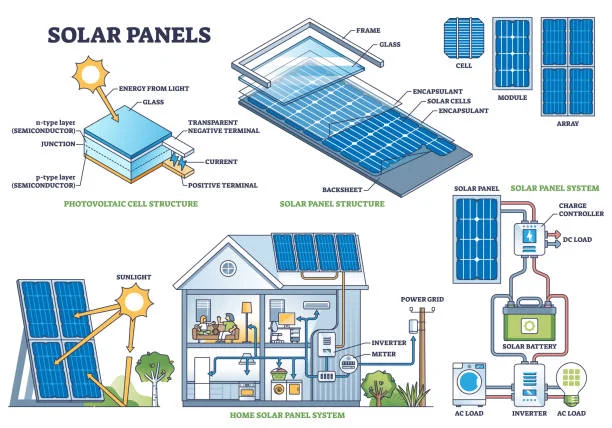
Solar panels power can feel like magic at first glance: sunlight hits a panel, and your home suddenly has usable electricity. In reality, photovoltaic (PV) systems are carefully engineered networks of materials and electronics that convert light into electrical energy in a predictable, measurable way. A PV setup is not just the panels on the roof; it also includes wiring, safety devices, an inverter that converts electricity to a home-ready form, and sometimes a battery that stores energy for later use. Understanding how each component works together helps you make smarter decisions about design, performance expectations, and long-term maintenance. Once the basics are clear, it becomes easier to evaluate quotes, compare system sizes, and understand why shading, orientation, and local weather matter.
From sunlight to usable home power
- The Photovoltaic Effect: Turning Light into Current
At the heart of every solar panel is a physical process called the photovoltaic effect, which converts light into electricity. Solar cells are typically made from silicon that has been treated to form two layers with different electrical characteristics. When sunlight reaches the cell, photons transfer energy to electrons in the silicon, knocking some of them loose so they can move freely. Solar panels cell’s internal structure creates an electric field that pushes these electrons in a particular direction, producing direct current (DC) electricity. This is why panels generate power during daylight and why output changes with sun intensity. The amount of current produced depends on how much light is absorbed and how effectively the cell moves electrons without losses. Temperature also plays a role, because heat can reduce voltage and slightly lower overall power. Even though the science happens at the atomic level, the outcome is practical: a steady flow of DC electricity that can be collected and used.
- Panels as a System: Modules, Strings, and Real-World Output
A single solar cell produces a small amount of electricity, so panels combine many cells into one module, and multiple modules are connected to create a system. When panels are wired together in “strings,” their voltages add, allowing power to flow efficiently to the inverter. This is why system design matters: the number of panels per string must match the inverter’s electrical limits and remain safe across temperature changes. Real-world output is not fixed at the number printed on a panel’s label, because that rating is measured under standardized lab conditions. On a roof, the angle of sunlight changes hour by hour, clouds reduce intensity, and dust or partial shading can lower production. Placement decisions like tilt and direction influence how long the system stays near peak output each day. Homeowners planning solar installation in Los Angeles often focus on producing more power during hot afternoons, when air-conditioning demand is high, and sunlight is usually strong. The goal is to build a layout that performs reliably, not just one that looks good on paper.
- The Inverter’s Role: Making Solar Power Home-Ready
Solar panels generate DC electricity, but most homes use alternating current (AC), which is the standard form delivered by the grid and used by household appliances. Solar panels inverter is the device that converts DC into AC at the correct voltage and frequency so your home can use it safely. This conversion is more than a simple switch; the inverter constantly adjusts to extract maximum power from the panels using a process called maximum power point tracking (MPPT). MPPT responds to changing sunlight and temperature by adjusting the system’s electrical operating point, helping it deliver more usable energy throughout the day. Different inverter architectures handle shading and roof complexity differently. String inverters convert power from an entire group of panels, while microinverters convert power at each panel, often improving performance when some panels are shaded. There are also power optimizers, which sit at the panel level but send DC to a central inverter. Each approach aims to balance efficiency, monitoring detail, and cost.
- Electricity Flow in the Home: Loads, Grid, and Net Metering Basics
Once the inverter produces AC electricity, it flows through your home’s electrical panel and powers whatever devices are running at that moment. If the solar system is producing more than the home needs, the excess typically flows back to the grid through the utility meter, depending on local rules. When the system produces less than the home is using—such as at night or during heavy cloud cover—the home draws the difference from the grid. This back-and-forth movement is central to how many grid-tied solar homes operate. Some regions offer net metering or other billing structures that credit exported energy, while others compensate it differently. Even without diving into policy, the key concept is simple: solar power is first consumed on-site, and only the surplus goes outward. This is why daytime appliance use can affect savings on bills. Running energy-intensive loads when the sun is high can increase self-consumption and reduce the amount of electricity you need to buy later.
- Batteries and Hybrid Systems: Storing Sunlight for Later
Adding a battery changes how a PV system behaves, allowing solar electricity generated during the day to be stored and used after sunset. In a battery-equipped system, the inverter may be a hybrid unit that can manage both solar generation and battery charging. When solar production exceeds household use, the system can charge the battery rather than exporting power to the grid. Later, when the sun is down or grid prices are high, the battery can discharge to support home loads. Batteries are also used for backup power during outages, but the level of backup depends on the system design and which circuits are supported. Storage introduces new considerations: the battery’s usable capacity, maximum charge and discharge rates, and efficiency loss during cycling. Still, the core PV principle remains the same: the panels generate DC, and electronics route that energy to where it is needed. Batteries simply add time-shifting, turning solar from a daytime resource into a more flexible energy supply.
- Performance Factors: Sunlight, Shading, Temperature, and Maintenance
PV systems are sensitive to their environment, and understanding the main performance factors helps explain why output varies day to day. Sunlight intensity is the biggest driver: clear skies and high sun angles produce more energy, while haze and clouds reduce it. Shading is especially important because even a small shadow from a vent pipe or a nearby tree can reduce production on a portion of a string, depending on the wiring and inverter type. Temperature affects voltage, and hotter panels typically produce slightly less power than cooler panels under the same sunlight. This is why airflow under panels and roof material can matter. Over time, dust, pollen, and debris can block light, so occasional cleaning may improve performance in some climates. Monitoring systems help by showing daily generation patterns; if output drops unexpectedly, it may indicate shading growth, a wiring issue, or an inverter alert. Routine maintenance is usually minimal, but staying aware of performance keeps the system dependable.
- Quick Reference: Understanding PV in One Picture
Photovoltaic systems generate electricity by using sunlight to free electrons inside semiconductor cells, creating DC power. Panels group many cells into modules, and modules connect into strings that deliver usable voltage to an inverter. The inverter converts DC to AC so your home can run lights, appliances, and HVAC equipment using solar energy as it is produced. When solar output exceeds your needs, the extra can flow outward, and when it falls short, the grid supplies the difference. Adding a battery lets some daytime energy be stored for evening use and can provide limited backup depending on design. The entire system depends on proper placement, stable wiring, and efficient conversion management.
Solar panels are not mysterious once the system is broken into its core steps: light hits the cells, the photovoltaic effect produces DC electricity, and an inverter converts that energy into AC that your home can use. From there, power first flows to household loads, with any surplus handled through export or storage, depending on your setup. System design choices—like string layout, inverter type, and whether to include a battery—shape how efficiently that energy is captured and how flexible it becomes for daily living. Environmental factors such as shading, heat, and dirt explain why production changes over time, even when the equipment is working normally. With a clear understanding of how PV systems generate electricity, it becomes easier to evaluate options and set realistic expectations for performance and savings.

Technology
IngeBIM Blueprints: Integrating Design, Cost, and Performance into a Unified Engineering System


Introduction to IngeBIM Blueprints
In an era where efficiency and innovation are paramount, the engineering world is constantly evolving. One of the most exciting advancements in recent years is the rise of IngeBIM Blueprints. These blueprints represent a groundbreaking approach to integrating design, cost, and performance into a seamless engineering system. Imagine having all the essential elements consolidated into one powerful framework—streamlining processes and enhancing collaboration across teams.
As projects grow increasingly complex, engineers face challenges that demand more than traditional methods can offer. Enter IngeBIM: a solution designed to not only improve project outcomes but also foster creativity and adaptability within teams. This blog post will explore how IngeBIM Blueprints revolutionize the way we think about engineering by uniting key components like design integrity, cost-efficiency, and performance metrics under one umbrella.
Get ready to dive deep into this transformative tool that’s shaping the future of engineering practices!
The Importance of Integrating Design, Cost, and Performance in Engineering
Integrating design, cost, and performance is crucial in engineering. It creates a holistic view where all elements work together seamlessly. This approach minimizes errors and enhances efficiency.
When these three aspects align, projects become more predictable. Engineers can anticipate costs while ensuring that designs meet performance standards without overspending.
Balancing aesthetics with functionality is essential too. A beautiful structure shouldn’t compromise its integrity or exceed budget constraints. By intertwining design with practical considerations, we achieve innovative solutions that truly stand out.
Moreover, focusing on performance helps identify potential issues early in the process. This proactive strategy avoids costly revisions later on and ensures timely project completion.
Successful integration fosters collaboration among teams. Designers, engineers, and financial analysts can communicate effectively to create value-driven outcomes that satisfy both clients and stakeholders alike.
How IngeBIM Blueprints Work?
IngeBIM Blueprints operate by creating a cohesive digital environment where design, cost estimation, and performance metrics converge. This system utilizes advanced algorithms to analyze project parameters.
Users input relevant data about materials, labor costs, and design specifications. The software then processes this information in real-time. It offers insights into potential challenges or areas for improvement.
Visualization tools allow engineers to interact with the model dynamically. They can manipulate designs instantly and see how changes affect overall performance and budgeting.
Collaboration is vital within IngeBIM Blueprints. Multiple stakeholders can access the same platform simultaneously, ensuring everyone is on the same page throughout the project’s lifecycle.
By fostering an integrated approach, these blueprints streamline decision-making processes. They empower engineers to make informed choices that balance aesthetics with functionality and cost-effectiveness.
Benefits of Using IngeBIM Blueprints
IngeBIM Blueprints offer a streamlined approach to engineering projects. By integrating design, cost, and performance into one system, they enhance collaboration among teams. This synergy leads to more informed decision-making throughout the project lifecycle.
Efficiency is another key benefit. Engineers can visualize changes in real-time, reducing the time spent on revisions and minimizing errors. The immediate feedback loop allows for adjustments before costly mistakes occur.
Moreover, these blueprints foster transparency with stakeholders. Everyone involved has access to consistent data and insights at every phase of development. This openness builds trust and accountability among team members.
Cost management also sees significant improvement with IngeBIM Blueprints. Detailed analyses enable teams to forecast expenses accurately and make budget-conscious choices without sacrificing quality or performance metrics.
Case Studies: Real-Life Examples of Successful Implementation
Several companies have successfully integrated IngeBIM into their workflow, showcasing its transformative power. One notable case is a major construction firm that utilized IngeBIM Blueprints for a large-scale infrastructure project. By aligning design with cost estimates and performance metrics, they achieved significant savings while enhancing structural integrity.
Another example comes from an engineering consultancy that adopted IngeBIM to streamline collaboration among multidisciplinary teams. The result was faster decision-making processes and reduced errors during the design phase. This approach also improved client satisfaction by delivering projects on time and within budget.
In the renewable energy sector, a wind farm developer employed IngeBIM Blueprints to optimize turbine placement based on environmental impact assessments and financial projections. Not only did this enhance efficiency, but it also contributed to sustainable practices in energy production.
These real-life applications illustrate how IngeBIM can revolutionize traditional engineering methods through integration and innovation.
Limitations and Challenges with IngeBIM Blueprints
While IngeBIM Blueprints offer a revolutionary approach, they are not without limitations. One significant challenge is the steep learning curve associated with adopting this system. Engineering teams may require extensive training to leverage its full potential effectively.
Integration with existing systems can pose difficulties as well. Many organizations still rely on traditional methods and software. Transitioning to IngeBIM often requires overcoming resistance from team members accustomed to their old workflows.
Another concern is data security. As projects become increasingly digitized, sensitive information could be vulnerable to breaches or cyberattacks if not adequately protected.
The initial investment for implementing IngeBIM Blueprints can be considerable. Smaller firms might find it challenging to allocate resources while weighing potential returns against upfront costs. This financial burden can slow down adoption rates within the industry.
Future Developments and Impact on the Engineering Industry
The future of IngeBIM is poised for exciting advancements. With the rise of artificial intelligence and machine learning, we can expect more intuitive design tools that streamline workflows and enhance decision-making.
As data analytics becomes increasingly sophisticated, engineers will gain deeper insights into project performance metrics. This transformation promises to optimize resource allocation and minimize waste throughout a project’s lifecycle.
Moreover, the integration of virtual reality (VR) could redefine how stakeholders interact with designs. Immersive experiences allow for real-time feedback and iterative improvements during the planning stages.
Sustainability initiatives will also take center stage as regulatory pressures increase. IngeBIM’s capacity to assess environmental impact early in design processes makes it an essential tool for eco-conscious engineering practices.
Collaboration across disciplines will become seamless through enhanced cloud-based platforms. These developments not only improve communication but also foster innovation by connecting diverse expertise in real time.
Conclusion
IngeBIM Blueprints represent a transformative approach in the engineering industry. By unifying design, cost, and performance into one seamless system, they pave the way for more efficient project management and enhanced decision-making.
The integration of these elements ensures that engineers can create structures that are not only aesthetically pleasing but also financially viable and high-performing. The benefits extend beyond mere efficiency; they foster collaboration among stakeholders, leading to innovative solutions tailored to specific challenges.
Through various case studies, it’s evident that organizations adopting IngeBIM have seen significant improvements in their projects. However, like any new technology or methodology, there are limitations and challenges that need addressing. It’s essential for teams to understand these hurdles as they implement IngeBIM strategies moving forward.
As developments continue within this space, we can expect even greater impacts on how engineering projects are conceived and executed. The future looks bright for those willing to embrace change through tools like IngeBIM.
The journey towards a unified engineering system is just beginning—one fueled by creativity and innovation in design practices across industries.

Introduction to AxelaNote
In a world that moves at lightning speed, staying organized and efficient is more crucial than ever. Welcome to the era of digital note-taking with AxelaNote—a revolutionary tool designed to streamline your thoughts and ideas like never before. Gone are the days of fumbling through notebooks and losing track of important information. With AxelaNote, you can capture every moment in real time, ensuring that your most brilliant ideas are always at your fingertips. Whether you’re a student juggling multiple classes or a professional managing complex projects, this innovative app has something unique to offer everyone. Get ready to discover how AxelaNote can transform the way you take notes!
Features and Benefits of AxelaNote
AxelaNote is packed with features designed to enhance your note-taking experience. Its intuitive interface allows for easy navigation, making it a breeze to jot down thoughts or ideas on the go.
One standout benefit is its cloud synchronization. Whether you switch devices or need access from anywhere, your notes remain updated and secure. Such seamless adaptability is tailor-made for chaotic, on-the-go schedules.
Collaboration tools enable seamless sharing with friends or colleagues. You can work together in real-time, ensuring everyone stays on the same page during projects.
Additionally, AxelaNote integrates powerful search functions. Finding specific notes becomes effortless, saving you valuable time that can be better spent on important tasks.
Customizable templates help users organize information in a way that suits their unique needs. This personalization fosters creativity and improves productivity significantly.
How AxelaNote is Revolutionizing Note-Taking?
AxelaNote is reshaping the way we think about note-taking. It combines cutting-edge technology with user-friendly design, making it accessible for everyone.
With features like cloud synchronization, users can access their notes from anywhere. This flexibility ensures that important ideas are always at your fingertips. Say goodbye to misplaced documents and left-behind notepads.
The powerful search function saves time. You can find specific notes in seconds instead of sifting through piles of paper or scrolling endlessly on digital devices.
Collaboration has never been easier. AxelaNote allows multiple users to work together seamlessly. Teams can share insights and brainstorm in real-time, enhancing productivity.
Customizable templates cater to various needs, whether you’re a student or a professional. Tailoring your workspace boosts creativity and focus, helping you capture thoughts more effectively than ever before.
Real-Life Applications of AxelaNote
AxelaNote shines in various real-life scenarios. Students can effortlessly organize class notes, making study sessions more productive. The app’s tagging system allows for quick retrieval of information when exams approach.
Professionals benefit from its collaboration features. Teams can work on projects together, sharing ideas and feedback in real-time. This streamlines communication and enhances productivity across departments.
Freelancers find AxelaNote invaluable for tracking client meetings and managing deadlines. By storing all vital information in one place, they reduce the risk of missing important details.
Writers use AxelaNote to brainstorm ideas or outline chapters seamlessly. Its intuitive interface supports creativity without distraction.
Even everyday life becomes organized with AxelaNote. Users can jot down grocery lists or plan events with ease, ensuring nothing is overlooked amidst their busy schedules.
Comparison with Traditional Note-Taking Methods
Traditional note-taking often relies on pen and paper. This method can be limiting, as it lacks the flexibility needed in today’s fast-paced world.
With AxelaNote, you gain a dynamic platform that allows for easy organization and retrieval of information. No more flipping through pages to find that one important detail.
Digital note-taking also enables multimedia integration. You can add images, links, or even voice notes seamlessly within your documents.
Collaboration is another key advantage. Working together with peers becomes effortless when using AxelaNote’s sharing features. Traditional methods fall short here; group projects often turn into chaotic paper trails.
Moreover, digital notes are easily searchable. Instead of sifting through stacks of handwritten pages, you can quickly locate any topic with a few keystrokes.
The shift from traditional methods to AxelaNote is not just convenient; it enhances productivity and efficiency in ways paper cannot match.
How to Get Started with AxelaNote?
Getting started with AxelaNote is a breeze. Simply visit the official website to download the app for your device, whether it’s a smartphone, tablet, or desktop.
Once installed, create an account using your email address. This ensures that all your notes are securely saved in the cloud, making them accessible anytime and anywhere.
Explore the user-friendly interface. You’ll find options for creating new notes, organizing them into folders, and even tagging important entries for easy retrieval later on.
Take advantage of helpful tutorials provided within the app. They guide you through advanced features like voice-to-text and collaboration tools that enhance productivity.
Don’t hesitate to customize settings according to your preferences. Personalizing themes and layouts can make note-taking not just efficient but enjoyable as well.
Conclusion
AxelaNote is not just another app; it’s a game-changer in the world of digital note-taking. With its innovative features and user-friendly interface, it addresses common pain points that many users experience with traditional methods. Whether you’re a student looking to streamline your study process or a professional needing to organize thoughts efficiently, AxelaNote caters to all.
The shift from paper-based notes to digital documentation has never been smoother. Users can easily access their notes across devices, collaborate seamlessly with others, and utilize powerful search functions that save time. The ability to incorporate multimedia elements enhances the way information is captured and retained.
Real-life applications are vast—students preparing for exams can create organized study materials while professionals might compile project updates effortlessly. Its versatility makes AxelaNote suitable for diverse needs.
When compared with traditional note-taking methods, AxelaNote stands out through its efficiency and adaptability. No more lost papers or scribbled handwriting challenges; this tool provides clarity at your fingertips.
Getting started is simple as well. Downloading the application opens up a world of possibilities for effective organization and productivity enhancements.
With AxelaNote at your side, embracing change in how we take notes becomes an exciting journey rather than a daunting task.

Introduction to GE Translator
Are you looking to bridge the language gap between Georgian and German? Look no further than GE Translator. In today’s globalized world, effective communication is vital, and having reliable translation tools can make all the difference. Whether you’re a student, a traveler, or someone working in international relations, GE Translator offers an intuitive platform designed specifically for translating these two rich languages.
Imagine effortlessly converting complex phrases from Georgian to German or vice versa with just a few clicks. With its user-friendly interface and robust features, this tool empowers users to navigate linguistic challenges with confidence. Let’s dive into what makes GE Translator stand out in the crowded field of translation services.
Features and Benefits of GE Translator
GE Translator is designed with user experience in mind. Its intuitive interface makes it accessible for everyone, whether you are a novice or an expert in translation.
One standout feature is its real-time translation capability. By generating rapid-fire conversions on the spot, the platform eliminates conversational friction and keeps your dialogue moving naturally.
The tool supports a variety of formats including text, voice, and even images. You can translate written documents or have conversations on the go effortlessly.
Another significant benefit is its advanced language algorithms that improve accuracy over time. The system actively learns from your ongoing interactions, steadily sharpening its accuracy with every session.
Additionally, GE Translator offers offline capabilities. This means users can access translations without needing constant internet connectivity—ideal for travel or remote areas where data may be limited.
With regular updates and improvements based on user feedback, GE Translator continues to evolve and meet diverse needs effectively.
How Does GE Translator Work?
GE Translator operates through advanced algorithms that analyze language patterns. It utilizes machine learning to enhance accuracy over time.
When you input text, the tool breaks it down into smaller components. This allows for a more precise translation by understanding context and grammar nuances.
The software then cross-references vast databases of Georgian and German phrases. This extensive database helps in providing relevant translations tailored to the specific context of your request.
Additionally, GE Translator supports real-time processing. You can see translations almost instantly, making it perfect for quick communication or casual conversations.
As users continue to engage with the tool, its capabilities improve further due to continuous data training from diverse sources. This adaptability ensures that GE Translator remains reliable for various translation needs in both languages.
Step-by-Step Guide on Using GE Translator
Using GE Translator is straightforward and user-friendly. Start by visiting the official website or downloading the app on your device.
Once you’re on the platform, select your desired languages—Georgian and German—in the dropdown menus. This sets up your translation environment.
Next, type or paste the text you want to translate into the designated input box. You can also upload documents for a more comprehensive translation experience.
After entering your content, hit the “Translate” button. The tool will process your request swiftly.
In just seconds, you’ll see accurate translations appear below. Review them carefully; sometimes context can change meanings slightly.
If adjustments are needed, make edits directly in the input field and retranslate as necessary. The flexibility of GE Translator allows for quick corrections without hassle.
Tips for Accurate Translations with GE Translator
To achieve the best results with GE Translator, start by inputting clear and concise text. Steer clear of localized jargon and colloquial phrases, as these elements often get lost or distorted in machine translation.
When translating longer sentences, consider breaking them into smaller phrases. This approach helps maintain context and ensures accuracy in translation.
Review the output carefully. Sometimes, automated translations can miss nuances or cultural references. If something feels off, try rephrasing your original text for clarity.
Utilizing the glossary feature is another great way to enhance your translations. Adding specific terms can make a significant difference when dealing with specialized vocabulary.
Don’t hesitate to use multiple sources if needed. Cross-referencing different tools can provide you with a more rounded understanding of complex phrases in both Georgian and German languages.
Comparison with Other Translation Tools
When comparing GE Translator with other translation tools, its specialized focus on Georgian and German languages stands out. Many general translators lack the nuanced understanding necessary for these specific tongues.
While popular platforms like Google Translate offer broad language support, they often miss cultural context. GE Translator’s bridges this gap effectively.
Another advantage is its user-friendly interface. Unlike some competitors that can feel overwhelming, GE Translator’s keeps things simple. This makes it accessible for all users.
Additionally, accuracy is a key factor. Users frequently report that translations from GE Translator’s capture subtleties more accurately than those from larger services.
Cost can also be a consideration; many alternatives charge premium fees for advanced features, whereas GE Translator’s offers robust services at competitive rates without sacrificing quality or efficiency.
Conclusion: Why GE Translator is the Best Option for Georgian and German Translation Needs?
For those navigating the complexities of Georgian and German languages, GE Translator’s stands out as a top choice.Designed with an intuitive layout, the platform welcomes complete newcomers while fully satisfying the needs of seasoned pros. The range of features—from real-time translations to contextual understanding—ensures that you receive accurate results tailored to your needs.
With an emphasis on not just direct translations but also cultural nuances, GE Translator’s allows users to engage with the language meaningfully. Compared to other translation tools, its specificity in handling Georgian and German phrases is unmatched.
Whether you’re translating documents for business or simply exploring these rich cultures through conversation, GE Translator’s provides a reliable solution. It combines ease of use with impressive functionality, making it an indispensable tool in today’s globalized world. For anyone seeking efficient and precise translations between these two languages, GE Translator is undoubtedly a wise investment for your linguistic journey.

3 Signs It’s Time To Take Your Pet To An Animal Hospital

The Link Between Oral Posture And Preventive Dental Care

How Accounting Firms Help Businesses Navigate Digital Transformation

4 Reasons To Choose A General Dentist For Your Household’s Care

What to Look for in Comprehensive Care for Long-Term Oral Wellness
-

 General2 months ago
What Is Felixing? The Truth Behind a Junk Keyword
-

 Health9 months ago
Lufanest: Effective Local Anesthesia with Fewer Risks
-

 Entertainment3 months ago
هنتاوي.com: Your Gateway to Arabic Anime Content
-

 General10 months ago
bardoek: The Artistic Heritage Inspiring Modern Creative Trends
-

 General9 months ago
Discover Anonib AZN: An Anonymous Asian Forum
-

 Fashion2 months ago
Fashionisk .com Explained: A Closer Look Before You Click
-

 Technology10 months ago
Aponeyrvsh: A Modern Framework for Innovation and Resource Use
-

 Lifestyle10 months ago
Mariano Iduba: A Visionary Leader in Global Digital Growth