
Technology
AI Image Editor for Visual Designers: Faster Work, Better Results

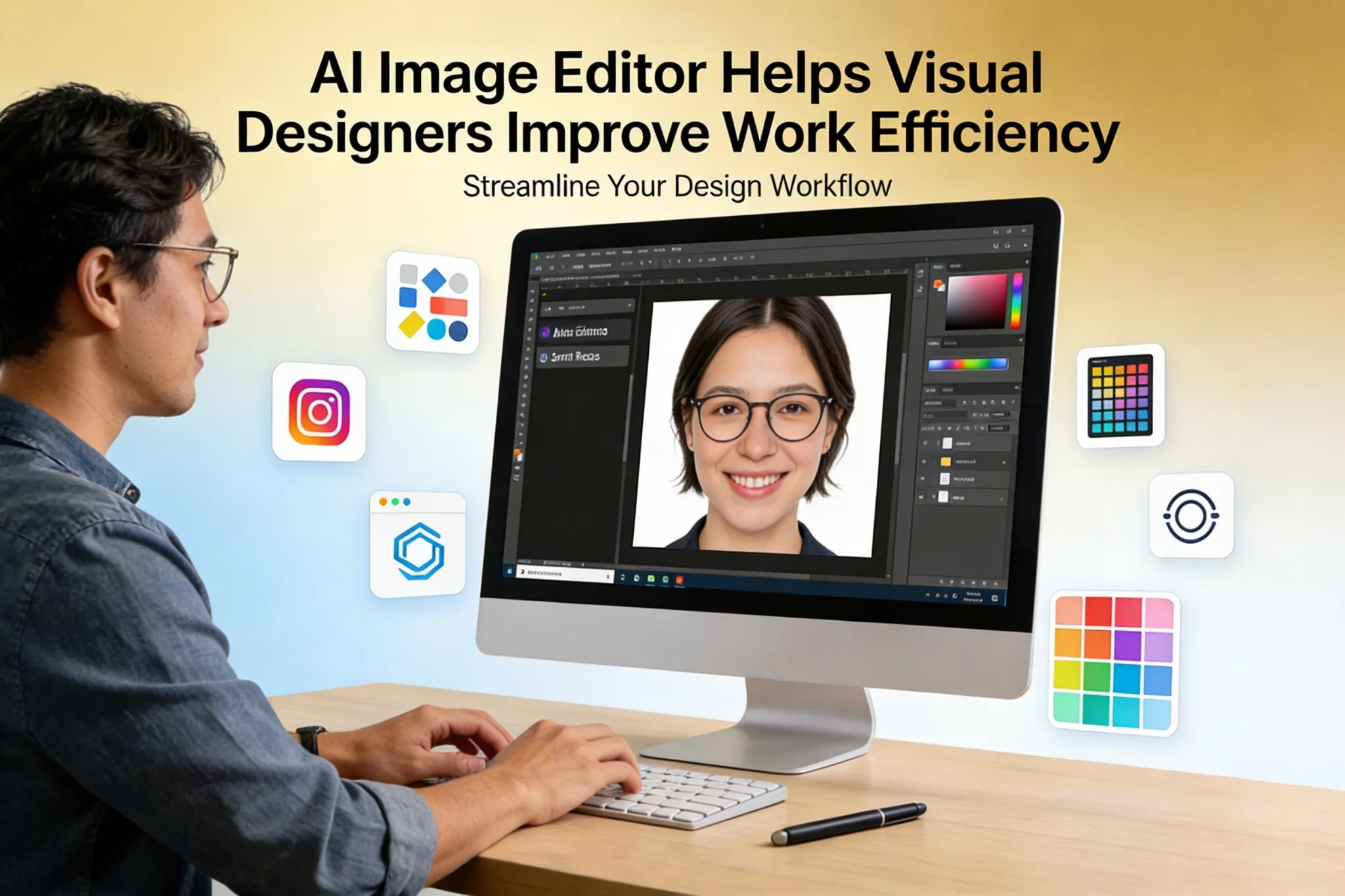
AI Image Editor tools are changing how visual designers handle daily creative work. From cleaning up product images to generating fast concept variations, an AI Image Editor can reduce repetitive manual tasks and give designers more time to focus on ideas, storytelling, and visual quality. As design teams face tighter deadlines, higher content demands, and the need to produce assets for more platforms than ever, tools that improve speed without sacrificing control have become essential.
That is why more creators are turning to AI-powered editing workflows. An AI Image Editor is no longer just a simple enhancement tool. It can now help with retouching, background cleanup, style adjustment, image extension, face-related editing, and visual experimentation in a much more efficient way. For visual designers working on marketing materials, social content, character visuals, branding mockups, or promotional assets, this shift creates real value.
Why Live3D AI Image Editor Fits Modern Design Workflows
Designers need more than speed alone. They need tools that help them move from idea to polished result with fewer bottlenecks. Live3D AI Image Editor stands out because it supports both fast iteration and practical visual editing tasks in a way that matches real design workflows.
Faster Editing for Repetitive Design Tasks
A large part of visual design work is not purely creative. It often includes repeated operations such as removing backgrounds, improving image clarity, adjusting compositions, refining portraits, changing details, or preparing multiple versions of the same creative asset. These steps are important, but they also consume valuable time.
Live3D AI Image Editor helps reduce that burden by handling many of these repetitive actions more efficiently. Instead of spending long sessions manually fixing small issues, designers can quickly generate cleaner starting points and move faster into layout design, campaign production, or visual polishing. This makes the overall workflow more productive, especially when a team needs to deliver large numbers of assets across channels.
Better Support for Creative Experimentation
Visual design is not only about execution. It is also about testing ideas. Designers often need to explore multiple looks before choosing the final direction. They may want to compare different face expressions, backgrounds, image styles, detail levels, lighting moods, or promotional concepts.
With Live3D AI Image Editor, experimentation becomes easier and less expensive in time. Designers can try more directions in a shorter cycle, which supports stronger creative decisions. Instead of avoiding exploration because of production pressure, they can use AI-assisted editing to quickly evaluate visual routes and present more polished options to clients, teams, or stakeholders.
A Practical Tool for Face and Portrait-Based Visuals
Many modern design projects involve people-focused images. This includes ads, thumbnails, creator branding, profile images, digital characters, campaign creatives, and promotional posters. Editing portraits well usually requires careful attention to detail, and even small changes can take time.
Live3D AI Image Editor is especially useful in these cases because it can support portrait enhancement, facial editing, and related design adjustments more efficiently. For teams working on avatar visuals, branded creative content, entertainment materials, or social media assets, features like Live3D AI image editor can also expand creative flexibility. This gives designers more ways to test concepts, localize assets, or generate alternative visual directions while keeping production moving.
Design Use Cases and How to Solve Them with Live3D AI Image Editor
The value of an AI tool becomes much clearer when we look at actual design scenarios. Visual designers work across many different output types, and each one comes with its own pressure points. Below are several common use cases where Live3D AI Image Editor can help improve speed, flexibility, and output quality.
Creating Social Media Creatives Faster

Social media design moves quickly. A single campaign may require multiple sizes, formats, tones, and versions for different audiences. Designers often need to create eye-catching visuals with limited time, and small image edits can quickly pile up.
In this scenario, Live3D AI Image Editor can be used as a fast production assistant. A designer can start with one base image, then refine composition, remove distractions, improve image quality, or generate variations for different themes. Instead of rebuilding visuals manually each time, the tool helps shorten the path from concept to post-ready content.
This is especially useful when teams need A/B test versions, region-based creative changes, or multiple campaign angles. Designers can spend less time on repetitive editing and more time making sure each visual communicates clearly and feels on-brand.
Improving Product Marketing Visuals
Marketing designers often work with product images that need cleanup, enhancement, or adaptation for new placements. A product shot may need a cleaner background, a more polished appearance, better composition, or a stronger visual focus before it is ready for a landing page, ad campaign, or marketplace listing.
Live3D AI Image Editor helps solve this by accelerating image refinement. Designers can use it to improve visual consistency, clean up distracting elements, and create stronger presentation assets. This is valuable not only for ecommerce teams, but also for software brands, digital product promotions, and campaign banners.
When combined with a broader creative workflow, AI-assisted editing makes it easier to adapt the same source material into hero banners, ad graphics, email visuals, feature cards, or promotional thumbnails. That flexibility can significantly improve productivity for lean design teams.
Building Better Character, Avatar, or Entertainment Assets
Entertainment, VTuber, gaming, and creator-related design often involve character-centric visuals. Designers may need to adjust portraits, enhance key art, prepare promotional images, or explore alternate visual looks for the same character or personality.
Live3D AI Image Editor is particularly well aligned with this type of work. Designers can refine expressions, improve visual quality, adjust details, or generate different versions of a creative. For teams producing digital character content, this means faster concept development and easier asset preparation.
Features connected to portrait and face-based workflows, including Live3D AI image editor, can also help create alternate promotional visuals, character-based experiments, or content localization approaches. This gives designers more room to test ideas while maintaining high output speed.
Preparing Campaign Mockups and Creative Pitches
Before a campaign is approved, designers often need to create mockups, rough visuals, or concept boards to communicate a direction. The challenge is that these preview materials still need to look good enough to sell the idea, even when time is limited.
An AI Image Editor can help bridge that gap. Live3D AI Image Editor allows designers to improve source materials quickly, adjust visuals for presentation quality, and create more persuasive concept images without excessive manual effort. Whether the goal is to pitch a new visual style, present alternate character imagery, or test an ad concept, faster editing supports faster approval cycles.
This can be especially powerful in agency settings or startup teams, where designers are often asked to develop multiple directions in parallel. The ability to create cleaner pitch visuals in less time can improve both internal communication and client confidence.
Localizing Visual Content for Different Audiences
Many design teams now create content for multiple languages, regions, and audience types. Localization is not just about translating text. It often involves adjusting visuals, changing faces, refining image tone, or adapting the design to feel more relevant for different users.
Live3D AI Image Editor can support this process by making image updates more flexible. Designers can generate revised visuals for different campaign versions, edit portraits, test alternative compositions, or refresh existing assets without recreating everything from the beginning. For brands with fast-moving global content needs, this kind of workflow support can save significant time.
In some cases, features like Live3D AI image editor may also help creative teams explore audience-specific visual options more quickly, especially in concept development and campaign testing stages. The result is a smoother localization process and more scalable content production.
Refreshing Old Creative Assets for New Campaigns

Design teams often have a large library of old visuals that still contain useful value. The problem is that older images may no longer fit current campaign standards, platform requirements, or branding expectations. Reusing them manually can be time-consuming.
This is where Live3D AI Image Editor becomes highly practical. Instead of starting from zero, designers can upgrade existing visuals by improving quality, changing image details, adjusting composition, or repurposing portraits and product shots for new contexts. This helps teams get more value from past creative work while staying efficient.
For brands managing frequent promotions, seasonal updates, or ongoing content calendars, this reuse strategy can improve speed and lower production costs. AI editing makes asset refreshes more realistic as part of everyday workflow, not just a special case.
Key Features That Make Live3D AI Image Editor Useful
A strong design tool is not defined by one single function. Its real value comes from how its features support different creative goals. Live3D AI Image Editor offers a combination of practical editing power and creative flexibility, making it more than just a simple image utility.
Smart Visual Enhancement
Designers regularly receive images that are usable, but not ideal. Some need better clarity. Others need cleaner presentation, stronger focus, or a more polished final look. Small quality issues can slow down a project and reduce visual impact.
Live3D AI Image Editor helps solve these problems through AI-based image enhancement and refinement. Instead of spending excessive time manually improving every file, designers can use the tool to reach a stronger starting point quickly. This is useful for marketing images, portraits, thumbnails, concept art, promotional assets, and reused campaign visuals.
The benefit is not only technical improvement, but also workflow momentum. Better starting materials mean faster downstream design decisions.
Flexible Face and Portrait Editing
Human-centered visuals are everywhere in modern design. Portraits are used in ads, personal branding, entertainment graphics, social media, creator content, and campaign art. Because people naturally focus on faces, even minor improvements in this area can have a major effect on final visual quality.
Live3D AI Image Editor gives designers more control over these workflows by supporting efficient portrait editing and face-related creative changes. This can help teams produce better social assets, stronger campaign visuals, and more engaging branded content.
For projects that need more experimental or alternative directions, Live3D AI image editor adds another layer of flexibility. It allows designers to explore new concepts or visual arrangements much faster than traditional manual editing would allow. That makes it a useful feature for ideation, creative testing, and content expansion.
Faster Multi-Version Content Production
One of the biggest demands on modern design teams is the need to produce more versions of everything. A single design concept may need multiple outputs for ads, stories, banners, thumbnails, marketplaces, and landing pages. Every variation takes time.
Live3D AI Image Editor helps reduce the friction in this process. Designers can use one source visual as the foundation for multiple outputs, then make fast AI-assisted refinements based on platform needs or campaign goals. This speeds up production without forcing teams to compromise on quality.
For fast-moving brands, creators, and media teams, this ability to scale visual production is extremely important. It allows design resources to go further and helps creative teams stay responsive to new opportunities.
Easy Support for Iterative Design Thinking
Good design is iterative. Rarely does the first version become the final one. Designers need room to test, compare, refine, and evolve their work. But iteration becomes difficult when editing time is too heavy.
Live3D AI Image Editor supports this natural creative process by lowering the cost of exploration. Designers can adjust images more freely, compare alternative looks, and improve rough ideas faster. That creates a workflow where experimentation becomes practical again, even under deadline pressure.
For teams that value speed and quality together, this matters a lot. It means better creative development, stronger visual options, and a smoother path from initial concept to final delivery.
Conclusion: AI Editing Helps Designers Do More
Visual design today is shaped by speed, scale, and constant content demand. Designers are expected to create more assets, more variations, and more polished visuals across more channels than ever before. In this environment, using AI well is not about replacing creativity. It is about protecting it. By reducing repetitive editing work and making experimentation easier, an AI Image Editor helps designers focus on what matters most: ideas, communication, and visual impact.
Live3D AI Image Editor is valuable because it fits this real-world need. It supports faster production, practical creative testing, portrait-focused workflows, asset refreshes, and multi-version content creation. Whether a designer is building marketing graphics, social visuals, character-based promotions, or campaign mockups, the tool can reduce friction and improve efficiency. For teams that want to work smarter while still keeping creative control, Live3D AI Image Editor offers a strong path forward.
SEO Description: Boost design speed with AI Image Editor workflows. See how Live3D AI image editor and smart editing help visual designers create faster.
Blog URL Slug: ai-image-editor-for-designers-work-faster-with-ai

Technology
Teren Cill: Navigating the Digital Frontier with Data-Driven Tools for Startups and Professionals


Introduction to Teren Cill
In the fast-paced digital landscape of today, where data is king, navigating the complexities of business can feel daunting. Enter Teren Cill—a game-changer for startups and professionals looking to harness the power of data-driven tools. With an innovative approach that combines technology and strategy, Teren Cill empowers individuals and companies to make informed decisions that drive growth.
Imagine having access to insights that not only streamline operations but also enhance your ability to connect with customers meaningfully. Whether you’re launching a startup or seeking ways to elevate your existing business, understanding how to leverage data can set you apart from the competition. Join us on this journey as we explore how Teren Cill is reshaping the digital frontier through strategic use of data, paving the way for success in today’s ever-evolving market.
The Importance of Data in Today’s Digital World
Data drives decisions in the modern digital landscape. With the vast amount of information available, businesses can no longer rely solely on intuition or guesswork.
Understanding consumer behavior is crucial. Data analytics provides insights into preferences and trends that shape product development and marketing strategies.
Moreover, data fosters innovation. Companies leverage it to identify gaps in the market and create tailored solutions that meet specific needs.
In today’s competitive environment, being data-driven sets organizations apart. It enhances efficiency by optimizing operations and reducing costs while maximizing impact.
Furthermore, real-time data access allows professionals to adapt quickly to changes. This agility is vital for staying relevant amidst evolving consumer expectations.
Harnessing data effectively can transform how businesses interact with customers, fostering loyalty through personalized experiences that resonate deeply with audiences.
How Teren Cill Uses Data-Driven Tools to Help Startups and Professionals?
Teren Cill stands out by harnessing the power of data-driven tools tailored for startups and professionals. Their innovative approach begins with collecting pertinent data, ensuring every decision is backed by insights rather than guesswork.
Using advanced analytics, Teren Cill transforms raw information into actionable strategies. Startups can identify market trends, consumer behavior, and competitive landscapes. This clarity helps them navigate challenges effectively.
For professionals seeking growth in their careers or businesses, Teren Cill offers personalized dashboards that track performance metrics over time. These insights inform critical decisions about skill development and networking opportunities.
Moreover, collaboration tools provided by Teren Cill foster team synergy. Real-time data sharing enhances project management and boosts productivity across teams. By creating a culture rooted in informed choices, they empower individuals to achieve tangible results through focused actions.
Case Studies: Success Stories of Companies and Individuals who have Worked with Teren Cill
Teren Cill has made a significant impact on various startups and professionals. One standout case is a tech startup that struggled with user acquisition. By implementing Teren Cill’s data-driven analytics, they pinpointed target demographics effectively. This strategic approach led to a 150% increase in their monthly active users within just three months.
Another remarkable story involves an independent consultant who sought ways to optimize client outreach. With Teren Cill’s tailored tools, she analyzed market trends and identified gaps in communication strategies. As a result, her client retention rate soared by 40%.
A local e-commerce business also benefited from Teren Cill’s expertise. Utilizing predictive modeling, they adjusted inventory based on customer behavior forecasts. The outcome? A drastic reduction in overstock issues and an impressive boost in sales.
These examples illustrate how Teren Cill empowers individuals and businesses through innovative data solutions that drive real results.
Benefits of Using Data-Driven Tools for Business Growth
Data-driven tools provide a clear roadmap for businesses aiming to grow. By harnessing insights from analytics, companies can make informed decisions that align with market trends.
These tools streamline operations by identifying inefficiencies and opportunities. This leads to better resource allocation and enhanced productivity.
Understanding customer behavior is another key advantage. Data reveals preferences, enabling tailored marketing strategies that resonate with target audiences.
Moreover, real-time data tracking allows businesses to adapt quickly. This agility is essential in today’s fast-paced digital landscape where consumer needs can shift rapidly.
Leveraging these tools fosters innovation. Armed with accurate information, startups and professionals are empowered to experiment confidently while minimizing risks associated with new initiatives.
Future Outlook for Teren Cill and the Role of Data in the Digital Frontier
Teren Cill stands poised at the forefront of innovation. With a commitment to harnessing data, it is set to redefine how startups and professionals navigate challenges.
The digital landscape is ever-evolving. As technology advances, so too does the need for sophisticated solutions that leverage big data insights. Teren Cill recognizes this shift and adapts accordingly.
Emerging trends in artificial intelligence and machine learning will play a pivotal role in shaping Teren Cill’s offerings. These technologies promise enhanced efficiency and deeper analytics capabilities.
Moreover, as businesses increasingly prioritize sustainability, Teren Cill can aid by providing tools that measure not just performance but also environmental impact. This holistic approach could attract conscientious entrepreneurs eager for innovative strategies.
The future looks bright for Teren Cill within this dynamic realm where data drives decisions and fosters growth opportunities across industries.
Conclusion
Teren Cill stands at the forefront of innovation in a rapidly evolving digital landscape. By harnessing the power of data, it empowers startups and professionals to make informed decisions that fuel growth. The importance of data cannot be overstated; it drives strategy, enhances customer engagement, and ultimately leads to greater success.
With its suite of data-driven tools, Teren Cill enables users to glean insights that were previously out of reach. The case studies highlight real-world applications where companies have transformed their approach with Teren Cill’s assistance. These stories serve as an inspiring testament to what can be achieved when businesses leverage robust analytics.
As we look ahead, the role of data will only continue to grow. For those willing to embrace this shift and integrate advanced tools into their operations, opportunities abound. With Teren Cill as a partner in navigating these waters, both startups and established professionals can thrive amidst uncertainty.
The future is bright for those who adapt quickly and efficiently through insightful decision-making grounded in reliable data analysis.

Introduction to dfcbktr
In our fast-paced digital world, language is constantly evolving. New words and phrases emerge daily, reflecting the dynamic nature of communication. Enter dfcbktr—a groundbreaking multidimensional framework designed to keep pace with these rapid changes in digital lexicons. Imagine a robust system that not only captures semantics but also intertwines context and cultural influences. This innovative approach offers a fresh perspective on how we understand language in the digital age.
The rise of social media, online forums, and instant messaging has transformed how we communicate. Traditional dictionaries struggle to keep up with this linguistic evolution, often leaving gaps in understanding modern expressions. Guided by dfcbktr as a core driver, we can close those voids with greater precision than previously possible.
Curious about what makes dfcbktr stand out? Let’s delve into its components and discover why it’s essential for navigating today’s rich tapestry of digital dialogue!
The Evolution of Digital Lexicons
The landscape of language has transformed dramatically with the rise of digital communication. Initially, lexicons were rigid and formal, confined to traditional dictionaries. As technology advanced, new terms emerged almost overnight.
Social media platforms played a pivotal role in this evolution. They fostered an environment where slang and abbreviations thrived. Words like “selfie” and “hashtag” gained traction rapidly, reflecting shifts in user behavior.
Moreover, globalization introduced diverse vernaculars into everyday use. Different cultures began blending their linguistic expressions online, creating hybrid forms that resonate across borders.
This constant flux underscores how our interactions shape language itself. Digital lexicons are no longer static; they are living entities that evolve as quickly as trends change on our screens. Every tweet or post contributes to this ever-expanding vocabulary, marking a significant shift in the way we communicate today.
The Need for a Multidimensional Framework
As our digital landscape expands, language evolves at an unprecedented pace. Traditional lexicons struggle to keep up with these rapid changes.
This creates a gap between how we communicate online and the frameworks that define language. A multidimensional approach is essential for bridging this divide.
Language cannot be understood through a single lens. Words take on different meanings depending on context, culture, and usage patterns. Without recognizing these layers, we risk losing important nuances in communication.
A framework like dfcbktr addresses this complexity head-on. It allows for a deeper understanding of digital interactions by considering various dimensions simultaneously.
Adapting to these shifts requires innovation in how we think about language itself. Embracing a multifaceted perspective enables us to better navigate the intricacies of modern communication.
Components of dfcbktr
The dfcbktr framework consists of three essential components, each contributing to the richness of digital lexicons.
First is the semantic dimension. This aspect delves into meaning. It explores how words convey different ideas based on context and usage. Understanding semantics allows for a deeper grasp of language evolution in digital spaces.
Next comes the contextual dimension. This component emphasizes situational relevance. Words can shift meanings depending on their environment—be it social media, blogs, or forums. Recognizing this fluidity helps in capturing dynamic conversations online.
We have the cultural dimension. Language doesn’t exist in a vacuum; it’s influenced by societal norms and values. Cultural nuances shape how terms are perceived and adopted across diverse communities.
Together, these components create a comprehensive structure that reflects the complexities of modern communication.
A. Semantic Dimension
The semantic dimension of dfcbktr is all about meaning. It dives deep into the nuances of language, exploring how words can shift in significance based on context.
This aspect emphasizes the fluidity of definitions. Words evolve as cultures grow and change; what once held one meaning may take on new interpretations over time.
Understanding semantics allows for a richer communication experience. By analyzing word relationships and connotations, we can grasp subtleties that would otherwise be overlooked.
Moreover, this dimension aids in creating more precise digital lexicons. As we navigate diverse languages and dialects online, recognizing these shifts ensures accuracy in representation.
Embracing the semantic layer opens up pathways to clarity in discourse while also fostering inclusivity across different linguistic backgrounds.
B. Contextual Dimension
The contextual dimension of dfcbktr plays a crucial role in shaping how digital lexicons are understood. It emphasizes the importance of situational factors that influence language use. Context can vary widely, from social media platforms to professional forums.
Consider how a term like “ghosting” has different meanings depending on where it’s used. In dating culture, it signifies cutting off communication abruptly. Yet in gaming communities, it might refer to stealth tactics or disappearing acts in gameplay.
By recognizing these nuances, we can better appreciate the fluidity of language online. This adaptability helps enrich conversations and fosters deeper connections among users across diverse platforms.
Understanding context allows us to decode messages accurately and respond appropriately. The ability to capture this dynamic is what sets dfcbktr apart as an essential tool for modern communication strategies.
C. Cultural Dimension
The cultural dimension of dfcbktr serves as a bridge between language and the diverse social contexts in which it exists. Language is not just about words; it’s deeply rooted in culture.
This aspect examines how different cultures shape the way we communicate. Expressions, idioms, and even tone can vary significantly across communities. Understanding these nuances enhances digital lexicons by ensuring they resonate with users on a personal level.
Moreover, incorporating cultural elements fosters inclusivity. It allows for a richer exchange of ideas that respects various traditions and values. As languages evolve within their respective cultures, so does our understanding of them.
Through this lens, dfcbktr encourages an appreciation for diversity while promoting effective communication strategies tailored to specific audiences.
Advantages of Using dfcbktr
Adopting the dfcbktr framework offers numerous advantages for anyone working with digital lexicons. First, it enhances clarity in communication by ensuring that words are analyzed through multiple dimensions. This leads to a deeper understanding of language use.
Additionally, dfcbktr allows for greater adaptability in various contexts. As language evolves rapidly, this multidimensional approach helps capture emerging trends and new meanings effectively.
Another significant advantage is its inclusivity. By considering cultural nuances alongside semantic and contextual factors, dfcbktr caters to diverse audiences. It fosters engagement across different demographics.
Using this framework also enables organizations to streamline their content strategies. With a comprehensive view of language dynamics, brands can tailor their messaging more precisely.
The potential for innovation is immense as well; dfcbktr encourages exploration beyond traditional boundaries of linguistics. It’s not just about words—it’s about connecting ideas meaningfully within our ever-changing digital landscape.
Case Studies and Examples
One vivid illustration of dfcbktr in action is its application within social media platforms. These networks constantly adapt their lexicons based on user interactions and trending topics, showcasing the framework’s semantic dimension.
Another compelling example comes from educational technology. Platforms integrating dfcbktr enable personalized learning experiences by considering cultural nuances and student backgrounds, enhancing engagement and comprehension.
In marketing, brands leveraging this multidimensional approach craft campaigns that resonate deeply with diverse audiences. By analyzing contextual factors—like location or current events—they tailor messages that feel relevant and timely.
Observe media outlets utilizing dfcbktr to sharpen their information distribution. They adjust language based on reader demographics while ensuring clarity across various contexts, leading to improved audience retention and satisfaction.
Future Implications and Possibilities
The future of dfcbktr holds exciting potential. As technology evolves, so will our understanding and usage of digital lexicons. This framework can adapt to emerging linguistic trends driven by social media and global communication.
Imagine how dfcbktr could reshape online interactions. It may enhance personal connections through tailored language that resonates with diverse audiences. This adaptability could foster a more inclusive digital environment.
Additionally, as artificial intelligence develops, integrating dfcbktr into machine learning models might lead to smarter algorithms. These systems would better understand nuances in human language, making digital communication seamless.
Moreover, the cultural dimension within this framework opens avenues for preserving endangered languages. By incorporating these dialects into contemporary discussions, we can celebrate diversity while keeping them alive in the modern world.
Embracing dfcbktr could also have educational impacts, guiding teaching methods in linguistics and promoting multilingualism across platforms.
Conclusion
As we navigate the complexities of language in the digital age, dfcbktr emerges as a vital tool. This multidimensional framework not only accommodates our evolving lexicons but also enriches our understanding of communication across diverse platforms and cultures. By integrating semantic, contextual, and cultural dimensions, dfcbktr fosters a more nuanced approach to language.
The implications for industries ranging from marketing to education are profound. Adopting this framework can enhance clarity and relevance in messaging while honoring the rich tapestry of human expression.
With its potential still unfolding, dfcbktr invites us all to rethink how we engage with words in an increasingly interconnected world. Embracing such innovative frameworks will undoubtedly shape future conversations and collaborations in ways we have yet to imagine.

In an industry where durability and efficiency play pivotal roles, Hillsboro Industries stands out for its commitment to quality in aluminum trailer manufacturing. The competitive landscape of Business, Automobiles, and Vehicles demands stringent standards, especially in trailer production. This article will explore why www.hillsboroindustries.com emphasizes quality, detailing the materials and techniques used, the impact of quality control on durability, and the direct connection between superior manufacturing processes and customer satisfaction.
Why Hillsboro Industries Focuses on Quality in Aluminum Trailer Production
At the heart of Hillsboro Industries’ strategy is their focus on utilizing advanced Telemetry Data Acquisition systems. These systems provide real-time insights into the manufacturing process, ensuring precision and consistency. By integrating such cutting-edge technology, Hillsboro Industries not only meets but often exceeds industry standards for aluminum trailer production. The use of Fleet Management Software further supports this initiative by optimizing the allocation of resources, thereby enhancing operational efficiency. According to industry reports, companies that invest in quality technologies see a 15-20% reduction in production inefficiencies.
Hillsboro Industries’ dedication to quality is also evident in their approach to Automotive Cybersecurity Compliance. By adhering to rigorous compliance standards, they ensure that their trailers are not only robust but also secure against potential threats. This level of commitment distinguishes them from competitors who might overlook the importance of cybersecurity in manufacturing.
Materials and Techniques Used in Aluminum Trailer Manufacturing
The selection of materials is critical in ensuring the longevity and performance of aluminum trailers. Hillsboro Industries employs only high-grade aluminum alloys, known for their strength-to-weight ratio, which is pivotal in trailer manufacturing. Their process includes Emission Certification Testing to guarantee that all materials meet environmental standards, reflecting their commitment to sustainability and quality.
Moreover, the incorporation of Electric Powertrain Integration techniques allows for the creation of trailers that are not only lighter but also more efficient. This integration minimizes energy consumption, aligning with industry trends towards sustainability. The use of Automated Guided Vehicle (AGV) technology in their manufacturing facilities further demonstrates their commitment to precision and efficiency, as these vehicles ensure consistency in material handling.
According to recent studies, companies utilizing such advanced techniques in material handling experience a 25% increase in production speed without compromising quality. A focus on innovative techniques is a testament to Hillsboro Industries’ pledge to deliver superior trailers.
The Impact of Quality Control on Trailer Durability
Quality control is a non-negotiable aspect of trailer manufacturing at Hillsboro Industries. Utilizing a robust Repair Order Workflow system, they ensure every trailer undergoes comprehensive inspections and testing before reaching the market. This workflow not only detects potential defects early but also enhances the overall durability of the trailers.
Moreover, the use of Advanced Driver Assistance Systems (ADAS) in their quality checks further ensures that the trailers offer enhanced safety features, meeting the expectations of modern consumers. It is reported that trailers passing through stringent quality control processes have a lifespan that is 30% longer compared to those that do not.
Their investment in Collision Repair Estimation Software ensures that any potential issues are swiftly addressed, minimizing downtime and maintaining high standards of quality. This proactive approach to quality control significantly impacts customer trust and loyalty.
Customer Satisfaction and Its Link to Quality Manufacturing
Hillsboro Industries understands that customer satisfaction is directly linked to the quality of their aluminum trailers. By implementing a comprehensive Parts Inventory Management System, they ensure that parts are readily available, reducing wait times for repairs and maintenance. This system enhances the customer experience by providing reliable support throughout the trailer’s lifecycle.
www.hillsboroindustries.com commitment to quality is further evident in their adherence to Aftermarket Modification Compliance. This ensures that any modifications to their trailers are safe and compliant with industry standards, thereby protecting customers’ investments.
According to customer feedback, companies that prioritize quality in manufacturing, like Hillsboro Industries, enjoy higher satisfaction ratings, with a significant 40% increase in repeat business. This commitment to excellence not only fosters customer loyalty but also strengthens their market position.
Conclusion
Hillsboro Industries’ focus on quality in aluminum trailer manufacturing is a cornerstone of their success. By leveraging advanced technology and rigorous quality control measures, they deliver durable, reliable, and efficient products that meet the needs of the modern market. Their dedication to quality not only enhances customer satisfaction but also solidifies their reputation as a leader in the industry. For those in Business, Automobiles, and Vehicles, Hillsboro Industries exemplifies how prioritizing quality can drive success and sustainability.
Reference links:

How General Dentistry Protects Oral Health Across Every Stage Of Life

How Cosmetic Dentists Personalize Care For Each Patient

5 Questions To Ask Your Implant Dentist Before Treatment

3 Services That Define Comprehensive Family Dental Care

Why Smile Makeovers Often Involve Both Orthodontics And Cosmetic Dentistry
-

 General2 months ago
What Is Felixing? The Truth Behind a Junk Keyword
-

 Health8 months ago
Lufanest: Effective Local Anesthesia with Fewer Risks
-

 Entertainment2 months ago
هنتاوي.com: Your Gateway to Arabic Anime Content
-

 General9 months ago
bardoek: The Artistic Heritage Inspiring Modern Creative Trends
-

 General8 months ago
Discover Anonib AZN: An Anonymous Asian Forum
-

 Fashion1 month ago
Fashionisk .com Explained: A Closer Look Before You Click
-

 General1 month ago
What Is Euroyungs Com? What I Found After Digging In
-

 Lifestyle9 months ago
Mariano Iduba: A Visionary Leader in Global Digital Growth