
Home Improvement
A Guide on How to Fix Shower Glass

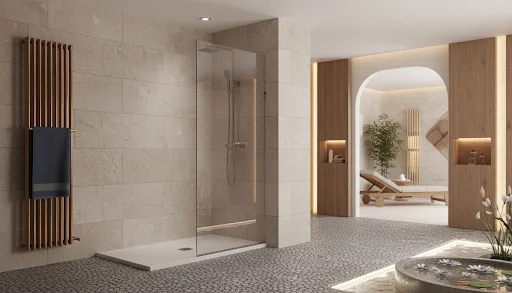
The term fix shower glass encompasses a range of maintenance, repair, and restoration tasks that address common issues such as scratches, water spots, soap scum buildup, and structural problems with the enclosure hardware. While catastrophic breakage of tempered shower glass requires professional replacement, most common issues can be successfully resolved through proper techniques and specialized products, significantly extending the life and clarity of the enclosure.
This extensive, informative article breaks down the most frequent problems encountered with fix shower glass—from minor cosmetic damage to structural hardware instability—providing detailed, step-by-step methods for maintenance, restoration, and repair to restore your shower to its original pristine condition.
Problem 1: Hard Water Stains and Soap Scum (Restoration)
The most common issue affecting shower glass is the tenacious buildup of mineral deposits (limescale) and soap scum, which severely diminish clarity and aesthetic appeal.
Identifying the Buildup
- Limescale: Appears as hazy, white, or chalky spots, often feeling rough to the touch. This is caused by calcium and magnesium left behind after water evaporates.
- Soap Scum: A dull, sticky film caused by the reaction of soap with the minerals in hard water.
Restoration Method (Non-Abrasive)
- Preparation: Always clean the glass first to remove loose soap scum using a microfiber cloth and dish soap.
- Acidic Treatment: Hard water stains require an acidic agent to dissolve the mineral bonds.
- White Vinegar: Mix equal parts white vinegar and distilled water in a spray bottle. Spray generously onto the glass and let it sit for 15 to 30 minutes.
- Citric Acid/Specialized Cleaner: For very heavy buildup, use a commercial descaler specifically designed for glass, or a paste made from baking soda and vinegar.
- Scrubbing: Use a non-abrasive nylon scrubber or the soft side of a sponge. Never use steel wool or harsh scouring pads, which will scratch the tempered glass surface.
- Rinsing: Rinse thoroughly with warm water and immediately squeegee the glass dry to prevent new spots from forming.
Problem 2: Scratches and Etching (Repair and Prevention)
Scratches and deep etching (permanent pitting caused by long-term mineral damage) are the most difficult to fix shower glass. While deep scratches cannot be removed, shallow ones can often be polished out.
Repairing Minor Scratches
- Cleaning: The area must be perfectly clean and dry to accurately assess the scratch.
- Polishing Compound: Use a specialized cerium oxide polishing compound, which is the standard industry material for buffing out fine glass scratches.
- Application: Apply the compound with a damp felt wheel or pad attached to a low-speed rotary drill or buffing tool. Work in small, controlled circular motions, keeping the surface slightly wet.
- Caution: This process removes microscopic layers of glass and must be done carefully to avoid creating lens effects or further distortion. Deep scratches cannot be safely removed.
Preventing Future Etching
- Hydrophobic Coatings: If the glass is not factory-coated, apply a professional glass sealant or hydrophobic coating (like Rain-X for glass) every few months. This creates a non-porous barrier that repels water and prevents mineral adhesion.
- Daily Squeegee: Consistent use of a squeegee immediately after showering is the single best preventative measure.
Problem 3: Loose or Corroded Hardware (Structural Fix)
Over time, the hinges, clamps, and seals supporting the shower glass can become loose, corroded, or dysfunctional, leading to poor door alignment and water leaks.
Fixing Alignment and Sagging Doors
- Tighten Hinges: If a shower glass door is sagging, the hinges usually need adjustment. Use a screwdriver (often hexagonal or Allen keys) to gently tighten the hinge screws holding the glass to the frame/wall.
- Gasket Replacement: If the door is scraping or misaligned, the nylon or plastic gaskets (washers) inside the hinge may be worn. Replacing these gaskets can often resolve minor sagging and restore proper alignment without major disassembly.
- Check Wall Anchors: For extreme sagging, the mounting screws or wall anchors holding the hinge to the wall may be loose. This requires a professional to safely remove the door and re-secure the anchors (sometimes using larger anchors or cement plugs).
Replacing Seals and Sweeps
- Worn Seals: The clear vinyl seals (gaskets) running along the door edges and the vinyl “sweep” (the fin along the bottom edge) are designed to contain water.
- Fix: When they yellow, crack, or fail, they must be replaced. Measure the thickness of the shower glass and purchase a new vinyl seal/sweep. These usually slide or clip onto the glass edge and are easily replaced by the homeowner.
Problem 4: Permanent Failure (When to Replace)
If shower glass is extensively pitted (etched) or has deep scratches across the main viewing area, restoration is usually impractical.
- Pitting: Severe chemical etching compromises clarity permanently.
- Breakage: If the tempered glass shatters, it must be carefully cleared and replaced. Never attempt to use or install non-tempered glass in a shower.
When replacement is necessary, measure the existing panel accurately and specify tempered glass with an easy-clean coating for maximum longevity and minimal maintenance.
Conclusion
The ability to fix shower glass largely depends on consistent care and the severity of the damage. By addressing hard water spots promptly with non-abrasive methods and ensuring all structural hardware remains secure, you guarantee that your shower enclosure remains clear, safe, and elegant for years to come.


The lighting industry has embraced designer collaborations, partnering established interior designers and architects with manufacturing expertise to create distinctive fixture collections. These partnerships yield products that combine creative vision with practical functionality, offering homeowners access to designer aesthetics at accessible price points.
How Designer Collaborations Work
Designer lighting collaborations typically follow established patterns:
Design Development: Designers create concepts reflecting their aesthetic vision and understanding of market needs. These initial ideas may be sketches, mood boards, or detailed specifications depending on the designer’s background and working style.
Technical Translation: Manufacturers’ engineering teams translate design concepts into producible products. This phase requires balancing creative intent with manufacturing realities, electrical requirements, and safety standards.
Prototype Refinement: Physical prototypes reveal how designs work in three dimensions. Designers evaluate proportions, light quality, and visual impact, requesting revisions until pieces match their vision.
Production Launch: Final designs enter production, typically manufactured in facilities with quality control systems ensuring consistency across units. Marketing efforts communicate the collection’s design story and intended applications.
Benefits of Designer Collections
Designer collaborations offer distinct advantages for consumers:
Professional Aesthetics: Designers bring trained eyes for proportion, material, and detail that create visually superior products. Their experience specifying fixtures for high-end projects informs designs that work beautifully in real interiors.
Curated Selection: Designer collections offer coordinated pieces sharing design DNA. This curation simplifies selecting multiple fixtures that work together harmoniously throughout homes.
Accessible Pricing: While commissioning custom fixtures from prominent designers requires significant budgets, manufactured collections make designer aesthetics available at standard retail price points.
Story and Meaning: Designer pieces carry narratives—inspiration sources, design intentions, maker stories—that generic fixtures lack. These narratives enhance ownership satisfaction and provide conversation starting points.
Notable Designer Lighting Collections
The Visual Comfort Studio collection exemplifies successful designer collaboration, featuring fixtures from celebrated designers whose work appears in prestigious publications and award-winning interiors. These collections translate high-design aesthetics into accessible products without sacrificing quality or visual impact.
Such collections demonstrate that exceptional design need not be exclusive. When talented designers partner with capable manufacturers, the resulting products bring sophisticated aesthetics to mainstream markets.
Selecting from Designer Collections
Maximize designer collection value through thoughtful selection:
Understand the Vision: Research designers’ broader work and stated intentions for collections. Understanding design philosophy helps select pieces that authentically represent designer aesthetics rather than incidental elements.
Consider Coherence: Designer collections typically share design language—proportions, materials, finishes—that creates harmony when multiple pieces appear together. Leverage this coherence when specifying fixtures for entire homes.
Evaluate Quality: Designer names don’t guarantee quality. Examine materials, construction, and specifications to ensure products justify their positioning. Reputable manufacturers maintain quality standards across designer and standard collections.
Think Long-Term: Well-designed pieces transcend trends, remaining relevant across changing fashions. Prioritize timeless designer work over trendy pieces that may quickly date.
Designer Collections vs. Custom Work
Understanding the spectrum from manufactured collections to custom commissions helps homeowners select appropriate options:
Manufactured Collections: Fixed designs produced in quantity. Offer excellent value, consistent quality, and immediate availability. Ideal for most residential applications where designer aesthetics matter but unlimited budgets don’t exist.
Modified Standard: Some manufacturers offer customization options—alternate finishes, modified dimensions, different lamp configurations—applied to standard designs. These options provide personalization within efficient manufacturing frameworks.
Full Custom: Designers and fabricators create one-of-a-kind fixtures to specific requirements. This approach suits truly unique situations where no manufactured option satisfies requirements, but involves significant cost and timeline implications.
Supporting Design Excellence
Purchasing designer lighting supports broader design culture:
Designer Recognition: Commercial success enables designers to continue creative work. Supporting designer products encourages continued innovation and risk-taking.
Manufacturing Investment: Successful designer collaborations justify manufacturer investments in design development. This investment cycle drives industry-wide quality improvement.
Cultural Value: Design excellence enriches daily life in ways difficult to quantify but easy to experience. Surrounding ourselves with thoughtful design elevates ordinary moments.
Integrating Designer Pieces
Successfully incorporating designer lighting requires attention to context:
Respect the Design: Avoid modifying designer pieces or placing them in contexts that contradict design intentions. Let pieces express their intended character.
Create Conversations: Designer fixtures often become room focal points. Position them where visibility showcases design while lighting performance serves practical needs.
Build Around Anchors: Select furniture, finishes, and accessories that support rather than compete with statement lighting. Strong designer pieces deserve supporting roles from surrounding elements.
Mix Thoughtfully: Combining multiple designer pieces works when collections share sensibilities or when deliberate contrast creates intentional creative tension. Avoid random mixing that dilutes coherence.
Designer lighting collaborations democratize excellent design, making thoughtful aesthetics accessible beyond exclusive circles. These partnerships serve everyone seeking beautiful, functional illumination.

Islamabad, Pakistan’s capital city, is renowned for its planned layout, green spaces, and peaceful environment. For family-friendly areas seeking a safe, comfortable, and well-connected place to call home, the city offers numerous excellent options. Whether you’re looking for established neighborhoods or emerging developments, Islamabad has something for every family’s needs and budget.
Why Islamabad is Ideal for Families
The city’s well-organized sectors, excellent educational institutions, healthcare facilities, and recreational spaces make it particularly attractive for families. The Capital Development Authority (CDA) maintains strict regulations ensuring proper infrastructure, parks, and amenities in residential areas. Additionally, Islamabad’s low crime rate and clean environment provide peace of mind for parents raising children.
Emerging Developments Worth Considering
Faisal Town Phase 2

Faisal Town Phase 2 has gained significant attention as an affordable yet well-planned housing project. Located on Islamabad Expressway, it offers excellent connectivity to different parts of the city. The development promises modern infrastructure, including wide roads, underground electrification, and proper water supply systems. For families looking for investment opportunities or new homes in an up-and-coming area, Faisal Town Phase 2 presents a compelling option with its planned amenities and competitive pricing.
Faisal Hills
Situated near the scenic Margalla Hills, Faisal Hills offers a unique combination of natural beauty and modern living. Family-friendly areas development is designed with families in mind, featuring spacious plots, green belts, and planned recreational facilities. The project’s proximity to educational institutions and the main city areas, coupled with its tranquil environment, makes it an attractive choice for families who value both convenience and quality of life. The hillside location provides fresh air and stunning views while remaining accessible to urban amenities.
Top Family-Friendly Areas in Islamabad
Sector F-10 and F-11
These sectors are among the most sought-after residential areas in Islamabad. Located in close proximity to Margalla Hills, they offer a serene environment with excellent infrastructure. The areas feature numerous parks, quality schools, hospitals, and shopping centers. The well-maintained roads and tree-lined streets create an ideal atmosphere for families.
Bahria Town
Bahria Town Islamabad has emerged as one of the most popular family-oriented communities. This gated society offers world-class amenities including international standard schools, hospitals, shopping malls, and recreational facilities. The Grand Jamia Mosque, Eiffel Tower replica, and numerous parks provide entertainment options for all age groups. The 24/7 security and organized infrastructure make it particularly appealing for families.
DHA Islamabad
Defence Housing Authority offers premium living standards with top-notch security, wide roads, and modern amenities. The society features excellent schools, healthcare facilities, and commercial areas. The planned development ensures proper sewerage, water supply, and electricity, making daily life convenient for residents.
E-11 and E-7
These sectors provide a perfect blend of urban convenience and peaceful living. They’re well-connected to the main business districts while maintaining a residential character. Educational institutions, markets, and parks are easily accessible, making these areas practical choices for families.
Factors to Consider When Choosing a Family-Friendly Area
Educational Facilities: Proximity to quality schools and educational institutions is crucial. Areas near reputable schools like Beaconhouse, Roots Millennium, and Aitchison College are particularly desirable.
Healthcare Access: Easy access to hospitals and clinics ensures prompt medical care when needed. Areas near PIMS, Shifa International, or Maroof International Hospital offer this advantage.
Security: Gated communities or sectors with proper security arrangements provide peace of mind for families with children.
Parks and Recreation: Green spaces, playgrounds, and recreational facilities are essential for children’s physical and mental development.
Transportation: Well-connected areas with good road networks make daily commutes easier and reduce travel time.
Community Atmosphere: Neighborhoods with a strong sense of community and family-oriented residents create a supportive environment for raising children.
Making the Right Choice
Selecting the perfect area to settle down with your family involves careful consideration of your priorities, budget, and long-term goals. Each neighborhood in Islamabad offers unique advantages, and the best choice depends on your specific requirements.
For more information about available properties and expert guidance on finding the ideal family-friendly location in Islamabad, you can consult with Makaan Solutions, the best real estate agency in Islamabad. They offer comprehensive services including property selection assistance, legal support, and after-sales services like possession facilitation, ensuring a smooth and hassle-free property buying experience.
Conclusion
Islamabad continues to grow and develop, offering families an expanding range of residential options. From established sectors with mature infrastructure to new developments like Faisal Town Phase 2 and Faisal Hills, the city caters to diverse preferences and budgets. By carefully evaluating factors such as location, amenities, security, and future development potential, families can find their perfect home in Pakistan’s beautiful capital city. The combination of natural beauty, urban planning, and quality of life makes Islamabad one of the best cities in Pakistan for raising a family.
Home Improvement
House Washing: A Complete Exterior Cleaning Solution for a Healthier, Better-Looking Home

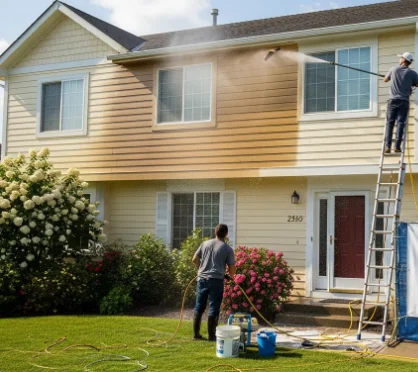
A home’s exterior is constantly exposed to the elements. Dust, pollution, rain, humidity, and organic growth gradually settle on siding, brick, and other surfaces, causing discoloration and buildup that can make even well-maintained homes appear older than they are. House washing is a professional cleaning service designed to safely remove these contaminants, restoring the home’s appearance while protecting exterior materials from long-term damage.
Unlike routine cleaning tasks performed indoors, exterior surfaces require specialized methods and equipment. House washing goes beyond surface-level rinsing by targeting the underlying causes of stains and buildup, ensuring a deeper and longer-lasting clean.
What Is House Washing?
House washing is the process of cleaning a home’s exterior surfaces using low-pressure water combined with specially formulated cleaning solutions. This method, often referred to as soft washing, safely removes dirt, algae, mold, mildew, and other contaminants without damaging siding, paint, or trim.
Many homeowners assume that high pressure is necessary to clean exterior walls, but excessive pressure can actually cause harm by forcing water behind siding or stripping protective finishes. Professional house washing focuses on cleaning effectively while preserving the integrity of the surface.
Why Exterior Walls Collect Dirt and Stains
Exterior surfaces naturally accumulate buildup over time. Environmental factors play a major role in how quickly this occurs. Moisture encourages algae and mold growth, while airborne pollutants and dust settle into small surface textures. In shaded areas, organic growth tends to spread more rapidly, creating green or dark streaks that are difficult to remove without proper treatment.
In addition, spider webs, insect residue, and pollen contribute to a dull or uneven appearance. Without regular cleaning, these contaminants continue to build up, making removal more challenging and potentially causing permanent staining.
Benefits of Professional House Washing
House washing offers both visual and practical advantages. One of the most noticeable benefits is the immediate improvement in curb appeal. A clean exterior brightens the overall appearance of a home and enhances its welcoming feel.
Other important benefits include:
- Protection against damage: Removing mold and algae prevents moisture retention that can weaken exterior materials.
- Extended paint life: Clean surfaces reduce the risk of premature paint deterioration.
- Healthier environment: Eliminating mold and mildew helps improve outdoor air quality.
- Preparation for maintenance projects: House washing is often necessary before painting or repairs.
- Increased property value: A well-maintained exterior leaves a positive impression on visitors and potential buyers.
Regular cleaning also reduces the need for costly restoration work by preventing buildup from becoming severe.
Surfaces Commonly Included in House Washing
House washing typically covers a wide range of exterior areas, depending on the property’s needs. These may include vinyl siding, stucco, brick, wood panels, trim, gutters, soffits, and exterior doors. Each material requires a slightly different cleaning approach, which is why professional assessment is important before beginning the process.
Delicate surfaces benefit from soft washing techniques, while more durable materials may require slightly higher pressure combined with safe cleaning agents. The goal is always to achieve a thorough clean without causing unnecessary wear.
How Often Should a House Be Washed?
The ideal frequency for house washing depends on environmental exposure and surrounding conditions. Homes located near trees or in humid climates may require cleaning more often due to increased organic growth. In general, scheduling house washing once every one to two years helps maintain a clean appearance and prevents buildup from becoming difficult to remove.
Visible signs such as green patches, dark streaks, or faded siding are strong indicators that house washing may be needed. Addressing these signs early helps maintain the home’s condition and reduces long-term maintenance costs.
Environmental and Safety Considerations
Modern house washing practices prioritize both safety and environmental responsibility. Professional services often use biodegradable cleaning solutions that effectively break down contaminants without harming plants or landscaping. Controlled water usage also minimizes waste while ensuring efficient cleaning.
Safety is equally important. Cleaning multi-story homes or hard-to-reach areas requires proper equipment and training. Professional technicians are equipped to handle these challenges safely, avoiding the risks associated with ladders and high-pressure equipment.
Choosing the Right House Washing Service
Selecting a reliable house washing provider ensures the job is completed correctly the first time. Experienced professionals evaluate the type of siding, level of buildup, and specific cleaning requirements before beginning work. This customized approach produces consistent results and helps protect the home’s exterior surfaces.
Stegmeier Pressure Washing provides professional house washing services focused on delivering safe, thorough exterior cleaning. By combining proven cleaning methods with careful attention to detail, their team helps homeowners restore the beauty of their property while maintaining long-term protection.
Conclusion
House washing is an essential part of exterior home maintenance that goes far beyond improving appearance. By removing dirt, algae, and environmental buildup, it helps preserve materials, extend paint life, and create a healthier living environment. Regular professional house washing ensures that a home continues to look clean, well-maintained, and protected against the effects of time and weather.

ChatGPT for SEO: Smarter Keyword Research and Content Optimization

A Guide on How to Fix Shower Glass

DPSIT and the Future of Data Management

Tonghou: The Aromatic Leafy Green Explained

Marilyn Kroc Barg: The Quiet Life Behind a Famous Name
-

 General5 months ago
Felixing: A Philosophy of Turning Simple Ideas into Wonders
-

 Health5 months ago
Lufanest: Effective Local Anesthesia with Fewer Risks
-

 General6 months ago
bardoek: The Artistic Heritage Inspiring Modern Creative Trends
-

 Entertainment4 months ago
هنتاوي.com: Your Gateway to Arabic Anime Content
-

 General5 months ago
Discover Anonib AZN: An Anonymous Asian Forum
-

 Fashion6 months ago
fashionisk .com – Your Ultimate Guide to Trendy, Smart Fashion
-

 Lifestyle6 months ago
Mariano Iduba: A Visionary Leader in Global Digital Growth
-

 Fashion6 months ago
Casîo: Explore Legacy, G-SHOCK Watches, Keyboards, and More