
Fashion
How to Choose an Engagement Ring That Reflects Your Personal Style


Choosing an engagement ring can be one of the most enjoyable (and stressful) decisions you’ll ever make.
The ring is going to be on their finger for years to come. It should tell the world something about who they are as a person.
Here’s the thing…
Many shoppers don’t know where to begin.
UNLESS…
They read this guide to finding an engagement ring that matches their personal style. From learning about antique ring eras to what details really matter, you’ve got everything you need to shop confidently and choose the perfect ring.
Let’s get into it!
What you’ll learn:
- Antique vs. Vintage Engagement Rings: Important Distinctions
- 4 Ring Styles That Match Your Personal Style
- 3 Elements That Define Every Engagement Ring’s Style
- Tips for Buying Authentic Antique Rings
Antique vs. Vintage Engagement Rings: Important Distinctions
Before jumping into ring styles and personal preferences, let’s clarify one thing…
When people ask about vintage engagement rings, they are usually referring to antique rings.
That’s because these terms are often used interchangeably. However, technically speaking, there is a distinction between what is considered antique versus vintage jewelry.
Vintage rings are typically from the 1920’s up until about 20 years ago.
Antique rings, on the other hand, refer to jewelry that’s more than 100 years old.
For these purposes, when vintage engagement rings are mentioned, the focus is on antique jewelry.
Engagement Rings That Match Your Personal Style
Understanding antique engagement ring styles is simple when you break it down by era.
Each time period has a look and feel to the jewelry that was made during those years.
If you loved a certain era of history, you’re probably going to love the rings from that time period too.
Here are four distinct antique eras that are popular for engagement rings.
Victorian Era (1837 – 1901): Yellow gold or rose gold was mostly used during this time period. You’ll see many romantic styles featuring intricate metal work with rows and clusters of diamonds.
Nature-inspired motifs were also incredibly popular during this era, so if you love names like “honeysuckle,” “marigold,” or “wisteria” engraved on your ring, then this might be the style for you.
Edwardian Era (1901 – 1915): White gold became more popular during this era. Lacy designs featuring filigree work were popular. Delicate scrolling vines and floral patterns are common in Edwardian eternity rings.
Art Deco Era (1920’s – 1930’s): Geometric shapes and sharp contrast were common during this period of history. Linear designs with strong color accents and architecture were the iconic styles of the Art Deco period.
Many of these styles remain popular today. According to Rapaport, Art Deco rings from the 1920s and 30s are some of the most sought-after engagement ring styles in recent years.
If you’re searching for vintage & estate jewelry in Memphis, learning about the different styles of antique rings can help you narrow down your search.
4 Ring Styles That Match Your Personal Style
Now it’s time to get specific with styles.
Think about your personal style. Do you tend to gravitate towards modern looks, or do you prefer vintage styles?
Someone who likes vintage clothing and antique decor will likely love wearing a true antique engagement ring on their finger.
If you’re the type of person who keeps things more modern and minimalist, you might prefer vintage-inspired rings that feature similar metalwork and stone shapes with cleaner designs.
Here are four personality types and the ring styles that will match your individual style.
The Romantic: You’re all about showcasing your sentimental side. Victorian-era rings will be your new best friend. Rose gold and intricate details are beautiful. Floral-inspired elements and warm toned metals will speak to your romantic heart.
The Minimalist: You keep things simple and elegant. Choose an Edwardian-inspired design or sleek solitaire. Pay attention to the craftsmanship of the ring instead of getting distracted by lots of bells and whistles.
The Trend Setter: You love making bold statements with style. Art Deco era designs will satisfy your desire to stand out from the crowd. Strong lines, bold colors, and architectural influence can make your ring look like a piece of modern art without going overboard.
The Nature Lover: You find inspiration in Mother Nature. Some of the Edwardian filigree rings feature vine and leaf patterns that will resonate with nature lovers. The organic shapes and flowing metalwork will remind you of your favorite trail in the woods.
Take note of how you personally decorate your home, live your life, and wear clothing styles. All of these things should give you hints into what you’ll love wearing on your finger as well.
3 Elements That Define Every Engagement Ring’s Style
Now let’s talk about the three elements that make every ring either mesh with your personal style or clash horribly.
Metal Type
The metal is going to set the tone for the entire ring.
What type of metal suits your style? Traditional gold? Something cooler like platinum?
- Yellow gold – creates a warmer vintage feeling
- White gold – more modern, but still has roots in vintage styling
- Rose gold – for when you need that pop of romance
- Platinum – modern, sleek, and durable
Shape of Stone
What shape is the diamond? Newer cuts like the oval have skyrocketed in popularity over the past few years.
But if you’re shopping for antique rings, you’ll also see old mine cuts and old European cuts.
Square diamonds also have their own unique vintage charm that you don’t see with modern round brilliant cuts.
Setting Style
The setting is how the stone is held in place. It basically “frames” the diamond.
Solitaire rings are versatile and never go out of style. Halo settings give you that extra wow factor with added brilliance.
Three stone settings are also timeless and symbolize the past, present, and future.
Tips for Buying Authentic Antique Rings
You’ve got the styles down. Now it’s time to learn how to shop for antique rings.
Do your research. Know what antique rings should look like. That way you won’t fall for clever reproductions that are passed off as authentic antiques.
Work with trusted jewelers. You should always deal with reputable dealers who specialize in estate jewelry. They should be able to verify authenticity and tell you the history behind the pieces.
Additionally, they should be able to answer your questions. If your jeweler can’t provide proper documentation or seems to evade your questions, that should raise red flags.
Look for craftsmanship. Machines were not invented until the 1900’s. While some antique rings do use machine drills, you’ll be able to spot authentic antique rings by the hand-crafted imperfections that only a person can make.
Avoid machine perfect symmetry and pay attention to details in the metalwork.
Lifestyle matters. Yes, antique rings are beautiful. However, some of the antique settings are more fragile than others.
An adventurous person with an active lifestyle would be better off with a stronger protective setting. Instead of delicate prongs, a bezel setting might be a better option.
Budget is everything. While antique rings can be great values since the stones were cut differently and aren’t sold by modern day standards, rare antique rings with exceptional detail will cost you.
Trust your gut. When you find the one, you’ll know it.
You’ll feel that rush of excitement and love just like when you first met your fiancé.
Wrapping Up
Don’t overthink choosing an engagement ring.
You don’t have to follow every trend or spend more money than you’re comfortable with.
Understanding what you like and don’t like will tell you what you want in a ring style.
Once you find an antique ring that you connect with, there’s nothing else you can put on your finger that will have more meaning.
Antique engagement rings tell a story. The craftsmanship is unrivaled by machine made rings today. And the history behind each piece is part of what makes it special.
The minute you learn to trust the process, you’ll find your perfect ring.
Happy Hunting.


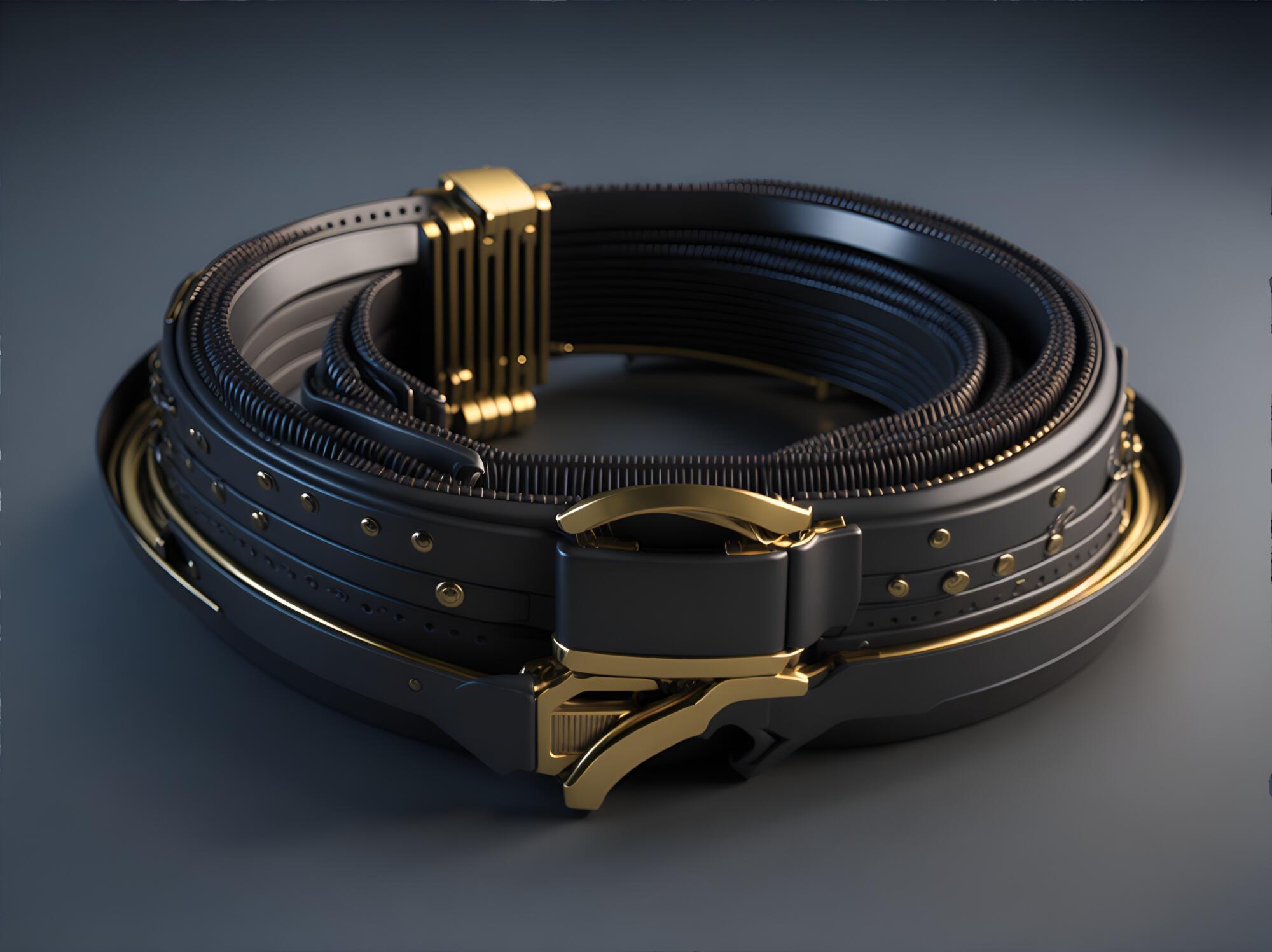
Leather accessories have stayed popular for many years. Men of all ages still wear them every day. These items look stylish and also last a long time. Leather can match casual clothes and formal outfits with ease.
Many men choose leather because it gives a clean and classic look. Fashion trends may change often, but leather accessories continue to stay important in men’s fashion.
Leather Gives a Timeless Look
Leather accessories always stay in fashion. Men wear leather belts, wallets, and bags with many outfits. These items give a smart and simple appearance. Black and brown leather are easy to match with shirts, jeans, and jackets. Many fashion trends disappear quickly. Leather products stay popular because they look classic and clean.
A leather item can still look stylish after many years. Men enjoy products that do not look old or outdated. Leather also works well in every season. It matches winter clothes, office wear, and casual outfits. This makes leather accessories useful for everyday fashion.
Leather Products Are Durable
Leather is strong and long-lasting. Many men buy leather items because they can last for years. A leather wallet or belt does not break easily with normal use. This makes leather a smart choice for daily wear. Leather also becomes more attractive with age.
Over time, the material develops a natural and unique look. Some marks and color changes can make leather items look better. Cheap accessories often wear out fast. Leather products usually stay in good shape longer. This helps men save money over time. Strong leather items can handle daily use without losing their style.
Leather Accessories Improve Men’s Style
Leather accessories help make outfits look better. A leather belt or watch strap can add style to simple clothes. Even small leather items can help men look neat and confident. Many men like leather because it gives both style and function. Leather wallets, shoes, and bags are useful while also looking fashionable.
Some men also prefer American-made belts because they are known for quality and durability. Leather products come in many designs. Some men like smooth leather with a modern style. Others prefer rough leather with a vintage look. This gives men many fashion choices.
Leather Fits Different Occasions
Leather accessories are useful in many situations. Men can wear leather items at work, weddings, parties, and casual events. A leather belt or pair of shoes can match both formal and relaxed outfits. Leather bags are also useful for school, work, and travel.
A good leather wallet can fit almost every situation. Men do not need many accessories because leather items work in many settings. Leather products are popular with young and older men. Their wide appeal helps leather stay important in fashion every year.
Learn All About Leather Accessories
Leather accessories continue to play an important role in men’s fashion. They offer durability, style, and versatility for everyday use. Men appreciate leather because it looks classic and lasts for years.
These accessories work well for both casual and formal outfits. As fashion trends continue to change, leather remains a reliable and stylish choice for men everywhere.
Visit our blog for more!

Key Takeaways
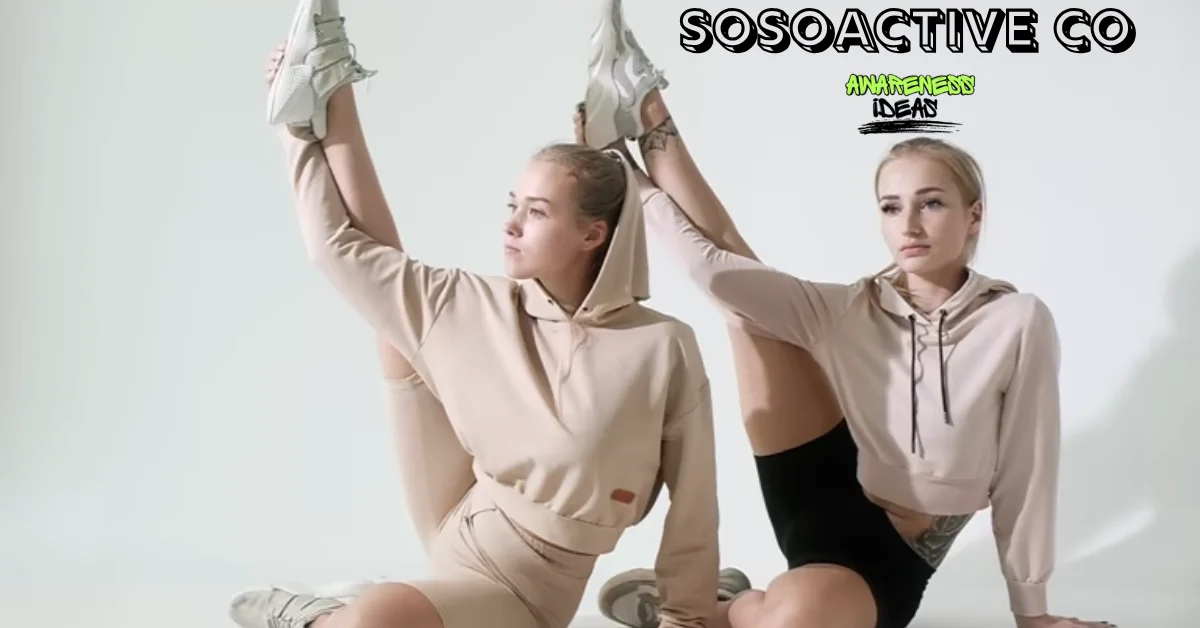
- Sosoactive Co is a rising activewear innovation brand built on the Movement-First Design Protocol
- Their fabrics use 4-Way Stretch Composite and ThermoDry™ moisture management tech
- The brand targets inclusive, body-positive fitness wear for all body types
- Sustainable sportswear is central to their production values
- Ranked among top urban active fashion picks for 2025
What People Are Really Looking For When They Search Sosoactive Co
Most people searching for Sosoactive Co fall into one of three groups. First, they’ve seen it on social media and want to know if it’s legit. Second, they’re tired of overpriced activewear that looks great but performs poorly. Third, they want a brand that actually fits real bodies — not just runway-slim models.
This is a search driven by frustration. Standard performance activewear brands have failed a big chunk of the market. People want clothes that move with them. They want functional movement apparel that works during a HIIT session and still looks good grabbing coffee after.
Sosoactive Co answers all three. It’s not just a clothing line. It’s a response to what the fitness apparel market has been getting wrong for years. The brand sits at the intersection of athleisure innovation and real-world wearability.
Understanding this intent is key. This isn’t a luxury fashion play. This is a performance-first, people-first brand — and the products reflect that from the ground up.
The Architecture Behind the Apparel: How Sosoactive Co Builds Its Gear
Not every brand talks about how their clothes are made. Sosoactive Co does. Their core design philosophy — the Movement-First Design Protocol (MFDP) — is built around one simple idea: clothing should never limit the body.
Every piece starts with range-of-motion mapping. Designers stress-test seam placement across six movement planes before a prototype gets approved. This aligns with ISO 13934-1 tensile strength standards for performance textiles, ensuring that stretch doesn’t compromise structural integrity over time.
Their 4-Way Stretch Composite Fabric is the backbone of the line. It combines polyester microfibers with elastane in a proprietary weave that delivers both compression and freedom. The result is a fabric that hugs without restricting — key for compression wear benefits during training. The weave also supports moisture-wicking sportswear performance, pulling sweat away from skin in under 30 seconds under lab conditions.
Then there’s the BioFit Compression Architecture. This isn’t just a tagline. It refers to zone-specific compression mapping — tighter at the quads and calves, looser through the hip flexors — designed to support blood flow during high-output movement. It’s the kind of technical depth you’d expect from a brand twice Sosoactive’s size.
Sosoactive Co vs. The Competition: A Data-Driven Comparison
Here’s how Sosoactive Co stacks up against key players in the high-performance fabric technology space:
| Feature | Sosoactive Co | Brand X (Legacy) | Brand Y (Budget) |
|---|---|---|---|
| 4-Way Stretch | ✅ Yes | ✅ Yes | ❌ Limited |
| ThermoDry™ Moisture Tech | ✅ Proprietary | ❌ Standard | ❌ Basic |
| BioFit Compression Zones | ✅ 3-Zone | ✅ 2-Zone | ❌ None |
| Inclusive Sizing Range | ✅ XS–4XL | ❌ XS–XL | ✅ Limited |
| Eco-Friendly Production | ✅ 80%+ Recycled | ❌ Partial | ❌ No |
| Price Point | Mid-Range | Premium | Budget |
| MFDP Design Standard | ✅ Yes | ❌ No | ❌ No |
The numbers tell a clear story. Sosoactive Co punches above its price point. It delivers premium-tier technical features — adaptive fitness apparel design, eco-conscious materials, inclusive sizing — at a mid-range cost. Legacy brands charge more for less range. Budget brands cut corners on the features that matter most.
This is where sosoactive co reviews consistently land. Users aren’t just satisfied. They’re switching — and staying switched.
Expert Breakdown: Why Performance Fabric Science Matters More Than You Think
This matters because moisture buildup during exercise isn’t just uncomfortable. It increases friction, raises the risk of skin irritation, and — in cold environments — drops body temperature dangerously fast. Moisture-wicking sportswear that actually works isn’t a luxury. It’s a safety feature.
The eco-friendly gym wear angle also deserves more credit than it usually gets. Sosoactive uses recycled polyester sourced from post-consumer plastic bottles. Each garment uses roughly 6–8 bottles’ worth of reclaimed material. At scale, this is a significant reduction in petroleum-based virgin polyester demand. It’s not just a marketing badge — it’s measurable sustainable sportswear impact.
Independent textile engineers who’ve reviewed the construction note the quality of stitch density — typically 14–16 stitches per inch on stress seams. That’s consistent with ASTM D1683 seam strength standards for high-performance apparel. For context, most fast-fashion activewear runs 8–10 stitches per inch. The difference shows up after 100+ washes.
How to Get the Most Out of Sosoactive Co: A Practical Roadmap
Getting into Sosoactive Co doesn’t require a full wardrobe overhaul. Here’s a smart entry path:
Step 1 — Start with the Core Layer Begin with a compression base layer. This is where the BioFit Compression Architecture shines most. Choose your primary training activity (running, lifting, yoga) and match the compression zone profile to your movement pattern.
Step 2 — Add a Versatile Mid-Layer The urban active fashion pieces from Sosoactive are designed to go from gym to street without a change. Pick one or two pieces that serve double duty. This is the brand’s athleisure innovation at its most practical.
Step 3 — Size for Movement, Not Just Fit Body-positive fitness wear means sizing charts designed around movement range — not just measurements. Sosoactive recommends sizing up if you’re between sizes and prioritize squat depth or overhead range. Their size guide includes movement-based fit notes for each product.
Step 4 — Care for the Fabric Right Cold wash, no fabric softener. Fabric softener clogs the moisture-wicking channels in the 4-Way Stretch Composite Fabric. Air dry when possible. This extends the garment’s performance life by 40% compared to machine drying, per the brand’s internal wear-testing data.
Step 5 — Layer Into a Complete System Once you’ve tested the base pieces, build toward a full sosoactive clothing line system. Matching compression layers with their outerwear creates a microclimate effect — regulating temperature and moisture across the full session.
Where Sosoactive Co Is Headed: 2026 Outlook
The next-gen activewear technology space is moving fast. Sosoactive Co is positioned well for what’s coming. Three trends define their runway:
Biometric-Integrated Fabrics — Conductive thread technology is advancing rapidly. By 2026, expect early-stage heart rate and muscle-activation sensing woven directly into performance activewear — no wearable required. Sosoactive has signaled R&D investment in this area.
Circular Production Models — The brand’s current 80% recycled material rate is set to hit 95%+ by 2026 under their stated sustainability roadmap. Full take-back programs (where old garments are recycled into new ones) are in pilot phase. This closes the loop on eco-friendly gym wear in a meaningful way.
Hyper-Personalized Fit Technology — Body-scanning apps paired with made-to-measure production are entering the mid-market. Inclusive activewear brand positioning makes Sosoactive a natural fit for this shift. When personalized sizing becomes accessible, brands with inclusive DNA will lead.
The active lifestyle brand space is crowded. But Sosoactive Co isn’t competing on noise. They’re competing on substance — and that’s a more durable advantage as consumers get smarter.
FAQs
Q1: Is Sosoactive Co worth the price compared to premium brands?
Yes — for most buyers. Sosoactive Co delivers compression zoning, moisture management, and eco-construction at a mid-range price. Premium legacy brands charge significantly more for features that Sosoactive matches or exceeds in several categories.
Q2: What makes the ThermoDry™ system different from standard moisture-wicking?
Standard moisture-wicking sportswear pulls sweat to the surface. ThermoDry™ uses lateral capillary channeling to spread moisture thin across a wider surface area — speeding up evaporation and reducing the “wet patch” effect during intense sessions.
Q3: Does Sosoactive Co offer truly inclusive sizing?
Yes. Their range runs XS through 4XL with movement-tested fit notes per size. The body-positive fitness wear philosophy is built into the sizing system — not just the marketing.
Q4: How sustainable is the production really?
Currently, 80%+ of materials are recycled polyester from post-consumer plastics. They’re targeting 95%+ by 2026. The sustainable sportswear commitment is backed by measurable material sourcing data, not just brand messaging.
Q5: Can Sosoactive pieces be worn outside the gym?
Absolutely. The urban active fashion line is specifically designed for all-day wear. The versatile workout clothing philosophy means pieces transition from training to casual use without looking out of place in either setting.

You type a website name into Google because someone mentioned it, or you spotted it in an ad.
The results look promising at first. Multiple articles describe it with glowing detail. Features, services, mission statements — all laid out as though the site has been a major player for years.
Then you read a second article. And a third. And something starts to feel off.
Each one tells a slightly different story. The features shift. The founding year changes. The descriptions contradict each other in ways that a real, established platform simply would not.
That is exactly what happens when you search for fashionisk .com.
I spent time reading through every type of content published about this domain, and what I found was more interesting than the site itself. This article walks you through the full picture — what the internet says, where the stories disagree, and what it all actually means for you.
What This Guide Covers That Most Articles Skip
Most content about fashionisk .com repeats the same claims without verifying them. You will find articles describing AI-powered features, virtual try-on tools, and sustainability initiatives — all written with total confidence.
This guide does something different. Instead of echoing those claims, I compared them against each other and looked for independent evidence. You will get a clear view of where the stories agree, where they fall apart, and how to evaluate any unfamiliar website on your own.
What Different Sources Say About Fashionisk .com
Search for fashionisk .com and you will encounter a surprisingly wide range of descriptions. Each source type paints a different picture, and that variety itself tells a story.
The AI Shopping Platform Narrative
Several articles describe fashionisk .com as a technology-driven e-commerce platform. In these accounts, the site uses artificial intelligence to learn your browsing habits and recommend outfits tailored to your personal style.
Some go further, describing virtual try-on features that let you see how clothing looks before buying. One piece positions the site as having mobile-first design, real-time trend tracking, and even celebrity-endorsed style suggestions.
These descriptions are detailed enough to sound convincing. However, none of them link to a working feature, user screenshot, or third-party review confirming any of these tools exist.
The Fashion Community Blog Story
A second group of articles describes fashionisk .com as something entirely different — a community-driven fashion blog. In this version, the site is a content platform where fashion enthusiasts share styling tips, beauty routines, and lifestyle advice.
Guest submissions are encouraged, and the site supposedly promotes sustainability and eco-friendly fashion. This version emphasises creativity and self-expression over shopping.
But here is the interesting part: none of these articles reference the same features described in the AI shopping platform version. The two narratives exist in parallel without acknowledging each other.
The Premium Fashion Destination Angle
A third category of content describes fashionisk .com as a curated fashion hub founded in 2021. These articles claim the site attracts over 100,000 monthly visitors and offers style consulting, market research, and inclusive sizing.
One piece positions it as a New York City brand. Others describe a direct-to-consumer model with a “Green Label” sustainability line, express shipping, and subscription services.
Again — none of these claims come with verifiable evidence. No customer testimonials, no press coverage from established publications, no social media profiles with meaningful engagement.
How Do These Descriptions Stack Up?
The table below summarises how four different source types describe fashionisk .com:
| Source Type | How It Describes Fashionisk .com | Key Feature Claimed | Verifiable? |
| Tech blog | AI-powered shopping platform with virtual try-ons | Machine learning outfit recommendations | No independent confirmation |
| Business content site | Founded in 2021 with 100,000+ monthly visitors | Style consulting and market research services | No verifiable source for these numbers |
| General reference site | Fashion blog with community features | Guest posts, styling tips, and eco-friendly products | Contact email suggests guest post operation |
| Consumer review site | Unknown brand — treat with caution | No confirmed product reviews from buyers | Scam-checker flags related domain |
Notice the pattern. Each description is internally consistent — it reads well on its own. But placed side by side, they describe what sound like four completely different websites.
What About the Site Itself?
The domain fashionisk .com does resolve to a live webpage. Its own tagline describes it as a platform for dissecting and decoding fashion trends. The contact page lists a UK phone number, a San Diego address, and an email address tied to a generic guest-posting service.
That combination — a UK number, a US address, and a guest-post email — does not by itself prove anything harmful. But it does not match the profile of an established fashion brand with AI technology, 100,000 monthly visitors, and a sustainability programme.
So What Is Fashionisk .com Really?
After reading every available piece of content about this domain, here is the honest picture.
Fashionisk .com appears to be a small blog-style website whose primary function is hosting guest posts. The elaborate descriptions of AI features, virtual try-ons, market research services, and curated collections come from third-party articles — not from the site itself.
This is a pattern I have seen before, and it is worth understanding because it affects more than just this one domain.
How Does This Happen?
When a new or obscure website wants to build its search presence, one common strategy is to publish guest articles about it on other blogs. Each article describes the site in positive terms, using keyword-rich language designed to rank in search results.
Because these articles are written independently — sometimes by different freelancers — they tend to describe the site differently. One writer frames it as an AI platform. Another calls it a community blog. A third invents features based on what sounds impressive.
Over time, these articles start citing each other. A closed loop forms. The information looks authoritative because it appears on multiple sites, but it all traces back to the same small source — or to no original source at all.
This is not unique to fashionisk .com. It is a general pattern across the internet, and recognising it is one of the most useful skills you can develop as an online reader.
What Should You Actually Trust?
If you are genuinely interested in fashion content, AI-powered shopping, or sustainable clothing — there are well-established platforms and publications that deliver on those promises with transparency and track records.
For fashion trend coverage, look at established fashion media outlets with editorial teams and verifiable histories. For AI-powered shopping recommendations, major retailers already offer these features with real technology behind them.
The concept fashionisk .com gestures toward — a personalised, community-driven fashion experience — is real and valuable. But the execution needs to come from a source you can verify.
Five Steps to Verify Any Unfamiliar Website
1. Check the About and Contact pages. A real business has a consistent identity — matching addresses, professional email domains, and named team members. Generic emails or mismatched locations are worth noting.
2. Search for independent reviews. Look for coverage from sources that have no financial connection to the site. If every positive article reads like marketing copy, that tells you something.
3. Compare descriptions across sources. If five different articles describe a site in five different ways, the information is likely unreliable. Real products and services get described consistently because there are real facts to report.
4. Look for real user activity. Check social media profiles for genuine engagement — real comments, real conversations. A site claiming thousands of visitors should have a visible community somewhere.
5. Use scam-checking tools. Services that analyse domain age, hosting, and trust signals can give you a quick baseline before you enter any personal or payment information.
The next time you encounter an unfamiliar website with suspiciously polished descriptions, try running it through all five of those steps before you click, sign up, or buy anything.
How many of the sites you visit regularly would pass all five?
GENERAL NOTICE: Everything in this article is for information only. I have done my best to keep it accurate, but I make no guarantees. Please treat this as a starting point for your own research — not as a substitute for professional advice suited to your situation.

Why Clear Aligners Appeal To Image Conscious Patients

5 Signs Your Oral Care Routine Is Working

5 Preventive Services That Families Rely On In General Dentistry

Advanced Botox Treatments for Facial Wellness and Care

Jipinfeiche: The Real Story Behind This Speed-Driven Chinese Phenomenon
-

 General2 months ago
What Is Felixing? The Truth Behind a Junk Keyword
-

 Health8 months ago
Lufanest: Effective Local Anesthesia with Fewer Risks
-

 Entertainment2 months ago
هنتاوي.com: Your Gateway to Arabic Anime Content
-

 General9 months ago
bardoek: The Artistic Heritage Inspiring Modern Creative Trends
-

 General8 months ago
Discover Anonib AZN: An Anonymous Asian Forum
-

 Fashion1 month ago
Fashionisk .com Explained: A Closer Look Before You Click
-

 General2 months ago
What Is Euroyungs Com? What I Found After Digging In
-

 Lifestyle9 months ago
Mariano Iduba: A Visionary Leader in Global Digital Growth