
Health
Why Smile Makeovers Often Involve Both Orthodontics And Cosmetic Dentistry


A strong smile makeover usually needs more than one type of care. You may hope a few veneers or whitening will fix everything. Yet crooked teeth, a deep bite, or crowding often sit under the surface and keep your smile from feeling right. That is why many treatment plans combine orthodontics and cosmetic dentistry. Braces or clear aligners move your teeth into healthy positions. Then cosmetic care shapes color, size, and small flaws. Together they create a smile that looks natural and feels steady when you eat, talk, and laugh. This mix can also protect teeth from chipping and uneven wear. A dentist in Van Nuys, CA may suggest both paths if you want results that last. You deserve clear answers about why and how that happens. This guide walks you through what to expect so you can choose with confidence.
Why Straight Teeth Alone Are Not Enough
Orthodontics focuses on how teeth fit and how your bite works. Cosmetic dentistry focuses on how teeth look. You need both form and look to feel safe when you smile.
Even after braces, you might still see
- Stains that do not fade with routine cleaning
- Chips and worn edges
- Uneven tooth size or shape
On the other side, if you only place veneers or bonding on crooked teeth, you may
- Cover up bite problems instead of fixing them
- Increase stress on certain teeth
- Risk future fractures and jaw pain
First, you fix position. Then you refine look. That order protects your health and your budget.
How Orthodontics Supports Long-Term Oral Health
The National Institute of Dental and Craniofacial Research explains that crowded teeth are harder to clean and raise the risk of decay and gum disease.
Orthodontic care can help you
- Reduce plaque traps between crowded teeth
- Lower grinding and clenching stress from a bad bite
- Protect jaw joints by improving how upper and lower teeth meet
When teeth stand in the right place, brushing and flossing become easier. Strong daily care then supports any later cosmetic work.
How Cosmetic Dentistry Finishes The Smile Makeover
After teeth line up correctly, cosmetic care can correct what braces or aligners cannot touch. You may still see color changes from past trauma, deep stains, or enamel defects. You may also have small chips from sports or past grinding.
Common cosmetic choices include
- Teeth whitening
- Bonding to repair chips and fill small gaps
- Veneers for a full change in color and shape on front teeth
- Crowns for teeth that are weak or cracked
Orthodontics sets the stage. Cosmetic work gives the final look.
Typical Treatment Order
Each person is different. Still, many smile makeovers follow a three-step path.
- Health first. Treat decay, gum disease, and infections. Remove active pain.
- Move teeth. Use braces or clear aligners to correct crowding and bite issues.
- Refine look. Use whitening, bonding, veneers, or crowns to reach your goal.
The Centers for Disease Control and Prevention describes how untreated cavities and gum disease affect daily life. You can review their oral health overview at this CDC page. Fixing health issues first gives a stronger base for both orthodontic and cosmetic care.
Comparing Orthodontics And Cosmetic Dentistry
| Feature | Orthodontics | Cosmetic Dentistry |
|---|---|---|
| Main goal | Correct tooth position and bite | Improve color, shape, and look |
| Common tools | Braces, clear aligners, wires | Whitening, bonding, veneers, crowns |
| Helps chewing | Yes. Aligns bite | Sometimes. Supports worn teeth |
| Time frame | Months to years | One visit to a few weeks |
| Teeth removal | Sometimes needed | Usually not needed |
| Reversibility | Tooth movement is permanent. Shifts can occur without retainers | Some treatments remove enamel and cannot be reversed |
| Main benefit | Health and function | Look and confidence |
When You Might Need Both
You might need a combined plan if you
- Hide your smile because teeth look crooked and stained
- Have front teeth that flare out and also show chips
- Have a deep overbite with worn lower teeth
- Have gaps that affect both speech and look
Orthodontics can close gaps or open spaces. Then cosmetic care can even out the color and shape. The result feels natural at work, at school, and at home.
Questions To Ask Your Dentist Or Orthodontist
Clear answers help you feel safe and calm. You can ask
- Why do you suggest orthodontics before cosmetic work
- What are the risks if I skip braces or aligners
- How long will each phase take
- How long should I wait between finishing braces and starting whitening or veneers
- How can I protect my teeth and gums during treatment
Honest guidance helps you avoid rushed choices that you may regret later.
Protecting Your Smile After Treatment
Once treatment ends, you need habits that protect your investment. Strong daily care and regular checkups keep your smile steady.
Focus on three steps
- Clean. Brush twice a day with fluoride toothpaste and floss once a day.
- Guard. Wear retainers as directed. Use a night guard if you grind your teeth.
- Check. See your dental team on a set schedule for cleanings and exams.
These small daily choices reduce the chance that teeth shift or that cosmetic work fails early.
Choosing A Path That Fits Your Life
A smile makeover is not only about looks. It is about eating without fear, speaking without shame, and feeling calm when someone points a camera at you. Orthodontics and cosmetic dentistry work together to support that goal. One protects health. One refined look. Together they offer strength, balance, and quiet confidence over time.

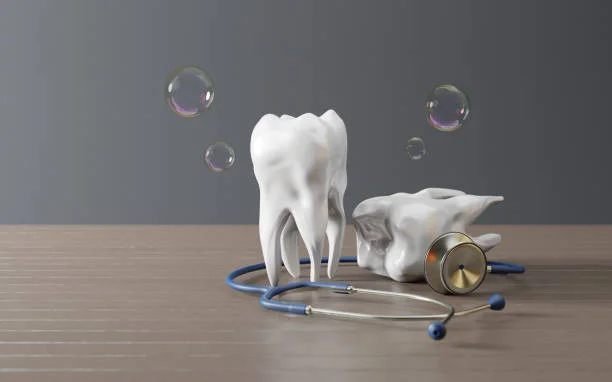
Your mouth changes as your body changes. Baby teeth fall out. Adult teeth wear down. Gums weaken. Everyday stress shows up first in your smile. General dentistry guides you through each stage so small issues stay small. Regular checkups, cleanings, and simple treatments protect you from pain, infection, and tooth loss. They also help you chew, speak, and sleep with ease. Early visits shape healthy habits for children. Ongoing care supports adults through work pressure, pregnancy, and chronic disease. Later in life, it protects fragile teeth and dry mouths. A trusted general dentist watches for warning signs that you might miss. Cavities. Grinding. Oral cancer. Gum disease. Each one is easier to treat when found early. If you see a dentist in Downtown Toronto or anywhere else, the right routine care can protect your oral health at every age and every stage.
Why general dentistry matters at every age
General dentistry focuses on prevention, early repair, and clear guidance. You do not just fix problems. You stop new ones from forming. You also get straight answers about what your mouth needs right now.
Routine care usually includes three things.
- Regular exams to spot changes in teeth, gums, and tongue
- Professional cleanings to remove plaque and hard tartar
- Simple treatments like fillings, sealants, and fluoride
These steps work together. You lower your risk of cavities, gum disease, tooth loss, and infections that can affect your whole body. The U.S. Centers for Disease Control and Prevention links poor oral health with heart disease, diabetes, and pregnancy problems. Routine dental care protects more than your smile.
Infants and toddlers
Mouth care starts before the first tooth. You clean the gums with a soft cloth. You avoid putting a baby to bed with a bottle. You also limit sweet drinks. These steps lower the risk of early decay.
A general dentist can see a child by the first birthday. This visit is short and calm. The goal is to help you.
- Learn how to clean tiny teeth
- Understand teething and soothing options
- Spot early signs of decay or tongue tie
Early visits build trust. A child learns that the dental office is safe. That reduces fear later in life.
Children and preteens
Once baby teeth are in, decay can move fast. Candy, juice, and poor brushing scar teeth. General dentistry focuses on three main protections.
- Sealants on back teeth to block food from hiding in deep grooves
- Fluoride treatments to harden enamel
- Regular cleanings to remove plaque that brushing misses
The dentist also checks for crowding, thumb sucking effects, and speech issues. If needed, you get a referral to an orthodontist or speech specialist early. That makes treatment shorter and easier.
Teens and young adults
Teen years bring sugar, sports, and sometimes tobacco or vaping. Sleep schedules shift. Brushing and flossing can slip. A general dentist watches for new risks.
- Decay around braces
- Sports injuries to teeth and jaws
- Grinding from stress or screen time
Custom mouthguards protect teeth during sports. Honest talks about tobacco, vaping, and piercings, which protect gums and lips. The dentist also tracks wisdom teeth and plans safe removal if needed.
Adults under pressure
Work, caregiving, and money worries can push dental care to the side. You might delay visits until there is pain. By then, problems cost more and hurt more.
Routine general dentistry helps you stay ahead of trouble.
- Crowns and fillings repair worn or cracked teeth
- Night guards ease grinding and protect enamel
- Regular cleanings control gum disease
Life events also affect your mouth. Pregnancy changes hormones and can inflame gums. Diabetes raises the risk of infections. Some medicines dry the mouth and cause decay. The American Dental Association explains many of these links. A general dentist reviews your health history and adjusts care so your mouth stays stable.
Older adults and seniors
Later in life, teeth and gums need closer watch. Roots can show. Gums can recede. Saliva can drop. Many people also live with heart disease, arthritis, or memory loss. These conditions change how you clean your teeth and what treatment you can manage.
General dentistry supports older adults in three key ways.
- Gentle cleanings that protect thin gums
- Care for dentures, bridges, and implants
- Screening for oral cancer and infections
The dentist can also suggest simple tools. Large handled brushes. Floss holders. Rinses that help with dry mouth. These changes keep daily care realistic.
How needs change across life stages
Common oral health needs by life stage
| Life stage | Main risks | Key general dental services |
|---|---|---|
| Infants and toddlers | Early decay from bottles and snacks | First exam, parent coaching, fluoride if needed |
| Children and preteens | Cavities, poor brushing, crowding | Cleanings, sealants, fluoride, growth checks |
| Teens and young adults | Sports injuries, wisdom teeth, tobacco use | Mouthguards, decay control, wisdom tooth review |
| Working-age adults | Grinding, gum disease, stress habits | Night guards, deep cleanings, restorations |
| Older adults | Dry mouth, tooth loss, oral cancer | Denture care, implant upkeep, cancer screening |
What to expect at a general dental visit
Most visits follow a clear path. Knowing it can ease fear.
- Review of health history, medicines, and concerns
- X rays when needed to see between teeth and under gums
- Cleaning to remove plaque and tartar
- Exam of teeth, gums, cheeks, tongue, and jaw
- Simple plan for home care and any needed treatment
You should leave with three things. A clear picture of your mouth. A plan for daily care. A schedule for your next visit.
How you can protect your mouth between visits
General dentistry works best when you support it at home. Three habits matter most.
- Brush twice a day with fluoride toothpaste
- Clean between teeth once a day with floss or another tool
- Limit sugary snacks and drinks
You also watch for warning signs. Bleeding when you brush. Ongoing bad breath. Loose teeth. Sores that do not heal in two weeks. Call a dentist when you see these changes. Early action prevents deeper harm.
Protecting every smile in your family
General dentistry is a steady partner from the first tooth to the last years of life. It guards against silent damage. It supports chewing, speaking, and social contact. It also respects your time and money by catching problems while they are still small.
When you keep regular visits and follow simple daily habits, you protect your own health and the health of those you love. You give each person in your home the chance to smile, eat, and live with strength at every age.

Cosmetic dentistry changes more than your smile. It shapes how you move through each day. You bring your own history, fears, and hopes to every visit. A good cosmetic dentist listens to all of that before picking up any tool. You are not a set of teeth. You are a full person who needs care that fits your life, your budget, and your health. A dentist in Villa Park, Illinois looks at your teeth, gums, bite, and face shape. Then they ask what you want others to see when you smile. Next, they match treatments to your goals. You might need small changes. You might need a full plan. Either way, your care should feel clear and honest. This blog explains how cosmetic dentists study your needs, plan step by step, and adjust as you go so your smile feels natural and strong.
Listening To Your Story First
Personal care starts with your story. Your dentist needs to know what you want and what you can handle right now.
- Your past dental visits and any pain
- Your health and medicines
- Your budget and time limits
Research shows that clear talk between you and your dentist lowers fear and improves results. You can read about patient-centered care from the National Institutes of Health at this resource. Honest talk lets your dentist shape a plan that respects your limits and your wishes.
Examining More Than Just Teeth
Next, your dentist looks at your mouth and face. This is not only about white teeth. It is about comfort and function.
- Teeth shape, color, and wear
- Gum health and gum line
- Bite and jaw movement
- Lip shape and how you smile in rest and in motion
This full check helps your dentist see what is safe. It also shows what will last. The goal is a smile that feels strong when you talk, eat, and laugh.
Setting Clear, Personal Goals
Every person walks in with different hopes. Your dentist should ask clear questions.
- Do you want small changes or a big change
- Is speed more important or is cost more important
- Do you want treatment that can be reversed or not
Then you and your dentist set three simple goals. For example.
- Lighten dark front teeth
- Fix one chipped tooth
- Smooth the gum line on the top front teeth
With goals this clear, you can judge progress at every visit.
Comparing Common Cosmetic Options
Your dentist explains choices in plain words. The table below shows how three common options can fit different needs. These are sample numbers for talk only. Your own case will differ.
| Treatment | Best For | Usual Time In Office | Change To Tooth | Typical Longevity |
|---|---|---|---|---|
| Teeth Whitening | Stains from coffee, tea, or tobacco | One to three visits | No change to shape | One to three years with care |
| Bonding | Small chips, gaps, or rough spots | One visit for most teeth | Small shaping | Three to ten years |
| Porcelain Veneers | Color, shape, and size changes | Two to three visits | More shaping | Ten to fifteen years |
Your dentist walks you through how each option fits your mouth, your budget, and your goals. You choose together.
Adjusting Care For Age And Life Stage
Personal care also depends on your stage of life. A teen, a parent, and an older adult need different plans.
- Teens may need simple bonding and careful talk about sports mouthguards
- Busy parents may need fewer visits and strong materials
- Older adults may need care that works with dentures or crowns
The Centers for Disease Control and Prevention shares oral health facts by age group at this CDC page. That kind of data guides safe choices for whitening, veneers, or other work at each age.
Respecting Fear And Comfort
Many people feel fear in the chair. A caring cosmetic dentist plans for this from the start.
- Explains each step before it starts
- Uses simple words for tools and steps
- Offers breaks and signals so you feel in control
In some cases, your dentist may suggest numbing gel, local shots, or calming methods. The key is open talk, so you never feel trapped or rushed.
Planning Treatment In Steps
A strong plan rarely happens in one long visit. Instead, your dentist breaks work into clear stages.
- Health first. Treat decay or gum disease.
- Function next. Fix bite problems that could crack new work.
- Looks last. Add whitening, bonding, or veneers.
This step-by-step plan protects your new smile. It also spreads cost and time, so you can keep up with life.
Checking Results And Keeping Them Strong
Personal care does not stop when treatment ends. Your dentist checks results and your comfort at follow-up visits.
- Photos before and after treatment
- Bite checks to prevent chipping
- Review of home care so you know how to brush and floss around new work
Routine cleanings protect your investment. Stains, chips, or sore spots caught early are easier to fix.
How You Can Prepare For A Personal Visit
You help shape your own care. Before your visit, write down.
- Three things you want to change
- Three things you fear or worry about
- Your budget and time frame
Bring past records or x X-raysf you have them. Ask for plain talk. Ask to see photos or models that match your case. A good dentist will welcome your questions and shape care around your life, not the other way around.
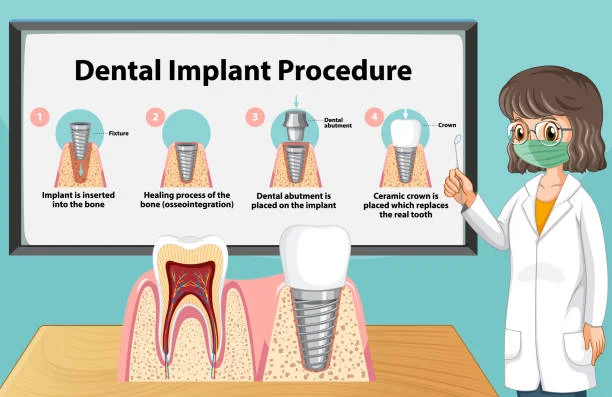
Facing dental implants can stir up fear, confusion, and doubt. You might worry about pain. You might question cost. You might wonder if the results will last. Before you trust anyone with your mouth, you need clear answers. You also need a plan that fits your health, your budget, and your life. When you sit down with an implant dentist Queens, the right questions protect you. Strong questions reveal skill, honesty, and respect. They also expose rushed care and weak planning. This blog gives you five direct questions to ask before treatment. Each question helps you judge safety. Each question helps you judge experience. Each question helps you judge long term results. You deserve calm care. You deserve straight talk. You deserve a dentist who treats you like a person, not a quick procedure.
1. What are all my treatment options, including no treatment
Start with choice. You need to hear every option, not just implants. Ask your dentist to compare
- Doing nothing
- Removable dentures
- Fixed bridges
- Single or multiple implants
Ask for simple language. Ask which options match your age, health, and goals. Ask what your mouth might look like in five or ten years with each choice.
You can review basic facts about implants and other tooth replacement options from the National Institute of Dental and Craniofacial Research. Use that information to check if the plan you hear makes sense.
2. How many implants like mine have you placed
You need clear numbers. Ask
- How many years the dentist has been placing implants
- How many implants do they place each month?
- How many cases match your bone level and health
Then ask about success and problems. Ask how many implants failed in the last year. Ask what went wrong. An honest dentist will not hide this. You should hear a steady record, not perfection.
Sample experience questions and helpful answers
| Question | Concerning answer | Reassuring answer |
|---|---|---|
| Years placing implants | “I just started last year.” | “I have placed implants for over 5 years.” |
| Cases like mine | “You are my first case like this.” | “I treat cases like yours every month.” |
| Handling problems | “We will see what happens.” | “If a problem comes up, here is our step-by-step plan.” |
3. What are the risks, and how will you lower them
Every surgery carries risk. You deserve to hear those risks in clear words. Ask about
- Infection
- Nerve injury
- Implant failure
- Sinus problems for upper back teeth
Then ask how the dentist will lower each risk. You should hear a plan for
- Clean technique in the room
- Review of your health and medicines
- Careful imaging like 3D scans
- Close checkups after surgery
The American Dental Association explains common oral surgery risks and safety steps at this MouthHealthy dental implant guide. Use it as a second voice while you think through what you hear.
4. What will the full cost be, from start to finish
Money stress can follow you longer than pain. You need a full picture before you agree to treatment. Ask for a written plan that lists
- Consult visits and X rays
- Surgery and implant parts
- Bone or gum grafts if needed
- Temporary teeth
- Final crowns or bridges
- Follow up visits
Ask which parts insurance might cover. Ask what happens if treatment takes longer than planned. Ask if the fee changes if the dentist must switch to another method during surgery.
Sample cost comparison for one missing tooth
| Treatment | Upfront cost range* | Typical lifespan | Replacements likely |
|---|---|---|---|
| Removable partial denture | Low | 5 to 7 years | Several over a lifetime |
| Fixed bridge | Medium | 7 to 10 years | One or more |
| Single implant and crown | Higher | Implant can last many years | Crown may need one change |
*Exact costs vary by location and your health.
5. What will recovery and long-term care look like
You need to know how life will feel after surgery. Ask about the first week.
- How much pain to expect
- What pain medicine you can use
- What you can eat and drink
- How much time off work or school you may need
Then ask about the long term. Ask how often you should come in. Ask which cleaning tools work best around implants. Ask what habits raise the chance of failure, such as smoking or teeth grinding.
Simple daily care often includes
- Brushing two times each day
- Cleaning between teeth and under the implant crown
- Regular dental checkups and cleanings
How to trust your choice
Listen to both the words and the tone you hear. A strong implant dentist will
- Answer every question with calm and patience
- Admit limits and refer when needed
- Give you time to think before you sign
If you feel rushed, ignored, or confused, pause the process. Your mouth, your money, and your peace of mind all matter. The right questions help you guard each one.

How General Dentistry Protects Oral Health Across Every Stage Of Life

How Cosmetic Dentists Personalize Care For Each Patient

5 Questions To Ask Your Implant Dentist Before Treatment

3 Services That Define Comprehensive Family Dental Care

Why Smile Makeovers Often Involve Both Orthodontics And Cosmetic Dentistry
-

 General1 month ago
What Is Felixing? The Truth Behind a Junk Keyword
-

 Health8 months ago
Lufanest: Effective Local Anesthesia with Fewer Risks
-

 Entertainment2 months ago
هنتاوي.com: Your Gateway to Arabic Anime Content
-

 General9 months ago
bardoek: The Artistic Heritage Inspiring Modern Creative Trends
-

 General8 months ago
Discover Anonib AZN: An Anonymous Asian Forum
-

 Fashion1 month ago
Fashionisk .com Explained: A Closer Look Before You Click
-

 General1 month ago
What Is Euroyungs Com? What I Found After Digging In
-

 Lifestyle9 months ago
Mariano Iduba: A Visionary Leader in Global Digital Growth