
Travel
How to Book for an HR Conference in Canada? (Step-by-Step)


Booking for an HR conference in Canada involves more than clicking a registration button. For both international and domestic HR professionals, the process includes selecting the right event, completing official registration, planning payment, preparing required documents, and matching everything with travel or visa timelines. Missing any of these steps can lead to delays, added costs, or approval problems.
When booking is done without proper checks, issues like visa delays, unexpected tax charges, employer rejection, or losing the registration fee can occur. This guide explains how to book for an HR conference in Canada step by step, what to check before paying, and how to make sure your booking supports professional goals and smooth travel planning.
Understand What “Booking a Conference” Really Involves
Booking an HR conference is not just about reserving a seat. It is a planned process that confirms your participation, provides official proof, and fits your travel and immigration timeline. Many professionals book in a rush or miss important checks, which later leads to visa delays or approval problems.
What Conference Booking Includes
- Choosing the correct HR conference and attendee category
- Completing official registration through the event organizer
- Making payment and planning for Canadian taxes
- Receiving confirmation emails and required documents
- Matching your booking with visa, biometrics, and travel plans
When all these steps are handled properly, conference booking becomes smooth and reliable instead of stressful and risky.
How to Book for an HR Conference in Canada?
Booking an HR conference in Canada starts with smart planning. The right choice saves time, money, and effort, while the wrong one can affect learning value and travel approval.
Step 1: Identify the Right HR Conference in Canada
Before booking, confirm that the conference clearly matches your HR role and professional focus. HR events in Canada vary widely, from talent management and labor law to leadership and workplace compliance.
Choosing a relevant and well-known conference also improves employer approval and strengthens visa credibility.
How to Identify the Right HR Conference
- Review the agenda and HR-focused session topics
- Check whether the audience is HR professionals, managers, or executives
- Verify organizer history and past event editions
- Confirm the exact city, venue, and event dates
Many professionals plan early by reviewing HR Conferences Canada to secure better pricing, documentation time, and visa preparation.
Step 2: Review Registration Categories Carefully
Most HR conferences in Canada offer several registration categories. Each category controls pricing, access level, and eligibility for invitation letters.
Choosing the wrong category can limit sessions or create issues later with employers or visa officers.
Common Registration Categories
- General HR delegate
- Early-career or student category (if applicable)
- Speaker or panelist
- Corporate or group registration
Always confirm what each category includes before proceeding.
Step 3: Check Registration Deadlines, Pricing, and Taxes
Canadian conferences usually follow tiered pricing. Early registration costs less, while late registration is more expensive and sometimes restricted.
One important detail many international attendees miss is sales tax.
Important Pricing Details to Know
- Displayed prices often do not include tax
- Expect an additional 13–15% HST or GST at checkout
- Budget for the full taxed amount before payment
Deadlines to Track
- Early-bird registration deadline
- Standard registration period
- Late or on-site registration (if available)
- Speaker or abstract deadlines
Booking early gives you more time for visas, biometrics, and employer approvals.
Step 4: Complete the Official Conference Registration Process
Always register through the official conference website or an organizer-approved platform. Most Canadian conferences now use secure systems like Cvent, Eventbrite, or Whova.
Avoid third-party sites unless they are clearly listed by the organizer.
Information Required During Registration
- Full name exactly as shown on your passport
- Email and contact details
- Professional role and organization
- Correct registration category
- Payment method or invoice request
Any mismatch in details can cause problems later with documents or visas.
Step 5: Make Payment or Secure Organizational Approval
Payment confirms your booking and unlocks official documents.
Most Canadian conferences now prefer card payments. Bank transfers are less common for individuals due to delays and extra fees.
Common Payment Methods
- Credit or debit card (most common)
- Invoice-based payment for companies
- Sponsored or funded registrations
Before paying, check the refund policy, especially for visa-related cancellations.
Step 6: Confirm Registration and Save All Proof
After a successful booking, you should receive confirmation by email or through the registration portal. Never assume booking is complete until you receive this proof.
These documents are essential for travel, employer reporting, and visa applications.
Documents to Save After Booking
- Registration confirmation email
- Payment receipt or tax invoice
- Conference agenda or schedule
- Organizer contact details
Store both digital and printed copies.
Step 7: Request a Letter of Invitation and IRCC Special Event Code
If you are an international attendee, a payment receipt alone may not be enough.
Many major Canadian conferences register their event with Immigration, Refugees and Citizenship Canada and receive an IRCC Special Event Code.
Why This Matters
- The Special Event Code helps immigration officers identify your application as a legitimate business visit
- It can reduce confusion and delays during visa review
What to Do
- Request the Letter of Invitation after registration
- Ask the organizer if the event has an IRCC Special Event Code
- Use this code in your visa application if provided
Email Template: Request a Letter of Invitation and IRCC Special Event Code
Subject: Request for Letter of Invitation and IRCC Special Event Code
Hello [Organizer Name/Conference Team],
I hope you are doing well. I have completed my registration for [Conference Name] scheduled on [Event Dates] in [City, Canada]. My registration details are below for your reference:
- Full Name (as per passport): [Your Full Name]
- Registration ID / Order Number: [ID Number]
- Registration Category: [Category]
- Payment Status: [Paid/Invoice Requested]
I am preparing my travel and visa documents. Could you please issue my Letter of Invitation for visa purposes?
Also, if this event is registered with IRCC, kindly share the IRCC Special Event Code (if available) so I can include it in my visa application.
Please let me know if you need any additional details from my side. Thank you for your support.
Kind regards,
[Your Full Name]
[Your Job Title / Organization]
[Your Phone Number]
[Your Email Address]
This step is critical for smoother visa processing.
Step 8: Align Conference Booking With Visa and Biometrics Timelines
Booking a conference is useless if you cannot complete the visa and biometric steps on time.
Canada requires biometrics for many applicants, and appointment availability is often limited.
Timing Considerations
- Check biometric appointment availability immediately after booking
- Apply for your visa as early as possible
- Allow time for interviews or additional document requests
- Coordinate employer leave approvals
Many professionals miss conferences simply because biometric slots are unavailable.
Step 9: Understand Visa Type Requirements Before Booking
Not everyone needs the same travel authorization to attend a conference in Canada.
Common Entry Types
- US citizens: usually no visa required
- Many European travelers require an eTA (low cost, online)
- Other nationalities: require a Temporary Resident Visa (TRV)
Confusing these categories is a common booking mistake. Always check your exact requirement before paying for the conference.
Step 10: Plan Accommodation and Watch for Room Block Cut-Offs
Many Canadian conferences reserve hotel rooms at discounted rates for attendees. These are called conference room blocks.
Room blocks often close earlier than registration deadlines.
What to Check
- Official conference hotel list
- Room block cut-off date
- Cancellation terms
Booking early can save money and reduce last-minute stress.
Overall, booking an HR conference in Canada is easier when you plan early, keep all documents, and track visa and biometrics timelines. Budget for taxes, check refund rules, and use only official channels to avoid delays or losses.
Watch for Scams and Verify Conference Legitimacy
Before booking any HR conference in Canada, it is important to confirm that the event is genuine. Scam or poorly organized conferences can cause financial loss, visa rejection, and wasted professional time.
Red Flags to Watch
- No Specific Venue Listed, Only a City Name: Legitimate conferences clearly mention the exact hotel or convention center. Vague location details often mean the event is not fully planned or may not exist.
- No Clear Organizer Background or Past Event History: Real conferences usually show previous editions, speaker profiles, or event photos. Missing history makes it difficult to confirm credibility and trust.
- Repeated Pressure Emails Demanding Urgent Payment: Scam events rely on urgency to push for fast payments. Genuine organizers communicate deadlines calmly and provide clear explanations without pressure.
- Payment Requests Sent Through Unofficial Links or Accounts: Trusted conferences use secure, official platforms. Requests to pay through personal links or unknown accounts are a serious warning sign.
Always verify conference details through official websites and trusted sources before making any payment. Taking a few extra minutes to check legitimacy can save you from major financial and travel problems later.
Prepare for Attendance After Booking
Once your booking is confirmed, proper preparation helps you make the most of the HR conference. Planning ahead ensures you learn more, connect better, and avoid last-minute stress.

What to Do After Booking
- Review Sessions and Plan Your Schedule: Go through the agenda early and select sessions that match your role and interests. This helps you manage time better and avoid missing important discussions.
- Prepare a Short Professional Introduction: Create a clear and simple self-introduction that explains who you are and what you do. This makes networking conversations easier and more confident.
- Set Networking Goals: Decide who you want to meet and what you want to gain. Clear goals help you build meaningful connections instead of random conversations.
- Finalize Flights and Accommodation: Book travel and hotel early to avoid high prices and availability issues. Early planning also reduces stress close to the event date.
Good preparation turns conference attendance into real professional value. When you plan ahead, every session, meeting, and conversation becomes more useful and productive.
Common Booking Mistakes HR Professionals Should Avoid
Most booking issues can be avoided when HR professionals know what can go wrong and how to fix it early. Understanding both the mistake and the solution helps ensure smooth registration and successful conference attendance.
Booking Without Checking Agenda Relevance
Mistake: Registering without reviewing the agenda leads to sessions that do not match your HR role or goals.
Solution: Always review session topics and speakers in advance to confirm the event fits your professional needs.
Ignoring Tax and Final Pricing
Mistake: Assuming the displayed price is final can cause budget problems due to added HST or GST at checkout.
Solution: Calculate the full cost in advance, including taxes, before seeking employer approval or making payment.
Missing Biometric or Visa Timelines
Mistake: Booking the conference without checking visa and biometric timelines can prevent travel despite confirmed registration.
Solution: Apply for visa and biometrics immediately after booking and monitor appointment availability closely.
Not Requesting the Invitation Letter or Event Code
Mistake: Skipping the invitation letter or IRCC Special Event Code weakens your visa application.
Solution: Request both documents right after registration through official organizer channels.
Booking Through Unofficial Platforms
Mistake: Paying through unofficial sites or links increases the risk of scams and invalid documents.
Solution: Use only the official conference website or approved registration platforms for booking and payment.
Knowing these mistakes and solutions helps you book with confidence. Careful planning at each step protects your investment and supports a smooth HR conference experience in Canada.
Conclusion
Booking for an HR conference in Canada is not a one-step task. It requires planning, clear checks, and proper timing. From choosing the right event and understanding final costs to securing documents and aligning visa steps, each stage plays an important role. Skipping small details can lead to delays, extra expenses, or missed opportunities.
Understanding how to book for an HR conference in Canada helps you move with confidence. When booking is done the right way, it supports smooth travel, employer approval, and full participation. Careful preparation turns conference attendance into a valuable step for learning, networking, and steady professional growth.


Introduction to United Flight UA109 Diversion
In the world of aviation, unexpected events can unfold in a matter of moments. One such incident grabbed headlines recently: the diversion of United Flight UA109. As travelers boarded with excitement, they couldn’t have predicted that their journey would take an unexpected turn. The flight’s sudden rerouting raises critical questions about emergency protocols and decision-making in aviation.
What led to this diversion? How did pilots and crew respond to ensure everyone’s safety? This event not only highlights operational challenges but also sheds light on how airlines manage crises. Join us as we unpack the details surrounding United Flight UA109’s diversion, exploring everything from the immediate situation to its broader implications for air travel.
What Happened on the Flight?
United Flight UA109 took off from Newark, heading to Delhi. The journey seemed routine until mid-flight when unexpected circumstances arose.
Passengers experienced a sudden jolt as the captain announced a diversion. An unspecified medical emergency on board required immediate attention. Crew members sprang into action, ensuring that those in need received assistance promptly.
As the plane changed course, tension filled the cabin. Passengers exchanged worried glances, wondering what would happen next.
The flight diverted to a nearby airport where paramedics awaited arrival. With precision and care, United Airlines prioritized safety above all else during this critical moment.
Throughout it all, communication remained key. The flight crew kept everyone informed about their situation while maintaining calm in an otherwise chaotic environment.
The Role of Emergency Protocols
Emergency protocols are crucial in aviation, especially during unforeseen circumstances like the United Flight UA109 diversion. These protocols act as a safety net for both passengers and crew.
They provide clear guidelines on how to respond swiftly and effectively. During urgent perils, each instant matters. Well-established procedures can make all the difference between chaos and calm.
Crew members undergo extensive training to familiarize themselves with these emergency measures. This preparedness ensures that they remain composed when faced with unpredictable situations.
The implementation of these protocols is not just about reacting but also involves proactive planning. Airlines regularly review their strategies, adapting them based on past incidents and new technologies.
United Flight UA109 illustrated how vital these frameworks are in maintaining passenger safety amid unexpected challenges. The coordinated response showcased the importance of readiness at all levels within the aviation industry.
Aviation Decision-Making: Factors and Considerations
Aviation decision-making is a complex process. Pilots and crew must weigh numerous factors under immense pressure. Safety always comes first.
Weather conditions play a crucial role in these decisions. A sudden storm or unexpected turbulence can change flight paths in an instant.
Communication among the flight crew is vital too. Quick discussions allow for informed choices that prioritize passenger well-being.
Technical issues also require immediate attention. Mechanical failures might prompt diversions, ensuring that safety isn’t compromised.
Air traffic control provides essential guidance as well. Their insights help pilots navigate congested airspace safely and efficiently.
Passengers’ needs are considered during emergencies. Keeping them informed reduces anxiety and fosters trust between the airline and travelers.
Each of these elements combines to create a framework where quick thinking meets thorough analysis in high-stakes scenarios like the United Flight UA109 diversion.
Impact on Passengers and Crew
The diversion of United Flight UA109 had immediate repercussions for both passengers and crew. Anxiety filled the cabin as uncertainty loomed over what would come next. Passengers exchanged worried glances, some clutching their belongings tightly while others sought comfort in conversation.
For the flight attendants, this situation demanded a rapid response. They sprang into action, ensuring that everyone remained calm and informed about the unfolding events. Their training kicked in; reassuring smiles became their strongest tool amid unease.
Once safely on the ground, passengers dealt with unforeseen delays and adjustments to travel plans. Many faced missed connections or had to arrange alternative transportation home. The stress of unexpected changes lingered long after they disembarked.
Crew members also experienced personal challenges following such an intense episode, navigating through their own emotions while providing support to those aboard. Each individual on that flight carried a piece of the experience with them long afterward.
Analysis of United Airlines’ Response
United Airlines responded swiftly to the UA109 diversion, showcasing their commitment to passenger safety. The airline immediately activated its crisis management protocols, ensuring that necessary resources were allocated.
Communication played a key role during this incident. United maintained transparency with passengers and their families through timely updates about the flight’s status and next steps. This approach helped alleviate panic among those affected.
Customer service representatives were deployed at the diversion site and in follow-up communications, addressing concerns efficiently. Their focus was on providing support, including accommodations for disrupted travel plans.
Additionally, United released formal statements outlining their actions and emphasizing safety priorities. This not only reassured customers but also highlighted their accountability in handling emergencies effectively.
Lessons Learned from the UA109 Diversion
The UA109 diversion highlights the importance of communication during emergencies. Passengers need clear, concise updates to stay informed and calm.
Training for crew members plays a crucial role in managing unexpected situations. Regular drills can ensure that staff are prepared for various scenarios.
Additionally, the incident emphasizes the necessity of robust emergency protocols. Airlines must continually assess and refine these procedures.
Passenger awareness is another vital lesson. Understanding safety measures before flying can empower travelers during unforeseen events.
Post-incident support is essential for both passengers and crew. Emotional well-being should be prioritized after such experiences to foster resilience in future flights.
Conclusion
The diversion of United Flight UA109 serves as a critical case study in aviation safety and emergency response. It showcases the complexities surrounding decision-making during high-stress situations, emphasizing the importance of adhering to established protocols while considering real-time variables.
Passenger and crew experiences during this incident highlight both the strength and vulnerabilities within airline operations. The swift actions taken by flight attendants, pilots, and ground support teams underlined their training and commitment to passenger safety.
United Airlines’ response demonstrated an understanding of effective crisis management practices, aiming to keep passengers informed and safe throughout the ordeal. While diversions can disrupt travel plans significantly, they are essential for ensuring overall safety in air travel.
This event not only sheds light on how airlines respond to emergencies but also reminds us that preparedness is key in aviation. As we reflect on what occurred with UA109, it becomes clear that continuous improvements are necessary in procedures and communication strategies to enhance passenger experience even amidst unforeseen circumstances.

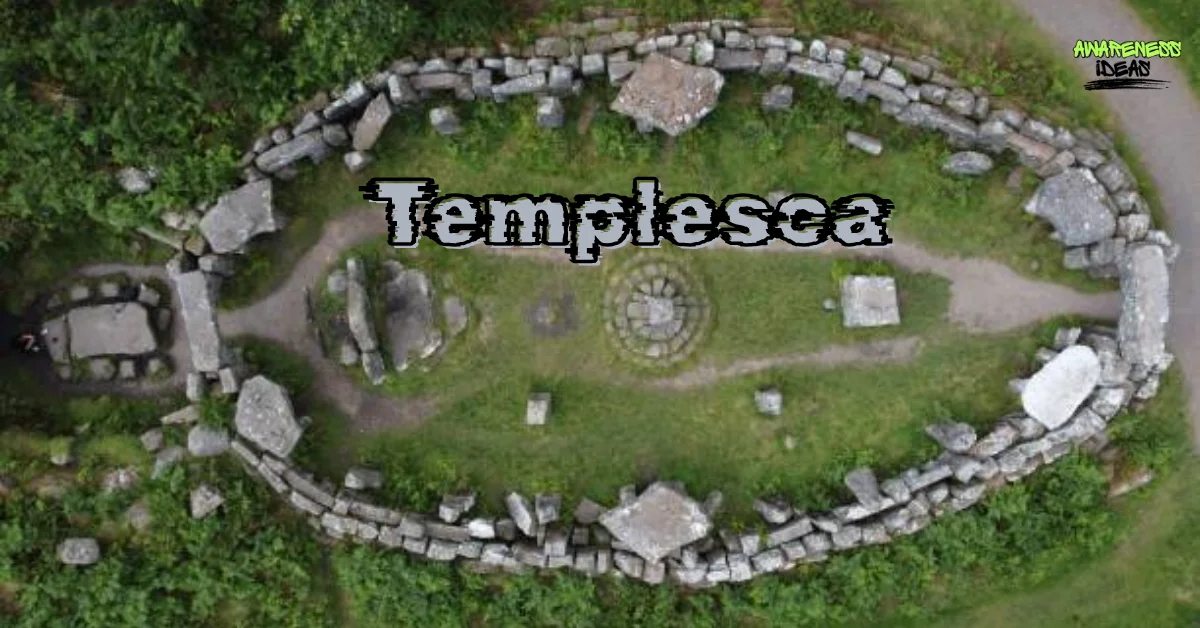
Introduction to Templesca and its significance
Templesca is a term that resonates with the echoes of ancient rituals, architectural marvels, and deep spiritual significance. From the towering spires of Gothic cathedrals to the intricate carvings of Hindu temples, this concept captures a unique intersection between humanity and divinity. Each sacred stone tells its own story—a narrative woven through centuries of devotion, culture, and artistry. As we venture into the world of Templesca, we’ll explore how these structures have shaped societies across continents and continue to inspire awe today. Join us as we unravel the lineage of history embedded in every temple’s foundation.
The Origins of Temple Architecture
Temple architecture has deep roots that stretch back to ancient civilizations. These early structures served as focal points for worship, community gatherings, and celestial observances.
The designs were often influenced by the cultural beliefs of their time. In Mesopotamia, ziggurats rose dramatically from the earth, symbolizing a bridge between humans and deities. Meanwhile, in Egypt, temples dedicated to gods like Amun featured grand columns adorned with intricate hieroglyphs.
As these architectural marvels evolved, they began incorporating local materials such as stone and wood. This not only added beauty but also showcased regional craftsmanship.
Different cultures adapted temple design according to their unique spiritual needs. From Indian mandir styles featuring ornate carvings to Greek temples emphasizing symmetry and proportion—each reflected its society’s values and aspirations within sacred spaces.
These origins laid the groundwork for what we recognize today as templesca—a continued evolution echoing through history’s layers.
Templesca Across Different Cultures and Continents
Templesca manifests uniquely across cultures and continents, reflecting the diverse beliefs of societies throughout history. In India, temples are adorned with intricate carvings that narrate epic tales from mythology. These sacred spaces serve as a bridge between the divine and human realms.
In ancient Greece, stone structures like the Parthenon were not merely places of worship but symbols of democracy and civic pride. The architectural brilliance still inspires awe today.
Traveling to South America, we encounter the vibrant temples of the Incas, built from massive stones without mortar yet perfectly fitted together. Their connection to nature is palpable in every corner.
Africa showcases monumental rock-hewn churches in Ethiopia that blend spirituality with artistry. Each temple tells stories rooted deep within local traditions.
Across these varied landscapes, Templesca connects people to their past while embodying hopes for spiritual transcendence.
The Evolution of Templesca: From Simple Structures to Grandiose Complexes
The journey of templesca is a fascinating one. It began with humble beginnings, often just basic shelters or altars dedicated to deities. Early structures were made from locally sourced materials like wood and stone. They served essential purposes for ritualistic gatherings.
As societies evolved, so did the architecture surrounding worship. Temples became more elaborate, showcasing intricate carvings and advanced engineering techniques. The introduction of columns and domes marked significant milestones in temple design.
Across different societies, these holy venues evolved into vast installations that contained several altars and ritualistic areas. They reflected not only spiritual beliefs but also societal values and hierarchies.
Artisans poured their skills into creating stunning frescoes and sculptures that adorned these monumental buildings.
This evolution highlights humanity’s quest for connection with the divine through increasingly sophisticated forms of expression in architecture.
Mystical Beliefs and Practices Associated with Templesca
Templesca is often steeped in mystical beliefs that transcend mere architecture. It serves as a bridge between the earthly and the divine, attracting people who seek spiritual solace.
Rituals performed within these sacred spaces vary widely across cultures. Some involve offerings to deities, while others are centered on meditation and reflection. These practices create an atmosphere ripe for introspection.
Many believe that templescasa possess energy fields that enhance spiritual experiences. Visitors attest to feeling a profound connection when they step inside, as if the very stones resonate with ancient wisdom.
Throughout history, rituals linked to specific celestial events have been commonplace at various templescasa. Aligning ceremonies with solstices or equinoxes adds another layer of mystique.
Moreover, local legends often echo tales of miracles associated with particular sites. This intertwining of folklore and faith enriches the narrative surrounding each temple structure.
Modern Day Preservation and Restoration Efforts
Today, the preservation of templesca is a vital effort across the globe. Many ancient structures face threats from urbanization and climate change. Communities are stepping up to ensure these sites remain intact for future generations.
Organizations worldwide are mobilizing resources. They employ both traditional techniques and modern technology in restoration projects. Archaeologists work hand-in-hand with architects to maintain structural integrity while honoring original designs.
Educational programs play a significant role too. Local populations learn about their cultural heritage through workshops and guided tours. This fosters respect and encourages stewardship among younger generations.
Funding often comes from international grants, local governments, or crowdfunding platforms aimed at cultural preservation. Engaged citizens rally to support these initiatives, highlighting the importance of historical significance in contemporary society.
Every restored temple not only preserves history but also revives community pride, linking past traditions with present-day practices.
Conclusion: The Enduring Legacy of Templesca
Templesca embodies a rich tapestry of history, culture, and spirituality. It serves as a testament to humanity’s enduring quest for connection with the divine and understanding our place in the universe. These sacred structures reflect not only architectural brilliance but also the deep-rooted beliefs that have shaped civilizations across time.
As we explore ancient ruins or modern temples, we encounter stories etched in stone. Each temple carries whispers of devotion, ritual practices, and communal gatherings that once thrived within its walls. This legacy continues to inspire both reverence and curiosity among those who seek solace or enlightenment.
Today’s preservation efforts aim to safeguard these remarkable sites for future generations. By maintaining them, we ensure that the values they represent remain alive in our collective consciousness. Templesca stands as a bridge linking past traditions with contemporary life—a reminder of what truly connects us all: faith, hope, and the pursuit of knowledge through history’s sacred stones.
The impact of Templesca extends beyond religion; it enriches cultural landscapes and fosters dialogue between diverse communities worldwide. As long as there are people willing to learn from their histories, Templesca will endure—an everlasting symbol of human creativity and spiritual exploration.

Introduction to Snowhiter
Step into a world where every flake of snow tells a story and the air is crisp with enchantment. Welcome to Snowhiter, a breathtaking realm that captures the essence of winter’s beauty. This magical destination transforms landscapes into snowy wonderlands, inviting you to explore its serene charm and vibrant adventures. Whether you seek solitude in the quiet embrace of nature or crave excitement on thrilling slopes, Snowhiter offers something for everyone. Join us as we embark on a journey through this enchanting landscape, celebrating the splendor and tranquility that only winter can provide.
The Inspiration Behind Snowhiter
The concept of Snowhiter emerges from a deep appreciation for winter’s charm. It captures the essence of crisp air and glistening landscapes blanketed in snow. Nature’s artistry inspires this enchanting realm, where every flake tells a story.
This vision draws from folklore and childhood memories of snowy days spent building forts or sipping hot cocoa by the fire. Each moment reflects the serenity found in frosted surroundings.
Artists, writers, and photographers have long sought to encapsulate this beauty. Their works breathe life into Snowhiter’s spirit, inviting others to experience its wonder.
Through Snowhiter, we rediscover joy in simplicity—a gentle snowfall or a quiet forest path can spark imagination and awe. It serves as a reminder that magic exists all around us during winter’s embrace, waiting to be unveiled with each season’s arrival.
Exploring the Magical World of Winter
Winter unveils a magical world that transforms familiar landscapes into stunning vistas. The air feels crisp and invigorating, inviting exploration. Each step through the snow reveals a sparkling blanket of brilliance.
Trees stand adorned in white coats, like sentinels guarding secrets within their branches. Discover hidden trails winding through enchanted forests, where silence reigns supreme except for the soft crunch beneath your boots.
Flurries dance gracefully from the sky, creating whimsical patterns as they fall. This seasonal ballet enchants both young and old alike. Children’s laughter echoes as they build snowmen or engage in spirited snowball fights.
Wildlife appears more elusive but can still be spotted—tracks revealing stories of their journeys across this frosted canvas. Nature’s beauty is amplified by winter’s embrace, offering moments that captivate the heart and soul with wonder at every turn.
Capturing the Beauty of Snowhiter Through Photography
Snowhiter is a photographer’s dream. The landscape transforms into an ethereal canvas, draped in layers of soft white snow. Each flake glistens under the sun, creating a mesmerizing sparkle that invites exploration.
Finding unique compositions becomes effortless among tree branches heavy with frost and serene frozen lakes reflecting pastel skies. Shadows play on untouched snow, revealing textures and patterns that tell their own stories.
Golden hour offers breathtaking views as warm light contrasts sharply with the cool tones of winter. This magical time enhances colors and brings life to even the simplest scenes.
Don’t forget to capture candid moments too—the laughter shared during snowball fights or the quiet contemplation while sipping hot cocoa by a window. These snapshots embody the spirit of Snowhiter, inviting you to relive those fleeting memories for years to come.
Activities and Adventures in a Snowhiter Wonderland
In the heart of Snowhiter, adventure awaits at every turn. Picture yourself gliding down powdery slopes on a snowboard or skis. The thrill rushes through you as you navigate the pristine trails.
For those seeking tranquility, snowshoeing offers a peaceful escape into nature’s embrace. With each step, the crunch of fresh snow beneath your feet enhances your connection to this winter wonderland.
Families can gather for exhilarating sledding sessions on gentle hills. Laughter fills the air as children race down with shouts of joy.
As dusk approaches, ice skating becomes an enchanting experience under twinkling lights. The serene atmosphere invites both novice and skilled skaters alike to glide gracefully across frozen lakes.
Don’t forget about cozy fireside moments! Hot cocoa in hand, sharing stories brings warmth that matches the beauty surrounding you in Snowhiter’s embrace.
Embracing the Serenity and Peace of Snowhiter
Snowhiter invites you to pause and breathe deeply. The stillness of a snow-covered landscape creates a refuge from the chaos of daily life. Each flake that falls adds to the quiet blanket, muffling sounds and calming thoughts.
As you walk through this winter wonderland, serenity envelops you. The crisp air invigorates your lungs while soft light dances on pristine white surfaces. It’s as if nature gently whispers reminders to slow down and appreciate each moment.
Finding peace in Snowhiter is effortless. Simple joys emerge—building a snowman or catching snowflakes on your tongue become meditative experiences.
With every step into Snowhiter’s embrace, worries fade away like footprints in fresh powder. Here, tranquility reigns supreme; it nourishes the soul and revives weary spirits waiting for warmth once again.
The Impact of Snowhiter on Mental Health and Well-Being
Snowhiter offers a serene escape from the cacophony of daily life. The tranquil landscapes blanketed in white invite reflection and mindfulness.
Winter’s beauty has a way of soothing the mind. Crisp air fills your lungs, invigorating your spirit while gently pushing away stress. Each snowflake is unique, reminding us to appreciate the small wonders around us.
Engaging with nature during this season can elevate mood levels significantly. Activities like skiing or simply walking in untouched powder provide joy and excitement that combat feelings of isolation.
Moreover, Snowhiter fosters connections—whether bundled up with friends by a fire or sharing laughter over winter sports. These moments deepen relationships and enhance emotional well-being.
The snowy canvas encourages creativity too; it inspires artists and writers alike to express their thoughts freely amid such breathtaking views.
Conclusion: Embrace the Enchantment of Snowhiter Today
Embrace the enchanting allure of Snowhiter. Allow yourself to be captivated by its pristine landscapes and serene ambiance. This magical realm offers an escape from the hustle and bustle of daily life, inviting you to immerse yourself in nature’s beauty.
As you explore Snowhiter’s breathtaking scenery, take a moment to appreciate the gentle whisper of falling snowflakes and the tranquility that surrounds you. Whether through photography or engaging in outdoor activities, each experience here can rejuvenate your spirit.
Remember that this enchanted winter wonderland has more than just visual appeal; it also supports mental well-being. The serenity found within Snowhiter encourages mindfulness and reflection, providing necessary respite for busy minds.
So venture into this captivating domain where peace reigns supreme. Discover your own journey amidst these snowy landscapes, letting them inspire joy and creativity as they unfold around you. Embrace every moment spent in Snowhiter; it’s a place where memories are made against a backdrop of winter’s timeless beauty.

How General Dentistry Protects Oral Health Across Every Stage Of Life

How Cosmetic Dentists Personalize Care For Each Patient

5 Questions To Ask Your Implant Dentist Before Treatment

3 Services That Define Comprehensive Family Dental Care

Why Smile Makeovers Often Involve Both Orthodontics And Cosmetic Dentistry
-

 General1 month ago
What Is Felixing? The Truth Behind a Junk Keyword
-

 Health8 months ago
Lufanest: Effective Local Anesthesia with Fewer Risks
-

 Entertainment2 months ago
هنتاوي.com: Your Gateway to Arabic Anime Content
-

 General9 months ago
bardoek: The Artistic Heritage Inspiring Modern Creative Trends
-

 General8 months ago
Discover Anonib AZN: An Anonymous Asian Forum
-

 Fashion1 month ago
Fashionisk .com Explained: A Closer Look Before You Click
-

 General1 month ago
What Is Euroyungs Com? What I Found After Digging In
-

 Lifestyle9 months ago
Mariano Iduba: A Visionary Leader in Global Digital Growth