
General
How do Fin Configuration Variations and Their Impact on Wave Control?


A surfboard can feel fast, loose, settled, or difficult long before a rider changes stance or trims a line. Much of that sensation starts beneath the board, where fin configuration shapes how water releases, how the tail tracks, and how a turn finishes. Small adjustments in fin count, placement, size, and cant can alter control in ways that are immediately noticeable across different wave types. Riders often focus on outline or volume first, yet fin setup quietly determines whether a board holds through a carving arc or breaks free when the face steepens. That makes fin design central to wave control, not just an accessory.
Control Through Fin Choice
Single Fin Drive and Drawn Lines
Single-fin setups create a very distinct relationship between board and wave face. With one central fin anchoring the tail, the board tends to track in a smooth, predictable line, encouraging longer arcs rather than rapid direction changes. This can feel composed and connected in clean, open-faced surf where trimming and flowing through sections matter more than snapping tight in the pocket. Because there is less lateral resistance spread across the tail, the board often transitions with a more deliberate rhythm, which many surfers interpret as control through simplicity rather than quick response. The hold comes from a centered point of guidance, so adjustments in weight placement strongly affect how much the board pivots or continues down the line. In smaller, softer waves, that quality can preserve speed without creating excessive drag. In steeper or more critical sections, however, a single fin may feel less forgiving when a surfer needs rapid release followed by immediate recovery. Its control is real, but it favors composure, trim, and sustained engagement over abrupt redirection.
Twin and Thruster Balance Differences
Twin-fin and thruster setups split wave control into two very different philosophies. A twin-fin board often feels lively because the tail creates less drag and sheds water quickly, allowing for acceleration with minimal effort. That looseness can be exciting in weak surf and playful faces, where quick bursts of speed are valuable and wide directional changes feel natural. The tradeoff is that control under strong pressure may feel less anchored, especially when the wave grows steeper or when the rider drives hard off the bottom. Thrusters, by contrast, introduce a center fin that stabilizes the tail and increases confidence during tighter, more forceful turns. That added fin changes how the board holds when the rail is buried and makes recovery from late adjustments more dependable. Many surfers use an online surfboard volume calculator for board sizing before buying. Still, fin setup often determines whether that board feels steady or overly reactive once it hits real surf. The thruster’s control comes from balanced resistance, giving the rider a clearer platform for pocket surfing, vertical turns, and sections that demand precision rather than glide.
Quads, Placement, and Release Timing
Quad configurations offer another layer of control by removing the center fin and distributing the hold more evenly along the rails. This often produces a fast, engaged feeling because water exits with less interruption through the middle of the tail while the rail fins maintain grip during drive. In lined-up surf, that can translate to remarkable speed and a strong sense of projection down the face. A quad frequently feels more planted than a twin yet freer than a thruster, which is why many surfers choose it for waves where pace and hold must coexist. Still, control is not defined by fin count alone. Placement, toe-in, rake, cant, and foil all shift how the board behaves under load. Rear fins set too far back may increase hold but reduce responsiveness; fronts with more rake may lengthen turns, while more upright templates encourage quicker pivots. These nuances affect release timing, which is central to wave control. A board that releases too early may slide unpredictably, while one that resists release can feel stuck. Fine-tuning fin geometry helps surfers match their board not only to wave shape, but also to how they want control to feel under their feet.
Matching Setup to Intent
Fin configuration is ultimately about directing how a surfboard negotiates pressure, speed, and release across changing wave faces. Single fins support calm trimming and long arcs, twins encourage lift and freedom, thrusters emphasize stability through committed turns, and quads blend speed with strong rail-driven hold. None of these arrangements works the same in every condition because control depends on the interaction between fin design, board shape, rider input, and wave energy. That is why thoughtful fin selection matters so much. It shapes not only how the board performs, but also how confidently a surfer can read and respond to the water beneath them.

Introduction to Betanden and its Origin
Have you ever found yourself lost in thought, scrolling mindlessly through your phone or zoning out during a mundane task? Welcome to the world of betanden. This fascinating phenomenon quietly influences our lives and shapes our daily experiences without us even realizing it. Originating from the intersection of psychology and neuroscience, betanden represents the automation that occurs within our minds as we navigate through repetitive actions and decisions.
In this blog post, we’ll delve into what exactly betanden is, its impact on society at large, and how it operates within our brains. As we explore this silent force that governs so much of our behavior, you’ll discover both its benefits and challenges. Get ready to uncover how understanding betanden can empower you to take control of your life while still embracing its advantages!
The Definition of Betanden and its Impact on Society
Betanden refers to the subconscious automation of thoughts and actions that shape our daily lives. It’s a process through which our brains create mental shortcuts, allowing us to navigate complex tasks with minimal conscious effort.
This phenomenon has significantly impacted society by streamlining decision-making. People can manage their routines more efficiently, often relying on established patterns without active engagement.
However, this reliance on betanden can lead to diminished creativity and critical thinking. When we automate too many processes, we risk becoming passive participants in life rather than active creators.
Additionally, societal norms are influenced by collective betanden behaviors. Trends emerge as groups unconsciously adopt similar mindsets or habits over time. This shared experience fosters unity but may also limit diversity in thought and action.
As technology progresses, the implications of betanden will continue to evolve, raising questions about autonomy versus convenience in modern living.
Understanding the Process of Betanden in the Brain
Betanden, an intriguing phenomenon, occurs within the intricate networks of our brain. It’s a process where thoughts and actions become almost automatic. This is rooted in neural pathways that strengthen through repetition.
When you engage in a task often, your brain starts to streamline information processing. Patterns emerge, allowing for quicker responses without conscious effort. This efficiency can be beneficial when mastering skills such as driving or playing an instrument.
At its core, betanden relies on dopamine release—an essential chemical for motivation and reward. As we repeat behaviors linked with positive outcomes, these connections grow stronger.
Interestingly, while this automation aids productivity, it can also lead to mindless routines. Recognizing when you’re operating on autopilot is crucial for maintaining awareness and intentionality in daily life.
The Effects of Betanden on Daily Life
Betanden subtly shapes our daily experiences, often without us even realizing it. This mental automation can streamline decisions and actions, making life feel smoother.
Consider your morning routine. You might brush your teeth or brew coffee on autopilot. These tasks require little conscious thought, freeing up mental energy for more complex challenges ahead.
However, this convenience comes with a downside. When we rely too heavily on Betanden, creativity may dwindle. Routine can dull excitement and innovation in both personal and professional spheres.
Social interactions also shift under the influence of Betanden. Conversations may become predictable as we fall into established patterns rather than exploring new topics or ideas.
Embracing Betanden offers efficiency but reminds us to sprinkle spontaneity back into our lives from time to time. Balancing these effects enriches daily existence while keeping monotony at bay.
Advantages and Disadvantages of Betanden
Betanden presents a fascinating blend of benefits and drawbacks. On the positive side, it streamlines daily decision-making. When habits form through Betanden, they free up mental space for creativity and more significant challenges.
Additionally, this phenomenon can enhance productivity. By automating routine tasks, individuals find themselves with extra time to focus on meaningful projects or personal growth.
However, there are pitfalls too. Relying heavily on Betanden may lead to complacency. It can dull critical thinking skills if one simply goes through the motions without mindfulness.
Moreover, excessive automation might create disconnects in social interactions. Genuine communication can suffer when people prioritize efficiency over connection.
Striking a balance is essential here. Recognizing when Betanden serves you versus when it hinders personal development requires ongoing self-awareness and reflection. This duality makes understanding Betanden both intriguing and necessary for navigating modern life effectively.
How to Recognize and Control Betanden?
Recognizing betanden’s starts with self-awareness. Pay attention to your thoughts and behaviors throughout the day. Notice moments when routine tasks become automatic. Are you completing them without conscious thought? That’s a sign.
Next, keep a journal of your daily activities. Document when you feel fully engaged versus when you’re on autopilot. This contrast can reveal patterns in your life influenced by betanden’s.
Controlling it requires intention. Set aside time for mindfulness practices—like meditation or deep breathing exercises—to anchor yourself in the present moment.
Experiment with new routines or environments to disrupt habitual thinking patterns. A change might help re-engage your mind actively rather than letting it drift into automatic mode.
Engaging in conversations about diverse topics can also stimulate awareness, making you less susceptible to falling into repetitive thought cycles brought on by betanden’s.
Conclusion: Embracing the Benefits of Betanden while Maintaining Balance in Life
Betanden offers a fascinating glimpse into how our minds quietly automate tasks and decisions in everyday life. By understanding this concept, we can appreciate the powerful mechanisms at play within our brains.
Embracing Betanden allows us to streamline routine activities, freeing up mental space for creativity and deeper thinking. However, it is essential to remain aware of its potential downsides, such as becoming overly reliant on automated processes or losing touch with mindful engagement.
Recognizing when you might be operating on autopilot is crucial. This self-awareness can help you strike a balance between leveraging the advantages of Betanden while ensuring that you’re fully present in your daily experiences.
Finding harmony in this silent automation will enable individuals to harness its benefits without sacrificing intentionality and connection in their lives. Embracing both sides fosters growth and well-being amid an increasingly fast-paced world.


Introduction to Hitsujikai Arupaka and its origins
Welcome to the fascinating world of Hitsujikai Arupaka, where the charm of alpacas meets rich cultural heritage. These adorable creatures have been a part of Andean life for thousands of years, and their significance stretches far beyond fluffy coats and friendly faces. As we delve into their origins and impact on modern culture, you’ll discover how these gentle animals have woven themselves into the fabric of society. From ancient traditions to contemporary practices, hitsujikai arupaka offers insights that are both intriguing and heartwarming. Let’s embark on this journey through history, artistry, and community as we explore everything from alpaca farming to their role in popular culture.
The significance of alpacas in ancient Andean cultures
Alpacas hold a cherished place in ancient Andean cultures, often regarded as symbols of wealth and prosperity. These gentle creatures were integral to the daily lives of the Inca civilization, providing not just wool but also companionship.
In many ways, alpacas shaped agricultural practices and social structures. Their soft fleece was woven into textiles that adorned royalty and used for trade among tribes. This relationship went beyond utility; it represented harmony with nature.
Additionally, alpacas played a role in religious ceremonies. They were believed to be messengers between humans and deities, embodying spiritual significance that resonated deeply within these communities.
Their presence influenced art and storytelling as well, becoming subjects in pottery and folklore passed down through generations. Today’s understanding of this bond enriches our appreciation for both the animals themselves and their enduring legacy.
Modern day alpaca farming and production
Modern-day alpaca farming has evolved significantly from its ancient roots. Farmers now utilize advanced breeding techniques to enhance desirable traits in these gentle creatures. This results in healthier animals and superior fleece quality.
Sustainable practices are at the forefront of many farms today. Alpacas have a minimal environmental impact compared to other livestock. Their soft feet cause less damage to pasturelands, allowing for effective land use without overgrazing.
Farmers often diversify their operations by incorporating agritourism activities. Visitors can experience farm life firsthand, interact with the animals, and learn about fiber production.
The demand for alpaca wool continues to rise globally due to its warmth and softness. As awareness grows about sustainable fashion, more people appreciate eco-friendly materials like alpaca fleece.
This shift not only benefits farmers but also promotes a deeper connection between consumers and their clothing origins.
Alpaca wool and its uses
Alpaca wool is a luxurious, soft fiber known for its remarkable qualities. It is warmer than sheep’s wool yet lighter, making it an ideal choice for garments.
This unique material comes in over 22 natural colors, allowing artisans to create stunning textiles without the need for dyes. Its versatility shines through in fashion items like sweaters, scarves, and hats.
Beyond clothing, alpaca fibers are used in blankets and home decor. The hypoallergenic nature of this wool attracts those with sensitivities to traditional materials.
The durability of alpaca wool means products can withstand wear while still looking vibrant and fresh after many uses. This quality contributes to the growing popularity of alpaca-based goods among eco-conscious consumers.
Crafting with alpaca also supports sustainable farming practices that benefit local communities and environments alike.
Hitsujikai Arupaka in popular culture
Hitsujikai Arupaka has found its niche in popular culture, charming audiences around the globe. From animated series to social media trends, these adorable creatures captivate hearts with their unique personalities.
In Japanese anime and manga, alpacas often serve as quirky sidekicks or endearing mascots. Their fluffy appearances and gentle demeanor make them a perfect fit for family-friendly entertainment. Fans adore how they embody a sense of whimsy and joy.
Social media platforms are bursting with alpaca-themed content. Influencers share picturesque moments at farms or during encounters with these animals, sparking interest in alpaca tourism. Each post celebrates their cuteness while raising awareness about conservation efforts.
Video games also embrace hitsujikai arupaka elements through character designs and storyline integrations. Players enjoy engaging quests that involve caring for or befriending virtual alpacas, further solidifying their presence in contemporary digital narratives.
How alpacas are portrayed in media and their impact on society?
Alpacas have carved a niche in popular media, often depicted as whimsical and endearing creatures. Their fluffy demeanor and gentle nature make them ideal characters for children’s shows, animations, and even social media memes.
Movies like “The Emperor’s New Groove” introduced audiences to the quirky charm of llamas and alpacas alike. These portrayals elevate their status from mere livestock to beloved icons, influencing public perception.
In online culture, videos featuring alpacas frequently go viral. Their playful antics captivate viewers and promote a sense of joy that resonates across generations. This visibility fosters interest in alpaca farming as an eco-friendly alternative.
Moreover, these charming animals challenge stereotypes about agriculture by promoting sustainable practices. As people become more aware of their benefits, the cultural significance of alpacas continues to grow within society.
The rise of alpaca tourism
Alpaca tourism is rapidly gaining popularity across the globe. Travelers are increasingly drawn to experiences that offer a unique connection with nature and animals. Alpacas, known for their gentle demeanor, provide just that.
Farm visits allow guests to interact closely with these charming creatures. Many farms offer guided tours where visitors can feed, groom, and even walk an alpaca through picturesque landscapes. These interactions create lasting memories.
In regions like Peru, cultural experiences are intertwined with alpaca encounters. Tourists not only learn about the animals but also discover traditional weaving techniques using alpaca wool.
With social media showcasing adorable moments between tourists and alpacas, interest in this niche has soared. Images of plush coats and peaceful countryside settings saturate social media, enticing travelers who crave hands-on tourism experiences centered on these captivating creatures.
Conclusion
Hitsujikai Arupaka has woven its way into the fabric of both ancient and modern cultures. From its roots in Andean traditions to its current status as a beloved animal in popular culture, alpacas have transcended their roles as mere livestock. They symbolize sustainability and artistry through their luxurious wool, which continues to hold significant value today.
The rise of alpaca farming speaks volumes about our desire for ethical practices within agriculture while also granting us access to high-quality materials that blend comfort with sophistication. Additionally, the allure of alpaca tourism showcases how these gentle creatures can foster connections between humans and nature.
As we embrace hitsujikai arupaka, we not only celebrate a rich heritage but also look toward a future where these animals remain cherished companions on farms and throughout media landscapes. The impact they leave is profound a legacy intertwined with love, creativity, and community spirit that resonates through generations.
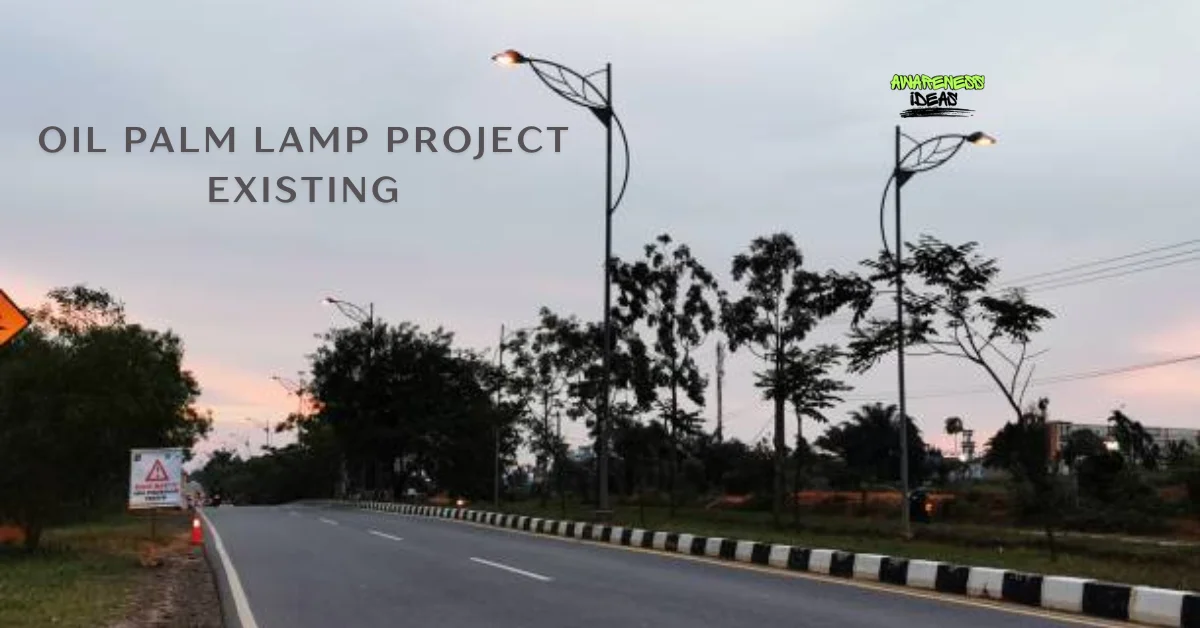
Introduction to the Oil Palm Lamp Project existing
In a world where the demand for sustainable energy solutions is on the rise, innovative projects are paving the way to a greener future. One such initiative gaining traction is the Oil Palm Lamp Project Existing. This groundbreaking endeavor harnesses biofuel derived from oil palm trees to illuminate our streets sustainably. Imagine wandering through your neighborhood at night, bathed in soft light powered by renewable resources. It’s not just a dream; it’s becoming reality thanks to this remarkable project.
The Oil Palm Lamp Project exists as an example of how communities can make great strides toward energy independence and environmental responsibility. As we delve deeper into what makes this project special, you’ll discover how it leverages natural resources while also supporting local economies and addressing pressing energy needs. Let’s shine some light on this fascinating journey towards sustainability!
What is Biofuel and its Benefits?
Biofuel is a form of renewable energy created from organic matter. Oil Palm Lamp Project Existing includes plant oils, agricultural waste, and even animal fats. As the world seeks alternatives to fossil fuels, biofuels are gaining traction.
One of the primary benefits of biofuels is their potential to reduce greenhouse gas emissions. When burned, they emit lower levels of carbon dioxide compared to traditional fuels. This can significantly help combat climate change.
Additionally, biofuels contribute to energy security by diversifying fuel sources. Communities can produce their own biofuels locally, reducing reliance on imported oil.
They also promote agricultural development and job creation in rural areas. By utilizing local resources for energy production, economies can grow while supporting sustainable practices.
By burning more cleanly, biofuels help reduce pollution and enhance air quality in cities. This leads to healthier living conditions for residents everywhere.
The Innovation behind the Biofuel Street Light Hub
The Biofuel Street Light Hub represents a groundbreaking shift in urban lighting solutions. By harnessing waste from oil palm production, this initiative transforms byproducts into sustainable energy.
Each street light is powered by biofuels generated from discarded palm oil residues. This innovative approach not only reduces waste but also provides a renewable energy source for communities.
Advanced technology ensures that these lights are efficient and reliable. Smart sensors adjust brightness based on surrounding conditions, optimizing power usage while enhancing safety.
This system’s design emphasizes easy installation and maintenance, making it adaptable to various environments. Communities can now benefit from consistent illumination without straining their budgets or the environment.
Engaging local stakeholders has been essential for successful implementation. Their insights help tailor the project to meet specific community needs, ensuring that the benefits of this innovation are widely felt.
How the Oil Palm Lamp Project is Helping Communities?
The Oil Palm Lamp Project serves as a beacon of hope for many communities. By utilizing waste from oil palm production, it transforms what was once discarded into valuable energy resources.
Local residents gain access to sustainable lighting. This innovation enhances safety during nighttime hours, allowing families and businesses to thrive after dark.
Additionally, the project fosters economic growth by creating job opportunities in maintenance and operations. Villagers can earn an income while contributing to environmental sustainability.
Education also benefits significantly from this initiative. Schools that previously lacked sufficient lighting can now extend learning hours and improve educational outcomes.
Through community involvement, people feel empowered and engaged in their own development. The Oil Palm Lamp Project is more than just a source of light; it symbolizes unity and resilience within these communities.
Challenges and Solutions for Implementing Biofuel Street Lights
Implementing biofuel street lights presents a range of challenges that need addressing. A significant obstacle is the upfront investment required to get started. Communities may hesitate to invest upfront without seeing immediate benefits.
Another challenge lies in sourcing reliable raw materials for biofuel production. Fluctuations in supply can disrupt energy consistency, making it crucial to establish dependable partnerships with local farmers and suppliers.
Maintenance also poses a concern. Unlike traditional systems, biofuel street lights require specific knowledge for upkeep. Training local technicians can bridge this gap and ensure smooth operations.
Community acceptance is vital too. Many residents might be unaware of biofuels’ advantages or harbor misconceptions about technology reliability. Educational initiatives can help foster understanding and support for these sustainable solutions.
Integration into existing infrastructure requires careful planning to avoid disruption during installation while ensuring compatibility with current systems.
The Future of Sustainable Energy with Biofuels
The future of sustainable energy is bright, especially with the rising interest in biofuels. These renewable resources promise to reduce greenhouse gas emissions significantly.
Produced from organic substances such as oil palm residue, biofuels provide a more eco-friendly substitute for traditional fossil fuels. As technology advances, efficiency in converting biomass into fuel continues to improve.
Innovative projects around the globe are exploring various feedstocks and methods for biofuel production. This opens doors for local economies while promoting environmental stewardship.
Communities can benefit from job creation in farming and processing sectors. The focus on local resources fosters resilience against fluctuating global oil prices.
As awareness grows, more investments are flowing into biofuel technologies. Research institutions and startups collaborate to develop next-gen solutions that enhance sustainability further.
Conclusion: Joining the Movement towards a Greener Future
The Oil Palm Lamp Project is more than just a lighting solution. It embodies the shift towards sustainable energy by utilizing biofuels derived from oil palm waste. This innovative approach not only addresses energy needs but also promotes environmental responsibility.
As communities adopt these biofuel street lights, they experience reduced carbon footprints and increased awareness of renewable resources. The challenges faced in implementing this project are met with creative solutions, paving the way for broader adoption and enhanced technology.
Looking ahead, the future of sustainable energy through biofuels is bright. As initiatives like the Oil Palm Lamp Project gain momentum, we take significant strides toward a greener world. By supporting such projects, individuals and organizations can contribute to a cleaner environment while enjoying modern conveniences.
Joining this movement means embracing innovation and sustainability together. Each step taken today brings us closer to healthier ecosystems and vibrant communities fueled by renewable energy sources.

How General Dentistry Protects Oral Health Across Every Stage Of Life

How Cosmetic Dentists Personalize Care For Each Patient

5 Questions To Ask Your Implant Dentist Before Treatment

3 Services That Define Comprehensive Family Dental Care

Why Smile Makeovers Often Involve Both Orthodontics And Cosmetic Dentistry
-

 General1 month ago
What Is Felixing? The Truth Behind a Junk Keyword
-

 Health8 months ago
Lufanest: Effective Local Anesthesia with Fewer Risks
-

 Entertainment2 months ago
هنتاوي.com: Your Gateway to Arabic Anime Content
-

 General9 months ago
bardoek: The Artistic Heritage Inspiring Modern Creative Trends
-

 General8 months ago
Discover Anonib AZN: An Anonymous Asian Forum
-

 Fashion1 month ago
Fashionisk .com Explained: A Closer Look Before You Click
-

 General1 month ago
What Is Euroyungs Com? What I Found After Digging In
-

 Lifestyle9 months ago
Mariano Iduba: A Visionary Leader in Global Digital Growth