
General
Understanding Ankle Surgery: What Athletes Need to Know


An ankle injury can stop an athlete in a second. One wrong step, one hard fall, and the game changes. Pain, swelling, and fear of long recovery can follow. For active people, this can feel frustrating and scary.
Though the ankle is small, it bears significant weight and force. When rest and therapy are not enough, surgery may be the next step. If you are an athlete facing this choice, keep reading to understand what ankle surgery means and what to expect.
Why Athletes May Need Ankle Surgery
Athletes put stress on their ankles every day. Running, jumping, and quick turns can strain ligaments and bones. Most injuries heal with rest and physical therapy. But some do not.
Severe sprains can tear ligaments. Fractures can break bones in the joint. Repeated injuries may lead to chronic instability, where the ankle keeps giving way. In these cases, surgery may help repair damage and restore strength.
Doctors often try non surgical treatments first. Ice, braces, and rehab exercises are common steps. If pain and weakness continue, surgery may offer a more lasting solution.
Types of Ankle Surgery
There are different kinds of ankle surgery based on the injury. One common type is ligament repair. This tightens or rebuilds torn ligaments to improve stability.
Another type is fracture repair. In this procedure, surgeons use metal plates or screws to hold broken bones in place while they heal.
Some athletes develop cartilage damage inside the joint. Arthroscopic surgery uses small tools and a tiny camera to clean or fix damaged areas. This method often means smaller cuts and faster recovery.
Specialists, including Boise orthopedic surgeons, assess the injury and choose the right approach based on the athlete’s needs and goals.
What to Expect During Recovery
Recovery takes time and patience. After surgery, the ankle may be placed in a cast or boot to protect it. Crutches are often needed at first to keep weight off the joint.
Physical therapy plays a big role in healing. Exercises help restore strength, balance, and range of motion. Skipping therapy can slow progress and increase the risk of new injury.
Most athletes cannot return to sports right away. The timeline depends on the type of surgery and how well the body heals. It may take weeks or even months before full activity is safe.
Staying positive during this time is important. Setting small goals can help keep motivation strong.
Risks and Long Term Outlook
Like all surgeries, ankle procedures carry some risks. Infection, stiffness, or slow healing can happen. However, careful follow up care reduces these risks.
Many athletes return to their sport after proper healing and rehab. In fact, surgery can improve stability and reduce pain, helping performance in the long run.
Listening to medical advice is key. Rushing back too soon can cause setbacks.
Stepping Back Onto the Field with Confidence
Ankle surgery can feel like a big step, but it may be the right one for lasting recovery. By understanding the reasons, the process, and the healing journey, athletes can face the decision with clarity.
With the right care and steady rehab, the road back to sports is possible. Strength, patience, and expert support can help you step onto the field again with renewed confidence and trust in your body.
For more on this content, visit the rest of our blog!


Custom lanyards are more than simple neck straps—they are powerful branding tools that can enhance recognition, promote professionalism, and leave a lasting impression on clients, employees, and event attendees. When designed thoughtfully, a lanyard becomes a functional accessory that people actually want to wear, while also reflecting your business identity.
This guide explores how to design the perfect custom lanyard for your business, from materials and colors to logos and finishing touches, ensuring your investment is both effective and memorable.
Start With the Purpose of Your Lanyard
Before diving into design, clarify the goal of your custom lanyard. Are you using it for:
- Employee identification in the office or factory?
- Trade shows, exhibitions, or conferences?
- Customer giveaways or promotional events?
The purpose will influence your design choices, such as the type of material, the width of the strap, and the level of customization. For example, lanyards for high-traffic events may need durable, comfortable fabrics that can withstand long-term use, while office ID lanyards might prioritize professional, subtle branding.
Choose the Right Material
The material of a lanyard affects both comfort and perception. Common options include:
- Polyester: Soft, durable, and cost-effective, ideal for most business and promotional uses.
- Nylon: Smooth and shiny, often used for premium lanyards that convey a professional look.
- Woven or Jacquard: Allows for intricate patterns and higher quality branding, making them ideal for logos or text that need clarity.
- Eco-Friendly Options: Bamboo or recycled materials appeal to businesses emphasizing sustainability.
Comfort matters as much as aesthetics. A rough or stiff strap will likely be removed quickly, reducing brand visibility.
Determine the Right Width and Length
Lanyard width influences both comfort and visibility. Narrow lanyards (0.5” to 0.75”) are subtle and lightweight, suitable for events where minimalism is preferred. Wider lanyards (1” to 1.5”) offer more space for branding, allowing logos, slogans, or designs to stand out clearly.
Length is equally important. Standard lanyards usually measure 36” to 38” total, allowing badges to hang comfortably at chest level. Adjustable options may be necessary for events with diverse attendees or staff members.
Select the Best Attachment Style
The attachment style determines how your lanyard connects to IDs, badges, or other accessories. Popular options include:
- Swivel Hooks: Durable and allow badges to rotate freely.
- Bulldog Clips: Easy to attach and remove, suitable for casual settings.
- Key Rings: Great for multifunctional lanyards, especially when carrying keys or small items.
- Breakaway Clasps: Safety feature for workplaces where lanyards may snag on equipment.
Your choice should align with the lanyard’s intended use while maintaining convenience and safety.
Design With Your Brand in Mind
Custom lanyards are an extension of your brand. Effective designs balance visibility with style:
- Logo Placement: Decide whether the logo will repeat along the strap or appear once in a central position. Repeating logos are common for events, while single logos can feel more professional in corporate settings.
- Color Scheme: Match your brand’s primary colors to create a cohesive look. High-contrast designs improve readability, especially for woven or printed text.
- Typography: Keep text clear and legible. Avoid overly decorative fonts that can be hard to read at a glance.
- Graphics and Patterns: Subtle patterns, stripes, or textures can enhance the lanyard’s appeal without overwhelming the brand message.
Platforms like 4inlanyards allow businesses to design lanyards with full customization, no minimum orders, and high-quality finishes. This flexibility makes it easy to experiment with design elements and find the perfect combination.
Consider Functional Features
Beyond aesthetics, think about functionality:
- Durability: Reinforced stitching or woven logos ensure the lanyard lasts longer.
- Comfort: Soft edges and smooth finishes reduce irritation during extended wear.
- Safety: Breakaway features or adjustable clasps enhance safety for employees in physical environments.
- Versatility: Lanyards that can hold multiple items, like keys, cards, or USB drives, add extra value.
Balancing style with practicality ensures your lanyards are not only attractive but also genuinely useful.
Plan for Quantity and Distribution
Even with a perfect design, the lanyard’s impact depends on distribution. For events, give lanyards at registration desks, workshops, or networking sessions to ensure maximum visibility. For internal use, provide them to all employees to standardize branding across your organization.
No matter the quantity, high-quality lanyards reinforce professionalism. Businesses can now order small batches thanks to no-minimum custom lanyard options, making it easy to test designs before full-scale production.
Final Takeaway
Designing the perfect custom lanyard requires careful attention to material, size, attachment style, design, and functionality. A thoughtfully crafted lanyard enhances brand visibility, improves attendee or employee experience, and leaves a lasting impression.
When executed properly, your custom lanyard is no longer just a badge holder—it becomes a wearable extension of your brand, combining practicality with style. With the right approach, businesses can create lanyards that people actually want to wear while reinforcing professional identity and brand recognition.
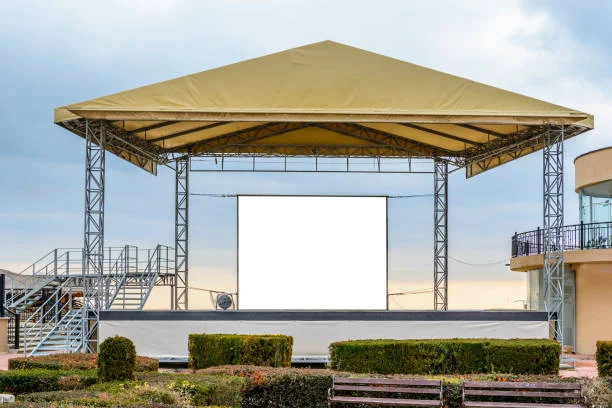
Organizing an outdoor event presents a unique set of logistical challenges, from unpredictable weather to the physical comfort of attendees. However, one of the most consistent factors planners must address is sun exposure. Whether it is a high-stakes corporate golf tournament, a bustling summer music festival, or a local charity 5K, providing adequate sun protection is not just a matter of comfort—it is a matter of safety and guest satisfaction. This is where “Sunshine Solutions” come into play, specifically through the strategic use of custom headwear. By integrating branded protection into your event toolkit, you transform a functional necessity into a powerful marketing asset.
The Critical Role of Sun Protection in Event Planning
When attendees spend hours under direct sunlight, the risk of heat exhaustion and UV damage increases significantly. While stationary shade structures like tents and umbrellas are essential, they limit mobility. Personal sun protection, such as custom visors and bandanas, allows guests to move freely while maintaining a constant shield against the glare.
From a branding perspective, these items offer a distinct advantage over traditional promotional products like pens or stickers. Headwear is worn at eye level, ensuring that your logo or event name is the first thing people see during face-to-face interactions. When you provide a high-quality visor that effectively blocks the sun, the recipient associates your brand with relief and utility.
Why Custom Visors are the Professional Standard
Among the various options for outdoor headwear, the custom visor remains a top choice for professional and athletic settings. Unlike a traditional cap, a visor features an open-top design that allows for maximum ventilation. This is a crucial “Why” for event planners: in high-heat environments, heat escapes through the top of the head. A visor provides the necessary brim to protect the eyes and face while preventing the “hat hair” and trapped heat associated with full-coverage caps.
For those looking to source high-quality, customizable options, 4inbandana provides a specialized platform for creating gear that balances professional aesthetics with rugged durability. Their custom visors are designed to handle the rigors of outdoor use while offering a clean canvas for intricate branding.
Technical Considerations for Event Headwear
To ensure your “Sunshine Solutions” actually perform as intended, you must look closely at the “How” of their construction. Not all promotional headwear is created equal. When selecting custom gear for an outdoor event, consider these three technical pillars:
- Moisture Management: Outdoor events often involve physical activity or high humidity. Look for visors and bandanas made from moisture-wicking synthetic blends or high-absorbency cotton. These materials pull sweat away from the forehead, preventing it from reaching the eyes—a common complaint among outdoor event participants.
- Brim Geometry and Eye Protection: The primary function of a visor is to provide shade. A curved brim is generally superior for athletic events as it offers peripheral sun protection, whereas a flatter brim may offer a more modern, lifestyle-oriented look.
- Adjustability and Universal Fit: Event planners rarely have the luxury of knowing every attendee’s hat size. Utilizing adjustable hook-and-loop fasteners or elastic bands ensures a “one-size-fits-all” solution, reducing the logistical headache of inventory management.
Maximizing Brand Visibility through Design
The “How” of your design is just as important as the “How” of the construction. Because a visor has a limited surface area—primarily the front crown and the brim—the design must be optimized for legibility.
- High-Contrast Palettes: Use a dark logo on a light fabric (or vice versa) to ensure the branding is visible from a distance.
- Minimalist Typography: Since the band of a visor is narrow, avoid overly complex fonts. Clean, sans-serif typography ensures that your event name is readable even in motion.
- Subtle Brim Printing: For a premium feel, consider printing a subtle pattern or a website URL on the underside of the brim. It’s an unexpected detail that adds a touch of sophistication to the gear.
Beyond the Event: The Longevity of Utility
The true ROI of a branded visor or bandana lies in its life after the event. Unlike a disposable water bottle or a paper flyer, a well-made visor becomes a part of the user’s personal outdoor gear. They will wear it to the beach, on morning runs, or during weekend gardening. Every time they do, your brand receives additional impressions in a natural, high-trust environment.
By focusing on “Sunshine Solutions,” event organizers move away from “junk” promo items and toward functional apparel. By visiting specialized providers like 4inbandana, you can ensure that your custom gear meets the technical requirements of the outdoors while serving as a lasting reminder of a well-organized, thoughtful event. In the world of outdoor marketing, the best strategy is one that keeps your guests cool, comfortable, and clearly branded.

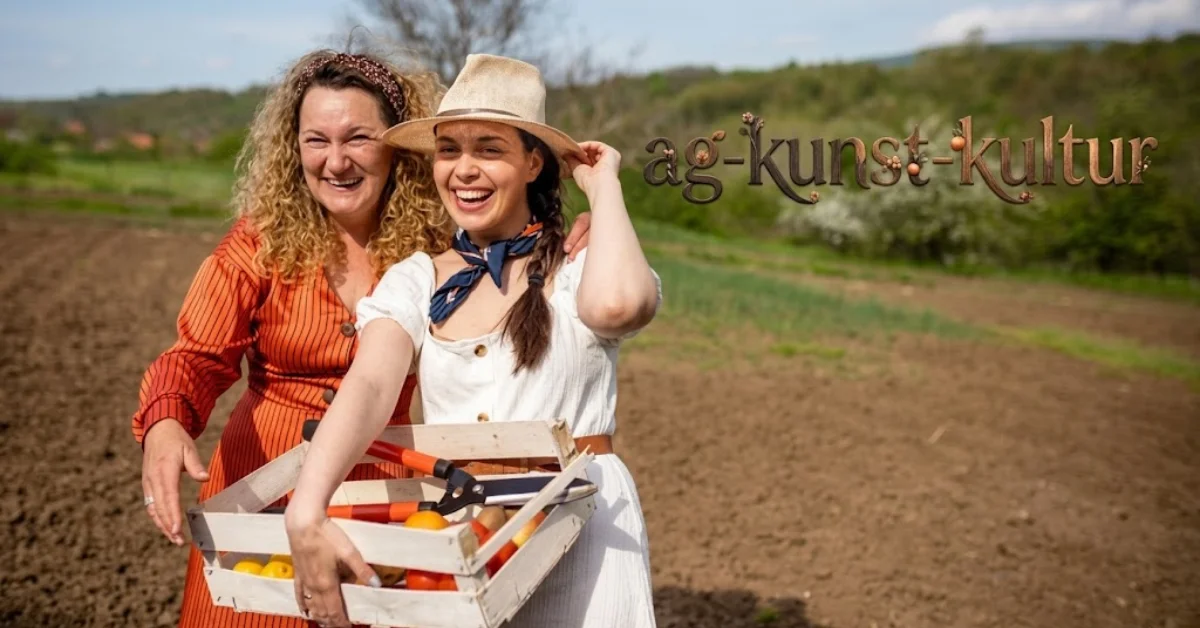
Introduction to Ag-Kunst-Kultur
Welcome to the vibrant world of Ag-Kunst-Kultur, where agriculture meets creativity in a beautiful dance. Imagine walking through fields not just filled with crops but also adorned with stunning art installations and cultural expressions that tell stories of local heritage. This exciting fusion is more than a trend—it’s a movement reshaping how we view farming and community identity.
As urban areas expand and traditional ways fade, communities are discovering the power of integrating art into agricultural practices. Whether it’s through farm-based festivals featuring local artists or murals painted on barns celebrating rural life, ag-kunst-kultur breathes new life into landscapes while fostering deeper connections among residents.
Join us as we explore this innovative concept that helps farmers cultivate not only their land but also their identities within thriving communities. Let’s delve into the significance of agriculture in defining who we are while uncovering inspiring examples from around the globe!
The Importance of Agriculture in Local Identity
Agriculture is more than just a means of food production; it shapes the very essence of local identity.
From small farms to expansive fields, each plot tells a story rooted in tradition and community. Families often pass down agricultural practices through generations, creating deep connections to the land.
This connection fosters pride among residents. Local crops become symbols, representing heritage and unique flavors that define regional cuisine.
Festivals celebrating harvests or specific crops bring people together. These events highlight cultural rituals intertwined with agricultural cycles.
Moreover, farming influences architecture and landscape design. Barns, silos, and cultivated gardens add character to rural spaces.
As communities embrace their agricultural roots, they cultivate a sense of belonging that resonates beyond borders. This rich tapestry contributes significantly to local identities worldwide.
Integrating Art and Culture into Agricultural Practices
Integrating art and culture into agricultural practices creates a vibrant tapestry that enriches the farming experience. This fusion encourages farmers to express their creativity while connecting deeply with their heritage.
Farmers can transform fields into canvases by incorporating sculptures, murals, or community gardens that reflect local history. These artistic endeavors invite visitors to explore the landscape in new ways, turning mundane rows of crops into interactive experiences.
Cultural festivals centered on agriculture showcase local crafts, traditional music, and culinary arts. These events not only celebrate regional identity but also foster a sense of belonging within communities.
Moreover, collaborating with artists brings fresh perspectives to sustainable farming methods. Their innovative ideas can inspire eco-friendly solutions while highlighting the importance of preserving nature’s beauty through creative expression. By merging these elements, ag-kunst-kultur cultivates an environment where both agriculture and artistry thrive harmoniously together.
Examples of Ag-Kunst-Kultur Around the World
Across the globe, Ag-Kunst-Kultur thrives in diverse forms. In Italy, local vineyards often showcase stunning murals painted by artists inspired by the surrounding landscapes. This fusion not only beautifies but also attracts tourists eager to experience art amidst nature.
In Japan, rice paddies transform into living canvases during the annual Rice Paddy Art Festival. Farmers collaborate with artists to create breathtaking designs that celebrate seasonal themes, drawing visitors from far and wide.
Closer to home, in rural America, community gardens host sculptural installations made from reclaimed farm equipment. These interactive pieces serve as a testament to agricultural heritage while fostering a sense of belonging among locals.
In South Africa’s Cape Winelands, wine farms embrace sustainability through artistic workshops where traditional crafts blend with modern techniques. By engaging both farmers and artisans, they cultivate a vibrant cultural identity rooted in their land.
Benefits for Farmers and Communities
Ag-Kunst-Kultur offers a myriad of advantages for farmers and their communities. By blending agriculture with artistic expression, it fosters deeper connections between people and the land.
Farmers can diversify their income streams through art-related ventures, making them less vulnerable to market fluctuations. Workshops, exhibitions, or farm-to-table events attract visitors who support local economies.
Communities benefit from enhanced cultural identity as art reflects shared values and traditions. This collaboration strengthens social ties among residents while encouraging creativity in everyday life.
Moreover, an emphasis on sustainability within Ag-Kunst-Kultur promotes environmentally responsible practices. As artists highlight ecological issues through their work, awareness grows around sustainable farming techniques that protect natural resources for future generations.
Such initiatives also inspire collaboration among various stakeholders—farmers, artists, educators—and create vibrant networks focused on innovation and resilience. Engaging these diverse groups elevates agricultural practices while enriching local culture.
Challenges and Solutions for Implementing Ag-Kunst-Kultur
Implementing Ag-Kunst-Kultur can face several challenges. One significant hurdle is funding. Many agricultural projects struggle to attract investment for artistic integration, which is essential for success.
Another challenge lies in the mindset of traditional farmers. Some may view art as an unnecessary expense rather than a value-added benefit.
Community involvement also plays a crucial role. Engaging locals requires time and effort, often leading to resistance or apathy toward new initiatives.
To overcome these obstacles, collaboration is key. Forming partnerships with local artists and cultural organizations can create shared goals that benefit everyone involved.
Education campaigns can help shift perceptions about the importance of integrating art into agriculture. Workshops showcasing successful examples inspire creativity while demonstrating tangible benefits.
By fostering dialogue between stakeholders, communities can build stronger connections that enhance both agricultural practices and local identity through Ag-Kunst-Kultur.
Future Outlook and Potential Impact on Local Economies
The future of ag-kunst-kultur holds exciting potential for local economies. As communities embrace this fusion of agriculture, art, and culture, new avenues for economic growth emerge.
Farmers can diversify their income by hosting workshops or art shows on their land. This not only attracts visitors but also fosters a sense of community. Local artisans benefit too, gaining exposure to larger audiences through collaborative events.
Moreover, the promotion of unique agricultural products tied to cultural themes can boost sales. Markets featuring artisanal goods encourage residents and tourists alike to support local businesses.
Educational initiatives surrounding ag-kunst-kultur will inspire future generations about sustainable practices. By integrating creativity into farming traditions, we cultivate a deeper appreciation for both the land and its stories.
As these initiatives gain momentum, they may transform rural areas into vibrant hubs where culture thrives alongside agriculture. This transformation has the power to redefine identities while promoting resilience in local economies.
Conclusion: Embracing Ag-Kunst-Kultur for a Sustainable Future
Embracing ag-kunst-kultur opens doors to a vibrant future where agriculture and creativity intertwine. This innovative approach not only honors local heritage but also fosters community resilience. By merging artistic expression with agricultural practices, we cultivate a deeper appreciation for the land and its resources.
As communities invest in this model, they see benefits that extend beyond mere aesthetics. Local economies thrive through increased tourism and enhanced marketability of products steeped in cultural significance. Farmers become stewards of both their crops and their narratives, leading to sustainable practices that respect the environment.
The challenges are real but manageable. With collaboration between artists, farmers, and policymakers, solutions can be crafted to weave art into the fabric of agriculture seamlessly. Education plays a pivotal role here; teaching young minds about the relationship between culture and farming ensures that ag-kunst-kultur continues to flourish for generations.
Embracing ag-kunst-kultur is an invitation to rethink how we view our roles within our communities and ecosystems. It’s about recognizing that every harvest tells a story—a story worth sharing through art—and together we can create a more sustainable future rich in identity, creativity, and connection.

Understanding Ankle Surgery: What Athletes Need to Know

Why Beguile Sweet Oud Is a Must-Have for Your Fragrance Collection

How to Design the Perfect Custom Lanyard for Your Business

Sunshine Solutions: Branded Protection for Outdoor Events

Top 5 Pod Systems You Can Try in Early 2026
-

 General6 months ago
Felixing: A Philosophy of Turning Simple Ideas into Wonders
-

 Health6 months ago
Lufanest: Effective Local Anesthesia with Fewer Risks
-

 Entertainment5 months ago
هنتاوي.com: Your Gateway to Arabic Anime Content
-

 General7 months ago
bardoek: The Artistic Heritage Inspiring Modern Creative Trends
-

 General6 months ago
Discover Anonib AZN: An Anonymous Asian Forum
-

 Fashion7 months ago
fashionisk .com – Your Ultimate Guide to Trendy, Smart Fashion
-

 General6 months ago
Euroyungs com Explained: Multi-Niche Hub or Risky Site?
-

 Lifestyle7 months ago
Mariano Iduba: A Visionary Leader in Global Digital Growth