Health
The Medicine Cabinet Problem Nobody Wants to Talk About


Most people don’t think of their bathroom cabinet as dangerous. It’s where you keep the ibuprofen, the leftover antibiotics from that sinus infection, and maybe a bottle of something stronger from a surgery a year ago. Nothing alarming about it. But those leftover pills sitting behind the mouthwash have become one of the bigger public health headaches in the country, and the conversation around it still hasn’t caught up to the numbers.
How Millions of People End Up Misusing What Their Doctor Gave Them
The thing about prescription drug misuse is that it rarely starts with someone making a reckless decision. A doctor writes a script for pain after a procedure. The patient takes it as directed, feels relief, and keeps going a little longer than planned. Or someone grabs a few pills from a family member’s bottle because their back is killing them and they don’t want to deal with an office visit. That’s how it usually begins. Not with some dramatic moment, just a small, understandable choice that quietly shifts into a pattern. According to the National Institute on Drug Abuse, roughly 14.3 million people in the U.S. reported misusing a prescription psychotherapeutic drug in a single year. That’s not a fringe number.
Where the Real Danger Lives
And the prescription drug risks go well beyond what most people picture. It’s not just opioids, though those get the most attention for obvious reasons. Benzodiazepines prescribed for anxiety, stimulants prescribed for ADHD, and sedatives for sleep disorders all carry real potential for dependence when used outside how they were prescribed. Mixing them with each other, or with alcohol, raises the stakes even further. The body doesn’t care whether a substance came from a pharmacy or off the street. It reacts to the chemistry.
Opioids still dominate the headlines, and the data backs that up. The CDC’s overdose prevention data shows prescription opioids played a direct role in the first wave of the overdose crisis that started ramping up in the late 1990s. Doctors were prescribing them at rates that, in hindsight, were historically high. At one point, enough opioid prescriptions were being dispensed to put a bottle in almost every American household. The dispensing rate has dropped since then, down from about 47 per 100 people in 2019 to around 35 per 100 in 2024. Progress, sure. But 35 per 100 is still a lot of opioid prescriptions.
The Part That Gets Awkward
Here’s where the conversation gets uncomfortable. The medical system that created a huge chunk of this problem is also the one tasked with fixing it. Doctors who were told for years that they were undertreating pain are now being told they overprescribed. Patients who developed dependencies on medications their doctors gave them ended up labeled as addicts. Some of those patients, cut off from prescriptions abruptly, turned to heroin or fentanyl because withdrawal is brutal and the street supply was easier to access. This transition has been documented in many cases, and pretending it doesn’t exist helps nobody.
The fix isn’t as simple as just prescribing fewer pills, either. Chronic pain is real. People with legitimate pain conditions still need treatment, and the pendulum swinging too far in the other direction has left some patients unable to get relief they genuinely need. There are people right now who can’t get adequate pain management because their doctors are afraid of regulatory scrutiny. That’s its own kind of harm, and it doesn’t show up in the overdose statistics.
What’s Actually Working (And What Isn’t)
Prescription drug monitoring programs have made a dent. These state-run databases track controlled substance prescriptions so doctors can see if a patient is getting the same medication from multiple providers. It’s not a perfect system, but it’s closed some of the most obvious gaps. States that adopted these programs early saw measurable drops in doctor shopping and overlapping prescriptions.
Naloxone availability has saved a lot of lives, too. It’s an overdose reversal drug that bystanders can administer, and making it more accessible has been one of the more practical wins in this whole mess. But naloxone is a band-aid on the acute problem. It keeps someone alive in the moment, which matters enormously, but it doesn’t address why they overdosed in the first place.
Treatment access still varies significantly. Medication-assisted treatment for opioid use disorder works; the evidence on that is pretty solid, but getting into a program can take weeks or months depending on where you live. Rural areas are especially underserved. And even when treatment is available, the stigma around it keeps people from showing up. Nobody wants to be the person who “needs help” with something their doctor prescribed.
The Stuff We Don’t Talk About Enough
What often gets left out of these discussions is how prescription drug misuse intersects with other things going on in someone’s life. Mental health issues. Financial stress. Isolation. Chronic pain that hasn’t responded to other treatments. People don’t misuse medications in a vacuum. The pill fills a gap that something else should be filling, whether that’s better mental health care, a stronger social network, or just a doctor who has enough time to actually talk through alternatives.
Older adults are a population that flies almost completely under the radar on this. They’re prescribed more medications than any other age group, they’re more likely to have multiple doctors who may not be coordinating, and their bodies process drugs differently. A dose that’s safe for a 40-year-old can be dangerous for a 70-year-old, especially combined with other medications. Falls, confusion, and respiratory depression, the consequences hit harder and faster.
Young adults have their own version of the problem. ADHD medication getting passed around college dorms isn’t new, but the casualness of it has made stimulant misuse feel almost normal in certain circles. The attitude tends to be that if it’s a prescription drug, it can’t be that bad. That assumption has sent plenty of people to emergency rooms.
Where This Goes From Here
The national opioid dispensing rate is trending downward, and preliminary CDC data from late 2025 shows overdose deaths declining for the first time in years. That’s genuinely good news. But the synthetic opioid crisis, primarily fentanyl, has complicated everything. Even as prescription opioid misuse gets more attention and tighter controls, the illicit supply has filled the gap with something far more potent and unpredictable.
So the prescription drug problem hasn’t been solved. It’s shifted shape. The medicine cabinet might be slightly less overstocked than it was a decade ago, but the underlying issues, pain management that doesn’t adequately serve patients, mental health support that’s hard to access, and a treatment system that’s still playing catch-up, those are all still there. With appropriate treatment and support, recovery from prescription drug misuse is highly achievable. Talking about them honestly, without the panic or the finger-pointing, is probably the bare minimum we owe each other at this point.
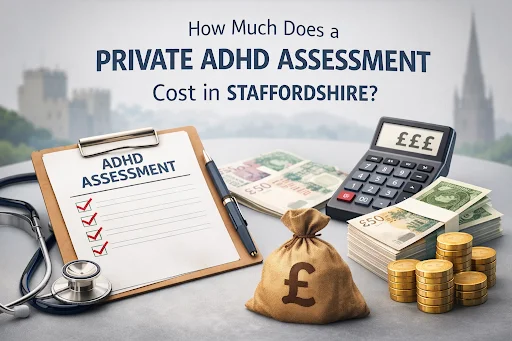
If you’re thinking about booking a private adhd assessment staffordshire, you’re probably wondering one main thing first: how much is this going to cost? That’s usually where everyone starts. When you look online, you’ll see different clinics offering different prices, which can feel a bit overwhelming. Some people choose to go private because they’re tired of waiting and just want answers sooner. Others want to understand themselves better or get support for their child without delays. Whatever brought you here, it helps a lot to know what you might pay and what you’ll actually get in return.
This guide is here to make things simple. We’ll talk about the real ADHD assessment cost in the UK, what can affect the price, and what usually happens during an adult ADHD assessment in Staffordshire or a child ADHD assessment in Staffordshire. No complicated words, no confusing details, just clear information so you can feel more sure about your next step and choose what feels right for you or your family.
What Is an ADHD Assessment?
An ADHD assessment is a detailed check to see whether someone has attention deficit hyperactivity disorder. It’s done by a trained specialist like a psychiatrist or clinical psychologist.
In Staffordshire, many people are choosing private clinics because waiting times through the public system can be very long. A private route usually means faster appointments and more time with the specialist.
A full assessment usually includes:
- A long conversation about symptoms
- Questions about childhood behaviour
- Mental health and medical history
- Questionnaires
- Input from family, school, or work
- A final report with diagnosis and advice
This report can help with treatment, school support, workplace adjustments, or medication.
Average ADHD Assessment Cost in the UK
Before focusing on local prices, it helps to understand the general adhd assessment cost uk.
| Service | Average UK Cost |
| Initial consultation | £150 – £300 |
| Full adult assessment | £600 – £1,200 |
| Full child assessment | £800 – £1,500 |
| Follow-up session | £100 – £250 |
| Medication titration | £300 – £800 |
These prices are very similar for a private adhd assessment staffordshire, though some clinics may charge slightly more or less depending on experience and demand.
Private ADHD Assessment Staffordshire: Typical Costs
When looking for a private adhd assessment staffordshire, you’ll notice that clinics offer different packages. Some include follow-ups and reports in one price, while others charge separately.
Typical price ranges locally:
- Adult assessment: £650 – £1,000
- Child assessment: £900 – £1,500
- Follow-ups: £150 – £250
- Medication reviews: £100 – £200
It’s always worth asking for a full price breakdown, so you know exactly what you’re paying for.
Why Do Private ADHD Assessments Cost So Much?
The price might seem high at first, but there’s a reason behind it. ADHD assessments take time and specialist training.
1. Specialist expertise
You’re paying for a trained professional who understands ADHD deeply. They spend hours reviewing your case.
2. Long appointments
A proper assessment often takes 2–3 hours plus report-writing time.
3. Detailed reports
The written report is long and thorough. It can be used for school, work, or treatment.
4. Faster access
Private clinics usually offer appointments within weeks rather than months or years.
Adult ADHD Assessment Staffordshire
Many adults only realise they might have ADHD later in life. An adult adhd assessment staffordshire focuses on how symptoms affect work, relationships, and daily routines.
An adult adhd assessment staffordshire focuses on how symptoms affect work, relationships, and daily routines. Most clinics offer a detailed interview, review of childhood behaviour, questionnaires, and a written report with recommendations.
What happens during an adult assessment?
- Pre-assessment forms
- A long interview about symptoms
- Discussion about childhood behaviour
- Mental health history
- Diagnosis and treatment advice
- Written report
Some clinics offer online assessments, which can make things easier if you’re busy.
Average adult assessment price
Most adults pay between £600 and £1,000 for a full private assessment.
Child ADHD Assessment Staffordshire
A child adhd assessment staffordshire usually takes more time because it involves parents and school input.
What’s included:
- Parent interview
- Teacher questionnaires
- Child observation
- Development history
- Final report
Typical cost
Parents usually pay between £800 and £1,500.
This is higher than adult assessments because more information needs to be collected and reviewed.
What’s Included in a Private ADHD Assessment?
Not all clinics include the same things in their price. Always check before booking a private adhd assessment staffordshire.
Usually included:
- Initial consultation
- Full diagnostic assessment
- Written report
- Treatment plan
Sometimes extra:
- Follow-up appointments
- Medication reviews
- Letters for school or work
- Prescription fees
A clear quote helps avoid surprises later.
Private vs Public ADHD Assessments
Many people compare private care with the NHS.
NHS route
Pros
- Free
- Ongoing support
Cons
- Long waiting lists
- Shorter appointments
Private route
Pros
- Faster diagnosis
- More detailed assessment
- Flexible appointments
Cons
- Higher upfront cost
Some people choose private diagnosis first, then move back to NHS care for ongoing treatment.
How Long Does a Private Assessment Take?
A private assessment is usually much quicker.
Typical timeline:
- Booking: 1–3 weeks
- Assessment: 2–3 hours
- Diagnosis: often same day
- Report: 1–3 weeks
This is a big reason people choose a private adhd assessment staffordshire.
Online vs In-Person ADHD Assessments
Many clinics now offer online appointments.
Online benefits
- More flexible
- Sometimes cheaper
- No travel needed
In-person benefits
- Face-to-face interaction
- Easier for child assessments
Both options are valid if done by a qualified specialist.
What Happens After Diagnosis?
After your private adhd assessment staffordshire, you’ll receive a report and treatment advice.
Possible next steps:
- Medication
- Therapy
- Coaching
- School support
- Workplace adjustments
Some clinics offer ongoing care packages.
Medication Costs After Assessment
If medication is recommended, there may be extra costs.
Typical private prescription costs:
- Initial titration: £300 – £800
- Monthly medication: £50 – £150
- Follow-up reviews: £100 – £200
Some people arrange shared care with their GP to reduce costs later.
How to Choose the Right ADHD Clinic
Not all clinics are the same. Take time to research before booking.
Look for:
- Qualified psychiatrist
- ADHD experience
- Clear pricing
- Good reviews
- Follow-up support
Questions to ask:
- Is the diagnosis recognised by GPs?
- What’s included in the price?
- Are follow-ups extra?
- How long is the appointment?
Choosing the right clinic makes a big difference.
Ways to Reduce ADHD Assessment Costs
A private adhd assessment staffordshire can feel expensive, but there are ways to manage the cost.
1. Payment plans
Some clinics offer monthly payments.
2. Insurance
Check if your health insurance covers ADHD assessments.
3. Workplace funding
Some employers pay for assessments.
4. Shared care
After diagnosis, your GP may handle prescriptions.
Is a Private ADHD Assessment Worth It?
For many people, yes. A faster diagnosis can improve daily life in many ways.
Benefits:
- Better focus
- Improved work performance
- Support at school
- Access to treatment
- Peace of mind
While the adhd assessment cost uk can be high, the long-term benefits often make it worthwhile.
Signs You Might Need an ADHD Assessment
You might consider a private adhd assessment staffordshire if you notice:
- Trouble focusing
- Forgetfulness
- Restlessness
- Difficulty finishing tasks
- Struggles at school or work
A proper diagnosis helps you understand what’s going on and what support you need.
FAQs
How much is a private ADHD assessment in Staffordshire?
Most adult assessments cost £600–£1,000. Child assessments usually cost £800–£1,500.
How long does an ADHD assessment take?
Around 2–3 hours, plus time for the report.
Can adults get diagnosed privately?
Yes. Many clinics offer adult assessments.
Is a private diagnosis recognised?
Yes, if done by a qualified specialist.
Can I get medication after diagnosis?
Yes. Many clinics provide prescriptions and follow-up care.
Final Thoughts
Getting answers about ADHD can change your life. A private adhd assessment staffordshire gives quicker access to diagnosis, support, and treatment. While costs vary, knowing what’s included helps you plan and choose the right clinic. Take your time, compare options, and pick a service that fits your needs and budget.
There’s a specific kind of frustration that comes from knowing you need to change something and still not doing it. Could be a bad habit, a relationship pattern, or the way you deal with stress. You’ve thought about it. You’ve maybe even tried. And yet here you are, doing the same thing again.
Most people blame themselves for that. They call it laziness, weakness, and lack of discipline. But what’s going on is usually a lot less dramatic and a lot more biological than any of that. The brain resists change for reasons that have nothing to do with character.
Your Brain Has a Preference for Familiar Patterns
Brains are efficiency machines. They’re always trying to automate as much behavior as possible, which is why habits form in the first place. Repeated actions get wired into neural pathways that fire without much conscious effort. That’s great when the habit is something like brushing your teeth. Less great when it’s something you’re actively trying to stop.
The discomfort people feel when they try to break a pattern isn’t imagined. It’s neurological. The brain is being asked to override a pathway it’s been reinforcing for months or years. That requires energy, attention, and a level of sustained effort that most people underestimate going in.
Readiness Isn’t Binary
One of the more useful ideas to come out of behavioral psychology is the concept that people don’t just go from “not changing” to “changing.” There are stages in between, and understanding which one you’re in can make a big difference. The Transtheoretical Model, developed by psychologists Prochaska and DiClemente, maps this out. It’s been applied to everything from smoking cessation to addiction treatment, and it holds up well across different types of behavior change. The framework behind addiction recovery stages describes five phases: precontemplation, contemplation, preparation, action, and maintenance. Each one comes with its own mindset, its own obstacles, and its own version of progress.
According to a review published on the National Library of Medicine’s StatPearls platform, the model treats change as a fluid process rather than a single event. That distinction matters. People in the precontemplation stage might not even see a problem yet. People in the contemplation stage see it but aren’t ready to act. And people in the action stage can still cycle back to earlier stages without it meaning they’ve failed.
Why “Just Stop” Doesn’t Work
You’ve heard it. Maybe you’ve said it. “Just stop doing that.” It sounds so simple, and that’s exactly why it’s unhelpful.
The reason “just stop” fails most of the time is that it skips every stage except action. It assumes someone is ready to change right now, today, without ambivalence or hesitation. And that’s almost never where people are. Ambivalence is normal. Wanting to change and also being scared of change can exist in the same person at the same time. That’s not a contradiction. It’s the contemplation stage doing what it does.
Pushing someone who’s in the contemplation phase straight into action often backfires. They might try, but the attempt feels forced and unsustainable. And when it doesn’t stick, both the person and the people around them end up more frustrated than before.
The Role of Mental Health in Getting Stuck
Sometimes the thing keeping someone stuck isn’t the habit itself. It’s what’s underneath it. Anxiety, depression, unresolved trauma, chronic stress. These can all make it harder to move through the stages of change, because the behavior being targeted might be the one coping mechanism a person has, even if it’s a harmful one.
The National Institute of Mental Health notes that substance use and mental health conditions frequently co-occur and that substance use can alter brain chemistry in ways that make other mental health issues more likely. So a person trying to change a substance-related habit while also managing untreated depression isn’t just dealing with one problem. They’re dealing with two, and the two feed each other.
This is part of why treatment approaches that address behavior and mental health at the same time tend to work better than those that separate them. You can’t always pull one thread without touching the other.
Small Shifts Count More Than Big Declarations
People love the idea of a clean break. A dramatic new beginning. Day one of the rest of your life. And sometimes that works, for a little while. But for most people, lasting change looks less like a switch flip and more like a slow drift in a better direction.
Moving from precontemplation to contemplation, just acknowledging that something might need to change, is progress. So is gathering information, talking to someone, or setting a small goal. These don’t look impressive from the outside. They don’t make for a great social media post. But they’re the steps that tend to hold.
The people who maintain change long-term usually aren’t the ones who went hardest on day one. They’re the ones who figured out what stage they were in and worked with it instead of against it.
What This Means if You’re Watching Someone Struggle
If someone you care about is stuck in a pattern you can see clearly from the outside, the instinct is to intervene. Point it out. Offer solutions. Get frustrated when nothing changes.
But if that person is in precontemplation, they’re not ignoring you out of spite. They’re genuinely not seeing what you see, or they’re not ready to see it yet. And if they’re in contemplation, they don’t need a lecture. They need space to work through the ambivalence on their own terms.
The most helpful thing you can do often has nothing to do with the behavior itself. It’s about being available without being pushy and trusting that people move through stages at their own speed. Not everyone gets there on the timeline you’d prefer. That doesn’t mean they won’t get there.
Change Is a Process, Not a Moment
The biggest misunderstanding about behavior change is that it happens in a single decision. It doesn’t. It happens in layers, with setbacks and restarts built into the process. Relapse, in the clinical sense, isn’t failure. It’s a recognized part of the change process, and many people cycle through stages more than once.
So if you’re in the middle of trying to change something, or if you haven’t started yet but you’re thinking about it, that’s not nothing. That’s a stage. And it counts.


Introduction to Health Threetrees com vn
Welcome to Health Threetrees com vn, where your journey towards a balanced mind and body begins. In today’s fast-paced world, stress and chaos often overshadow our well-being. Many of us are searching for ways to reclaim that balance we crave. At Health Threetrees com vn, we understand the delicate connection between mental clarity and physical health. Our mission is to guide you on a transformative path that nurtures both aspects of your being. Here, you’ll find tools, resources, and support tailored just for you—because achieving harmony in life shouldn’t feel out of reach. Are you prepared to begin this transformative journey toward wellness and clarity? Let’s dive in!
What is a Balanced Mind and Body?
A balanced mind and body is a state where mental and physical well-being coexist harmoniously. It means your thoughts, emotions, and actions align with your overall health.
When the mind is calm, it leads to better decision-making. Stress decreases, allowing for clearer thinking. This clarity can enhance focus in daily tasks.
Physical balance involves nourishing the body through healthy food choices and regular exercise. When you feel strong physically, it positively affects your mood and outlook on life.
Both aspects are interconnected. Emotional distress often manifests as physical tension or fatigue. Conversely, poor physical health can lead to feelings of anxiety or depression.
Cultivating this balance requires mindfulness practices alongside fitness routines. Engaging in activities that promote relaxation enhances both mental clarity and bodily resilience.
The Importance of Achieving Balance
Finding harmony between all areas of life is essential for true health and vitality. A harmonious state of mind and body fosters resilience against stress, anxiety, and fatigue. When we are balanced, our emotions stabilize, allowing us to navigate life’s challenges more effectively.
Balance influences our physical health as well. Proper nutrition, exercise, and rest contribute to energy levels and vitality. Neglecting any aspect can lead to burnout or illness.
Mental clarity also thrives in a balanced environment. It enhances focus and productivity while improving decision-making skills. This clarity empowers individuals to pursue their passions with renewed vigor.
Furthermore, cultivating balance strengthens relationships. Healthy connections flourish when individuals feel grounded within themselves.
Achieving this equilibrium enriches every facet of life—from career success to personal happiness—creating a fulfilling journey that resonates on multiple levels.
How Health Threetrees com vn Can Help You?
Health Threetrees com vn is dedicated to guiding you on your journey toward wellness. With a holistic approach, they understand that true health encompasses both the mind and body.
Their team of experienced professionals offers personalized assessments. This ensures that each individual receives tailored recommendations based on their unique needs. Whether you’re seeking stress relief or physical fitness, there’s an avenue for everyone.
Workshops and classes are designed not only to educate but also to empower participants. You can explore techniques like mindfulness, yoga, and nutrition—all aimed at fostering balance in daily life.
Additionally, Health Threetrees provides ongoing support through one-on-one coaching sessions. These interactions help keep you accountable while navigating your path to well-being.
Emphasizing community engagement, they create spaces where individuals can connect and share experiences. Together, you’ll find motivation as you strive for a balanced lifestyle.
Services Offered by Health Threetrees com vn
Health Threetrees com vn offers a diverse range of services designed to nurture both mind and body. They take a complete approach, nurturing both mind, body, and emotional health.
You can explore personalized wellness programs tailored to meet individual needs. These programs often incorporate nutrition, fitness, and mindfulness practices for a comprehensive experience.
Therapeutic sessions are also available, focusing on stress relief and mental clarity. Trained professionals guide clients through various techniques aimed at enhancing emotional balance.
Additionally, workshops promote community engagement and education around health topics. Participants gain valuable insights into maintaining their well-being in everyday life.
Online consultations make it convenient for anyone seeking guidance from the comfort of home. This accessibility allows individuals to embark on their wellness journey without barriers.
Success Stories from Clients
At Health Threetrees com vn, client transformations are inspiring. Each story reflects a unique journey toward wellness.
One client, Minh, struggled with anxiety for years. After engaging with our mindfulness programs and personalized coaching, he found tools to manage his mental health effectively. Today, he reports feeling more in control and serene.
Another success is Hoa, who came seeking physical balance. Through tailored fitness plans and nutrition guidance from our experts, she shed excess weight while gaining strength. Her renewed energy has sparked a passion for outdoor activities.
These stories represent just a glimpse of the positive changes happening every day at Health Threetrees com vn. They remind us that every step toward balance matters and can lead to remarkable outcomes in mind and body wellness.
Tips for Maintaining a Balanced Mind and Body
To maintain a balanced mind and body, start with daily mindfulness practices. Even five minutes of meditation can set a positive tone for your day.
Incorporate physical activity into your routine. Whether it’s yoga, brisk walking, or dancing in your living room, movement is essential for mental clarity.
Nutrition plays a crucial role too. Opt for whole foods packed with nutrients to fuel both brain and body. Stay hydrated; water is vital for optimal functioning.
Establish a sleep schedule that allows you to recharge fully each night. Quality rest enhances mood and cognitive performance.
Connect with nature whenever possible. Fresh air and natural surroundings can uplift spirits and ease stress levels.
Reach out to trusted friends or experts whenever guidance or help is necessary. Sharing thoughts can lighten burdens while fostering deeper connections.
Conclusion
Finding harmony between your mind and body is essential for a fulfilling life. Health Threetrees com vn offers the resources, services, and community support needed to embark on this journey. By understanding what it means to achieve balance and utilizing the tools provided by Health Threetrees, you can take proactive steps toward better mental and physical health.
The success stories from clients highlight that transformation is possible with commitment and the right guidance. Incorporating daily habits focused on mindfulness, nutrition, exercise, and self-care will further enhance your well-being.
Embrace this path towards a balanced mind and body with Health Threetrees com vn as your trusted partner in wellness. Your journey begins today; take that first step toward living your best life.

Market Correction vs Bear Market: The Critical 10% to 20% Distinction

The Hidden Costs of Ignoring Diesel Fuel Injection Problems

How Immersive Brand Strategies Are Reshaping Consumer Engagement

Best Transport Options Between Makkah and Madinah for Umrah Pilgrims

How Much Does a Private ADHD Assessment Cost in Staffordshire?
-
 General5 months ago
Felixing: A Philosophy of Turning Simple Ideas into Wonders
-
 Health5 months ago
Lufanest: Effective Local Anesthesia with Fewer Risks
-

 General6 months ago
bardoek: The Artistic Heritage Inspiring Modern Creative Trends
-

 Entertainment4 months ago
هنتاوي.com: Your Gateway to Arabic Anime Content
-

 General5 months ago
Discover Anonib AZN: An Anonymous Asian Forum
-

 Fashion6 months ago
fashionisk .com – Your Ultimate Guide to Trendy, Smart Fashion
-

 Lifestyle6 months ago
Mariano Iduba: A Visionary Leader in Global Digital Growth
-

 Fashion6 months ago
Casîo: Explore Legacy, G-SHOCK Watches, Keyboards, and More