
Technology
Multi-Material Printing: Expanding Functional Possibilities in Additive Manufacturing

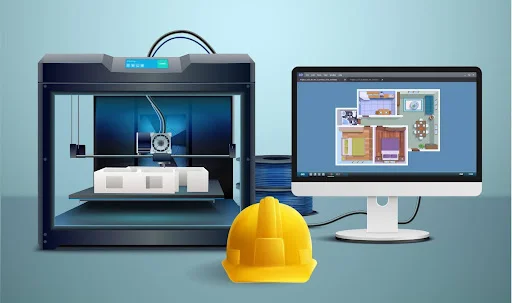
Multi-material 3D printing is redefining what modern manufacturing can achieve. Instead of relying on a single material, this technology allows different materials to be combined within one build cycle. As a result, manufacturers can produce components that traditional fabrication methods cannot create.
For example, rigid structural elements can integrate directly with flexible seals, or conductive pathways can be embedded inside insulating housings. Beyond accelerating prototyping, the real advantage lies in designing parts with built-in functionality, reducing assembly requirements while enabling complex performance capabilities in a single manufactured component.
Why Multi-Material Printing Matters Now
The accuracy available today would have sounded like science fiction half a decade ago. Recent research demonstrates that the largest discrepancy observed between customized titanium mesh and CAD data is below 300 μm. That level of precision for intricate medical components? It’s genuinely remarkable. This accuracy unlocks opportunities for applications requiring extremely tight tolerances without burning budget on expensive finishing operations.
Additive manufacturing has finally graduated from the prototyping department into actual production environments. Companies today are manufacturing final-use parts that combine multiple materials to tackle genuine engineering problems. We’re addressing challenges that conventional fabrication methods struggle with or can’t handle at all.
Testing Multi-Material 3D Printing
Seattle’s tech scene has evolved into a genuine powerhouse for manufacturing innovation. Companies are redefining what’s possible in aerospace applications, medical device development, and consumer electronics. The region’s focus on sustainable production methods and cutting-edge engineering cultivates an environment where breakthrough manufacturing techniques thrive. Businesses across the Pacific Northwest are rapidly adopting these capabilities to maintain their competitive edge.
If you’re exploring these possibilities, partnering with a 3d printing service Seattle provider delivers immediate access to sophisticated systems without the crushing capital expenditure. You can test real-world applications and iterate on designs before committing to bringing equipment in-house. It’s honestly the smartest way to determine whether multi-material additive manufacturing aligns with your specific production requirements.
Understanding Multi-Material Technology
What Makes It Different
Conventional 3D printing relies on a single material from start to finish. Multi-material 3D printing deposits various materials throughout the same build process, enabling material combinations that conventional methods simply can’t produce. You might embed rubber sealing components directly into rigid metal housings or integrate conductive electrical traces within plastic enclosures.
The process works by alternating between different material sources during printing. Some platforms deploy multiple print heads working in tandem. Others route different materials through a single nozzle. Each method presents distinct tradeoffs regarding build speed, material compatibility considerations, and overall system complexity.
Key Technologies Available
Material jetting currently dominates multi-material applications, delivering seamless transitions between different materials. These platforms spray microscopic droplets of various photopolymers, then cure them progressively, layer upon layer. They excel for visual prototypes and certain functional applications.
FDM systems equipped with multiple extruders offer a more budget-friendly entry option. They successfully combine materials like rigid PLA with flexible TPU, though material transitions consume more time compared to jetting platforms. For metal applications, direct energy deposition allows manufacturers to blend different alloys in strategically beneficial locations.
Material Combinations That Matter
Mixing Rigid and Flexible Parts
Being able to print hard and soft materials simultaneously eliminates assembly operations that inflate costs and introduce potential failure modes. Consider a smartphone case featuring rigid sidewalls with shock-absorbing flexible corners, manufactured as a single unified piece. Automotive manufacturers are using this approach for seals integrated directly into housings, dramatically slashing component counts.
Living hinges become substantially more dependable when manufactured with deliberate material gradients. Rather than hoping a thin plastic section repeatedly flexes without fracturing, you specify precisely where flexibility needs to occur. This precision meaningfully extends product lifecycles while reducing warranty-related expenses.
Medical Applications Leading the Way
Healthcare demonstrates the most compelling advantages of multi-material printing technology. Surgical drilling guides require rigid precision for accurate placement, yet need soft contact surfaces for patient comfort. Manufacturing both characteristics into one instrument makes procedures quicker and safer for everyone involved.
Cell viability of 3D-printed resins was determined to be higher, with a recorded percentage of 92.9% in contrast to 71.9% for heat-cured acrylic resins. These biocompatibility improvements carry significant weight for dental applications and implant scenarios where materials maintain long-term tissue contact.
Anatomical models for surgical planning benefit enormously as well. Surgeons can practice on models where bone texture mimics actual bone and soft tissue replicates genuine tissue response. This realism cuts operating room time while improving patient outcomes across the board.
Real-World Applications
Healthcare Innovations
Prosthetics showcase perhaps the clearest advantage of functional 3D printing materials combined in unified builds. A leg prosthetic demands rigid structural integrity yet requires flexible interfaces at skin contact points. Manufacturing these as one integrated unit creates superior fit and comfort compared to assembled alternatives.
Custom dental fabrication increasingly leverages multi-material approaches. Crowns with realistic tooth-like outer surfaces bonded to metal internal cores emerge from single print cycles. Orthodontic appliances combine rigid alignment frameworks with soft gum-contact surfaces.
Manufacturing Benefits
Tooling and fixture applications see immediate ROI from multi-material capabilities. A drill jig might require hardened surfaces for drill bushings while needing soft clamping surfaces to prevent workpiece marring. Printing both simultaneously eliminates assembly while compressing lead times from weeks down to mere days.
Aerospace applications exploit advanced 3D printing technology for weight-critical components. Engineers position reinforcement materials exclusively where stress analysis indicates they’re necessary, saving weight without compromising structural integrity. This targeted strategy outperforms traditional manufacturing’s uniform material selection approach.
Getting Started with Multi-Material Printing
Equipment Considerations
Industrial platforms from manufacturers like Stratasys provide the broadest material selections, but demand substantial capital investment. Desktop alternatives deliver entry points below $10,000, albeit with more limited material choices. Most organizations start by outsourcing to validate applications before purchasing equipment outright.
Software matters equally as much as hardware. Your CAD platform needs the capability to assign different materials to specific part regions. Slicing software then interprets these assignments into machine instructions. The learning curve presents real challenges, but it’s entirely manageable with appropriate training investment.
Design Strategies
Successful multi-material designs begin with understanding material interface behavior. Dissimilar materials expand and contract at different rates with temperature fluctuations. Smart engineers account for these thermal mismatches directly in their geometry, incorporating features that accommodate relative movement.
Part consolidation delivers the biggest performance wins. Identify assemblies where you’re currently joining different materials; those represent prime candidates. Every eliminated fastener or adhesive bond reduces cost while removing potential failure points. The critical skill is recognizing which assemblies benefit most from consolidation versus those better maintained as separate components.
Final Thoughts on Multi-Material Manufacturing
Multi-material additive manufacturing goes beyond being another fabrication method. It changes how products are designed by removing the limitation of using a single material per component. Engineers can now combine materials within one build, opening new design possibilities and functional capabilities.
The technology has advanced from experimental use to reliable production workflows with measurable benefits. Industries from aerospace to consumer products now apply it to solve design challenges that traditional methods could not address. As equipment and material options grow, this approach is becoming a standard engineering practice.
FAQs on Multi-Material Printing
1. How much more expensive is multi-material printing compared to single-material?
Equipment typically costs two to five times more for entry-level platforms, with material expenses running 20-40% higher. However, eliminating assembly labor and secondary finishing operations frequently offsets these premiums for appropriate applications.
2. Can you combine metals and plastics in one print?
Current technology doesn’t enable direct metal-plastic printing in most commercial systems. Hybrid methodologies exist where you print metal inserts, then separately overmold plastic, but genuine single-process combinations remain constrained by temperature incompatibility issues.
3. What’s the typical print time increase for multi-material parts?
Expect roughly 30-60% longer build times versus single-material equivalents. Material switching sequences, purging cycles, and added complexity slow the overall process. For components that eliminate substantial post-processing, though, total production time frequently decreases.
In HDD, people use the word sonde all the time. They ask whether the sonde fits the housing, whether the sonde is overheating, or whether a certain sonde will work with a certain tracker. The term is common, but it often gets used loosely.
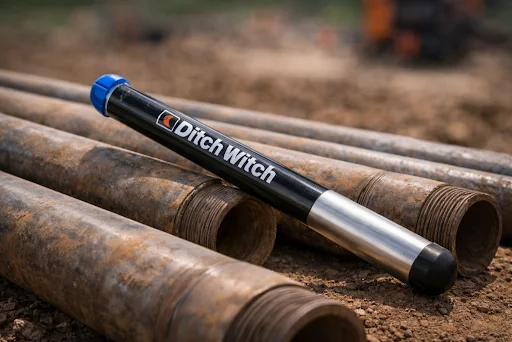
A Ditch Witch sonde is the downhole transmitter, or beacon, used in an HDD guidance system. It sits in a tool housing near the front of the drill string and sends a signal to a surface receiver. That signal gives the crew the information needed to track the drill head during the bore. In Ditch Witch’s product ecosystem, this usually means a Subsite HDD beacon used with Ditch Witch-compatible guidance equipment.
That definition matters because the sonde is not the whole locating system. It is one part of it. The beacon sends the signal. The receiver reads it. The crew uses that information to guide the bore. Without the beacon, the surface locator has nothing to read from below ground.
This article explains what a Ditch Witch sonde is, what it does, where it sits in the tool string, what data it sends, and what contractors should know about sizes, specs, and limits before they buy or replace one.
A Ditch Witch Sonde Is the Downhole Beacon in the Guidance System
The clearest way to define a Ditch Witch sonde is to place it inside the full HDD guidance setup. The guidance system includes a downhole transmitter and a surface receiver. In some setups, it also includes an operator display. The sonde is the part underground that sends the signal. The receiver is the part above ground that reads the signal and turns it into usable locating information.
In HDD language, sonde, beacon, and transmitter often mean the same thing. Subsite, the guidance brand tied to Ditch Witch, commonly uses the word beacon in its product literature. Ditch Witch also uses the phrase beacons and sondes in its tooling language. For contractors, the practical meaning is straightforward: when someone says “Ditch Witch sonde,” they usually mean the downhole beacon used in a Ditch Witch/Subsite locating system.
It also helps to say what a sonde is not. It is not the drill. It is not the receiver. It is not the whole locating package. Subsite’s own manuals describe the beacon as one part of a guidance system for horizontal directional drills. That is the cleanest definition because it keeps the role of the sonde clear. It is the transmitter in the ground, and its job is to send the signal that makes tracking possible.
How a Ditch Witch Sonde Works During a Bore
A sonde does one job, but it does it at the point where the whole bore depends on clear information. It transmits data from underground to the surface while the bore is in progress. The locator on the surface reads that signal with a receiver and uses it to understand what the drill head is doing below grade.
Subsite’s beacon manuals say the beacon transmits roll, temperature, battery status, and pitch. Those are the direct readings the beacon sends. The receiver then uses that signal to determine the drill head’s position, depth, and orientation so the crew can track the path and steer the bore. That distinction matters. The sonde is the sender. The receiver is the interpreter. Together, they give the crew a usable picture of the bore path.
This is why the sonde matters so much in daily HDD work. A bore is not guided by guesswork. The crew needs a steady stream of downhole information. Pitch tells them whether the head is climbing or dropping. Roll shows rotational orientation. Temperature warns of heat stress. Battery status tells them whether the beacon can keep sending a reliable signal.
That is the heart of walkover locating. The beacon sends, the receiver reads, and the crew makes decisions. When the sonde is working as it should, the bore becomes trackable and steerable. When it is not, the crew loses one of its most important sources of control.
What the signal tells the crew
The signal from the sonde is useful because it turns invisible downhole movement into something the crew can read and act on. Pitch tells the locator whether the head is moving up, down, or holding line. Roll helps show the orientation of the tool. Temperature tells the crew whether the beacon is running within a safe range. Battery status shows whether the signal source is still dependable.
Those are not minor details. They affect field decisions in real time. A crew crossing under a road, working around utilities, or trying to hold grade cannot afford to lose confidence in the signal. The receiver depends on the beacon’s transmission to produce the information the locator uses on the surface.
That is why the sonde is not just another electronic part in the string. It is the component that lets the crew monitor the drill head from above ground. Without that signal, the bore becomes harder to measure and harder to steer. In practical terms, the sonde is the link between what the tool is doing in the ground and what the crew knows at the surface.
Where the Sonde Sits and Why the Housing Matters
A Ditch Witch sonde does not sit loose inside the drill head. It is used in a downhole tool housing designed to hold and protect the beacon during drilling. That housing sits near the front of the drill string, close enough to the steering assembly for the signal to reflect what the tool is doing underground.
This point is easy to miss, but it matters. The sonde and the housing work as a pair. Subsite says its beacons perform best, or should only be used, in approved downhole tool housings. Ditch Witch’s tooling pages show electronic housings designed to accept certain beacon sizes, including 15-inch and 19-inch beacons, and in some cases state that they accommodate beacons and sondes. That tells contractors something important: the beacon is not a stand-alone purchase. It has to match the housing and the rest of the guidance setup.
The housing does more than hold the beacon in place. It affects fit, protection, and field performance. If the housing is wrong for the beacon size or application, the problem is not just inconvenience. It can affect reliability and service life. That is why a contractor asking what sonde to use is usually also asking what housing it fits and whether the full setup matches the job.
A good definition of a Ditch Witch sonde should always include this practical detail. It is the downhole beacon, but it works as part of a housing-and-receiver system, not as a loose component.
Why the housing is part of the answer
Contractors often search for a sonde as if they are buying one separate piece of hardware. In the field, the answer is rarely that simple. The beacon has to fit the housing. The housing has to suit the tooling setup. The signal has to reach the receiver in a way the crew can trust.
That is why the housing belongs in any serious explanation of a Ditch Witch sonde. Ditch Witch’s electronic housings are built around specific beacon sizes and applications. Subsite’s own guidance says approved housings matter to beacon performance. Those two points lead to the same conclusion: a sonde is part of a system, not an isolated gadget.
This also changes how contractors should think about replacement decisions. The right question is not just, “Which sonde do I need?” The better question is, “Which beacon fits my housing and works with my guidance setup?” That way of asking the question is more practical and more accurate. It reflects how the equipment is actually used on the job.
What Data a Ditch Witch Sonde Sends
The data a sonde sends is the reason it matters. According to Subsite’s manuals, the beacon transmits roll, temperature, battery status, and pitch. Those are the core downhole readings that come directly from the beacon. The surface receiver then uses that signal to determine position, depth, and orientation so the bore can be tracked and steered.
That distinction keeps the description accurate. The beacon does not do every part of the locating job by itself. It sends the signal. The receiver turns that signal into field information. Together, they give the crew what it needs to guide the bore.
Each of those readings has a clear use in the field. Pitch shows whether the head is moving up or down. Roll shows rotational position. Temperature warns when downhole heat may threaten the beacon. Battery status tells the crew whether the signal source is still dependable. These are simple measurements, but they support some of the most important decisions on the job.
Subsite’s manuals also show that specifications vary by model. The older Marksman Series beacon manual says pitch is transmitted in 0.1% increments from -100% to +100%, which equals 45 degrees down to 45 degrees up. The newer Marksman M10 Beacon manual says the M10 transmits pitch in 1% increments. That difference is useful because it shows why contractors should avoid treating one model’s specs as a rule for every Ditch Witch or Subsite sonde.
Why these readings matter in real work
The value of sonde data is not academic. It shows up in the way a crew manages the bore from one rod to the next. A pitch reading tells the locator whether the head is changing elevation. A roll reading helps show tool orientation. Temperature helps the crew watch for a condition that can damage the beacon. Battery status helps them judge whether the signal is likely to hold through the run.
That is why crews pay close attention to the signal instead of treating it as background information. The beacon’s transmission is what lets them connect the planned bore path to what is happening underground in real time. Without it, the crew loses clarity at the point where accuracy matters most.
This is also why model-specific details matter. One beacon may report pitch one way, another model another way. One may have a different battery setup or operating band. The safe approach is simple: use the actual model data for the actual beacon in the housing, and do not assume every sonde reports or performs the same way.
Sizes, Specs, and Limits Contractors Should Know
Not every Ditch Witch sonde is the same. In practice, the term usually covers a group of Subsite HDD beacons with different sizes, frequencies, and specifications. That is why broad questions often lead to muddy answers. The better question is always more specific: which beacon, which housing, which tracker, and what kind of jobsite conditions?
Subsite’s HDD beacon lineup includes 15T, 17T, and 19T beacons. These are offered in one-, three-, and four-frequency versions. Subsite also says these beacons offer field-configurable power levels and automatic tuning. Those details matter because they show that “Ditch Witch sonde” is not one universal product. It is a family of beacon options with different configurations.
The newer Marksman M10 Beacon manual adds a clear example of how model-specific those details can be. It says the M10 uses one AA battery, offers 16 hours of battery life, and lists a 29 kHz operating band. Those are useful numbers, but they apply to that model, not to every beacon in the lineup.
Temperature is another limit contractors should take seriously. Subsite says some newer HDD beacons can operate up to 221°F, and it also says high temperature is the primary cause of beacon failure. That is a practical warning, not a technical footnote. Heat, battery life, size, and frequency all shape field performance. Contractors should treat those limits as selection factors, not afterthoughts.
Why contractors should avoid one-size-fits-all claims
The biggest mistake in sonde buying is to assume that one beacon tells you everything you need to know about the whole category. That is not how the product line works. Size varies. Frequency options vary. Battery setup varies. Pitch reporting can vary by model. Even operating limits can vary.
That is why general claims deserve caution. It is safe to say Ditch Witch/Subsite sondes come in multiple sizes and frequency options. It is not safe to say every one fits the same housing, works with every tracker, or performs the same way at depth or under heat. The sources support a more careful approach.
For contractors, the practical rule is simple. Match the specific beacon to the specific housing and guidance system. Use model-specific specs when you are talking about battery life, pitch reporting, or operating band. Treat heat as a real operating concern, not a minor note. That approach is not only more accurate. It is also more useful in the field.
Ditch Witch and Subsite: What the Name Usually Means
In everyday contractor language, many people use Ditch Witch sonde and Subsite beacon almost as if they are the same thing. There is a practical reason for that. Ditch Witch lists Subsite HDD Guidance and HDD Beacons as part of its HDD offering. Subsite’s literature also directs users to their Ditch Witch dealer for replacement copies and support. In real jobsite language, that makes the connection close and obvious.
Still, the wording should stay accurate. Sonde is not a Ditch Witch-only term. It is a general HDD term for the transmitter in a walkover locating system. So the best way to say it is this: in Ditch Witch’s equipment ecosystem, a Ditch Witch sonde usually means a Subsite HDD beacon used with Ditch Witch-compatible guidance equipment.
That phrasing matters because it is both simple and precise. It does not claim that Ditch Witch owns the term. It does not blur the beacon into the whole guidance system. It also avoids implying that every beacon is compatible with every tracker or every product generation. The most accurate definition stays close to the product relationship the sources show.
For contractors, that is enough. The Ditch Witch name points to the equipment ecosystem. The Subsite name points to the guidance product family inside it. The sonde is the downhole beacon in that system.
Final Answer
A Ditch Witch sonde is the downhole transmitter, or beacon, used in an HDD guidance system. It sits in a compatible tool housing near the front of the drill string and sends a signal to a surface receiver. That signal gives the crew the information needed to track the drill head during the bore. The beacon transmits pitch, roll, temperature, and battery status, and the receiver uses that signal to determine position, depth, and orientation so the crew can steer the bore.
In Ditch Witch’s product ecosystem, this usually means a Subsite HDD beacon. That is the practical meaning contractors use every day. It is the part of the guidance system that sends the downhole signal the crew depends on to track the head and keep the bore on course.

Mobile connectivity is pivotal, and a weak 5G signal can impede both personal and professional activities. With 5G technology being the new frontier of high-speed internet, users expect lightning-fast downloads, seamless streaming 5G signal booster, and uninterrupted video calls. However, certain factors like building materials or geographical obstructions often lead to poor signal quality.
To ensure robust connectivity and take full advantage of 5G’s capabilities, a signal booster can make a significant difference. This device works by amplifying existing signals to provide a more reliable and stronger connection throughout your space. Below, we explore the transformative impact of installing a 5G signal booster.
How Installing a 5G Signal Booster Transforms Connectivity
Installing a 5G signal booster solves the common problem of fluctuating and weak signals within your premises. Enhanced signal strength translates to faster data rates and improved communication reliability, which are critical aspects of the 5G experience.
Boosted connectivity reduces the likelihood of dropped calls, buffering during streaming, and slow data uploads and downloads. This quality-of-life improvement is particularly noticeable in areas where 5G signals are naturally weaker or disrupted by physical barriers.
For those looking to optimize their 5G coverage, 5G signal booster selecting the right signal booster is crucial. Factors like compatibility with your mobile network and coverage area should be prioritized to ensure that the booster caters effectively to your needs.
Enhancing In-Building Mobile Internet Experience with 5G Boosters
In-building connectivity issues are common due to materials like concrete and metal that can impede wireless signals. A 5G signal booster can mitigate this problem by capturing and amplifying the available outdoor signal to distribute it effectively indoors.
As a result, users within the building enjoy the full spectrum of 5G services, including ultra-high-definition video streaming and high-speed internet usage. This enhancement is especially beneficial in commercial buildings, large residences, and complexes where consistent connectivity is required.
When installing a 5G booster for in-building use, it is advisable to consult with professionals to ensure optimal placement and setup. Additionally, regular maintenance and updates of the booster system can keep the indoor mobile internet experience at its peak.
Overcoming Connectivity Challenges in Rural and Remote Areas
Rural and remote areas often face severe connectivity challenges due to the greater distances from cell towers and fewer infrastructure investments. A 5G signal booster can significantly alleviate these issues by extending and enhancing the reach of available 5G networks.
For rural users, boosted signals mean improved access to essential online services such as telemedicine, remote education, and digital commerce, which can transform the quality of life and economic prospects. Communities can stay connected, and individual users can benefit from faster, more reliable access to the digital world.
To maximize the benefits of a signal booster in rural areas, choosing a device with a high gain and long-range capabilities is essential. Furthermore, the installation location should be strategic to capture the strongest possible existing signal for amplification.
Boosting Business Operations and Home Connectivity with Enhanced 5G Signals
Businesses and homeowners are turning to 5G signal boosters to ensure uninterrupted operations and connectivity. Consistent and robust internet is now a backbone for various business activities, including cloud computing, real-time collaboration, and IoT device functionality.
An amplifier that strengthens 5G signals can considerably improve operational efficiencies and customer experiences. Companies can leverage the high-speed, low-latency characteristics of 5G to their advantage, creating an agile and responsive business environment that can adapt to the demands of modern commerce.
For home users, an enhanced 5G signal can facilitate smart home technologies and high-bandwidth entertainment options. When selecting a signal booster, consider the specific requirements of your business or home environment and engage with a credible provider to ensure you receive tailored solutions and support.
In conclusion, the installation of a 5G signal booster is a transformative step for anyone experiencing connectivity issues. It can upgrade your mobile internet experience inside buildings, bridge the digital gap in rural areas, and multiply the benefits for both businesses and home users. With the right approach to selection and maintenance, a signal booster is a valuable investment in our increasingly networked world.


Introduction to list crowlers
In today’s fast-paced digital world, the need for quick and efficient data collection has never been greater. Businesses are constantly seeking ways to stay ahead of the competition, and one powerful tool that can help them do just that is list crawlers. These innovative programs allow users to gather vast amounts of information from various online sources with minimal effort. Imagine harnessing a technology that not only saves time but also improves accuracy in data extraction – that’s where list crawlers come into play.
Whether you’re a marketer looking for leads, a researcher compiling information, or an entrepreneur analyzing competitors, list crawlers have something valuable to offer everyone. As we dive deeper into this fascinating topic, you’ll discover how these tools work and explore their benefits across multiple industries. Get ready to unlock the secrets behind effortless high-speed data collection!
How do list crowlers work?
list crowlers function by automating the process of data extraction from websites. They mimic human browsing behavior, navigating through links and capturing essential information along the way.
The crawler starts with a predefined list of URLs or keywords. From there, it systematically explores web pages, identifying patterns and relevant data points to collect.
Once the desired information is located, algorithms parse through the structure of the webpage. This ensures that even unstructured data can be organized into a usable format.
After extraction, crawlers store this data in databases for easy access and analysis. Users can then sift through vast amounts of information in mere moments—something that would take humans hours or days to accomplish.
With continuous updates and adjustments according to site changes, these tools remain efficient over time. They provide businesses with timely insights that drive decision-making processes forward.
Benefits of using list crowlers for Data Collection
list crowlers offer remarkable efficiency when it comes to data collection. They automate the tedious task of gathering information from various websites, saving valuable time for businesses and individuals alike.
With list crawlers, you can quickly compile extensive datasets without manual effort. This rapid collection allows for real-time analysis and decision-making.
Another significant advantage is accuracy. By minimizing human error, list crawlers ensure that the data collected is reliable and up-to-date.
Scalability is also a key benefit. As your needs grow, these tools can gather large volumes of data across multiple platforms seamlessly.
Cost-effectiveness plays a role too. Automating this process reduces labor costs while increasing productivity, making list crawlers an essential asset in today’s data-driven world.
Top Industries and Companies that can benefit from list crowlers
E-commerce businesses thrive on data. List crowlers can help these companies track competitors’ pricing, product availability, and customer reviews in real-time. This information is invaluable for staying competitive.
Real estate agencies also gain traction from using list crawlers. They can gather property listings, analyze market trends, and identify potential leads quickly.
Marketing firms utilize list crawlers to collect consumer insights across various platforms. Understanding audience behavior helps tailor campaigns more effectively.
Financial analysts benefit too by scraping stock market data or economic indicators efficiently. Timely access to such information aids in making informed investment decisions.
Travel companies are not left behind; they use list crawlers to monitor flight prices and hotel deals consistently, ensuring customers receive the best options available at all times.
These industries illustrate just how versatile and impactful list crawlers can be for enhancing business strategies across multiple sectors.
Choosing the Right list crowlers for Your Needs
Selecting the right list crowlers can feel overwhelming given the multitude of options available. Start by assessing your specific data needs. Is your priority capturing live, moment-to-moment insights, or are you seeking to analyze long-term patterns from the past?
Next, consider user-friendliness. A well-designed interface can save time and reduce frustration during setup and operation. Look for crawlers that offer intuitive navigation.
Performance is crucial too. Check reviews to gauge speed and accuracy in data collection. Some tools excel at gathering vast amounts of information quickly, while others focus on delivering refined results.
Don’t forget about compatibility with existing systems. Ensure the crawler integrates seamlessly into your workflow without causing disruptions.
Evaluate customer support options offered by providers. Reliable assistance can make a significant difference when challenges arise during usage or implementation.
Tips and Tricks for Effective Data Collection with list crowlers
To maximize the potential of list crowlers, start by clearly defining your data goals. Knowing what information you need will streamline your crawling process.
Utilize filters to narrow down results. This helps in collecting only relevant data and saves time on unnecessary entries.
Schedule your crawls during off-peak hours to minimize server overload and reduce chances of being blocked by websites.
Regularly review and adjust your scraping parameters based on performance metrics. This ensures you adapt to any changes in website structures or content updates.
Consider using proxies to maintain anonymity while accessing multiple sites simultaneously. It enhances efficiency without risking bans.
Always stay compliant with web scraping laws and regulations. Respecting a site’s terms of service not only protects you but also fosters ethical practices within the industry.
Potential Risks and How to Avoid Them?
Using list crowlers can be a game changer, but it’s essential to recognize the risks involved. One of the main concerns is data privacy. Scraping sensitive information without consent can lead to legal issues and damage your reputation.
Another risk is the potential for inaccurate or outdated data. If your crawler isn’t properly configured, you may end up collecting irrelevant information that doesn’t serve your purpose.
To mitigate these risks, always verify the source of your data before using it. Ensure compliance with relevant laws regarding web scraping and data collection.
Regularly update and refine your crawling techniques to maintain accuracy and relevance in your results. This approach helps avoid pitfalls while maximizing efficiency in gathering valuable insights from the web.
Conclusion: The Future of Data Collection with list crowlers
The landscape of data collection is evolving rapidly. List crowlers are at the forefront of this transformation, offering a seamless and efficient way to gather vast amounts of information across various industries. As technology advances and the need for accurate, real-time data grows, these tools will become even more essential.
Businesses that embrace list crawlers can stay ahead in an increasingly competitive market. They enable organizations to make informed decisions based on current trends and insights. The ability to collect, analyze, and utilize data effectively will determine which companies thrive in the future.
However, as with any tool, responsible use is vital. Understanding both the benefits and potential risks associated with list crawlers will help businesses maximize their advantages while minimizing pitfalls.
As we move forward into a data-driven era where speed and accuracy reign supreme, harnessing the power of list crawlers could be pivotal for success across various sectors.

How does professional landscaping shape outdoor living spaces?

What Is The Role of a Remodeling Contractor in Transforming Living Spaces?

How do you understand the Physical and Emotional Aspects of Mommy Makeover Surgery?

How do Fin Configuration Variations and Their Impact on Wave Control?

How do Temperature Fluctuations in Long Hot Water Supply Lines Affect?
-

 General7 months ago
Felixing: A Philosophy of Turning Simple Ideas into Wonders
-

 Health6 months ago
Lufanest: Effective Local Anesthesia with Fewer Risks
-

 Entertainment5 months ago
هنتاوي.com: Your Gateway to Arabic Anime Content
-

 General7 months ago
bardoek: The Artistic Heritage Inspiring Modern Creative Trends
-

 General6 months ago
Discover Anonib AZN: An Anonymous Asian Forum
-

 Fashion7 months ago
fashionisk .com – Your Ultimate Guide to Trendy, Smart Fashion
-

 General6 months ago
Euroyungs com Explained: Multi-Niche Hub or Risky Site?
-

 Lifestyle7 months ago
Mariano Iduba: A Visionary Leader in Global Digital Growth