
Health
How do you understand the Physical and Emotional Aspects of Mommy Makeover Surgery?


Motherhood brings profound changes to the body, many of which cannot be reversed through diet or exercise alone. Mommy makeover surgery is designed to address these changes by combining procedures that restore areas affected by pregnancy and childbirth. While often associated with physical transformation, the process also involves emotional and psychological considerations that influence decision-making and recovery. Individuals who consider this option are often motivated by a desire to feel more comfortable in their own bodies while balancing family responsibilities. Understanding both the physical and emotional aspects of this journey provides a more complete perspective on what the procedure involves.
Balancing Recovery and Expectations
Physical Changes After Pregnancy
Pregnancy can lead to lasting changes in the body, including stretched abdominal muscles, excess skin, and changes in breast volume or shape. These changes occur gradually and are influenced by factors such as genetics, number of pregnancies, and overall health. While some individuals regain their pre-pregnancy appearance over time, others find that certain changes remain despite consistent effort. Mommy makeover surgery addresses these concerns by targeting multiple areas in a single approach. Many individuals researching options like Toronto Mommy Makeover Surgery seek solutions that align with their personal goals and long-term expectations. Understanding how the body changes after pregnancy helps individuals make informed decisions about whether surgical intervention is appropriate for them.
Emotional Considerations and Self-Image
The decision to undergo a mommy makeover is not solely based on physical appearance; it is also closely tied to self-image and emotional well-being. For many, changes in the body can affect confidence and how they perceive themselves in daily life. Restoring a sense of familiarity with one’s appearance can positively impact overall self-esteem. However, it is important to approach the decision with realistic expectations and a clear understanding of the process. Emotional readiness plays a key role in ensuring that the outcome aligns with personal goals. Taking time to reflect on motivations and expectations can help individuals approach the procedure with confidence and clarity.
Planning for Recovery and Daily Responsibilities
Recovery from mommy makeover surgery requires careful planning, particularly for individuals with family responsibilities. The healing process involves a period of rest and limited physical activity, which can be challenging for those managing childcare or household tasks. Arranging support during this time is essential to ensure a smooth recovery. Understanding the timeline for healing helps individuals prepare for temporary adjustments in their routine. By planning and setting realistic expectations, patients can focus on recovery without unnecessary stress. This preparation contributes to a more positive overall experience and supports long-term results.
Long-Term Impact on Lifestyle
The results of mommy makeover surgery can influence lifestyle choices and daily habits. Maintaining the outcome often involves adopting consistent health practices, including balanced nutrition and regular physical activity. While the procedure can address certain physical concerns, long-term results depend on ongoing care and attention. Individuals may find that the process encourages a renewed focus on overall well-being, leading to positive lifestyle changes. Understanding this long-term commitment helps ensure that the results are sustained and aligned with personal goals. The procedure becomes part of a broader approach to maintaining health and confidence.
Personal Decision-Making and Readiness
Choosing to undergo mommy makeover surgery is a personal decision that requires careful consideration. Factors such as physical health, emotional readiness, and long-term goals all play a role in determining whether the procedure is appropriate. Taking time to evaluate these factors helps ensure that the decision is made with confidence and clarity. Support from family and healthcare providers can also provide a valuable perspective during this process. Understanding personal readiness allows individuals to approach the procedure with a sense of preparedness and purpose, contributing to a more positive overall experience.
Mommy makeover surgery combines physical restoration with emotional considerations, addressing changes that occur after pregnancy while supporting individual confidence. From understanding physical changes to planning recovery and managing expectations, each aspect of the process shapes the overall experience. By approaching the decision with careful thought and preparation, individuals can align the procedure with their personal goals and lifestyle. Recognizing the importance of both physical and emotional factors ensures a balanced perspective, helping individuals make informed choices and achieve outcomes that support long-term well-being.

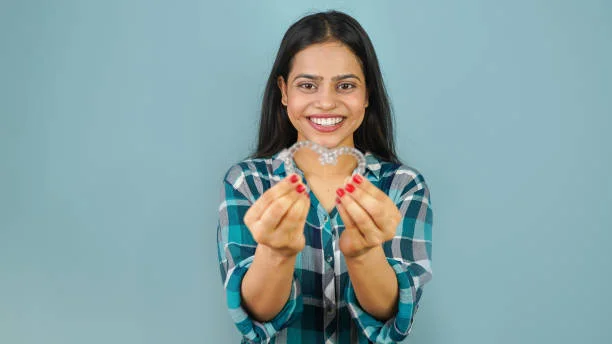
You might be feeling stuck between wanting straighter teeth and not wanting the whole world to know you are in orthodontic treatment. Maybe you picture yourself in a big meeting, on a first date, or in photos, and the idea of metal brackets on your teeth makes your stomach drop. You are not being vain Clear Aligners. You are simply aware of how you look and how that affects your confidence in daily life, and how choosing the right dentist in Peachtree corners can make that journey more comfortable for Image Conscious Patients.
Because of that tension, you might be drawn to clear aligners, yet still unsure if they are really effective, safe, or worth the investment. You may have heard stories from friends, seen online ads, or read about do it yourself aligner kits, and now you are left wondering what is real and what is marketing.
Here is the brief version. Clear aligners can be a very discreet, convenient way to straighten teeth for image conscious patients. They can work very well when planned and monitored by a qualified orthodontic professional, especially for mild to moderate alignment issues. They are not magic, they are not right for every case, and unsupervised treatment can create real problems. Understanding the emotional, practical, and clinical sides will help you decide whether they fit your life and your goals.
Why appearance matters so much when you think about orthodontic treatment
It often starts with something small. You see a photo of yourself and notice that one tooth that tilts in a bit more than you thought. Or you catch your reflection during a video call and realize you are subconsciously hiding your smile. Over time, this can affect how you speak up, how you show emotion, even how you show up at work or in your social life.
Traditional braces are effective, but they are also visible every time you open your mouth. For someone who is already self conscious, this can feel like trading one source of embarrassment for another. That is why clear aligner treatment speaks so strongly to image conscious patients. It promises change without drawing attention to the process.
So where does that leave you if you want results, but you also want to protect your day to day confidence and professional image.
What makes invisible aligners so appealing for image conscious adults and teens
The appeal of clear aligners is not just about being “invisible.” It is about how they fit your real life. Here are the core reasons they tend to resonate with people who care deeply about appearance.
1. Subtle look in photos, meetings, and daily interactions
Clear aligners are made of transparent plastic, so from a normal conversational distance, most people will not notice you are wearing them. This matters if you are in a client facing role, on stage, in front of a classroom, or simply around peers who have only ever known you with your current smile.
Patients often say they feel more comfortable smiling naturally in photos during treatment, because there is no flash of metal. That can ease the worry that you will “hate all the pictures” from a special time in your life.
2. Flexibility for key moments
Because aligners are removable, you can take them out briefly for important events. A job interview. A wedding toast. A high stakes presentation. This does not mean you should remove them often or for long periods, but having that option can lower anxiety. You are not locked into a look 24 hours a day in the way you are with fixed braces Image Conscious Patients.
3. Easier oral hygiene and fewer food restrictions
Being image conscious usually goes beyond teeth. You might care about fresh breath, clean looking teeth, and avoiding stains. Aligners come out when you eat and when you brush, so there are no brackets or wires trapping food. You can brush and floss as you normally would, which can help reduce staining and plaque build up.
There is also less of a spotlight on what you eat in public. With braces, some foods are off limits or awkward. With aligners, you simply remove them discreetly and eat normally, as long as you are disciplined about putting them back in.
4. The emotional comfort of “quiet” treatment
For many adults, the hardest part of orthodontic treatment is not the physical discomfort. It is the feeling that everyone is noticing and silently judging. Aligners allow you to go through a meaningful change in a quieter way. You can share it with people you trust, instead of having it announced every time you smile.
That emotional comfort is often what tips the balance for people who have put off treatment for years.
Where clear aligners can fall short and what you should watch for
Because the benefits are so appealing, it is easy to gloss over the tradeoffs. This is where careful thinking matters.
First, aligners are not ideal for every bite problem. Complex issues, such as significant crowding, jaw misalignment, or certain bite corrections, may still be better treated with traditional braces or a combination approach. The American Association of Orthodontists FAQs emphasize that a proper in-person exam is needed to know what will truly work.
Second, success with aligners relies heavily on your own consistency. They usually need to be worn 20 to 22 hours a day. If you tend to forget, or you snack often, or you find it uncomfortable to speak in them and remove them frequently, your results can slow or fall short.
Third, there is the risk of unsupervised or poorly supervised treatment. Some direct-to-consumer companies mail aligners after a scan or impression, with minimal monitoring. Research, including studies such as the one indexed on PubMed, has raised concerns about the accuracy of tooth movement and the potential for bite problems when orthodontic care is not fully supervised.
The AAO has addressed many of these concerns in its guidance for adults considering orthodontic treatment. Their responses to frequently asked questions highlight the difference between mail-order aligners and care directed by an orthodontist who can see you, adjust the plan, and catch early signs of trouble.
So the question becomes. How do you balance your desire for a discreet solution with the need for safety and predictable results.
Clear aligners vs traditional braces for appearance-conscious patients
It can help to see the tradeoffs in one place. The table below focuses on the points that usually matter most to image conscious people considering orthodontic care.
| Factor | Clear Aligners | Traditional Braces |
|---|---|---|
| Visibility in daily life | Very low. Plastic trays are hard to see from a distance. | High. Brackets and wires are visible when talking or smiling. |
| Control for special events | Can be removed briefly for photos or key moments. | Cannot be removed until treatment is complete. |
| Oral hygiene | Aligners removed to brush and floss. Easier to clean teeth fully. | Requires careful brushing around brackets and wires. |
| Food restrictions | No special food restrictions when aligners are out. | Hard, sticky, and crunchy foods often discouraged. |
| Discipline required | High. Must wear 20–22 hours per day to work well. | Lower. Fixed in place, so less reliant on daily habits. |
| Suitability for complex cases | Good for mild to moderate alignment. Some complex cases possible with expert planning. | Often better for complex bite and jaw issues. |
Seeing these side by side can clarify that aligners are powerful tools, especially for someone who values a discreet look, but they rely on the right case selection and your own follow-through.
Three practical steps if you are considering clear aligners
1. Get an in-person evaluation from a qualified orthodontic provider
Before you commit to any aligner system, have your teeth, gums, and bite fully examined. X-rays and photos help reveal issues that are not obvious on a simple scan. Ask directly whether you are a good candidate for invisible braces style treatment or whether a different option would give you better long-term health and stability.
Use that visit to ask the questions that are on your mind. How long will treatment take? What changes are realistic? How will this affect your speech, your daily routine, and your social or professional commitments?
2. Be honest with yourself about your habits and lifestyle
Clear aligners fit best for people who can stick to a routine and handle some responsibility. Think about your day. Do you graze on snacks or drinks often? Are you likely to misplace aligners? Do you already struggle to remember nighttime retainers or mouthguards?
If you choose aligners, plan your habits in advance. Set reminders to put them back in after meals. Keep a case with you. Decide how you will handle coffee or wine during the day. Treat this as a partnership between you and your orthodontic team rather than a passive service.
3. Look beyond the marketing and focus on long-term health
Pretty before and after photos can be persuasive, but they rarely show what the bite feels like, how the jaw functions, or whether the teeth were moved in a stable, healthy way. When you compare options, pay attention to who is planning and monitoring your care. Is there a local professional you can see if something feels off? Are adjustments made along the way? Are your gums and bone health being checked?
Use resources from trusted organizations, such as the AAO, to balance out brand claims. This context can help you choose a path that respects both your appearance and your oral health.
Moving toward a smile that fits who you are today
If you have delayed treatment because you were afraid of looking like a teenager in braces, you are not alone. Many image-conscious people feel the same conflict. They want the confidence that comes with straighter teeth, yet they also want to protect their professional presence and personal style.
Clear aligners for image conscious patients can be a thoughtful solution. They offer a discreet way to improve your smile, support good hygiene, and give you more control over how visible your treatment is. The key is to pair that convenience with expert guidance and honest self-awareness about your habits Image Conscious Patients.
You do not have to choose between your appearance now and your smile later. With careful planning, you can respect both. When you are ready, reach out to a trusted cosmetic and restorative dentist or orthodontic provider, ask your questions openly, and take the next small step toward a smile you feel comfortable sharing every day.
You work hard to keep your teeth clean. Still, you may wonder if your daily routine does enough. You deserve clear signs that your effort protects your mouth and your body. This guide explains simple clues that your brushing and flossing help oral care routine, and when they do not. You will see what healthy gums look like, how your breath should smell, and what your teeth should feel like each day. You will also learn when small problems hint at larger trouble. Then you can adjust your habits before pain or cost grows. A Turlock dentist can confirm what you notice at home and catch silent problems early. Good oral care is not about perfection. It is about steady choices that protect you. This blog helps you see the truth about your routine so you can feel sure every time you look in the mirror.
1. Your gums look calm and do not bleed
Your gums tell the truth about your routine. Healthy gums protect your teeth. They also lower risk for heart disease and other health problems.
Strong signs your routine works:
- Gums look pink, not dark red or white
- Edges fit snug around each tooth
- No bleeding when you brush or floss
Warning signs that your routine needs change:
- Bleeding during brushing or flossing
- Swelling or shiny gum surfaces
- Gums that feel sore when you chew
The Centers for Disease Control and Prevention explains that early gum disease often starts with light bleeding. If you see pink in the sink more than a few days in a row, your routine may not remove enough plaque. You may need better brushing, regular floss, or a visit with a dentist for a deeper clean.
2. Your breath smells clean during the day
Clean breath is another sign your routine works. Mouth germs feed on food left between teeth. They release strong sulfur compounds. Those cause bad breath and can damage gums.
Your routine likely works if:
- Your breath smells neutral most of the day
- Your tongue looks pink, not coated white or yellow
- Other people do not step back when you speak close
You may need a stronger routine if:
- Bad breath returns within an hour after brushing
- You taste a sour or metallic flavor often
- Scraping your tongue with a spoon leaves a thick layer
Brushing twice a day, cleaning your tongue, and flossing once a day remove the food and germs that cause odor. Water during the day helps too. If breath stays strong even with good care, you may need a dentist or doctor to check for dry mouth or other health problems.
3. Your teeth feel smooth and clean
Your tongue can test your brushing better than a mirror. Plaque feels sticky or fuzzy. Clean enamel feels smooth.
Right after brushing, close your mouth and sweep your tongue along your teeth. Notice three things:
- Surface feel
- Edge sharpness
- Food stuck between teeth
If your routine works, your teeth feel:
- Slick from front to back
- Even along the biting edges
- Free of seeds or food bits between them
If your routine needs change, you may notice:
- Rough spots along the gumline
- Sticky film that returns within hours
- Food stuck in the same places each day
You may need to brush for two full minutes, use small circles near the gums, and aim the bristles at a slight angle toward the gumline. You may also need floss or a small brush between teeth where food collects.
4. You have few new cavities or urgent visits
Over time, your mouth history shows if your routine works. Cavities and urgent visits often drop when daily care improves.
Routine strength and common results over one year
| Daily routine | Average new cavities | Urgent visits for pain or infection |
|---|---|---|
| No daily brushing | High risk | More frequent |
| Once a day brushing, no floss | Moderate risk | Sometimes |
| Twice a day brushing with fluoride toothpaste | Lower risk | Less frequent |
| Twice a day brushing plus daily floss | Lowest risk | Rare |
The National Institute of Dental and Craniofacial Research shows that fluoride and daily plaque removal cut cavity risk. If you still get new cavities at most visits, your routine may miss key spots or you may sip sweet drinks often. A dentist can help you target weak points.
5. Checkups stay simple and fast
Regular checkups measure your success. When your routine works, visits feel calm. You spend more time in the chair talking and less time in treatment.
Signs your routine supports long term health:
- Cleanings feel easier with less scraping
- X rays show stable bone and no new dark spots
- The dentist praises your gum health
Signs your routine needs a reset:
- Deep cleanings or root planing are often needed
- Fillings, crowns, or extractions pile up
- The team urges you to brush and floss more often
Think of each visit as a report card. Use it to adjust your daily habits. Ask where plaque builds up. Ask for a short demo of brushing and flossing. Change one habit at a time and watch your next report improve.
How to strengthen your routine starting today
You can raise your score at any age. You do not need new gadgets. You need three steady steps.
- Brush twice a day with fluoride toothpaste for two minutes
- Floss or use another between tooth cleaner once a day
- See a dentist every six to twelve months, or as advised
Limit sweet drinks and snacks. Sip water more often. Chew sugar free gum after meals if you cannot brush. Small daily choices protect you from pain, cost, and worry.
Your mouth sends signals every day. Gums, breath, tooth feel, cavity history, and checkup results together show if your routine works. Pay attention. Adjust early. You deserve a calm, healthy smile that lets you eat, speak, and laugh without fear.
Unlock the full story. More insights await you at Awareness Ideas.

You might be feeling a little uneasy every time a dental visit comes up. Maybe you are wondering if your child will get another cavity, or if you are missing something important in your family’s oral care. With options like laser dentistry in Denton, TX, you try to stay on top of brushing and flossing, yet it can still feel like you are always reacting to problems instead of staying ahead of them or families rely on in general dentistry.
Because of this, you may be asking a simple question. What do families actually need from a general dentist to prevent problems before they start, not just fix them once they hurt? The good news is that modern family and general dentistry preventive care is built around exactly that idea. There are a handful of core services that, used consistently, can dramatically cut down on cavities, pain, and surprise bills.
This guide walks through five preventive services that families rely on in general dentistry. You will see what each one does, why it matters, and how to decide what is right for your family. You will also find practical tips you can use at home, supported by resources from the CDC on children’s oral health, the U.S. Preventive Services Task Force, and the American Dental Association.
Why does preventive dentistry matter so much for families?
Think about the last time a dental issue caught you off guard. Maybe it was your child waking up at night with a toothache, or a routine checkup that turned into a root canal and a bill you did not plan for. Those moments are stressful. They pull at your emotions and your budget at the same time.
The core problem is that tooth decay and gum disease usually develop quietly. They do not hurt at first. By the time you notice something, the damage can be advanced, and the treatment can be more complex and more expensive. That is why families who focus on preventive dental services tend to experience fewer emergencies and more predictable care.
So where does that leave you? It means the everyday choices you make, from regular checkups to fluoride, can change your family’s long term oral health story. You do not have to be perfect. You just need to understand the key preventive tools and use them consistently.
1. Regular exams and cleanings: Are they really that important?
It can be tempting to skip a checkup when everyone is busy and no one is in pain. Yet routine exams and cleanings are the backbone of family preventive care with a general dentist.
During an exam, your dentist looks for early signs of cavities, gum inflammation, bite problems, and even issues like teeth grinding. These are often things you cannot see in the mirror. Professional cleanings remove hardened plaque and tartar that brushing and flossing at home simply cannot handle.
Without these visits, small issues can quietly grow. A minor area of enamel weakness can turn into a cavity. Mild gum irritation can progress to gum disease. Catching these early usually means simpler treatment, less discomfort, and lower costs.
2. Fluoride treatments: What difference do they make for kids and adults?
You may have heard mixed messages about fluoride and wondered whether your child really needs it. Fluoride is a mineral that helps strengthen tooth enamel and makes it more resistant to decay. For many families, it is one of the most reliable tools to prevent cavities.
The U.S. Preventive Services Task Force recommends fluoride varnish for young children as a way to prevent cavities before they start. In a general dentistry setting, fluoride can be applied as a varnish, gel, or foam during a routine visit. It is quick, painless, and especially helpful for children, teens with braces, and adults with a history of decay or sensitive roots.
If you are worried about safety, it may help to know that professional fluoride use is carefully controlled. Your dentist can also guide you on the right fluoride toothpaste and mouth rinse at home, based on your family’s age and cavity risk.
3. Dental sealants: Are they worth it for your child’s molars?
Children’s back teeth have deep grooves that are hard to keep clean, even with careful brushing. Food and bacteria settle in those grooves and can cause cavities. Dental sealants are a thin protective coating placed on the chewing surfaces of these molars. They act like a shield, blocking bacteria and acids.
Studies have shown that sealants can significantly reduce the risk of cavities in children’s permanent molars. The process is simple. The tooth is cleaned, prepared, and then the sealant is painted on and hardened with a special light. No drilling. No needles.
Parents sometimes hesitate because sealants are an extra cost. Yet compared with filling even a single cavity, sealants are usually less expensive and much easier on a child emotionally. If your child has deep grooves on their molars, sealants are often one of the most effective preventive services a general dentist can offer.
4. Digital X‑rays and early screening: Why do they matter if everything looks fine?
You might wonder why X‑rays are needed if your child’s teeth look straight and white. The reason is that many problems start between teeth, under existing fillings, or below the gums where you cannot see them.
Modern digital X‑rays use lower radiation than older film systems and allow your dentist to spot early decay, developing tooth alignment issues, and even problems with jaw growth in children. When caught early, these issues can often be managed with smaller fillings, fluoride, or simple orthodontic guidance, instead of more complex procedures later.
Screening is especially important for young children, since early decay can spread quickly and affect their ability to eat, sleep, and learn comfortably. Regular X‑ray schedules are usually tailored to your family’s risk level, so you are not exposed more than necessary.
5. Personalized home care guidance: How much does it really help?
Most families already know the basics. Brush twice a day, floss once a day, limit sugar. Yet the gap between knowing and doing can be wide, especially with tired kids at bedtime or busy teenagers.
This is where a family focused general dentist can be especially helpful. Personalized home care guidance turns generic advice into something that works in your real life. That might mean showing your child how to angle the brush, recommending a specific toothbrush or floss for braces, or helping you set a routine that actually fits your schedule.
The American Dental Association’s home care resources offer simple, evidence based tips. Your dental team can build on these, giving you clear, practical habits instead of long lists of rules.
How do preventive dental services compare in cost, effort, and impact?
When you are trying to decide which services to prioritize, it helps to see how they line up side by side. The table below compares some common preventive options that families use in general dentistry.
| Preventive Service | Main Benefit | Typical Frequency | Effort for Family | Cost vs Future Treatment |
|---|---|---|---|---|
| Exams & Cleanings | Early detection and tartar removal | Every 6 to 12 months | Low. Short visit a few times a year | Low cost compared with fillings or root canals |
| Fluoride Treatments | Strengthens enamel and reduces cavities | Every 3 to 12 months, based on risk | Very low. A few minutes during visit | Low cost. Can prevent multiple cavities |
| Dental Sealants | Protects chewing surfaces of molars | Once per tooth, checked at checkups | Low. Painless, short appointment | Moderate cost. Often cheaper than one filling |
| Digital X‑rays | Finds hidden decay or growth issues | Every 1 to 3 years, based on risk and age | Very low. Taken during exam | Low to moderate. Helps avoid major treatments later |
| Home Care Coaching | Improves brushing, flossing, and habits | At each routine visit | Moderate. Requires daily follow through | Very low. Mostly time and consistency |
Seeing it this way, you can start to decide what to prioritize. Often, the most powerful approach is not one single service. It is the steady combination of regular visits, fluoride, and sealants for children, plus daily home care for everyone.
Three practical steps you can take right now
1. Schedule (and protect) your family’s preventive visits
Pick dates for checkups and cleanings and treat them like you would an important school event. If you have missed visits, ask the office to help you set up a recall schedule. For young children, ask specifically about fluoride varnish and whether sealants are appropriate for their molars.
2. Simplify your home care routine, especially for kids
Use the CDC tips for children’s oral health as a starting point. Choose a fluoride toothpaste, set a consistent morning and night brushing time, and supervise brushing until your child can do it well on their own. If flossing feels overwhelming, start with just a few teeth each night and build from there.
3. Talk openly with your dentist about risks, fears, and budget
If you are worried about cost, say so. Ask which preventive services will make the biggest difference for your child’s risk level. If your child is anxious, ask for a slow, step by step approach so they build trust. A good family and general dental care provider will work with you, not pressure you.
Bringing it all together for your family
You do not have to know every detail about dentistry to protect your family’s smiles. You just need a clear understanding of the core preventive services that families rely on in general dentistry, and a plan to use them consistently. Regular exams and cleanings, fluoride, sealants, thoughtful use of X‑rays, and daily home care all work together to reduce stress, pain, and surprise expenses.
With a supportive general dentist and a few steady habits at home, you can move from feeling like you are always catching up to feeling confident that you are staying ahead of problems. Your future self, and your children, will be grateful for the quiet problems that never had a chance to grow.

Why Clear Aligners Appeal To Image Conscious Patients

5 Signs Your Oral Care Routine Is Working

5 Preventive Services That Families Rely On In General Dentistry

Advanced Botox Treatments for Facial Wellness and Care

Jipinfeiche: The Real Story Behind This Speed-Driven Chinese Phenomenon
-

 General2 months ago
What Is Felixing? The Truth Behind a Junk Keyword
-

 Health8 months ago
Lufanest: Effective Local Anesthesia with Fewer Risks
-

 Entertainment2 months ago
هنتاوي.com: Your Gateway to Arabic Anime Content
-

 General9 months ago
bardoek: The Artistic Heritage Inspiring Modern Creative Trends
-

 General8 months ago
Discover Anonib AZN: An Anonymous Asian Forum
-

 Fashion1 month ago
Fashionisk .com Explained: A Closer Look Before You Click
-

 General2 months ago
What Is Euroyungs Com? What I Found After Digging In
-

 Technology9 months ago
Aponeyrvsh: A Modern Framework for Innovation and Resource Use