
Fashion
How to Choose an Engagement Ring That Reflects Your Personal Style


Choosing an engagement ring can be one of the most enjoyable (and stressful) decisions you’ll ever make.
The ring is going to be on their finger for years to come. It should tell the world something about who they are as a person.
Here’s the thing…
Many shoppers don’t know where to begin.
UNLESS…
They read this guide to finding an engagement ring that matches their personal style. From learning about antique ring eras to what details really matter, you’ve got everything you need to shop confidently and choose the perfect ring.
Let’s get into it!
What you’ll learn:
- Antique vs. Vintage Engagement Rings: Important Distinctions
- 4 Ring Styles That Match Your Personal Style
- 3 Elements That Define Every Engagement Ring’s Style
- Tips for Buying Authentic Antique Rings
Antique vs. Vintage Engagement Rings: Important Distinctions
Before jumping into ring styles and personal preferences, let’s clarify one thing…
When people ask about vintage engagement rings, they are usually referring to antique rings.
That’s because these terms are often used interchangeably. However, technically speaking, there is a distinction between what is considered antique versus vintage jewelry.
Vintage rings are typically from the 1920’s up until about 20 years ago.
Antique rings, on the other hand, refer to jewelry that’s more than 100 years old.
For these purposes, when vintage engagement rings are mentioned, the focus is on antique jewelry.
Engagement Rings That Match Your Personal Style
Understanding antique engagement ring styles is simple when you break it down by era.
Each time period has a look and feel to the jewelry that was made during those years.
If you loved a certain era of history, you’re probably going to love the rings from that time period too.
Here are four distinct antique eras that are popular for engagement rings.
Victorian Era (1837 – 1901): Yellow gold or rose gold was mostly used during this time period. You’ll see many romantic styles featuring intricate metal work with rows and clusters of diamonds.
Nature-inspired motifs were also incredibly popular during this era, so if you love names like “honeysuckle,” “marigold,” or “wisteria” engraved on your ring, then this might be the style for you.
Edwardian Era (1901 – 1915): White gold became more popular during this era. Lacy designs featuring filigree work were popular. Delicate scrolling vines and floral patterns are common in Edwardian eternity rings.
Art Deco Era (1920’s – 1930’s): Geometric shapes and sharp contrast were common during this period of history. Linear designs with strong color accents and architecture were the iconic styles of the Art Deco period.
Many of these styles remain popular today. According to Rapaport, Art Deco rings from the 1920s and 30s are some of the most sought-after engagement ring styles in recent years.
If you’re searching for vintage & estate jewelry in Memphis, learning about the different styles of antique rings can help you narrow down your search.
4 Ring Styles That Match Your Personal Style
Now it’s time to get specific with styles.
Think about your personal style. Do you tend to gravitate towards modern looks, or do you prefer vintage styles?
Someone who likes vintage clothing and antique decor will likely love wearing a true antique engagement ring on their finger.
If you’re the type of person who keeps things more modern and minimalist, you might prefer vintage-inspired rings that feature similar metalwork and stone shapes with cleaner designs.
Here are four personality types and the ring styles that will match your individual style.
The Romantic: You’re all about showcasing your sentimental side. Victorian-era rings will be your new best friend. Rose gold and intricate details are beautiful. Floral-inspired elements and warm toned metals will speak to your romantic heart.
The Minimalist: You keep things simple and elegant. Choose an Edwardian-inspired design or sleek solitaire. Pay attention to the craftsmanship of the ring instead of getting distracted by lots of bells and whistles.
The Trend Setter: You love making bold statements with style. Art Deco era designs will satisfy your desire to stand out from the crowd. Strong lines, bold colors, and architectural influence can make your ring look like a piece of modern art without going overboard.
The Nature Lover: You find inspiration in Mother Nature. Some of the Edwardian filigree rings feature vine and leaf patterns that will resonate with nature lovers. The organic shapes and flowing metalwork will remind you of your favorite trail in the woods.
Take note of how you personally decorate your home, live your life, and wear clothing styles. All of these things should give you hints into what you’ll love wearing on your finger as well.
3 Elements That Define Every Engagement Ring’s Style
Now let’s talk about the three elements that make every ring either mesh with your personal style or clash horribly.
Metal Type
The metal is going to set the tone for the entire ring.
What type of metal suits your style? Traditional gold? Something cooler like platinum?
- Yellow gold – creates a warmer vintage feeling
- White gold – more modern, but still has roots in vintage styling
- Rose gold – for when you need that pop of romance
- Platinum – modern, sleek, and durable
Shape of Stone
What shape is the diamond? Newer cuts like the oval have skyrocketed in popularity over the past few years.
But if you’re shopping for antique rings, you’ll also see old mine cuts and old European cuts.
Square diamonds also have their own unique vintage charm that you don’t see with modern round brilliant cuts.
Setting Style
The setting is how the stone is held in place. It basically “frames” the diamond.
Solitaire rings are versatile and never go out of style. Halo settings give you that extra wow factor with added brilliance.
Three stone settings are also timeless and symbolize the past, present, and future.
Tips for Buying Authentic Antique Rings
You’ve got the styles down. Now it’s time to learn how to shop for antique rings.
Do your research. Know what antique rings should look like. That way you won’t fall for clever reproductions that are passed off as authentic antiques.
Work with trusted jewelers. You should always deal with reputable dealers who specialize in estate jewelry. They should be able to verify authenticity and tell you the history behind the pieces.
Additionally, they should be able to answer your questions. If your jeweler can’t provide proper documentation or seems to evade your questions, that should raise red flags.
Look for craftsmanship. Machines were not invented until the 1900’s. While some antique rings do use machine drills, you’ll be able to spot authentic antique rings by the hand-crafted imperfections that only a person can make.
Avoid machine perfect symmetry and pay attention to details in the metalwork.
Lifestyle matters. Yes, antique rings are beautiful. However, some of the antique settings are more fragile than others.
An adventurous person with an active lifestyle would be better off with a stronger protective setting. Instead of delicate prongs, a bezel setting might be a better option.
Budget is everything. While antique rings can be great values since the stones were cut differently and aren’t sold by modern day standards, rare antique rings with exceptional detail will cost you.
Trust your gut. When you find the one, you’ll know it.
You’ll feel that rush of excitement and love just like when you first met your fiancé.
Wrapping Up
Don’t overthink choosing an engagement ring.
You don’t have to follow every trend or spend more money than you’re comfortable with.
Understanding what you like and don’t like will tell you what you want in a ring style.
Once you find an antique ring that you connect with, there’s nothing else you can put on your finger that will have more meaning.
Antique engagement rings tell a story. The craftsmanship is unrivaled by machine made rings today. And the history behind each piece is part of what makes it special.
The minute you learn to trust the process, you’ll find your perfect ring.
Happy Hunting.
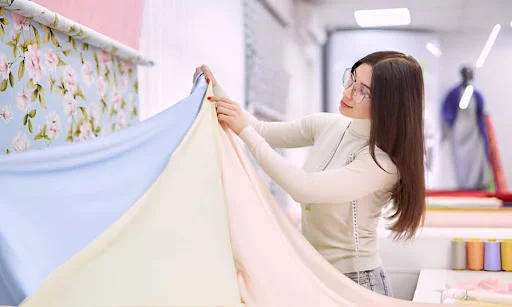
The bedding industry has become a truly global market. Brands that once served only local customers now sell across borders through e-commerce, retail partnerships, and international distribution networks. This global expansion has created new expectations for product quality, consistency, and compliance. Bedding is no longer judged only by how soft it feels in a showroom. It is evaluated by how it performs in real homes, different climates, and under different care routines—often with buyers comparing products from multiple countries at the same time.
In this environment, fabric choice has become a strategic decision. A bedding brand that wants to scale internationally must choose materials that can meet global expectations, handle long-distance supply chains, and maintain reliable performance across large volumes. That is one reason microfiber has gained stronger acceptance across international bedding markets. When produced at a high standard, it offers predictable comfort, durability, and easy care—qualities that international buyers increasingly demand. Much of this consistency depends on working with a capable microfiber fabric manufacturer that understands how export-focused markets measure fabric performance.
Why the Global Bedding Market Is Changing Faster Than Before
Several factors are accelerating change in bedding worldwide:
- Home comfort has become a priority: Consumers invest more in bedroom quality and expect bedding to match lifestyle standards.
- Online shopping increases comparison: Buyers quickly compare fabric claims, reviews, and value across brands and regions.
- Hospitality growth drives bulk demand: Hotels, serviced apartments, and resorts purchase large quantities and need consistent quality.
- Global supply chains require reliability: Brands need fabrics that can be sourced and produced repeatedly without quality variation.
These shifts push brands away from unpredictable materials and toward performance-driven fabrics that are easier to standardize. Microfiber fits this need well because its structure and finishing can be controlled more precisely than many traditional options.
The Importance of Consistency in International Trade
Consistency is a key requirement in export and wholesale. A local buyer might accept small differences between batches, but international buyers typically do not. If the first shipment meets expectations and the next shipment feels different, the relationship can be damaged quickly.
Inconsistent fabric can lead to:
- Buyer complaints and contract risks
- Product returns or shipment rejections
- Negative reviews in new markets
- Increased costs due to replacements and rework
Microfiber supports consistency because manufacturing processes can maintain the same texture, density, and performance across large production volumes. This helps brands deliver stable results across repeated export orders.
Export Requirements and Compliance Expectations
Many countries and large retail channels require bedding products to meet specific quality standards. While requirements differ by market, international buyers often look for evidence that fabrics can handle common real-world conditions.
Export-focused bedding fabrics are commonly evaluated for:
- Color stability (how well dyes hold during washing and use)
- Durability (resistance to wear, pilling, and fiber breakdown)
- Dimensional stability (shrinkage control and shape retention)
- Performance consistency (matching feel and quality across repeated shipments)
Microfiber is often chosen for export-oriented bedding because it can be produced to match these expectations more predictably. For brands, this reduces risk when entering new regions where buyers demand stable results.
Climate Diversity and All-Season Performance
Global markets include warm, humid regions and cold climates—often within the same brand’s customer base. Bedding fabrics must perform well across these conditions without causing discomfort.
Microfiber is adaptable because:
- Fabric density can be adjusted for different temperature needs
- Weaves can be designed to balance breathability and warmth
- Finishing options can influence feel and comfort levels
This flexibility is valuable for brands building international product lines. Instead of developing entirely new materials for each region, they can tailor microfiber specifications while keeping a consistent foundation.
Hospitality Buyers and Global Quality Benchmarks
Hospitality buyers often set the highest standards because bedding faces heavy use and frequent laundering. Hotels and serviced accommodations need fabric that looks clean, feels comfortable, and remains durable under repeated wash cycles.
Microfiber is widely preferred in hospitality-focused supply chains because it can:
- Maintain a neat appearance after laundering
- Resist surface wear compared to many loose weaves
- Dry faster, supporting operational efficiency
- Deliver consistent feel across large inventory volumes
When a brand targets international hospitality clients, fabric reliability becomes a direct business advantage.
Cost Efficiency Matters More in Global Supply Chains
International business adds costs that local brands may not face: shipping, customs duties, warehousing, and extended lead times. In that environment, fabric durability becomes directly linked to cost efficiency. If bedding wears out too quickly, replacement costs rise and profit margins suffer.
Microfiber supports long-term cost efficiency because it:
- Reduces replacement frequency through better durability
- Helps lower return rates from quality-related complaints
- Maintains stable performance that reduces “batch surprise” risks
- Supports faster drying and easy care, reducing operational burden in commercial settings
For brands selling internationally, these benefits help protect value across the entire supply chain, not just at the point of sale.
Sustainability Expectations Across International Markets
Sustainability has become a global expectation, not a niche preference. In many markets, buyers and retailers increasingly favor products that last longer and reduce waste. While sustainability can involve many factors, product lifespan is a major contributor.
Durable fabrics support sustainability by:
- Reducing the frequency of replacement
- Lowering total textile waste over time
- Supporting better value through longer use cycles
Microfiber, when produced with strong durability standards, can align well with these expectations because it supports longer product lifespans and stable performance.
Building Trust in New Markets Through Performance
When a bedding brand enters a new country, it often lacks established brand recognition. In that situation, product performance becomes the main driver of trust. Buyers judge the brand quickly based on how the product feels, how it washes, and whether it matches the description.
A consistent product experience leads to:
- Better reviews and repeat buyers
- Improved retailer confidence
- Lower customer support issues
- Stronger brand reputation across borders
Because microfiber can deliver stable performance, it supports that early trust-building stage. Brands that want to avoid quality surprises often choose partners that understand export expectations and performance requirements. Working with a professional microfiber fabric manufacturer can help brands maintain consistent specifications across production cycles and international deliveries.
Why Quality Documentation and Standardization Matter
International buyers often ask questions beyond simple softness claims. They want reassurance that fabric quality is controlled. This is where standardization matters. When fabrics are produced consistently, brands can create stable product specs, consistent labeling, and predictable customer experiences.
Standardization supports:
- Better product listings and clearer marketing claims
- Easier reorder processes for wholesale buyers
- More reliable inventory planning
- Reduced disputes in B2B transactions
Microfiber is well suited for standardization because it can be engineered to meet stable targets for feel, weight, and durability.
Supporting Export-Oriented Bedding Brands With Specialized Fabric Solutions
As brands scale internationally, they need fabric solutions designed for global performance rather than local trends alone. Export-oriented bedding must satisfy diverse climates, demanding buyers, and large production volumes—without losing consistency.
In this context, joyilife.com represents a platform focused on bedding fabric solutions designed to support modern market expectations, including consistent quality and performance-driven materials. Such support helps bedding brands compete in global markets where standards are rising every year.
The Future of Bedding Fabrics in Global Markets
The next phase of bedding growth will be shaped by three major forces:
- Rising buyer expectations for durability and comfort
- Increased transparency demands around quality and performance
- Greater importance of long-term value and sustainability
Fabrics that can deliver stable results across borders will become the foundation for successful global brands. Microfiber remains well positioned for this future because it balances comfort, easy care, and manufacturing consistency. As international standards evolve, brands that prioritize reliable fabric sourcing and consistent performance will gain a clear advantage.
Final Thoughts
Global market trends are transforming how bedding fabrics are selected and judged. Brands must think beyond local preferences and choose materials that can meet international expectations, handle export complexity, and deliver consistent performance under real-world conditions.
Microfiber has earned a strong position in global bedding because it supports standardization, durability, and cost efficiency qualities that matter in both consumer and commercial markets. With careful production and quality-focused sourcing, microfiber can help bedding brands expand confidently across borders while maintaining the comfort and reliability buyers expect.


Did you know that the footwear market is projected to reach $588.22 billion by 2030? This highlights how important shoes are for comfort, style, and performance.
When choosing everyday footwear, many people overlook what really affects comfort and durability. Shoes aren’t just about style-they need to support your lifestyle. Picking the right pair can make your daily routine easier and more enjoyable.
Knowing what matters most in performance footwear helps you make better choices. In this article, we’ll explore key factors to guide your footwear choices.
Keep reading to learn more.
Quality Materials
The materials in your shoes affect both comfort and durability. Breathable fabrics like mesh help air circulate, keeping your feet cool. Moisture-wicking materials also prevent dampness, which can reduce odor and irritation.
High-quality leather adds style and longevity if maintained properly. Durable materials can handle daily wear without losing shape or comfort. Choosing quality shoes is an investment that pays off over time.
Supportive Design Features
Good support is essential for all-day comfort. Cushioned insoles and arch support reduce strain on your feet. Contoured footbeds help maintain balance and prevent fatigue.
Molded designs can improve the fit and stability of your shoes. Brands that focus on support make it easier to stay active without discomfort. Paying attention to these features keeps your feet healthy during extended wear.
Traction and Grip
A reliable grip is key for safety. Shoes with textured outsoles prevent slipping on wet or uneven surfaces. Rubber soles often give the best traction for walking or running.
Traction can make the difference between a safe walk and a fall. It also adds confidence when moving quickly or on tricky terrain. Prioritizing grip keeps your outings secure and worry-free.
Fit and Flexibility
The right fit prevents blisters and discomfort. Shoes that are too tight or loose can cause long-term foot problems. Flexible soles allow natural foot movement and ease strain on joints.
Testing shoes by walking around ensures they move with your feet. Proper fit enhances both comfort and performance. Flexible designs adapt to various activities, from jogging to daily errands.
Style Versatility
Shoes should work with different outfits and occasions. Neutral colors and timeless designs pair well with casual and semi-formal wear. Versatile footwear reduces the need for multiple pairs.
Stylish shoes don’t have to sacrifice comfort. A well-chosen pair can be your go-to for work, errands, or social outings. Investing in versatile designs simplifies your wardrobe and daily decisions.
Brand Reputation and Reviews
Reputation matters when choosing footwear. Brands with a history of quality products often deliver better comfort and durability. You can also check their website to see what other customers say about their experiences.
Reviews reveal useful insights about fit, performance, and longevity. They help you avoid shoes that look good but fall short in comfort. Considering both brand and feedback ensures you make a smarter purchase.
Choosing the Right Footwear Built for Comfort and Durability
Choosing the right shoes improves your daily comfort and durability. Focusing on materials, support, grip, fit, style, and brand makes a big difference. Prioritizing these factors ensures your shoes last and feel great.
Thoughtful footwear choices reduce fatigue and enhance confidence. Good shoes make walking, running, and daily activities easier. When you invest in the right pair, every step feels better.
Was this helpful? If so, please keep browsing our site to find more useful information!


Polos have long been a staple for men seeking a sophisticated yet relaxed style. Their evolution from sports attire to fashion essentials means that they now occupy a sweet spot in our wardrobes that hits the smart-casual mark perfectly. With the right polo shirt, it’s easier than ever to transition from a business brunch to a casual evening gathering without skipping a beat. In this article, you’ll discover how to select, style, and maintain your versatile polos to elevate your smart-casual look.
Mastering the Smart-Casual Balance With Polo Shirts
The essence of smart-casual dressing is striking the right balance between comfort and refinement. Polo shirts fit comfortably in this category, combining the ease of a t-shirt with the collar’s formality. For office settings that allow a more relaxed dress code, a crisp, solid-color polo pairs well with chinos or dress pants.
Layering is crucial; adding a blazer can elevate the overall look. When temperatures drop, consider wearing a fine knit sweater or vest over your polo. This not only adds warmth but also texture and depth to your outfit. The juxtaposition of casual and professional elements creates a harmonious smart-casual look.
On weekends, a polo shirt can be the foundation for a more casual look. Pair it with sleek jeans or Bermudas for a look appropriate for a casual lunch or a round of golf. The advantage of polo is its inherent adaptability, which complements a range of styles, from preppy to streetwear-inspired ensembles.
Don’t be afraid to experiment with prints and patterns. While solid polos are versatile, a well-selected pattern can add personality to your outfit. Just remember, if the polo is busy, keep the rest of your look simple. Let the shirt be the focal point to maintain that smart-casual equilibrium.
Accessorizing Your Polo: Tips for a Cohesive Look
A polo shirt provides a solid foundation, but the right accessories can elevate it further. Consider incorporating a leather belt that matches your shoes for a cohesive, well-thought-out look. The material and color synchronization bring a sense of intention to your style, signaling that you’ve put thought into the finer details of your outfit.
Watches are another excellent way to complement your polo. A sophisticated timepiece can add a hint of luxury to your look, while a sporty watch reinforces the polo shirt’s active origins. Whatever you choose, ensure it reflects the overall vibe you’re aiming for with your ensemble.
Sunglasses are not just practical; they can also be a style statement. A pair of classic aviators or wayfarers pairs well with polos, adhering to a smart-casual ethos without trying too hard. Always choose sunglasses that suit your face shape and personal style for a seamless addition to your attire.
When selecting jewelry, keep it minimal. A simple chain or ring can help personalize your outfit without overwhelming the polo shirt’s simplicity. Accessories should enhance your look, not draw attention, to maintain the elegance inherent in smart-casual dressing.
Caring for Your Polo Shirts To Maintain Style and Longevity
Ensuring your polo shirts remain in top condition starts with proper laundry techniques. Washing them inside out can help preserve the color and prevent any logos from peeling or cracking. Use a gentle cycle and lukewarm water to prevent shrinkage and fabric warping, and choose a mild detergent to preserve fiber integrity.
Drying your polo shirts correctly is just as crucial. Avoid tumble drying on high heat as this can cause shrinkage and damage the fabric over time. Instead, air-dry your polos flat or hang them up to prevent wrinkles and maintain their shape. For stubborn wrinkles, use a low-heat iron or steamer to smooth the fabric.
Storage is another important aspect. Ideally, polos should be folded neatly to avoid creasing, but if hanging is preferable, choose wide hangers to support the shoulders and prevent stretching. Keeping your polos in a dry, cool closet helps protect them from moisture and heat that can cause fabric degradation.
Be mindful of how often you wear and wash your polos. Rotating your polo shirts can prevent excessive wear and tear. When you do notice signs of wear, such as loose threads or faded color, timely repairs or retiring the shirt in favor of a new one can keep your wardrobe fresh and stylish.
The polo shirt can be a dynamic centerpiece to any smart-casual wardrobe with the right approach. By selecting high-quality fabrics, choosing an appropriate fit for the occasion, accessorizing thoughtfully, and caring for it diligently, your polo can serve as a reliable, adaptable fashion staple for years to come.

Kerkt: Bridging Technology and Human Potential

Horseplop: A Gentle Way to Call Out Nonsense

Oncepik: A Complete Guide to Smarter Productivity and Focus

How to Choose an Engagement Ring That Reflects Your Personal Style

Forklift Rentals as a Cost-Effective and Flexible Equipment Strategy for Modern Industrial and Commercial Operations
-

 General5 months ago
Felixing: A Philosophy of Turning Simple Ideas into Wonders
-

 Health5 months ago
Lufanest: Effective Local Anesthesia with Fewer Risks
-

 General6 months ago
bardoek: The Artistic Heritage Inspiring Modern Creative Trends
-

 Entertainment4 months ago
هنتاوي.com: Your Gateway to Arabic Anime Content
-

 General5 months ago
Discover Anonib AZN: An Anonymous Asian Forum
-

 Fashion6 months ago
fashionisk .com – Your Ultimate Guide to Trendy, Smart Fashion
-

 Lifestyle6 months ago
Mariano Iduba: A Visionary Leader in Global Digital Growth
-
 Fashion6 months ago
Casîo: Explore Legacy, G-SHOCK Watches, Keyboards, and More