
Fashion
How Global Market Trends Are Influencing Bedding Fabric Selection Worldwide


The bedding industry has become a truly global market. Brands that once served only local customers now sell across borders through e-commerce, retail partnerships, and international distribution networks. This global expansion has created new expectations for product quality, consistency, and compliance. Bedding is no longer judged only by how soft it feels in a showroom. It is evaluated by how it performs in real homes, different climates, and under different care routines—often with buyers comparing products from multiple countries at the same time.
In this environment, fabric choice has become a strategic decision. A bedding brand that wants to scale internationally must choose materials that can meet global expectations, handle long-distance supply chains, and maintain reliable performance across large volumes. That is one reason microfiber has gained stronger acceptance across international bedding markets. When produced at a high standard, it offers predictable comfort, durability, and easy care—qualities that international buyers increasingly demand. Much of this consistency depends on working with a capable microfiber fabric manufacturer that understands how export-focused markets measure fabric performance.
Why the Global Bedding Market Is Changing Faster Than Before
Several factors are accelerating change in bedding worldwide:
- Home comfort has become a priority: Consumers invest more in bedroom quality and expect bedding to match lifestyle standards.
- Online shopping increases comparison: Buyers quickly compare fabric claims, reviews, and value across brands and regions.
- Hospitality growth drives bulk demand: Hotels, serviced apartments, and resorts purchase large quantities and need consistent quality.
- Global supply chains require reliability: Brands need fabrics that can be sourced and produced repeatedly without quality variation.
These shifts push brands away from unpredictable materials and toward performance-driven fabrics that are easier to standardize. Microfiber fits this need well because its structure and finishing can be controlled more precisely than many traditional options.
The Importance of Consistency in International Trade
Consistency is a key requirement in export and wholesale. A local buyer might accept small differences between batches, but international buyers typically do not. If the first shipment meets expectations and the next shipment feels different, the relationship can be damaged quickly.
Inconsistent fabric can lead to:
- Buyer complaints and contract risks
- Product returns or shipment rejections
- Negative reviews in new markets
- Increased costs due to replacements and rework
Microfiber supports consistency because manufacturing processes can maintain the same texture, density, and performance across large production volumes. This helps brands deliver stable results across repeated export orders.
Export Requirements and Compliance Expectations
Many countries and large retail channels require bedding products to meet specific quality standards. While requirements differ by market, international buyers often look for evidence that fabrics can handle common real-world conditions.
Export-focused bedding fabrics are commonly evaluated for:
- Color stability (how well dyes hold during washing and use)
- Durability (resistance to wear, pilling, and fiber breakdown)
- Dimensional stability (shrinkage control and shape retention)
- Performance consistency (matching feel and quality across repeated shipments)
Microfiber is often chosen for export-oriented bedding because it can be produced to match these expectations more predictably. For brands, this reduces risk when entering new regions where buyers demand stable results.
Climate Diversity and All-Season Performance
Global markets include warm, humid regions and cold climates—often within the same brand’s customer base. Bedding fabrics must perform well across these conditions without causing discomfort.
Microfiber is adaptable because:
- Fabric density can be adjusted for different temperature needs
- Weaves can be designed to balance breathability and warmth
- Finishing options can influence feel and comfort levels
This flexibility is valuable for brands building international product lines. Instead of developing entirely new materials for each region, they can tailor microfiber specifications while keeping a consistent foundation.
Hospitality Buyers and Global Quality Benchmarks
Hospitality buyers often set the highest standards because bedding faces heavy use and frequent laundering. Hotels and serviced accommodations need fabric that looks clean, feels comfortable, and remains durable under repeated wash cycles.
Microfiber is widely preferred in hospitality-focused supply chains because it can:
- Maintain a neat appearance after laundering
- Resist surface wear compared to many loose weaves
- Dry faster, supporting operational efficiency
- Deliver consistent feel across large inventory volumes
When a brand targets international hospitality clients, fabric reliability becomes a direct business advantage.
Cost Efficiency Matters More in Global Supply Chains
International business adds costs that local brands may not face: shipping, customs duties, warehousing, and extended lead times. In that environment, fabric durability becomes directly linked to cost efficiency. If bedding wears out too quickly, replacement costs rise and profit margins suffer.
Microfiber supports long-term cost efficiency because it:
- Reduces replacement frequency through better durability
- Helps lower return rates from quality-related complaints
- Maintains stable performance that reduces “batch surprise” risks
- Supports faster drying and easy care, reducing operational burden in commercial settings
For brands selling internationally, these benefits help protect value across the entire supply chain, not just at the point of sale.
Sustainability Expectations Across International Markets
Sustainability has become a global expectation, not a niche preference. In many markets, buyers and retailers increasingly favor products that last longer and reduce waste. While sustainability can involve many factors, product lifespan is a major contributor.
Durable fabrics support sustainability by:
- Reducing the frequency of replacement
- Lowering total textile waste over time
- Supporting better value through longer use cycles
Microfiber, when produced with strong durability standards, can align well with these expectations because it supports longer product lifespans and stable performance.
Building Trust in New Markets Through Performance
When a bedding brand enters a new country, it often lacks established brand recognition. In that situation, product performance becomes the main driver of trust. Buyers judge the brand quickly based on how the product feels, how it washes, and whether it matches the description.
A consistent product experience leads to:
- Better reviews and repeat buyers
- Improved retailer confidence
- Lower customer support issues
- Stronger brand reputation across borders
Because microfiber can deliver stable performance, it supports that early trust-building stage. Brands that want to avoid quality surprises often choose partners that understand export expectations and performance requirements. Working with a professional microfiber fabric manufacturer can help brands maintain consistent specifications across production cycles and international deliveries.
Why Quality Documentation and Standardization Matter
International buyers often ask questions beyond simple softness claims. They want reassurance that fabric quality is controlled. This is where standardization matters. When fabrics are produced consistently, brands can create stable product specs, consistent labeling, and predictable customer experiences.
Standardization supports:
- Better product listings and clearer marketing claims
- Easier reorder processes for wholesale buyers
- More reliable inventory planning
- Reduced disputes in B2B transactions
Microfiber is well suited for standardization because it can be engineered to meet stable targets for feel, weight, and durability.
Supporting Export-Oriented Bedding Brands With Specialized Fabric Solutions
As brands scale internationally, they need fabric solutions designed for global performance rather than local trends alone. Export-oriented bedding must satisfy diverse climates, demanding buyers, and large production volumes—without losing consistency.
In this context, joyilife.com represents a platform focused on bedding fabric solutions designed to support modern market expectations, including consistent quality and performance-driven materials. Such support helps bedding brands compete in global markets where standards are rising every year.
The Future of Bedding Fabrics in Global Markets
The next phase of bedding growth will be shaped by three major forces:
- Rising buyer expectations for durability and comfort
- Increased transparency demands around quality and performance
- Greater importance of long-term value and sustainability
Fabrics that can deliver stable results across borders will become the foundation for successful global brands. Microfiber remains well positioned for this future because it balances comfort, easy care, and manufacturing consistency. As international standards evolve, brands that prioritize reliable fabric sourcing and consistent performance will gain a clear advantage.
Final Thoughts
Global market trends are transforming how bedding fabrics are selected and judged. Brands must think beyond local preferences and choose materials that can meet international expectations, handle export complexity, and deliver consistent performance under real-world conditions.
Microfiber has earned a strong position in global bedding because it supports standardization, durability, and cost efficiency qualities that matter in both consumer and commercial markets. With careful production and quality-focused sourcing, microfiber can help bedding brands expand confidently across borders while maintaining the comfort and reliability buyers expect.


Introduction to iloveprive.com
Step into a world where fashion meets lifestyle in perfect harmony. iloveprive.com is more than just a website; it’s your personal gateway to premium experiences that elevate both your wardrobe and your daily life. With an ever-evolving selection of exclusive offerings, this platform caters to trendsetters and casual shoppers alike, ensuring everyone finds something special. Whether you’re hunting for the latest styles or seeking unique lifestyle enhancements, iloveprive.com has you covered. Get ready to transform the way you experience fashion and living—your journey begins here!
Why iloveprive.com stands out from other platforms?
iloveprive.com stands out in the crowded fashion and lifestyle market with its curated selection of premium brands. Each item showcases artistry, elegance, and a commitment to quality that’s hard to find elsewhere.
iloveprive.com highlights rare and one-of-a-kind selections. Many products are limited edition or one-of-a-kind pieces that make every purchase feel special. This sense of uniqueness keeps customers returning for more.
Personalization is another key feature. Users can tailor their shopping experiences based on preferences, ensuring they discover items that resonate with their individual styles and needs.
Further enhancing its appeal is an immersive online experience. The website’s design combines aesthetics with functionality, making it easy to navigate while enjoying visually striking layouts.
Additionally, iloveprive.com embodies a community spirit through engaging content, including style tips and trends that enrich customer knowledge beyond mere transactions. It’s about creating connections as much as offering products.
Curated fashion and lifestyle journeys available on iloveprive.com
iloveprive.com curates a stunning array of fashion and lifestyle experiences that cater to diverse tastes. Whether you’re looking for the latest runway trends or timeless classics, this platform offers something special for everyone.
Explore exclusive collections featuring high-end brands alongside emerging designers. Each piece tells a story, bringing fresh perspectives to your wardrobe.
In addition to fashion, iloveprive.com embraces lifestyle enhancements. From curated travel experiences to bespoke home decor items, every detail is thoughtfully crafted. You can elevate your everyday life while expressing your unique style.
The interactive shopping experience is seamless and intuitive. Browse through categories designed with ease in mind and discover products that resonate with your personal flair.
With regular updates on trends and new arrivals, iloveprive.com ensures you stay ahead of the curve in both fashion and lifestyle choices.
How to Access and Utilize the Services of iloveprive.com?
Accessing iloveprive.com is a breeze. Simply visit the website and explore its sleek interface designed for user-friendliness.
Once on the site, you can browse various categories tailored to your fashion and lifestyle needs. From exclusive apparel to unique experiences, it’s all just a click away.
To utilize their services effectively, create an account by signing up with your email address. This allows you to receive personalized recommendations based on your preferences.
Don’t forget to take advantage of special promotions and newsletters that keep you updated about new arrivals and events. Engage with their community through social media platforms for added inspiration and insights.
When you’re ready to make a purchase or book an experience, follow the simple checkout process which ensures secure transactions every time. Experience a whole new level of shopping excitement!
Testimonials from Satisfied Customers
Customers of iloveprive.com frequently share their excitement. They rave about the seamless shopping experience and the curated selection of luxury items.
One customer expressed delight in finding unique pieces that aren’t available elsewhere. She felt that each item told a story, reflecting her personal style perfectly.
Another satisfied shopper noted how easy it was to navigate the site. The user-friendly layout made discovering new trends enjoyable rather than overwhelming.
Many customers appreciate the exceptional customer service they receive. Quick responses and personalized assistance have left them feeling valued and understood.
The community aspect also resonates deeply with users. Many report connecting with like-minded individuals who share their passion for premium fashion and lifestyle experiences.
These testimonials highlight not only satisfaction but a genuine sense of belonging among shoppers at iloveprive.com, enhancing their overall experience greatly.
Upcoming initiatives and growth strategies at iloveprive.com
iloveprive.com is poised for exciting growth. The team is continuously exploring new partnerships with emerging designers and luxury brands. This commitment ensures a diverse range of products that cater to every fashion enthusiast.
The platform aims to expand its lifestyle offerings too. Upcoming collaborations will introduce exclusive wellness experiences, curated travel packages, and special events designed for members seeking more than just shopping.
Moreover, iloveprive.com plans to enhance its digital experience. Implementing advanced technology will streamline customer interactions and make navigating the site even smoother.
With an eye on sustainability, future initiatives will focus on eco-friendly practices in sourcing materials and shipping processes. This commitment not only aligns with global trends but also speaks volumes about their dedication to responsible consumerism.
As iloveprive.com continues to evolve, customers can expect innovative features that elevate both style and convenience in their everyday lives.
Conclusion: Elevate Your Style and Life with iloveprive.com
Elevate your style and life with iloveprive.com. This platform stands as a beacon for those seeking premium fashion and lifestyle experiences. With its unique offerings, it caters to individuals who appreciate quality and sophistication.
Navigating through the curated collections is seamless, making it easy for anyone to find exactly what they need. The exceptional customer service ensures that every interaction is rewarding, adding to the overall experience.
As iloveprive.com continues to grow, so do the opportunities for customers. Whether you’re looking to revamp your wardrobe or enhance your lifestyle choices, this website provides valuable resources at your fingertips.
Join the community of satisfied customers who have transformed their shopping habits into something extraordinary. Explore iloveprive.com today—your gateway awaits!
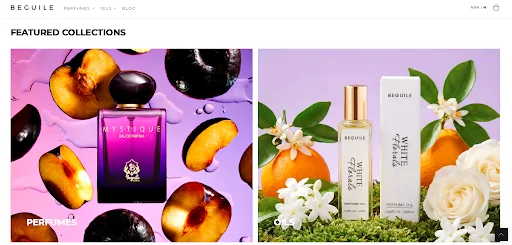
Perfume is more than just a fragrance; it is an expression of personality, a mood enhancer, and often a statement of style. Among the many scents that have captivated perfume lovers, Beguile perfume UK has established itself as a favorite for those seeking sophistication, elegance, and a unique aroma that leaves a lasting impression. If you are in the United Kingdom and looking to add this exquisite scent to your collection, knowing the best places to buy it can make all the difference.
High-End Department Stores
One of the most reliable options for purchasing Beguile perfume UK is high-end department stores. Renowned retailers like Harrods, Selfridges, and John Lewis carry a wide range of designer fragrances, including Beguile perfume. These stores often offer testers, allowing customers to experience the fragrance firsthand before making a purchase. Shopping at these locations also ensures authenticity, which is crucial when investing in a luxury scent.
Department stores frequently provide expert assistance from trained staff who can offer guidance on the perfume’s notes, longevity, and suitability for different occasions. Many stores also run seasonal promotions or loyalty programs, giving shoppers the opportunity to enjoy the perfume at competitive prices while benefiting from excellent customer service.
Specialty Perfume Boutiques
For those seeking a more curated shopping experience, specialty perfume boutiques are an excellent choice. These stores focus exclusively on fragrances and often carry unique, hard-to-find scents. Boutique staff are typically passionate about perfumes and can provide in-depth knowledge about Beguile perfume UK, including its key notes, the inspiration behind the fragrance, and complementary scents.
Boutiques may also offer personalized services, such as scent layering recommendations or limited edition variants. This makes them ideal for perfume enthusiasts who appreciate a tailored shopping experience and want to explore the world of fragrances beyond the mainstream offerings.
Online Retailers
In today’s digital age, buying Beguile perfume UK online is both convenient and efficient. Many reputable online retailers stock this perfume and provide detailed descriptions, customer reviews, and ingredient information. Shopping online allows consumers to compare prices, find exclusive deals, and even access limited edition releases that may not be available in physical stores.
However, caution is necessary when purchasing perfumes online. Authenticity is paramount, so it is advisable to choose well-known and trusted online platforms. Many online retailers also offer flexible return policies, ensuring that you can make your purchase with confidence. Additionally, some websites provide samples or smaller sizes, which are perfect for trying the perfume before committing to a full bottle.
Duty-Free Shops
If you are traveling internationally, duty-free shops at airports present another excellent opportunity to purchase Beguile perfume UK. These shops often carry a selection of premium perfumes at tax-free prices, which can be more economical than buying from traditional retailers. The advantage of duty-free shopping is that you can pick up your desired fragrance while traveling, saving both time and money.
Duty-free stores frequently have exclusive travel sets or gift packs, making them ideal for purchasing Beguile perfume UK as a present. It’s important to check the available stock ahead of time, especially if you are looking for a specific variant, as selections may vary by airport.
Local Perfume Stores
Smaller, independent perfume stores across the UK are often overlooked but can be hidden gems for finding Beguile perfume UK. These stores tend to focus on personalized service and unique scent collections, often carrying niche fragrances that are not available in larger retail chains. Visiting a local store allows you to interact directly with knowledgeable staff who can guide you in selecting the perfect scent for your style or occasion.
Local stores may also host fragrance events or workshops, providing opportunities to learn more about perfumes, their composition, and how to wear them effectively. Supporting these businesses not only gives you access to quality products but also strengthens the local economy and perfume community.
Final Thoughts
Finding the perfect fragrance is a journey, and selecting the right place to buy Beguile perfume UK is an essential part of that experience. Whether you prefer the grandeur and reliability of high-end department stores, the expertise of boutique shops, the convenience of online retailers, the cost savings of duty-free stores, or the charm of local perfume shops, each option offers unique advantages.
Ultimately, the best place to buy Beguile perfume UK depends on your priorities—authenticity, convenience, personalized service, or price. By exploring these options, you can ensure that your purchase is both satisfying and memorable, adding a captivating scent to your collection that truly embodies elegance and style.

A Stylish Addition to Your Ride
If you’re a motorcycle enthusiast, you know that the right accessories can add a personal touch and make your bike truly unique. Among the most popular trends in motorcycle fashion is the motorcycle bell a small, yet powerful accessory that has gained recognition for its distinctive style and charm. While some believe these bells have protective qualities, they are increasingly being embraced as a fashion statement that adds flair and personality to your ride.
In this post, we’ll explore why motorcycle bells have become a must-have fashion trend, and why Renegade Bells, Bravo Bells, and Guardian Bells are the go-to choices for riders who want to make a statement.
The Motorcycle Bell: More Than Just a Charm
Motorcycle bells have long been associated with tradition, thought to bring good luck and protect riders from evil spirits. However, today’s riders are embracing these bells not just for their symbolic meaning, but for their ability to elevate the look of their motorcycles.
These bells come in a variety of designs, and can be hung anywhere on your bike. Many riders choose to attach them near the front forks, where they catch the eye and enhance the overall aesthetic of their bike. Whether you’re looking to add a bit of rustic charm or a custom touch, motorcycle bells are a simple yet effective way to personalize your bike and set it apart from the rest.
Renegade Bells: Bold, Customizable, and Stylish
One of the most popular styles of motorcycle bells today is the Renegade Bell. These bells are known for their bold designs and customizable features. With a variety of finishes, shapes, and engraving options, Renegade Bells allow riders to express their personality through their bike’s accessories.
What sets Renegade Bells apart is their versatility. From sleek, polished chrome to vintage-looking tarnished finishes, these bells can match any style, whether you’re into classic bikes or more modern, edgy designs. They also make great gifts for fellow riders or a unique addition to your own ride.
Their design versatility, paired with the symbolic meaning behind them, makes Renegade Bells a top choice for riders who want a statement piece on their motorcycle.
Bravo Bells: A Classic Symbol of Style
For those who prefer a more traditional look, Bravo Bells offer the perfect balance of vintage charm and modern style. Bravo Bells are designed with intricate detailing and are often made from high-quality materials like brass, stainless steel, or aluminum. These bells often feature engraved logos, symbols, and even personal messages that reflect the rider’s unique story.
The timeless aesthetic of Bravo Bells makes them a popular choice among riders who appreciate the history and craftsmanship behind motorcycle accessories. Whether you choose a simple, polished brass finish or opt for something more ornate, Bravo Bells bring a sense of nostalgia and character to any bike.
Guardian Bells: Charm, Protection, and Fashion
While Guardian Bells have deep roots in tradition, they’ve become an undeniable fashion trend. Known for their symbolic meaning of protection against road hazards, Guardian Bells are now designed with modern flair, featuring unique engravings, vibrant colors, and customized designs. Whether you’re a seasoned rider or a newbie, Guardian Bells are not only stylish but also connect riders to a sense of camaraderie and tradition.
What makes Guardian Bells particularly popular is their connection to rider culture. These bells often come with personalized options and are available in various sizes and finishes, making them an ideal choice for riders who want to combine tradition with style. They offer a stylish way to honor motorcycling’s rich history while adding an eye-catching accessory to your bike.
Motorcycle Bells: A Fashionable Way to Personalize Your Ride
Motorcycle bells, whether it’s a Renegade Bell, Bravo Bell, or Guardian Bell, are more than just symbols of tradition. They have become a fashionable way for riders to personalize their motorcycles and show off their unique style. These bells not only make your bike stand out, but they also let you express your personality, whether you prefer a classic, edgy, or vintage look.
Because they’re available in so many designs and finishes, motorcycle bells allow for endless customization. Some riders even collect different styles, switching them out depending on the season, their mood, or the bike they’re riding. It’s this level of personalization that has turned motorcycle bells into a true fashion trend.
Whether you’re a long-time rider or just starting out, adding a motorcycle bell to your bike is an easy, affordable way to enhance its look and showcase your personal flair.
Conclusion: Add a Bell to Your Bike and Ride in Style
If you’re looking to add a little extra style to your motorcycle, there’s no better way than with a motorcycle bell. From Renegade Bells to Bravo Bells and Guardian Bells, these accessories are the perfect combination of fashion and tradition. They’re easy to attach, customizable, and offer a fun way to express yourself while riding.
Ready to upgrade your ride with a new motorcycle bell? Browse through our collection at Daniel Smart Manufacturing and find the perfect bell to suit your bike’s style. Whether you’re looking for something sleek, bold, or classic, we’ve got the perfect bell to complete your ride.

What Every Parent Needs to Know About Local Leash Laws and Safety

SSO CISD Login: Streamlining Access for Students, Parents, and Teachers

Billy Bernthal: The Quiet Life of Jon Bernthal’s Son Away from the Camera

ConroeISD SSO: Your All-Access Digital Pass to Streamlined Learning

The Cultural Impact of the Kentucky Derby Around the World
-

 General6 months ago
Felixing: A Philosophy of Turning Simple Ideas into Wonders
-

 Health6 months ago
Lufanest: Effective Local Anesthesia with Fewer Risks
-

 Entertainment5 months ago
هنتاوي.com: Your Gateway to Arabic Anime Content
-

 General7 months ago
bardoek: The Artistic Heritage Inspiring Modern Creative Trends
-

 General6 months ago
Discover Anonib AZN: An Anonymous Asian Forum
-

 Fashion7 months ago
fashionisk .com – Your Ultimate Guide to Trendy, Smart Fashion
-

 General6 months ago
Euroyungs com Explained: Multi-Niche Hub or Risky Site?
-

 Lifestyle7 months ago
Mariano Iduba: A Visionary Leader in Global Digital Growth