
Health
How General Dentists Personalize Care With Restorative Expertise

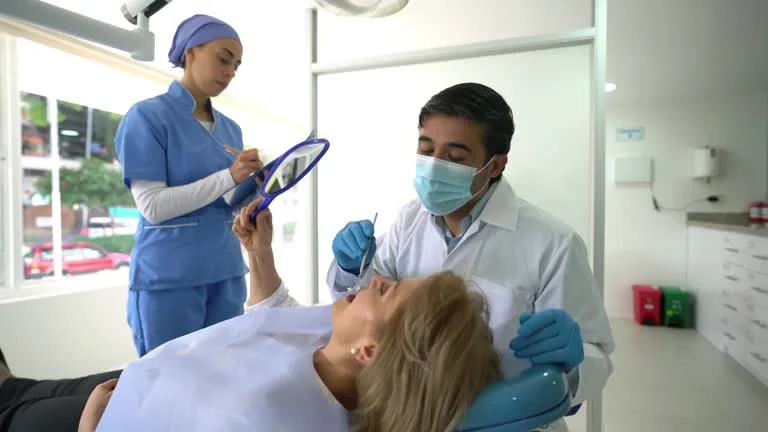
You might be feeling a mix of worry and guilt every time you think about your teeth. Maybe a filling fell out and you keep putting off fixing it. Maybe you are tired of hiding your smile in photos. Or maybe you are simply overwhelmed by all the choices and opinions about what you “should” do about your dental health. At Forest dental practice, we understand these feelings and are here to help you move forward with confidence.
Before things changed, you might have gone in for quick cleanings and hoped for the best. Now you are facing decisions about fillings, crowns, or other restorative treatments, and it suddenly feels serious. You want care that respects your budget and your time, but you also want something deeper. You want someone who sees you as a person, not just a mouth in a chair.
This is where personalized restorative dental care from a general dentist can make a real difference. When a dentist combines everyday general dentistry with restorative expertise, you get more than a repair. You get a plan that fits your life, your health history, and your comfort level. In simple terms, the goal is to protect your teeth, relieve your pain, and restore your confidence, without pushing you into anything you do not understand or want.
So where does that leave you today. It means you have more options and more control than you may realize, as long as you understand how general, cosmetic, and restorative dentistry can work together for you.
Why does a “simple cavity” feel so stressful?
It often starts small. A little sensitivity to cold. A dark spot you notice in the mirror. A dentist mentions a cavity and recommends a filling, and you nod, but inside you feel a knot forming in your stomach.
The stress rarely comes from the tooth alone. It comes from questions that pile up in your mind. Will this hurt. Will it be expensive. Will the filling look obvious. Is it really necessary right now. If you have had a bad experience in the past, those memories sit in the chair with you too.
On top of that, you might read online about different materials, such as amalgam and composite, and feel even more confused. The National Institute of Dental and Craniofacial Research explains the basics of dental fillings and materials, yet it can still feel hard to relate that information to your own mouth and your own priorities.
Because of this tension, you might wonder if you should do the bare minimum now and “wait and see” for everything else. Or you might swing in the other direction and feel pressured to say yes to every possible treatment just to be “safe.” Neither extreme feels good, and neither feels truly personal.
How do general dentists turn technical care into personal care?
A general dentist who is strong in restorative care is not just fixing teeth. They are building a strategy with you. They look at three things at the same time. Your current dental problems, like cavities, cracks, or worn enamel. Your long term risks, such as dry mouth, clenching, or a history of frequent decay. Your goals, including how you want your smile to look, how quickly you want treatment, and how much you are comfortable investing.
For example, imagine you have an old silver filling that is chipped, a front tooth with a small chip, and a back tooth that hurts when you bite down. A rushed approach might handle each one separately, with no real plan. A thoughtful general dentist with restorative dentistry expertise will slow down and ask different questions. Which tooth is most urgent. Where are you feeling pain. How important is it to you that your dental work looks invisible. Are you hoping to avoid major work like root canals or extractions later.
From there, they can explain options such as tooth colored fillings, inlays, onlays, or crowns, and how each choice affects strength, appearance, and cost over time. Modern research on dental materials and durability helps guide these decisions, but the right choice still depends on you. Some people want the most natural looking option, even if it means more visits. Others want the simplest and most affordable approach that still protects the tooth.
So how do you know what is “right”. That is where a personalized conversation matters more than any generic recommendation. A good general dentist will use guidelines, such as the American Dental Association’s restorative caries treatment recommendations, but will still adjust their plan to your comfort, your health, and your timeline.
How do cosmetic and restorative choices balance function, beauty, and cost?
Many people think cosmetic dentistry is just about looks and restorative dentistry is just about “fixing.” In reality, they often overlap. A white filling in a front tooth is both cosmetic and restorative. A crown can protect a cracked tooth and also improve its color and shape. The key is to know which choice gives you enough strength and comfort, without going further than you need or want.
To make this clearer, it can help to compare common options side by side. This is where a simple table can give you a calmer way to think.
| Treatment Option | Best For | Appearance | Typical Longevity | Common Tradeoffs |
|---|---|---|---|---|
| Tooth colored filling | Small to medium cavities | Blends with natural tooth | About 5 to 10 years, sometimes longer | Less strong for very large areas, may need replacement over time |
| Crown | Heavily damaged or cracked teeth | Can be very natural looking | Often 10 to 15 years or more with good care | More tooth reduction, higher cost, usually two visits |
| Inlay or onlay | Moderate damage on chewing surfaces | Matches tooth color when ceramic or composite | Similar to crowns when well made and cared for | More precise and sometimes higher cost than a filling, but preserves more tooth than a crown |
| Cosmetic bonding | Small chips, gaps, or shape issues | Very natural when done carefully | Often several years, may stain or chip | Less durable, may need touch ups |
These are general patterns, not promises. Your dentist will look at where the tooth is in your mouth, how you bite, and how you care for your teeth at home. The goal is always the same. Keep as much natural tooth as possible, protect you from pain and infection, and give you a smile that feels like your own.
So, how do you bring all this information down to earth and into your next visit.
What can you do right now to make your dental care more personal?
1. Get clear on your priorities before your appointment
Take ten quiet minutes and write down what matters most to you. Is it long term strength. Is it appearance. Is it minimizing cost right now. Is it avoiding extensive treatment if possible. Rank your top three. Bring that list with you. When your dentist suggests options for fillings, crowns, or other work, you can say, “My main goals are these three things. How would each option fit with that.” This simple step helps your dentist shape a more personal plan for your general, cosmetic, and restorative dentistry needs.
2. Ask for plain language explanations and visual aids
You never need to feel embarrassed about not understanding dental terms. You are not supposed to speak “dentist.” Ask for photos of your teeth, simple drawings, or digital scans. Then ask questions such as. What happens if we wait. What is the simplest option. What is the most durable option. How will this look in my mouth. A dentist who truly personalizes care will welcome these questions, not rush you through them.
3. Build a phased plan instead of an all or nothing approach
If you need more than one treatment, you do not have to do everything at once unless there is an urgent problem. You can ask your dentist to prioritize. Which tooth is most at risk right now. Which treatment is mostly preventive. Which work could reasonably wait a few months. A phased plan respects your budget and your emotional bandwidth. It also gives you time to experience your dentist’s care and build trust before moving to the next step in your restorative dental treatment.
Where do you go from here when you feel stuck or unsure?
You do not have to become a dental expert to make good decisions about your teeth. What you need is a general dentist who combines everyday care with restorative skill and who listens to what you want your life to look like, not just your x rays.
If you are feeling stuck, the next move can be simple. Schedule a visit, bring your questions and your priorities, and be honest about your fears and your budget. Ask for a clear, written plan with options, and give yourself permission to think before you decide.
Your smile is not a project. It is a part of your daily life, your comfort, and your confidence. With the right guidance and a dentist who personalizes care with restorative expertise, you can move from stress and confusion to steady, thoughtful choices that protect your teeth and your peace of mind over time.

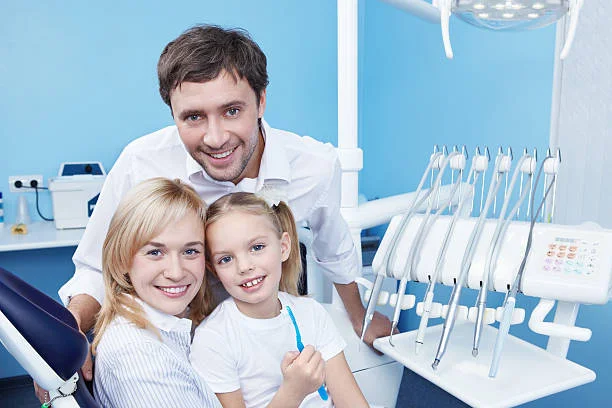
You might be feeling a mix of worry and guilt right now. Maybe your child has already had cavities, a scary visit to the dentist, or even needed treatment under sedation. Whether you’ve seen an emergency dentist in Sugar Land or a regular pediatric provider, you did your best, yet here you are, wondering if these early dental problems will follow them for years.
You are not alone. Many parents quietly carry the fear that early dental challenges have already “set the tone” for their child’s smile and self-esteem. You might be asking yourself if your child will always be afraid of the dentist, or if their teeth will always be a “problem.”
The good news is that this is not the end of the story. With supportive family dentistry for kids who have had early dental issues, children can rebuild trust, gain confidence, and grow up feeling proud of their smile. In simple terms, the right long-term family dentist can help you move from crisis care to steady, calm, preventive care.
So where does that leave you today? It means you can stop blaming yourself and start looking at what can change from this point forward. You can shape the “after” in a much kinder way than the “before.”
How do early dental problems affect a child’s confidence and behavior?
When a child has cavities, pain, or a frightening first dental visit, it does not just affect their teeth. It affects how safe they feel in a dental chair, how they see their own body, and sometimes even how they eat, sleep, and play. If you have ever seen your child clamp their mouth shut or cry at the thought of an appointment, you know how deep this runs.
For example, imagine a 5-year-old who wakes up at night with tooth pain. They miss school, avoid certain foods, and hear adults talk about “bad teeth.” By the time they get to the dentist, they are already scared. If that visit involves shots, drilling, or restraints without enough preparation and kindness, the fear can stick. They may then fight every visit and feel “different” from kids who “never have cavities.”
Because of this tension, you might worry that every appointment will be a battle or that your child will grow up ashamed of their teeth. You may even put off visits, which only gives problems more time to grow. That is a very human response, though it often makes things harder later.
This is where a steady, relationship-based family dentist changes the story. Instead of seeing your child only in moments of crisis, the dentist becomes a familiar face, a calm place, and a guide for both of you. Over time, routine visits replace emergency ones, and your child learns that the dental office is not just where “bad news” happens.
How can family dentistry rebuild trust and confidence after a rough start?
Family dentistry is not just about cleaning teeth. It is about caring for the same child year after year, through baby teeth, mixed dentition, and the teen years. That continuity matters when a child has had a rocky beginning.
A family dentist can help in several key ways.
First, there is emotional repair. Gentle explanations, simple words, and allowing your child to ask questions help rebuild trust. The focus shifts from “hold still” to “you are safe here, and we will go at your pace.” Many family dentists use “tell-show-do” techniques and positive reinforcement, which are strongly supported by pediatric oral health guidelines such as the ones found in the Bright Futures Oral Health Pocket Guide.
Second, there is preventive focus. Once immediate problems are handled, the goal becomes stopping new ones. That means regular cleanings, fluoride, sealants when appropriate, and home routines that fit your real life. Resources like the CDC’s oral health tips for children can support what you hear in the office and give you quick, clear reminders at home.
Third, there is thoughtful risk management. Some kids are simply at higher risk for cavities because of genetics, medical issues, or early experiences. Good family dentists use structured tools and guidance, such as those described in the American Academy of Pediatric Dentistry’s caries risk assessment recommendations, to tailor care instead of blaming habits alone.
Over time, your child sees that their mouth is not a constant source of bad surprises. They start to predict how visits will go. They hear praise for small wins, such as brushing more often or sitting calmly for X-rays. Confidence grows in layers.
What should you weigh when choosing ongoing family dental care after early problems?
When you have already been through tough dental situations with your child, choosing a long-term provider can feel heavier. You are not just picking someone to “clean teeth.” You are choosing someone who will shape how your child feels about dental care for years.
The comparison below can help you sort through what matters most as you look at your options for family dentistry after early dental challenges.
| Consideration | Short-term / Emergency-only Care | Relationship-based Family Dentistry |
|---|---|---|
| Focus of visits | Fix urgent problems like pain or infection | Prevent problems, monitor growth, and support confidence |
| Your child’s experience | Unpredictable, often rushed, often when already in pain | Familiar setting, calmer visits, more time for questions |
| Emotional impact | Dental care linked with fear and emergencies | Dental care linked with routine, safety, and progress |
| Financial pattern | Higher, less predictable costs when problems erupt | More predictable preventive costs, fewer big surprises over time |
| Long-term oral health | Greater risk of repeated cavities and extractions | Better chance of fewer cavities and stronger long-term habits |
Seeing these differences on one page can be sobering. It can also be empowering. You cannot change the fact that your child may have already had fillings or scary visits. You can absolutely change what happens now.
What can you do right now to support your child’s smile and self-esteem?
You do not need a perfect plan. You only need a clear next step. Here are three that can make a real difference.
1. Have an honest, calm talk with your child about the dentist
Many children fill in the blanks with their own fears. A short, simple conversation from you can ease that burden.
A few ideas.
Explain that early problems were not their fault. Use gentle words like “your teeth needed extra help” instead of “they were bad.” Describe what will be different now. For example, “We are going to see the same dentist each time, so they can get to know you.” Invite questions, even if you do not know every answer. Saying “That is a good question, we will ask the dentist together” shows you are on their side.
2. Choose a family dentist who understands anxious kids and early dental trauma
When you call offices, pay attention not just to credentials, but to how they talk about children who are nervous or have had a lot of work done already.
You might ask.
- “How do you help kids who have had scary dental experiences before?”
- “Can I stay with my child during visits?”
- “How do you explain treatments to kids in simple words?”
Look for an office that is patient about answers, does not shame you for past issues, and talks about building trust over time. That is the kind of family dental care that supports real healing.
3. Start one small, sustainable home habit and build from there
It is tempting to overhaul everything at once. In real life, that rarely sticks, especially if your child already associates teeth with stress.
Pick one change that feels doable.
- Brushing together every night for two minutes with a fun song.
- Using a small calendar or sticker chart to celebrate brushing, not to punish missed days.
- Swapping one sugary drink a day for water.
When that becomes routine, add another small step. Over time, these tiny choices reduce new problems, and your child starts to feel more in control of their own mouth.
Moving from worry to steady confidence in your child’s smile
You may always remember the stress of those early dental challenges. That memory does not have to define your child’s future. With thoughtful, ongoing family dental care, you can turn today’s worry into tomorrow’s confidence.
Your child can learn that the dentist is a partner, not a threat. You can stop bracing for the next emergency and start expecting routine, predictable visits. Each appointment, each calm conversation, each small habit at home is a step toward a healthier smile and a more confident child.
You have already made it through the hard part. Now you have the chance to build something steadier, kinder, and much more hopeful for your child’s teeth and for their sense of self.

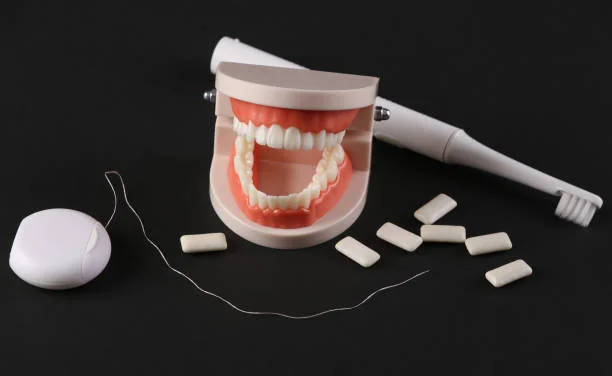
You might have noticed a little bleeding when you brush, some tenderness along your gums, or a smell you cannot quite get rid of, and a small voice in your head says, “It is just my gums, I have bigger things to worry about.” At the same time, you might be dealing with fatigue, blood sugar issues, or even heart concerns, and it all feels disconnected and overwhelming—until you speak with a periodontist Long Island who can help you understand how these symptoms may be related.
Because of this tension, you might wonder if you are missing something important. You hear that your mouth is linked to your body, yet no one really explains how. You do not want to overreact, but you also do not want to ignore a warning sign that could affect your long term health.
Here is the simple truth. Gum disease is not just about your smile. The connection between gum health and your overall wellness is real, and it is stronger than most people are told. The good news is that once you understand what is going on, you can take clear, steady steps that protect both your mouth and the rest of your body.
How can bleeding gums affect the rest of your body?
Gum disease usually starts quietly. Maybe your gums bleed when you floss. Maybe they look a little puffy. It is easy to shrug off, especially if you are busy with work, family, or managing another medical condition.
The problem is that gum disease is a chronic infection. When bacteria build up along and under the gumline, your body responds with inflammation. At first this is your body trying to protect you. If the bacteria are not removed and the gums are not treated, this inflammation can become long lasting. That is when it begins to affect more than just your mouth.
So where does that leave you if you already have health issues. If you are living with diabetes, for example, ongoing gum inflammation can make your blood sugar harder to control. The National Institute of Diabetes and Digestive and Kidney Diseases explains that people with diabetes are at higher risk for gum disease, and that gum infections can make diabetes management more difficult. You can read more about this two way relationship in their guidance on gum disease and diabetes complications.
There is also growing evidence that gum disease is associated with heart disease, stroke, and some pregnancy complications. The Centers for Disease Control and Prevention describe oral health as an important part of overall health, not a separate issue sitting off to the side. Their overview on why oral health matters shows how conditions in the mouth can reflect and influence the rest of the body.
Emotionally, this can feel unfair. You might already be watching your diet, taking medications, keeping medical appointments, and now you are told that bleeding gums could be another piece of the puzzle. It can feel like one more thing to manage, one more bill, one more stressor.
This is where a clear plan helps. Understanding how gum disease works gives you back some control. You are not just reacting to problems. You are making informed choices that support your whole body.
What actually happens in gum disease, and why does it matter so much?
Gum disease usually unfolds in stages. At the earliest stage, called gingivitis, the gums are irritated and inflamed because of plaque buildup. You might notice bleeding when you brush or floss, but there is no permanent bone loss yet. With good cleaning and professional care, gingivitis can often be reversed.
If the inflammation continues, gingivitis can progress to periodontitis. At this point, the infection starts to damage the bone and tissues that hold your teeth in place. Pockets form between teeth and gums, which trap more bacteria. This creates a cycle of deeper infection and more inflammation. Over time, teeth can loosen or be lost.
Because these infected pockets are part of your bloodstream’s neighborhood, the bacteria and inflammatory signals do not stay confined to your mouth. They can travel, and that ongoing inflammatory burden can affect how your body copes with other diseases.
Researchers and public health experts often sum it up this way. A healthy mouth supports a healthy body. The National Institute of Dental and Craniofacial Research shares current science on this connection in their discussion of a healthy mouth and a healthy body. You do not need to memorize the science. What matters is that protecting your gums is not cosmetic. It is part of caring for your whole system.
So if gum disease can be this serious, why do so many people delay care. Money, fear, time, and confusion are common reasons. Maybe you worry that treatment will be painful or expensive. Maybe you had a bad experience years ago. Or maybe no one has ever explained your options in a calm, straightforward way.
A periodontal treatment plan aims to break the cycle of infection and inflammation. Sometimes this can be done with deep cleanings and improved home care. In more advanced cases, a periodontist and implant dentist may recommend procedures to repair or rebuild tissue, or replace missing teeth with implants so you can chew properly again. Each step is about restoring health, not just looks.
Is it enough to handle this on your own, or do you need professional help?
You might be wondering if you can manage gum problems with better brushing, mouthwash, and floss alone, or if you truly need professional care. The answer depends on how advanced the infection is and how it is affecting your life and health right now.
| Approach | What it involves | When it may be enough | When it usually is not enough |
|---|---|---|---|
| Home care only | Brushing twice daily, flossing, mouthwash, healthy diet | Mild gum irritation, no loose teeth, bleeding only occasionally, regular dental checkups already in place | Ongoing bleeding, bad breath, receding gums, pain when chewing, or any loose or shifting teeth |
| General dental care | Routine cleanings, exams, early gum disease treatment | Early gingivitis, early signs of tartar buildup, no bone loss on X rays | Moderate to severe periodontitis, deep pockets, bone loss, or missing teeth that affect chewing |
| Specialized periodontal and implant care | Deep cleanings, gum surgery when needed, bone grafts, dental implants | When referred early for targeted care, especially if you have diabetes, heart disease, or other risk factors | Delayed only when fear or cost lead to postponing necessary treatment, which can result in tooth loss and higher long term costs |
Looking at this, you can see that home care is essential, but it is usually not enough once gum disease has moved beyond the earliest stage. A specialist in gum disease treatment can measure pocket depths, review X rays, and tailor care to your medical history. This is especially important if you already live with conditions like diabetes, heart disease, or an autoimmune disorder.
Many people also underestimate the financial side of waiting. Treating early gum disease often costs less than dealing with tooth loss, complex surgeries, or long term problems with chewing and nutrition. Think of it as tending a small leak in a roof, rather than waiting until the ceiling collapses.
What can you do right now to protect your gums and your overall wellness?
You do not have to change everything overnight. A few focused steps can quietly shift your health in the right direction.
1. Pay close attention to warning signs in your mouth
Notice what your gums are telling you. Do they bleed when you brush or floss. Do you see redness, puffiness, or gums pulling away from your teeth. Is there a taste or smell that does not go away. Any of these can be early signals of gum disease. Write them down and bring them to your next dental visit so nothing gets brushed aside in a rushed appointment.
2. Strengthen your daily routine with small, consistent habits
Use a soft toothbrush and brush gently along the gumline for two minutes twice a day. Floss once a day, even if it feels awkward at first. If you have trouble with traditional floss, try floss picks or a water flosser. Limit sugary snacks and drinks, especially constant sipping or grazing that feeds bacteria all day. These are simple actions, yet they strongly support a healthier mouth and a healthier body.
3. Partner with a dental professional who understands medical conditions
If you have bleeding gums, loose teeth, or diagnosed periodontitis, ask for a referral to a periodontist. If you already have missing teeth that affect chewing or confidence, ask about implant options with a periodontist and implant dentist. Bring a list of your medications and medical conditions so your dental care can be aligned with your overall health. You deserve a plan that respects your full medical picture, not just your teeth.
Where does this leave you moving forward?
You may feel a mix of relief and concern right now. Relief that your symptoms are not “all in your head” and that there is a clear explanation for why your gums matter so much. Concern that you have waited too long or that treatment will be overwhelming.
You have not failed. Many people are never clearly told about the strong connection between gum disease and whole body health. What matters is what you choose to do next. Every step you take to calm infection, reduce inflammation, and restore gum health is a step toward better overall wellness.
Your mouth is part of your body. Caring for it is not a luxury. It is a practical, grounded way to support your heart, your blood sugar, your energy, and your quality of life. You deserve care that sees the whole you and helps you move from worry and confusion toward clarity and steady health.
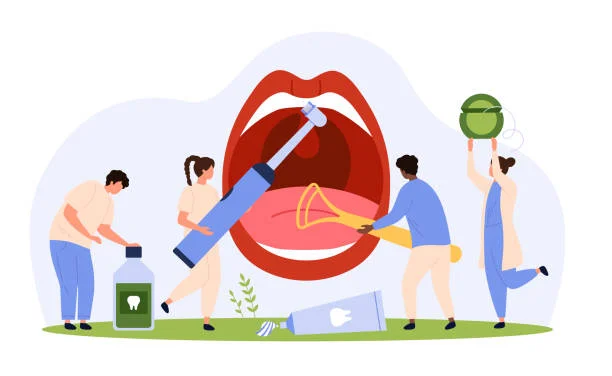
You might be feeling that good dental care has quietly turned into a kind of luxury. Maybe you put off cleanings because money is tight, or you skip appointments because you cannot take time off work. You might also notice that some people seem to get regular checkups and smooth treatment plans at a Fort Atkinson, WI dentist, while others only see a dentist when something hurts so much they cannot sleep.end
That gap is not in your head. Oral health often reflects deeper social and economic divides. The good news is that preventive dentistry is one of the most practical ways to narrow that gap and protect people who usually get left behind. In simple terms, prevention means stopping problems early, before they turn into pain, lost teeth, medical debt, or missed work and school.
So where does that leave you. The short version is this. When preventive care is made routine, affordable, and easy to reach, it can reduce oral health inequalities, give children a healthier start, and save families and communities a lot of money and suffering. The longer version is about understanding why the gap exists and how everyday steps like checkups, sealants, fluoride, and education can slowly change the story.
Why do oral health inequalities run so deep in the first place
To understand the role of preventive dentistry, you first need to see the forces working against you. Oral health is not just about brushing well. It is strongly shaped by where you live, what you earn, and what kind of care is even available. Public health experts call this oral health equity, and they track how income, race, disability, insurance, and neighborhood all affect your teeth and gums. You can see how this plays out in national data on oral health equity and access to care.
Think about a child in a low income family. The parents may be working two jobs, there is no dental insurance, and the nearest dentist who accepts public coverage is an hour away by bus. By the time that child sees a dentist, the first visit may already involve pain, infection, and a recommended extraction. That is a very different reality from a child who gets cleanings every six months, sealants on molars, and early advice on diet and brushing.
Because of this tension, you might wonder why prevention is not already the default everywhere. The hard truth is that treatment often gets more attention than prevention. There is urgency around cavities and broken teeth, so limited resources flow to urgent care. Prevention feels optional, even though it quietly saves more teeth and more money over time.
How does preventive dentistry actually reduce these gaps
Preventive dentistry is not just “going for a cleaning.” It is a set of habits, services, and policies that work together to keep disease from starting or from getting worse. When these tools are offered fairly and consistently, they reduce oral health inequalities because they protect those who are usually hit the hardest.
Some key pieces include.
1. Regular checkups and cleanings. A general dentist who sees you before there is pain can catch early decay, gum irritation, or damage from grinding. Small problems are easier and cheaper to fix. For someone with limited money or time off work, avoiding a dental emergency can mean the difference between staying employed and losing shifts.
2. Fluoride and sealants, especially for children. Fluoride makes enamel stronger. Sealants protect the deep grooves in molars where food and bacteria hide. School based programs that bring these services to children are a powerful way to reduce disease in communities that rarely see a dentist. The Centers for Disease Control and Prevention has shown that community prevention, including fluoridation and sealants, significantly cuts cavities and healthcare costs. You can read more in their overview of oral disease prevention priorities.
3. Education that respects real life. Telling someone to “just floss more” is not enough. Good preventive care includes clear, nonjudgmental conversations about diet, smoking, sugary drinks, and daily routines. When your dentist or hygienist understands your budget, your work schedule, and your family pressures, they can suggest changes you can actually maintain.
4. Policies that widen the door. At a systems level, prevention works best when it is built into regular life. Water fluoridation, insurance coverage for checkups and cleanings, school sealant programs, and mobile dental units all remove barriers. Research has shown that preventive coverage in public dental programs reduces the need for costly emergency care later. One review in the National Library of Medicine highlights how prevention focused policies can improve outcomes for underserved groups. You can explore these findings in more detail in this research article on access and prevention in dentistry.
Put together, these steps are what people often mean by preventive oral health care. When they are unevenly available, you see uneven outcomes. When they are spread more fairly, the gap begins to shrink.
What are the real trade offs of prevention compared with “waiting until it hurts”
You might still be thinking, “I know prevention is better, but money and time are already tight.” That is a very human reaction. To make a fair decision, it helps to see the trade offs side by side.
| Approach | Short term cost | Long term impact on health | Impact on inequalities |
|---|---|---|---|
| Preventive dentistry (checkups, cleanings, fluoride, sealants) | Smaller, predictable costs spread over time | Fewer cavities, less gum disease, fewer extractions, better overall health | Helps narrow gaps when made accessible in schools, community clinics, and public programs |
| Emergency only care (“wait until it hurts”) | No cost until crisis, then sudden large bills | More infections, extractions, complex procedures, higher medical risks | Widens gaps since low income and marginalized groups are more likely to rely on ER or urgent care |
| Do it yourself care only (brushing and home remedies, no dentist) | Very low direct cost | Brushing helps, but hidden decay and gum disease often go untreated until advanced | Does little to change structural inequalities in access to professional care |
When you compare these paths, you can see why preventive dental care for underserved communities is such a strong tool. It turns unpredictable crises into manageable routines. It also creates chances to connect people with other health services, education, and support.
What can you actually do right now to protect yourself and others
Understanding the problem is one thing. Changing what you do next is another. Here are three steps you can take, whether you are caring for yourself, your children, or someone else you worry about.
1. Treat one preventive visit as non negotiable in the next 6 months
If it has been more than a year since you or your child saw a general dentist, choose one visit and protect it on your calendar. Call community clinics, dental schools, or practices that offer sliding scale fees. Many areas have programs that quietly cover checkups and basic cleanings for children and sometimes for adults, but you often have to ask.
Even a single visit can catch early disease, set up a realistic home care routine, and help you map out what is truly urgent and what can safely wait.
2. Focus on one small daily habit that gives the biggest payoff
You do not need a perfect routine to benefit from prevention. Pick one habit that you can stick to on most days. For many people, that is brushing with fluoride toothpaste twice a day. For others, it might be cutting down on sugary drinks between meals, especially for kids. If flossing every day feels impossible, aim for three days a week and build up.
The goal is progress, not perfection. Even modest changes can lower your risk of cavities and gum problems.
3. Use your voice to support prevention in your community
Reducing oral health inequalities is not only an individual task. It is also a community project. You can support preventive dentistry for better oral health by asking your child’s school if they host dental screenings or sealant programs, speaking up for water fluoridation when it comes up in local discussions, sharing information on free or low cost preventive clinics with neighbors or coworkers.
These small actions help build a culture where prevention is normal and expected, not a luxury.
Moving forward with more clarity and a bit more hope
If you have ever felt that the system was stacked against you when it comes to dental care, your feelings are valid. Oral health has long mirrored deeper social divides. The encouraging part is that prevention gives you and your community some real leverage. Early, steady care can soften those divides, protect children before problems start, and save you from the pain and cost of emergencies.
You do not have to fix everything at once. Start with one preventive visit, one daily habit, and one small way to support prevention around you. Step by step, those choices add up, not just for your own mouth, but for the people who look to you for guidance and support.

How Family Dentistry Builds Confidence After Early Dental Challenges

How General Dentists Personalize Care With Restorative Expertise

The Connection Between Gum Disease And Overall Wellness

The Role Of Preventive Dentistry In Reducing Oral Health Inequalities

3 Signs It’s Time To Take Your Pet To An Animal Hospital
-

 General2 months ago
What Is Felixing? The Truth Behind a Junk Keyword
-

 Health9 months ago
Lufanest: Effective Local Anesthesia with Fewer Risks
-

 Entertainment3 months ago
هنتاوي.com: Your Gateway to Arabic Anime Content
-

 General10 months ago
bardoek: The Artistic Heritage Inspiring Modern Creative Trends
-

 General9 months ago
Discover Anonib AZN: An Anonymous Asian Forum
-

 Fashion2 months ago
Fashionisk .com Explained: A Closer Look Before You Click
-

 Technology10 months ago
Aponeyrvsh: A Modern Framework for Innovation and Resource Use
-

 Lifestyle10 months ago
Mariano Iduba: A Visionary Leader in Global Digital Growth