
Fashion
A Deep Dive Into Geometric Shapes

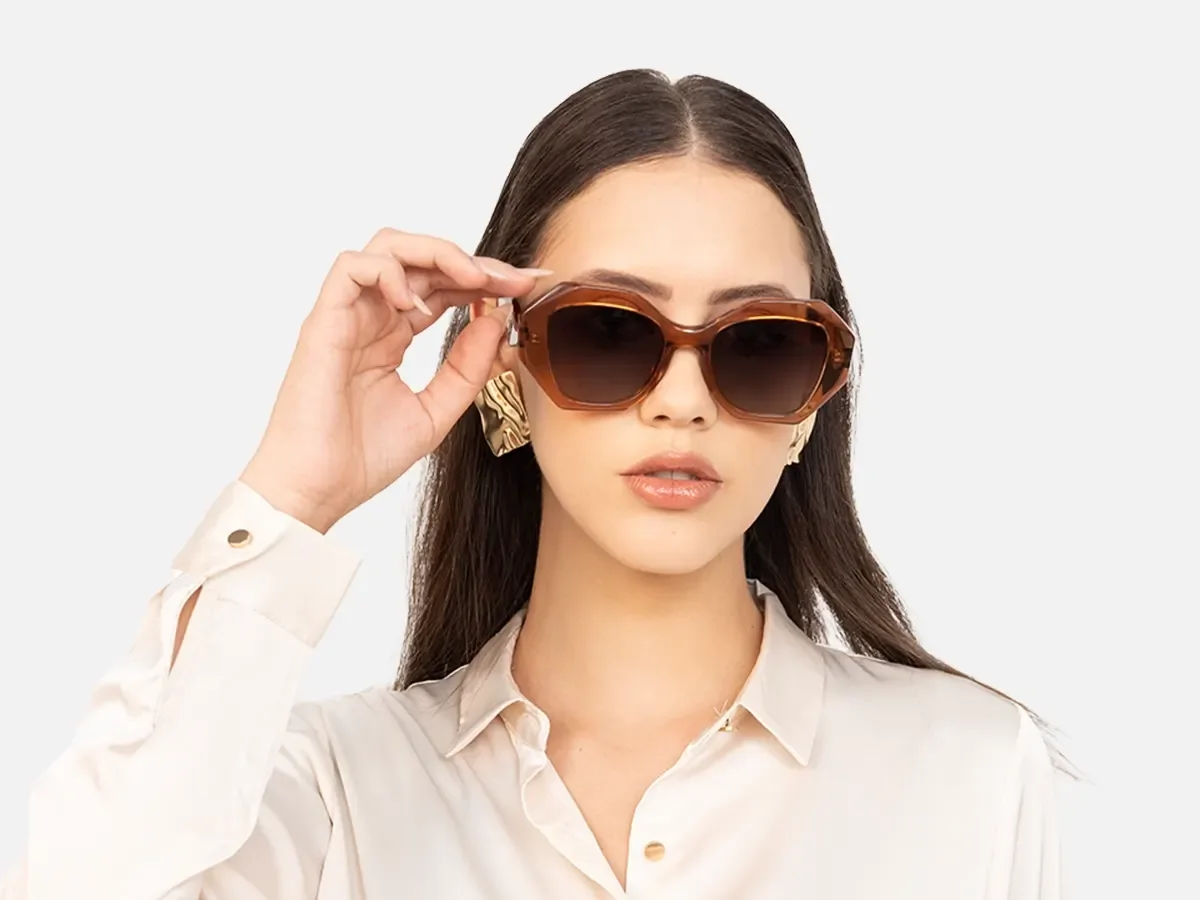
Geometric sunglasses have their moment in modern fashion. This is not by any accident. It is a trend cycle for the comeback of older shapes with contemporary flair. Eyewear has become an important element in styling where design nostalgia meets modern minimalism. The architectural silhouettes are changing across clothing and even beauty, so it makes sense that sunglasses are evolving in the same direction.
There is an exciting part in the geometric sunglasses, which makes them feel intentional. These are more than just “different for the sake of being different”. Geometric sunglasses show a growing interest in structure and visual storytelling. In this article, we’ll explore how geometric sunglasses became a modern trend, break down the core shapes, and discuss how to style them. This will help you find the geometry that fits your aesthetic.
How Geometric Sunglasses Became a Modern Trend?
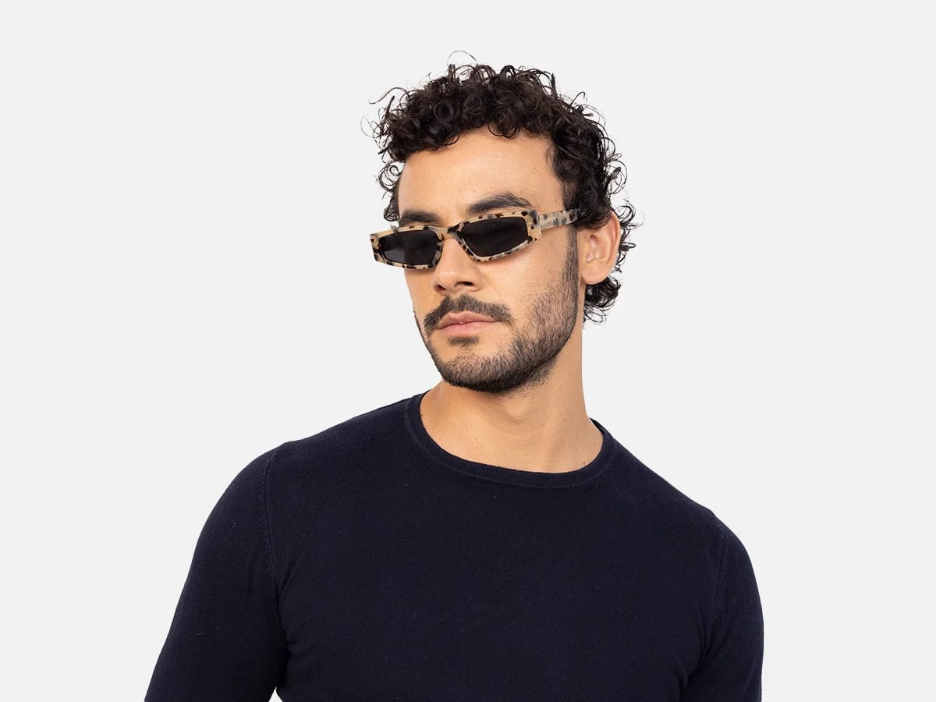
Geometric sunglasses didn’t get this fame overnight. They have evolved from being cultural to aesthetic shifts across fashion and design. There are many examples of celebrities, models and fashion enthusiasts who have adopted these structured frames. From fashion weeks to airport paparazzi sightings, these angles are becoming favourites in many eyewear wardrobes.
Eyewear is taking a turn in architecture-inspired fashion. Geometric sunglasses are like sculptural jewellery, which have been gaining ground for years. As clothing gets cleaner and silhouettes sharper, accessories naturally follow. The trendy geometric sunglasses are intentional, modern and visually satisfying. The contemporary aesthetics made sleek geometry feel current rather than experimental.
As we are becoming more design-aware, the analysis of functional to expressive sunglasses is now exciting. Eyewear shopping is not just about seeing better, but about communicating personal taste, intelligence and personality.
The Core Geometric Shapes Explained
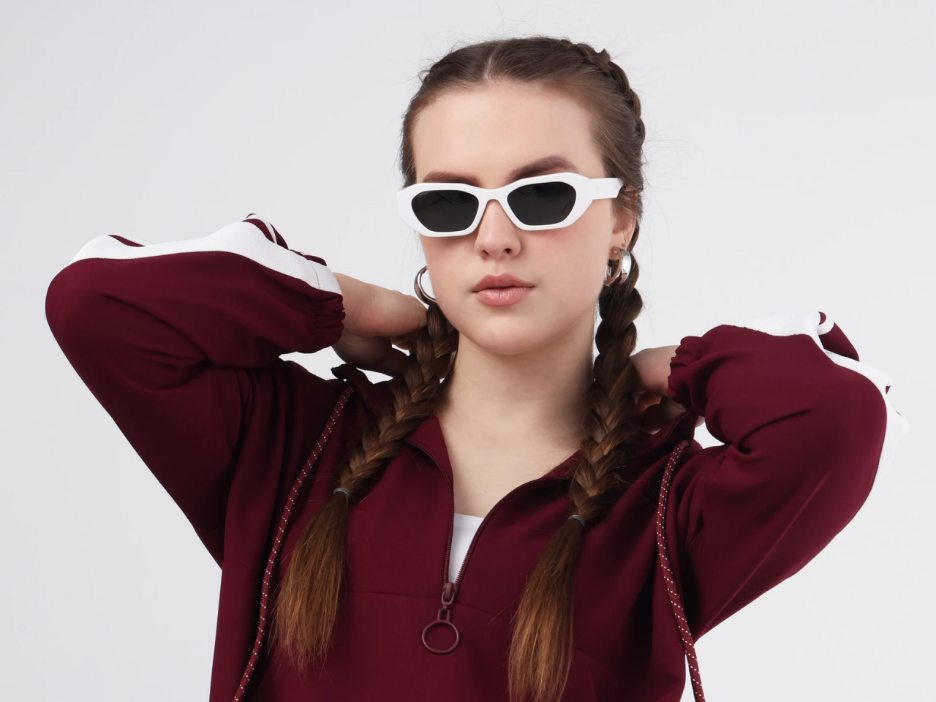
There can be multiple interpretations of geometric sunglasses. It is important to know them so that you can get your hands on the best pair for your style. Here are the key shapes that define the trend today:
Classic Geometric (Hexagon) Frames
The hexagonal shape in sunglasses was like the earliest geometric style. This has its phases, from being too much to wear every day to the easy styling staple. Hexagon frames have become mainstream.
Well, the design shows that it borrows cues from retro eyewear yet feels fresh for modern wardrobes. It is interesting if you are bored with simple round or square frames. Without going too extreme, hexagon sunglasses strike the perfect balance.
Geometric Cat-eye Sunglasses
Cat-eye frames have a separate fan base. They automatically attract the bold and independent fashion norms, which make classic prints on trends. As for angular geometry, cat-eye frames have got a structural update.
This variation adds both femininity and attitude, giving the face a subtle lift while introducing a futuristic edge. Modern twist in this silhouette flatters a range of face shapes and style moods. Whether you are looking for chic minimalism or bold retro style, cat-eye glasses are always the best match.
Oversized Geometric Sunglasses
The visual impact of oversized geometric frames is beautiful and natural, becoming the focal point of an outfit. You can carry this for popular festivals, travel content and street style moments. They do not blend, infact they make their own statements.
With absolutely no hard and fast rules, oversized sunglasses can be styled for different settings. The geometric structure helps to define the big frame more effortlessly.
Minimal & Sharp Geometric Shapes
Till now, you might have built this lookbook about geometric shapes that have to be loud and big to make a statement. Well, there is an opposite end of the spectrum. Thin, metallic wire-frame geometries come with sharp angles and clean lines. This means geometric sunglasses can be minimal too.
These appeal to minimalists, modernists, and techwear fans who prefer structure without bulk. Influences from contemporary art, industrial design, and futuristic styling make these frames feel smart, intentional, and quietly expressive.
Styling Guide for Geometric Sunglasses

One of the reasons geometric sunglasses are a style booster because they adapt to different aesthetics. Styling them can shift the mood of the outfit, and the change can be subtle or dramatic, according to your choice. Here are a few considerations you can keep in mind while selecting geometric sunglasses.
With sleek and minimal outfits: This contrast of minimal clothes and bold sunglasses creates a beautiful balance. The architectural synergy comes with a rhythm to keep the look modern. Style geometric sunglasses with your casual shirt-trouser look, or make it comfortable with the classic jeans and tee style.
With tailored looks: In work settings, geometric sunglasses showcase the aura, mystery and confidence required. The structure of the frame can easily harmonise with blazers, trousers, and smart outerwear.
With casual basics: Imagine wearing the comfiest sweatshirt and shorts, and geometric frames can add an element to your look. They can instantly elevate your everyday outfit with more depth and effortless storytelling. This way, you can make everyday dressing feel more considered.
With retro silhouettes: We all have seen the iconic style of Breakfast at Tiffany’s, the vintage dresses and hairstyle with iconic sunglasses are always on the Pinterest board. Well, in real life, pairing them with satin dresses, check trousers, and turtleneck knits can create a visual dialogue between old and modern times.
Apart from the style guide, getting the right pair of geometric sunglasses also depends on the colour and the material of the frame. Just like in clothes, a neutral colour in sunglasses allows the geometry to stand out without competition. While bold colours have the right to create their playful contrast and transform your outfit into expressive fashion. The shiny palette, like silver and gold, looks like a futuristic edge.
Similarly to colours, materials like metal frames can be your go-to choice for minimal and intellectual looks(don’t forget to try them with your office wardrobe). Acetate frames offer the boldest and chunkiest styles to add volume to the face.
Finding Your Geometry
Geometric sunglasses are shaping modern eyewear culture by balancing creativity, structure, and personal expression. They signal a more thoughtful approach to dressing, where accessories are chosen with purpose rather than by habit. With design-forward aesthetics continuing to rise, this trend isn’t fading anytime soon. Brands like Specscart embrace this direction with frames that explore shape, materials, and modern styling. This makes it easier for people to experiment with geometry in eyewear with curiosity and confidence.
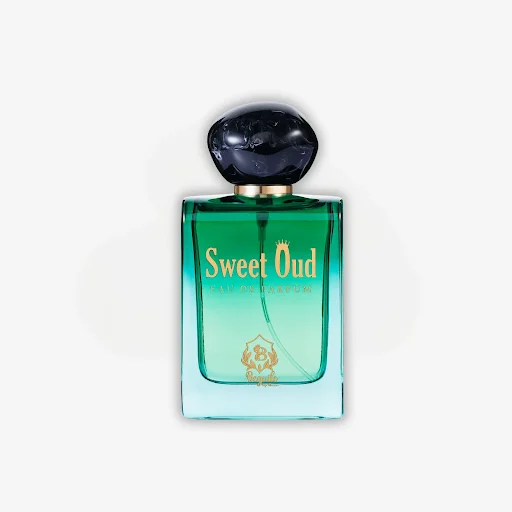
If you’re a fragrance enthusiast, you know that choosing the right scent is more than just a choice—it’s a statement. Among the myriad of options available today, Beguile Sweet Oud has emerged as a true standout, captivating perfume lovers worldwide. From its unique aroma to its long-lasting appeal, this fragrance is designed to leave a lasting impression. Here are the top reasons why Beguile Sweet Oud deserves a permanent place in your fragrance collection.
1. A Unique Blend of Sweetness and Oud
The hallmark of Beguile Sweet Oud lies in its distinctive combination of rich, exotic oud with a subtle sweetness. Oud, often referred to as “liquid gold” in the world of perfumery, has a deep, woody scent that exudes luxury and sophistication. By pairing it with gentle, sweet notes, this fragrance achieves a perfect balance—intense yet approachable, luxurious yet wearable. This unique blend ensures that you have a fragrance that stands out in any setting.
2. Long-Lasting Scent That Leaves a Trail
One of the most frustrating things about perfumes is their fleeting nature. Beguile Sweet Oud, however, is formulated for longevity. A single spritz in the morning can linger throughout your day, creating a memorable aura wherever you go. Its well-balanced composition ensures that the scent evolves subtly over time, offering a layered olfactory experience—from the initial top notes to the rich base notes. For those who value enduring fragrances, this makes it an essential addition to your collection.
3. Versatile for Any Occasion
Whether you’re heading to a formal event, a casual outing, or a romantic dinner, Beguile Sweet Oud is versatile enough to suit any occasion. The sweet undertones make it approachable for daytime wear, while the deeper oud notes provide a sophisticated edge for evening events. Unlike other fragrances that feel too niche or overpowering, this perfume adapts effortlessly to different environments, making it a reliable choice for fragrance enthusiasts seeking both elegance and versatility.
4. Signature Scent Potential
A great fragrance has the power to become your signature scent—something people associate with your presence even before they see you. Beguile Sweet Oud has the complexity and depth needed to create such an impact. Its distinctive blend ensures that you won’t easily be forgotten, and its subtle sweetness prevents it from becoming overwhelming. Owning this fragrance can give you a personal olfactory identity that turns heads and sparks compliments.
5. Luxury Without Compromise
Luxury fragrances often come with a hefty price tag, but Beguile Sweet Oud offers a premium experience that doesn’t feel inaccessible. It embodies elegance, sophistication, and refinement—traits typically reserved for high-end perfumes—while being available for those who want to experience luxury without compromise. This makes it an excellent choice for anyone looking to enhance their fragrance collection with a statement piece that combines quality, performance, and value.
6. Easy Access to Your Favorite Scent
If you’re convinced that Beguile Sweet Oud belongs in your collection, obtaining it is simple. You can Shop Beguile directly through trusted channels, ensuring that you’re getting an authentic fragrance that delivers on its promise. Having this fragrance at your fingertips means you can enjoy its luxurious aroma anytime you desire, making it a practical addition to your daily routine.
7. Ideal for Layering and Personalization
Another reason Beguile Sweet Oud is a must-have is its compatibility with other scents. Fragrance layering has become a popular trend, allowing users to create a unique scent that reflects their personality. The balanced sweetness of this perfume blends well with complementary notes, allowing you to experiment and craft a customized fragrance experience. Whether layered with floral, musky, or citrus scents, Beguile Sweet Oud adapts beautifully, making it a versatile tool in any perfume lover’s toolkit.
8. A Fragrance That Evokes Emotion
Perfumes are more than just scents—they’re emotional experiences. Beguile Sweet Oud has a captivating quality that can evoke feelings of warmth, confidence, and sophistication. Its intricate layers invite you to pause and savor, creating a sensory journey that goes beyond mere aroma. For those who cherish fragrances that tell a story and leave a lasting impression, this perfume is truly indispensable.
Conclusion
In the crowded world of perfumes, few fragrances manage to strike the perfect balance between elegance, versatility, and longevity. Beguile Sweet Oud does exactly that, offering a luxurious yet approachable scent that complements every occasion. From its unique blend of oud and sweetness to its ability to evoke emotion and become a signature scent, this perfume is more than just a fragrance—it’s an experience.
For anyone looking to elevate their fragrance collection, Beguile Sweet Oud is a must-have. Its sophistication, versatility, and long-lasting presence make it a true gem for perfume lovers everywhere. Don’t miss the chance to own a scent that not only smells incredible but also defines your style. Shop Beguile and let this exquisite fragrance transform your collection today.


Introduction to iloveprive.com
Step into a world where fashion meets lifestyle in perfect harmony. iloveprive.com is more than just a website; it’s your personal gateway to premium experiences that elevate both your wardrobe and your daily life. With an ever-evolving selection of exclusive offerings, this platform caters to trendsetters and casual shoppers alike, ensuring everyone finds something special. Whether you’re hunting for the latest styles or seeking unique lifestyle enhancements, iloveprive.com has you covered. Get ready to transform the way you experience fashion and living—your journey begins here!
Why iloveprive.com stands out from other platforms?
iloveprive.com stands out in the crowded fashion and lifestyle market with its curated selection of premium brands. Each item showcases artistry, elegance, and a commitment to quality that’s hard to find elsewhere.
iloveprive.com highlights rare and one-of-a-kind selections. Many products are limited edition or one-of-a-kind pieces that make every purchase feel special. This sense of uniqueness keeps customers returning for more.
Personalization is another key feature. Users can tailor their shopping experiences based on preferences, ensuring they discover items that resonate with their individual styles and needs.
Further enhancing its appeal is an immersive online experience. The website’s design combines aesthetics with functionality, making it easy to navigate while enjoying visually striking layouts.
Additionally, iloveprive.com embodies a community spirit through engaging content, including style tips and trends that enrich customer knowledge beyond mere transactions. It’s about creating connections as much as offering products.
Curated fashion and lifestyle journeys available on iloveprive.com
iloveprive.com curates a stunning array of fashion and lifestyle experiences that cater to diverse tastes. Whether you’re looking for the latest runway trends or timeless classics, this platform offers something special for everyone.
Explore exclusive collections featuring high-end brands alongside emerging designers. Each piece tells a story, bringing fresh perspectives to your wardrobe.
In addition to fashion, iloveprive.com embraces lifestyle enhancements. From curated travel experiences to bespoke home decor items, every detail is thoughtfully crafted. You can elevate your everyday life while expressing your unique style.
The interactive shopping experience is seamless and intuitive. Browse through categories designed with ease in mind and discover products that resonate with your personal flair.
With regular updates on trends and new arrivals, iloveprive.com ensures you stay ahead of the curve in both fashion and lifestyle choices.
How to Access and Utilize the Services of iloveprive.com?
Accessing iloveprive.com is a breeze. Simply visit the website and explore its sleek interface designed for user-friendliness.
Once on the site, you can browse various categories tailored to your fashion and lifestyle needs. From exclusive apparel to unique experiences, it’s all just a click away.
To utilize their services effectively, create an account by signing up with your email address. This allows you to receive personalized recommendations based on your preferences.
Don’t forget to take advantage of special promotions and newsletters that keep you updated about new arrivals and events. Engage with their community through social media platforms for added inspiration and insights.
When you’re ready to make a purchase or book an experience, follow the simple checkout process which ensures secure transactions every time. Experience a whole new level of shopping excitement!
Testimonials from Satisfied Customers
Customers of iloveprive.com frequently share their excitement. They rave about the seamless shopping experience and the curated selection of luxury items.
One customer expressed delight in finding unique pieces that aren’t available elsewhere. She felt that each item told a story, reflecting her personal style perfectly.
Another satisfied shopper noted how easy it was to navigate the site. The user-friendly layout made discovering new trends enjoyable rather than overwhelming.
Many customers appreciate the exceptional customer service they receive. Quick responses and personalized assistance have left them feeling valued and understood.
The community aspect also resonates deeply with users. Many report connecting with like-minded individuals who share their passion for premium fashion and lifestyle experiences.
These testimonials highlight not only satisfaction but a genuine sense of belonging among shoppers at iloveprive.com, enhancing their overall experience greatly.
Upcoming initiatives and growth strategies at iloveprive.com
iloveprive.com is poised for exciting growth. The team is continuously exploring new partnerships with emerging designers and luxury brands. This commitment ensures a diverse range of products that cater to every fashion enthusiast.
The platform aims to expand its lifestyle offerings too. Upcoming collaborations will introduce exclusive wellness experiences, curated travel packages, and special events designed for members seeking more than just shopping.
Moreover, iloveprive.com plans to enhance its digital experience. Implementing advanced technology will streamline customer interactions and make navigating the site even smoother.
With an eye on sustainability, future initiatives will focus on eco-friendly practices in sourcing materials and shipping processes. This commitment not only aligns with global trends but also speaks volumes about their dedication to responsible consumerism.
As iloveprive.com continues to evolve, customers can expect innovative features that elevate both style and convenience in their everyday lives.
Conclusion: Elevate Your Style and Life with iloveprive.com
Elevate your style and life with iloveprive.com. This platform stands as a beacon for those seeking premium fashion and lifestyle experiences. With its unique offerings, it caters to individuals who appreciate quality and sophistication.
Navigating through the curated collections is seamless, making it easy for anyone to find exactly what they need. The exceptional customer service ensures that every interaction is rewarding, adding to the overall experience.
As iloveprive.com continues to grow, so do the opportunities for customers. Whether you’re looking to revamp your wardrobe or enhance your lifestyle choices, this website provides valuable resources at your fingertips.
Join the community of satisfied customers who have transformed their shopping habits into something extraordinary. Explore iloveprive.com today—your gateway awaits!
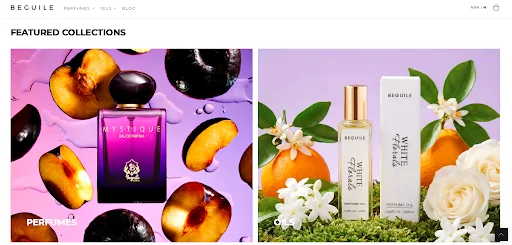
Perfume is more than just a fragrance; it is an expression of personality, a mood enhancer, and often a statement of style. Among the many scents that have captivated perfume lovers, Beguile perfume UK has established itself as a favorite for those seeking sophistication, elegance, and a unique aroma that leaves a lasting impression. If you are in the United Kingdom and looking to add this exquisite scent to your collection, knowing the best places to buy it can make all the difference.
High-End Department Stores
One of the most reliable options for purchasing Beguile perfume UK is high-end department stores. Renowned retailers like Harrods, Selfridges, and John Lewis carry a wide range of designer fragrances, including Beguile perfume. These stores often offer testers, allowing customers to experience the fragrance firsthand before making a purchase. Shopping at these locations also ensures authenticity, which is crucial when investing in a luxury scent.
Department stores frequently provide expert assistance from trained staff who can offer guidance on the perfume’s notes, longevity, and suitability for different occasions. Many stores also run seasonal promotions or loyalty programs, giving shoppers the opportunity to enjoy the perfume at competitive prices while benefiting from excellent customer service.
Specialty Perfume Boutiques
For those seeking a more curated shopping experience, specialty perfume boutiques are an excellent choice. These stores focus exclusively on fragrances and often carry unique, hard-to-find scents. Boutique staff are typically passionate about perfumes and can provide in-depth knowledge about Beguile perfume UK, including its key notes, the inspiration behind the fragrance, and complementary scents.
Boutiques may also offer personalized services, such as scent layering recommendations or limited edition variants. This makes them ideal for perfume enthusiasts who appreciate a tailored shopping experience and want to explore the world of fragrances beyond the mainstream offerings.
Online Retailers
In today’s digital age, buying Beguile perfume UK online is both convenient and efficient. Many reputable online retailers stock this perfume and provide detailed descriptions, customer reviews, and ingredient information. Shopping online allows consumers to compare prices, find exclusive deals, and even access limited edition releases that may not be available in physical stores.
However, caution is necessary when purchasing perfumes online. Authenticity is paramount, so it is advisable to choose well-known and trusted online platforms. Many online retailers also offer flexible return policies, ensuring that you can make your purchase with confidence. Additionally, some websites provide samples or smaller sizes, which are perfect for trying the perfume before committing to a full bottle.
Duty-Free Shops
If you are traveling internationally, duty-free shops at airports present another excellent opportunity to purchase Beguile perfume UK. These shops often carry a selection of premium perfumes at tax-free prices, which can be more economical than buying from traditional retailers. The advantage of duty-free shopping is that you can pick up your desired fragrance while traveling, saving both time and money.
Duty-free stores frequently have exclusive travel sets or gift packs, making them ideal for purchasing Beguile perfume UK as a present. It’s important to check the available stock ahead of time, especially if you are looking for a specific variant, as selections may vary by airport.
Local Perfume Stores
Smaller, independent perfume stores across the UK are often overlooked but can be hidden gems for finding Beguile perfume UK. These stores tend to focus on personalized service and unique scent collections, often carrying niche fragrances that are not available in larger retail chains. Visiting a local store allows you to interact directly with knowledgeable staff who can guide you in selecting the perfect scent for your style or occasion.
Local stores may also host fragrance events or workshops, providing opportunities to learn more about perfumes, their composition, and how to wear them effectively. Supporting these businesses not only gives you access to quality products but also strengthens the local economy and perfume community.
Final Thoughts
Finding the perfect fragrance is a journey, and selecting the right place to buy Beguile perfume UK is an essential part of that experience. Whether you prefer the grandeur and reliability of high-end department stores, the expertise of boutique shops, the convenience of online retailers, the cost savings of duty-free stores, or the charm of local perfume shops, each option offers unique advantages.
Ultimately, the best place to buy Beguile perfume UK depends on your priorities—authenticity, convenience, personalized service, or price. By exploring these options, you can ensure that your purchase is both satisfying and memorable, adding a captivating scent to your collection that truly embodies elegance and style.

Jeremy Rytky: Deep Dive Into the Life, Career, and Facts You Should Know

What Is Pappedeckel? The Cardboard Art Craft Guide You Actually Need

Eila Rose Duncan: Exploring Her Heritage, Private Life, and Hollywood Legacy

Zoe Bearse: Understanding the Upbringing and Values of a Private Legacy

Understanding Employee Assistance Programs and How They Support Mental Health
-

 General7 months ago
Felixing: A Philosophy of Turning Simple Ideas into Wonders
-

 Health6 months ago
Lufanest: Effective Local Anesthesia with Fewer Risks
-

 Entertainment2 days ago
هنتاوي.com: Your Gateway to Arabic Anime Content
-

 General7 months ago
bardoek: The Artistic Heritage Inspiring Modern Creative Trends
-

 General6 months ago
Discover Anonib AZN: An Anonymous Asian Forum
-

 Fashion8 months ago
fashionisk .com – Your Ultimate Guide to Trendy, Smart Fashion
-

 General6 months ago
Euroyungs com Explained: Multi-Niche Hub or Risky Site?
-

 Lifestyle8 months ago
Mariano Iduba: A Visionary Leader in Global Digital Growth