
Automotive
Understanding Pneumatics, and its Impact Industrial Automation Systems

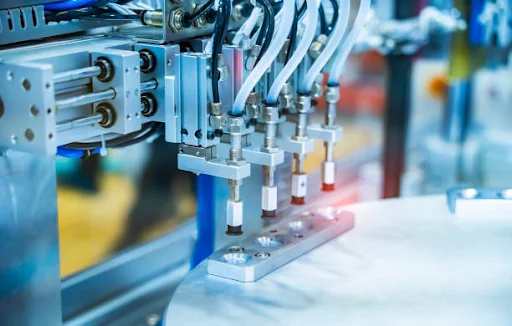
In an age where industrial automation is rapidly progressing, it is equally important to know some basic foundational technologies that drive an increase in the productivity of the automation systems. One of those technologies that still powers the up to date manufacturing systems is pneumatics. What is pneumotics and what is it that it does industrial automation systems? In this article, I will address the industrial pneumatics basics, its areas of application will be examined, as well as the role of the automation distributor as the main provider of industrial automation systems in the supply chain of business systems.
What Is Pneumatics?
It deals with the production of mechanical motion with the help of a certain compressed air or gas, this is called pneumatics. Pneumatic systems have different working principles compared to hydraulic systems that utilize liquids, as compressed air that is accessible and easy to regulate powers its systems. Pneumatic systems have device compressors, air cylinders, valves, actuators, and control units as their major parts and these devices assist in carrying out different industrial functions.
The core concept of pneumatics revolves around the use of compressed air to perform work. Directing compressed air through valves to actuators such as motors or cylinders generates work and motion. In the manufacturing sectors, pneumatic cylinders are crucial as they transform energy to perform linear motion to push, pull, lift, or rotate parts. Furthermore, the effectiveness and simplicity of this principle enabled the widespread adoption of pneumatics in automation systems.
Ease of use, reliability, and safety have made pneumatics widespread. It can be applied even in small automation tasks as well as in large and complicated pieces of machinery. In addition, industries are now capable of automating performed tasks through the use of linear and rotary motion offered by compressed air reducing human input.
Discover hidden insights that perfectly connect with what you just read!
Importance of Pneumatics in Industrial Automation Systems
Precision, speed, and consistency are imperative in contemporary industrial automation systems. These automations heavily depend on pneumatics as they are cheap and effective means of controlling motion and power. For example, pneumatic cylinders are extensively employed to move and control parts in the manufacturing systems as they provide an effective means to push, pull, lift, or rotate parts during automated operations.
Pneumatics is commonly used in manufacturing as part of the assembly lines, in packaging machines, material handling equipment, and in robotic automation systems. The pneumatic parts enable fast, repeatable movements that aid in maintaining the smooth flow of the production lines. Feeling the need for more reliability, especially in dusty, wet, or explosive environments, adds to the value of pneumatics as the electrical systems could fail in those areas.
Pneumatic systems being light and simple facilitates unmated with other automation parts like sensors and programmable logic controllers (PLCs). Manufacturers can design adjustable and scalable automation systems that respond to production changes with minimal downtime or need for redesign thanks to this compatibility. Flexibility is vital in industries where the product lines need to change quickly or where rapid customization is needed.
The Importance of Automation Products Distributors to Pneumatic Solutions
Distributors of automation products serve as the middleman between the manufacturers of the pneumatic components and the clients that use the industrial automation systems. In addition to offering a variety of pneumatic components, these distributors are known for providing reliable warranty service and expert advice.
Working through trusted automation product distributors ensures that companies receive essential components like pneumatic cylinders, valves, and sensors as everything automation requires access to robust automation system frameworks. As an added advantage, distributors also provide tailored CNC machining and other secondary services. This helps businesses grade efficiency when focusing on core manufacturing as there will be no compatibility or component sourcing issues.
Distributors help businesses and act as reliable advisors who select the most appropriate tailored pneumatic valves and other components for the client’s operations. This ensures profitability and reliability while providing value to the client. Distributors assist businesses using their hands-on experience with diverse industrial applications to recommend the most cost-effective and reliable solutions to ensure clients value.
Advantages of Pneumatics Over Other Automation Technologies
Advantages of the automation cornerstone Pneumatics include:
- Safety: Pneumatic systems have air as their working component, eliminating the risks brought by electricity or hydraulic power. Pneumatics are best for hazardous environments where potential sparks or leaks are dangerous.
- Cleanliness: Pneumatics are also preferred in the food processing and pharmaceutical industries where contamination must be minimized because air is clean.
- Simplicity and Durability: Pneumatic parts are easier to look after and are more durable than mechanical and electrical systems. Their lower number of moving components means lower maintenance costs.
- Cost-Effectiveness: Compared to hydraulic or electric systems, investment and operational costs are typically lower. Pneumatic systems are also more energy-efficient for operations with short cycles.
- Speed and Responsiveness: Pneumatic actuators are designed to execute movements quickly and consistently, making them ideal for high-speed automation lines. Quick cycling improves throughput and minimizes bottlenecks.
The advantages of these systems and their high efficiency and reliability are the reasons for their use in automation in various industrial sectors. Also, with basic electrical systems, pneumatics can be incorporated into more advanced systems with better precision and flexibility called electro-pneumatics.
Future Trends: How Pneumatics Continues to Shape Automation
The automation landscape is being redefined by the convergence of pneumatics and digital technologies, giving rise to smart automation systems. Intelligent pneumatic systems with sensors and real-time data transmission capabilities are made possible through technologies like Industry 4.0 and the Industrial Internet of Things (IIoT).
Sophisticated pneumatic systems are capable of monitoring pressure, temperature, and the operational conditions of the machinery. Controlled values and the machine’s status can be transmitted to the control units for detailed analysis. With such systems in place, it is possible to perform predictive maintenance, identifying failures that could impact system performance long before they occur. Such systems would ultimately be more cost-effective and operationally efficient because they improve maintenance scheduling and operational control. Automation products distributors would be able to enhance their portfolios and aid businesses with more efficient monitoring features, predictive maintenance, and adaptive control, truly minimizing the system’s downtime.
Furthermore, the continued advances in the materials and manufacturing processes have bolstered the performance of pneumatic cylinders, streamlining their size, energy consumption, and their durability. Such advancements would help aid the growing demand for lightweight automations that are energy efficient and eco-friendly.
To summarize, “What impact does the pneumatic system have and how does it change the face of industrial automation systems” is the most vital focus of consideration for any B2B enterprise hoping to enhance the manufacturing process. The network of automation products distributors provides knowledge that ensures appropriate solutions are delivered in a timely manner, supports the technology of pneumatic systems, making it simple, safe, and efficient to drive automation. Embracing pneumatics supports the automation systems providing flexibility at the industrial level and preparing these systems for the future industrial demands.
Explore more inspiring stories that push creativity and curiosity further.



In the history of civil engineering, crossing a major river, a multi-lane motorway, an active railway line, or a sensitive ecological area represented a massive hurdle for the expansion of utility networks. Traditional open-cut methods required disruptive excavations, deep vertical shafts, or expensive structural attachments to existing bridges. Today, Horizontal Directional Drilling (HDD) or Geographical Barriers with HDD has revolutionized underground infrastructure installation. Often referred to as trenchless technology, HDD provides a seamless, high-precision way to install utility pipes, ducts, and cables deep beneath the surface without causing turmoil on the ground above.
The Mechanics of a Three-Stage Operation
The execution of a successful horizontal directional drill is a highly technical, multi-stage engineering process that controls subterranean movement from the surface:
- The Pilot Bore: The process begins with a small-diameter drill bit launched from the surface at a shallow angle. As the drill string progresses underground, it follows a pre-calculated path. Technicians use sophisticated electronic tracking systems—such as walk-over locators or wire-line guidance systems—to monitor the drill head’s precise depth, alignment, and pitch in real-time. This tracking allows the operator to steer the bit smoothly along straight or curved paths to circumvent underground obstacles.
- Pre-Reaming: Once the pilot drill bit successfully exits at the designated target point, it is removed and replaced with a specialized expanding tool called a reamer. The drill string is then pulled back toward the rig, drawing the reamer through the pilot hole to enlarge the tunnel. This step may be repeated multiple times using progressively larger reamers until the subterranean pathway reaches the diameter required for the product pipe.
- Pipe Pull-Back: In the final stage, the actual utility pipe or duct—often manufactured from high-density polyethylene (HDPE) or steel—is attached behind the reamer. The drilling rig pulls the entire pipeline sequence smoothly through the pre-reamed tunnel from the exit point back to the original entry site, completing the installation with zero surface disturbance.
Engineering Versatility and Scale
Modern directional drilling equipment offers immense scalability to meet the diverse needs of the civil engineering, water, gas, and telecommunications sectors. Advanced drilling rigs vary in size and pull-back capability, enabling the installation of pipelines with diameters up to 900mm. Furthermore, advanced rigs can achieve single continuous drill lengths up to and including 1,000 metres.
This significant distance capability makes HDD the primary methodology for complex river crossings, estuary installations, and onshore “shore ends” where telecommunication or power cables must be brought inland from the seabed without disrupting delicate coastal environments, marine habitats, or public beaches Geographical Barriers with HDD.
Navigating Around Subterranean Obstacles
The true genius of directional drilling lies in its ability to navigate around existing infrastructure. In crowded urban areas, the ground beneath the streets is a dense labyrinth of older gas mains, water networks, high-voltage electricity lines, and fiber-optic bundles. Traditional trenching runs a high risk of accidental strikes, which cause expensive project delays and hazardous utility outages.
HDD entirely avoids this danger through rigorous pre-planning and electronic steering. Because the drill string can arc and curve underground, engineers can chart a path that weaves safely through crowded utility corridors, beneath foundations, and past deep obstructions, making it the cleanest and most reliable choice for modern utility infrastructure development.

Road rage is an unfortunate reality of modern driving, with 74% of Australian drivers experiencing it. But you can significantly reduce its impact by installing dash cameras. Beyond recordings, they offer protection, accountability, and peace of mind.
They capture clear evidence, deter aggressive behavior, and support insurance claims and legal cases. Let’s know exactly how it helps you here!
Provides Clear Video Evidence
The most significant way dash cameras protect you during road rage is by recording real-time footage. The camera can capture aggressive driving behavior, verbal confrontations in audio-enabled systems, dangerous maneuvers (sudden brakes or swerving), and license plates and vehicle details.
The entire footage becomes crucial evidence for the law enforcement and insurance bodies. You won’t have to fight to prove a point verbally because the opposition will always try to deflect. Instead, authorities can review your submitted video and understand who was actually at fault.
Deters Aggressive Behavior
Choosing from the highest quality dash camera Australia has to offer, visible on your dashboard or windshield, troublemakers will be less likely to start a road rage incident. They are aware that they are being recorded.
Aggressive drivers will avoid increased escalation when they see themselves and their vehicle get documented. The installed camera instills a sense of accountability in them as they fear they’ll be held responsible by law enforcement if things take a nasty turn. This minimizes the chances of rash confrontations. Furthermore, you might also become agitated and heated. Owing to the recording, you’re more likely to keep yourself calm and avoid giving in to impulsive choices.
Protects from False Accusation
Road rage incidents lead to unfortunate accidents. Sometimes, the other party may accuse you of provoking them or causing the incident. You may need weeks or months to clear the false claims. Often, you are unable to do so as you don’t have evidence.
But with a dash camera, you can record exactly what happened. If you’re innocent, you have unbiased proof of the reality. Thus, you can clear accusations effectively and even get compensated for defamation or other relevant claims.
This is especially essential when the other driver files a complaint, insurance claims are disputed, or legal action is taken. Solid video evidence ensures your claims are taken seriously.
Supports Insurance Claims
If the road rage causes any impact on the vehicle or you, you will need insurance money for it. However, in general, the insurance companies can’t determine who is the liable party. The complication leads to a delayed payout or even rejection of the claim.
Again, getting a dash camera can support you. It lets you establish who is truly at fault, speeding up the processing of claims. This prevents fraudulent claims from either party and eliminates grounds for complicated disputes.
The visual proof from the dash camera proves the truthfulness of your claims, ensuring a fair and quicker outcome.
Encourages Safe Driving Behavior
When you drive alone without anyone to monitor you, you’re more likely to give in to road rage situations, especially if you’re impulsive. But when you know you’re being recorded, you become more mindful of your behavior. You drive mindfully because in case of any incident, you would not want to be proven responsible.
This helps you avoid reacting aggressively, maintain safe distances, follow traffic rules more strictly, and stay calm under pressure. When you regulate your emotions, you’re more likely to de-escalate conflicts and ensure your own safety.
Captures Incidents from Several Angles
If you invest in a dual-channel dash camera, it can record both the vehicle’s front and rear sides, which can be especially useful for road rage scenarios. This is because the vehicle behind you might try to bump into your car from a blind spot.
They may also assume that the rear isn’t covered by a dash camera and act more boldly, causing dangerous attempts, including tailgating behavior, aggressive overtaking, rear-end collisions, and harassment from following vehicles.
Having multiple camera angles for your vehicle helps you share the complete picture to authorities as required. If it leads to litigation, you will also get solid evidence for claims.
Records Verbal and Physical Threats
Sometimes, road rage isn’t just about driving recklessly. It can escalate to verbal abuse or physical intimidation. Your dash cam, if it has audio recording features, can record those as well. This is useful whether the other driver approaches your vehicle, makes verbal threats, or harasses you continuously after the incident.
Together, audio and video recordings serve as comprehensive evidence. This is valuable in legal or police reports.
Closing Thoughts
Dash cams play a vital role in handling road rage situations effectively. They empower drivers to stay calm, make informed decisions, and protect themselves against false accusations. So, get one now and prevent most tragedies.
Introduction to the BMVX4 and its Purpose
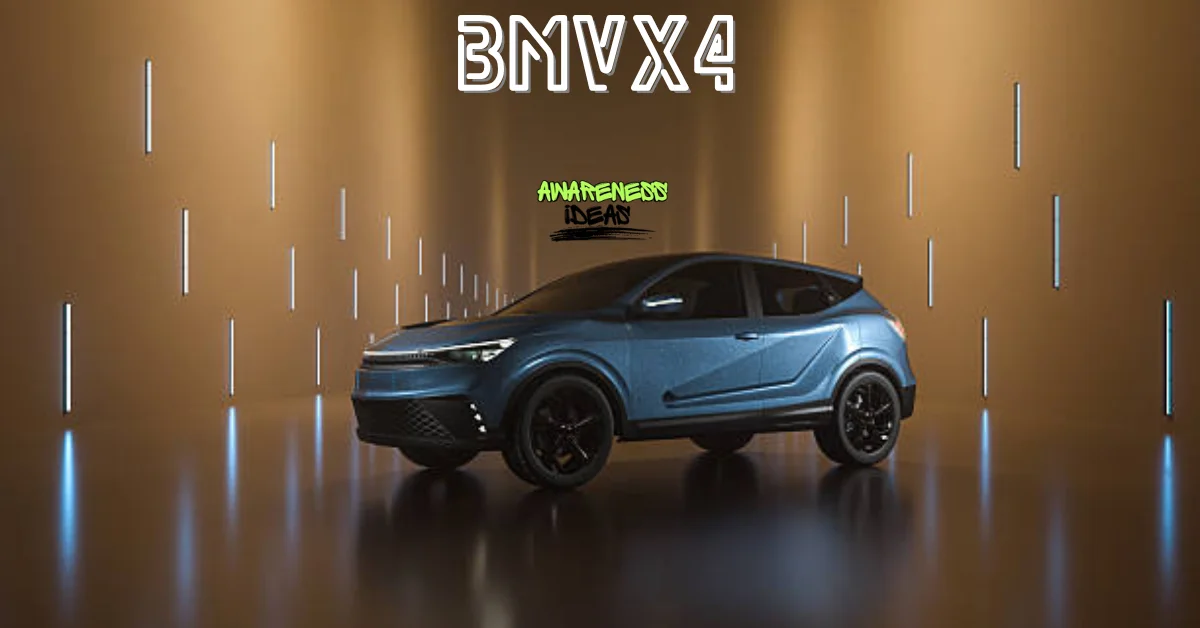
The compact luxury crossover segment has a new star on the horizon: the BMVX4. This vehicle is more than just another addition to an already competitive market; it’s a bold statement of style and innovation. Designed for those who crave sophistication without sacrificing functionality, the BMVX4 captures attention with its striking aesthetics and impressive features. Whether you’re navigating city streets or embarking on a weekend getaway, this crossover promises to elevate your driving experience in ways you’ve never imagined. Let’s dive into what makes the BMVX4 not just another car, but a transformative force in luxury motoring.
Aesthetically Pleasing Design Elements
The BMVX4 captivates at first glance. Its sleek lines and bold contours create a striking presence on the road. The signature kidney grille, reimagined for this model, adds an air of sophistication.
Each distinct perspective serves as a testament to meticulous technical craftsmanship. LED headlights illuminate not just the path ahead but also enhance its modern aesthetic. The aerodynamic silhouette reduces drag while exuding elegance.
Choose from vibrant exterior colors that reflect personal style or opt for classic shades that emphasize luxury. Each detail is meticulously crafted, ensuring harmony in design.
Step closer, and you’ll notice subtle accents like chrome trims that elevate its appeal without being ostentatious. Even the wheel designs combine form with functionality, providing both beauty and performance.
Inside, harmonious color palettes complement advanced materials to create a welcoming atmosphere. This balance of visual allure and practicality sets the BMVX4 apart in the competitive landscape of compact luxury crossovers.
Innovative Technological Features
The BMVX4 stands out with its array of innovative technological features. It integrates cutting-edge infotainment systems that keep drivers connected and entertained on the go. With a vibrant touchscreen display, navigating through apps is seamless and intuitive.
Safety remains paramount in the BMVX4’s design. Advanced driver-assistance systems enhance situational awareness, making every ride feel secure. Features like adaptive cruise control and lane-keeping assist work harmoniously to minimize stress during long journeys.
Voice recognition technology simplifies commands, allowing for hands-free control over navigation or music selection. The system quickly responds to natural language prompts, keeping distractions at bay.
Additionally, connectivity options cater to various devices ensuring everyone stays plugged in. From USB ports to wireless charging pads, convenience is prioritized throughout the cabin. Each feature reflects a commitment to blending luxury with practicality—a true hallmark of modern automotive excellence found in the BMVX4.
Luxurious Interior and Comfortable Driving Experience
Step inside the BMVX4, and you’re greeted by a world of luxury. The cabin is meticulously crafted with high-quality materials that exude sophistication.
Soft-touch surfaces and leather upholstery envelop you in comfort. Every detail has been thoughtfully designed to enhance your driving pleasure.
Spacious seating offers plenty of legroom for both driver and passengers. Whether you’re navigating through city streets or cruising on the highway, every ride feels smooth.
The intuitive layout of controls ensures everything is within reach. It allows you to focus on what matters most – enjoying the drive.
Ambient lighting sets the perfect mood, elevating even short trips into special experiences. With advanced noise insulation, outside distractions fade away, creating a serene environment inside.
In this compact luxury crossover, comfort isn’t just an afterthought; it’s woven into its very essence.
Superior Performance and Handling
The BMVX4 excels in performance, offering a thrilling drive that captivates enthusiasts. Its powerful engine options deliver impressive acceleration and responsiveness, making every journey exhilarating.
Advanced suspension systems enhance stability and control. Whether navigating city streets or winding mountain roads, the BMVX4 remains composed under various conditions.
All-wheel drive capabilities ensure optimal traction, boosting confidence in inclement weather. Drivers can expect a seamless experience when transitioning from highway cruising to sharp cornering.
Moreover, precise steering adds to the sporty feel of the vehicle. Each turn feels connected, allowing for an engaging driving experience that few competitors can match.
With its combination of power and agility, it redefines what drivers should expect from a compact luxury crossover. The BMVX4 doesn’t just transport you; it transforms each trip into an adventure on wheels.
Comparison to Competitors in the Compact Luxury Crossover Market
When it comes to the compact luxury crossover market, competition is fierce. Brands like Audi and Mercedes-Benz have long been established players with their own loyal followings. The BMVX4 steps into this arena not merely as another option but as a game changer.
Unlike its competitors, the BMVX4 combines bold aesthetics with innovative features tailored for modern drivers. While others may offer sleek lines or tech-savvy gadgets, the BMVX4 excels in harmonizing both elements seamlessly.
Performance is another area where it shines bright. Many rivals focus heavily on comfort at the expense of handling dynamics. However, the BMVX4 manages to deliver an engaging driving experience without compromising on luxury.
Moreover, interior space and functionality place it ahead of many alternatives in its class. It’s designed not just for looks but also for practical usability—an aspect that often gets overlooked by other brands in this segment.
Conclusion: Why the BMVX4 is Setting a New Standard for Luxury Crossovers?
The BMVX4 is more than just a vehicle; it’s an experience that redefines what compact luxury crossovers can offer. Its iconic styling captivates from the moment you lay eyes on it, setting itself apart in a crowded market. The design elements are not only aesthetically pleasing but also functional, marrying form with practicality.
Inside, the BMVX4 boasts a luxurious interior designed for comfort and sophistication. Every detail has been considered to enhance the driving experience, making every journey enjoyable whether you’re commuting or taking a road trip. Coupled with its innovative technological features, this crossover ensures you remain connected and entertained throughout your travels.
When it comes to performance and handling, the BMVX4 delivers superior capabilities that allow for both spirited driving and smooth navigation through city streets. It strikes an impressive balance between power and efficiency while ensuring driver confidence at all times.
As we survey competitors within the compact luxury crossover category, it’s clear that many struggle to match what the BMVX4 brings to the table. With its unique blend of style, technology, comfort, and performance attributes, it’s evident why so many consider this vehicle as setting new standards in automotive excellence.
The BMVX4 stands tall as an embodiment of modern luxury—one that resonates deeply with those who seek both aesthetic beauty and exceptional functionality in their vehicles.

The Importance Of Transitional Care From Baby Teeth To Permanent Smiles

Otelia Cox: Inside the Private Life and Enduring Love Story of a Hollywood Cornerstone

Oronsuuts Demystified: How Mongolia’s Modern Housing System Simplifies Urban Living

QLCredit: Redefining Digital Finance Through DeFi and AI Innovation

And Diligence: From Moral Roots to Business Relevance in the Modern Workplace
-

 General2 months ago
What Is Felixing? The Truth Behind a Junk Keyword
-

 Health9 months ago
Lufanest: Effective Local Anesthesia with Fewer Risks
-

 Entertainment2 months ago
هنتاوي.com: Your Gateway to Arabic Anime Content
-

 General10 months ago
bardoek: The Artistic Heritage Inspiring Modern Creative Trends
-

 General9 months ago
Discover Anonib AZN: An Anonymous Asian Forum
-

 Fashion2 months ago
Fashionisk .com Explained: A Closer Look Before You Click
-

 Technology10 months ago
Aponeyrvsh: A Modern Framework for Innovation and Resource Use
-

 Lifestyle10 months ago
Mariano Iduba: A Visionary Leader in Global Digital Growth