
Business
Tips for Displaying Jewelry to Maximize Appeal and Sales


Struggling to make your jewelry display stand out? The right setup can boost sales and grab attention. This guide will show you simple tricks for Displaying Jewelry, from lighting to themed displays, that work wonders.
Keep reading for tips that truly shine!
Key Takeaways
- Create themed and seasonal displays to match events like Valentine’s Day or Christmas. Use props like flowers, leaves, or velvet for added charm.
- Showcase bestsellers at eye level with spotlights to highlight their sparkle and draw attention.
- Avoid overcrowding displays. Use negative space and risers to make pieces stand out while maintaining a clean look.
- Add height with stands, busts, or tiered setups to create depth in your display layout. Soft textures like velvet elevate luxury appeal.
- Provide mirrors and balanced LED lighting to enhance jewelry shine and help customers visualize wearing the pieces confidently.
Create a Strong Theme and Story
A good theme gives your display a clear focus and draws customers in. Use elements that connect with emotions or seasonal trends to make your jewelry feel special.
Use seasonal or collection-based themes
Switch displays to match seasons or events Displaying Jewelry. Showcase engagement rings for Valentine’s Day or watches for Father’s Day. Highlight gift-worthy pieces like diamond tennis bracelets during Christmas.
Use props like autumn leaves in fall, flowers in spring, or snowflakes in winter to create a themed jewelry display.
Group collections by themes such as “Anniversary Gifts Under $1,000” or “Sapphire September.” Update window displays monthly with fresh ideas and colors to keep customers intrigued.
Place signs like “New Arrival” near featured pieces to grab attention and boost retail sales.
Incorporate props and lifestyle elements to add context
Flowers, moss, or succulents can transform a plain jewelry display into a story. Use greenery to create nature-inspired setups like jewelry gardens. Earrings look stunning on branch-shaped holders, giving an organic vibe.
Match the props to the event the jewelry fits. Bridal bouquets work well with wedding pieces. Elegant fabrics like velvet or satin elevate luxury displays and add softness. Keep props neutral so the focus stays on the sparkle of your items! Incorporating creative techniques can dramatically transform the visual impact of your jewelry display.
Highlight Bestsellers and Statement Pieces
Showcase your top sellers where they grab the most attention. A little sparkle in the right spot can stop shoppers in their tracks.
Place them at eye level or in prominent spots
Put popular items like bestsellers or high-margin pieces at eye level. Shoppers often notice what’s directly in their line of sight first. Use central tables or displays near store entrances for maximum attention.
Highlight sets, such as necklaces with matching earrings, to help customers imagine full looks. Signs like “New Collection” can grab interest quickly. Proper placement encourages more browsing, leading into the next focus: using space wisely!
Use spotlights to enhance sparkle and draw attention
Spotlights make jewelry shine brighter, catching every flicker of light. LED lighting works best for highlighting diamonds and gemstones, enhancing their brilliance Displaying Jewelry. Adjustable lights give flexibility to focus on different statement pieces or promotions.
Pairing warm-colored lights with gold or cooler tones with silver adds cohesion to the display.
Well-placed spotlights turn ordinary setups into stunning focal points. Use them to draw attention to bestsellers or large signature items at eye level. Avoid harsh fluorescent lighting that dulls sparkle and appeal.
Try motion displays like rotating carousels under spotlights for 360-degree customer engagement that boosts sales excitement!
Utilize Negative Space Effectively
Cluttered displays overwhelm shoppers and hide the beauty of your pieces. Open spaces give each item breathing room, making them pop like stars in the night sky.
Avoid overcrowding displays
Crowded jewelry displays can overwhelm customers. Too many pieces stuffed together make it hard to focus and reduce the perceived value of your items. Group similar styles, like gold bracelets or silver earrings, but leave space between each piece.
This spacing gives a clean, high-end look.
Empty space helps individual items shine. Placing a sparkling necklace on velvet with room around it draws attention instantly Displaying Jewelry. Overloaded setups hide statement pieces and confuse buyers; fewer items lead to better sales conversions.
Keep balance in mind while arranging so everything feels intentional, not messy.
Use empty space to make pieces stand out
Negative space highlights jewelry. It gives pieces room to breathe and draws the eye. White space creates a sense of luxury and keeps displays clean. Avoid overcrowding cases; clutter confuses buyers and hides key items.
Use risers, busts, or stands to elevate important pieces. This boosts focus while keeping layouts polished. Stick with minimalistic props and soft tones for balance. Empty areas around statement pieces make them shine brighter than spotlights alone.
Next, explore how height and texture add dimension to your display setup!
Add Dimension with Height and Texture
Play with levels to keep eyes moving. Mix surfaces like smooth velvet and shiny metals for extra charm.
Use risers, stands, and busts to vary display levels
Risers make displays pop. They add depth and let you show multiple pieces without cramming them together. Use tiered risers for earrings or even picture frames to create height differences.
This trick leads the customer’s eye naturally, making each piece feel special.
Busts work great for necklaces. Showcase bold, dramatic jewelry at different levels to grab attention quickly. Stands like T-bars or bracelet trees keep things tidy while elevating bracelets and rings.
Group items by type or length on these stands for a neat, professional look that feels intentional yet inviting.
Incorporate soft textures like velvet or satin
Soft textures like velvet or satin create a high-end look for jewelry displays. Rich colors such as deep blue, burgundy, or black add elegance and help metal and gemstones pop. These materials contrast beautifully with shiny surfaces, enhancing visual appeal.
Velvet-lined trays or satin-covered busts can protect jewelry while making it shine. Use flower-shaped holders or other soft-textured props to draw attention to special pieces. Clean these fabrics regularly with a microfiber cloth to keep them looking fresh and inviting.
Provide Ample Mirrors and Lighting
Good lighting makes jewelry sparkle and grab attention. Mirrors let customers see how pieces look on them, boosting confidence to buy.
Use mirrors to encourage try-ons
Mirrors help customers see how jewelry looks on them, boosting confidence and sales. Place large, well-lit mirrors near display cases for easy viewing. Portable ones can sit on tables for quick access too.
Mirrors near statement pieces draw attention and encourage impulse buys.
Integrated mirrors can also reflect jewelry in your displays, adding depth and sparkle. Make sure they are placed to fit the store’s flow, letting shoppers interact freely. This simple addition enhances customer experience and decision-making at every point of sale.
Ensure balanced lighting to avoid harsh shadows
Balanced lighting makes jewelry shine beautifully. Use LED lights or spotlights to highlight key pieces. They add sparkle and enhance colors, helping items stand out. Avoid overhead or fluorescent lights since they create harsh shadows and dull the display.
Mix ambient lighting with focused spots for a polished look. This setup adds drama and creates a luxurious feel. Adjust light to match the jewelry’s color and style, like soft tones for pearls or bright hits for diamonds.
Regularly clean bulbs and replace them as needed to keep displays looking sharp while boosting customer engagement.
Conclusion
Boosting jewelry sales is all about smart displays or Displaying Jewelry. Use themes, lighting, and props to tell a story customers can’t ignore. Keep the layout clean but eye-catching with varied heights and soft textures.
Mirrors and great lighting can make every piece shine brighter. Small changes can turn browsers into buyers!

As retail shelves become increasingly crowded, brands are constantly searching for ways to differentiate their products. Statistics reveal that packaging influences the purchasing decisions of roughly 72% of American consumers. Custom printed shrink sleeves are gaining popularity as a method to not just protect products but also to make a bold statement and captivate the audience.
The customization of product packaging can directly impact brand recognition and consumer loyalty. Introducing visually appealing custom printed shrink sleeves could be the game-changer your brand needs. Below, we will explore the potential of shrink sleeve labels in elevating your product’s appeal on the shelves.
Making Your Products Shine with Custom Printed Shrink Sleeves
Utilizing custom printed shrink sleeves offers more than just an aesthetic boost; it provides a fully printable canvas to showcase your brand’s ethos. This packaging method allows for 360-degree designs that wrap around the entire container, offering unparalleled visibility for your brand message and artwork.
Industry reports highlight that products using high-quality, vibrant packaging often experience a surge in sales, sometimes by as much as 30%. Shrink sleeves cater to this need by allowing for high-definition printing that makes colors pop and imagery sharp, essentially acting as a billboard for the product.
When considering custom printed sleeves, focus on working with manufacturers who specialize in high-quality printing techniques and materials. Ensure they can support your design needs from prototyping to full-scale production for a seamless brand representation.
Tailoring Your Brand’s Image with Innovative Sleeve Designs
Creating a custom design for your shrink sleeves is not just about looking good; it’s about telling your brand’s story. The potential to incorporate intricate artwork, unique textures, and even tactile experiences through varnishes or embossing can catapult your brand storytelling to new heights.
An insightful example of this is the wine industry, where brands frequently employ complex designs and textures to convey the quality and heritage of their products. By doing so, they can attract specific target audiences who are prepared to pay a premium for products that resonate with them.
Partner with designers who understand your brand vision and the market trends. Use consumer data to drive your design choices, ensuring that your shrink sleeves meet both the aesthetic preferences and functional needs of your target demographic.
Maximizing Shelf Impact: Strategies for Eye-Catching Sleeves
To truly maximize shelf impact, implementing dynamic designs that interact with the consumer is essential. This can involve utilizing metallic inks, holographic films, and even thermochromic materials that change appearance with temperature, making your product a dynamic entity on the shelf.
A study by the Paper and Packaging Board showed that 7 out of 10 consumers agreed that packaging design can influence their buying decision. With shrink sleeves, limited edition designs, seasonal variations, and collaborative artworks can create a buzz and encourage impulse purchases.
Strategize by employing A/B testing for different designs in select markets to identify what captures attention most effectively. Monitor sales data and customer feedback to adjust and optimize your packaging strategy for the best shelf impact.
Case Studies: Success Stories of Brands Using Shrink Sleeves

Innovative shrink sleeve packaging has already led several brands down the path to success. For instance, a beverage company redesigned their containers with brightly colored, matte-finish shrink sleeves and observed a 40% rise in sales within months, largely due to the enhanced shelf appeal.
A health and beauty brand used shrink sleeves to add a layer of tamper evidence to their products, increasing customer trust. The sleeves allowed for limited edition collaborations with artists, tapping into the trend of collectible packaging and spurring a significant increase in sales during the campaign period.
As a brand owner, look for cases within your industry where shrink sleeve packaging has made a tangible difference. Analyze what worked for these brands and consider how you can apply similar strategies to your own products.
Ultimately, custom printed shink sleeves offer a compelling combination of protection, branding, and design innovation for products. Brands that leverage this packaging solution can dramatically enhance product visibility, consumer engagement, and overall market performance. The key lies in creative design, strategic implementation, and ongoing analysis to ensure packaging continues to resonate with consumers.

Risk management has become a cornerstone of successful business operations, with Forbes reporting that 83% of companies experienced at least one cybersecurity incident in the past year. This underscores the urgent need for robust risk management solutions that can navigate the complexities of modern threats. As financial losses from cyber incidents continue to balloon, companies are seeking innovative strategies to fortify their defences and protect their assets.
Effective risk management enables businesses to anticipate, respond to, and mitigate potential threats that could undermine their stability and growth. Below, we explore cutting-edge techniques and practices to help secure your company’s future amid digital, financial, and cultural risks.
Navigating Risks in the Digital Age: Strategies for Modern Businesses
As technology advances, businesses face an expanding landscape of digital risks that can affect every aspect of their operations. Understanding the sheer variety of these threats—from data breaches to system failures—is the first step in crafting an effective digital risk management strategy.
Data from the Ponemon Institute reveals that the average cost of a data breach has climbed to $3.86 million, highlighting the financial repercussions of weak digital defences. Companies are therefore investing in comprehensive cybersecurity protocols and data protection measures to minimise these risks.
Regular security audits, implementing robust firewalls and encryption, and fostering employee cybersecurity awareness are vital actions any business must consider. Additionally, investing in risk management solutions by TrustLayer can provide an extra layer of security and peace of mind, reducing the risk of costly digital mishaps.
Cybersecurity Measures to Protect Your Company’s Future
Effective cybersecurity is a multifaceted endeavour requiring ongoing vigilance. It begins with deploying a secure infrastructure but extends to ensuring that every employee is vigilant against potential threats.
A study by IBM found that human error is the main cause of 95% of cybersecurity breaches, making continuous staff training and education a cornerstone of a sound cybersecurity strategy. Investing in advanced threat detection systems and hiring skilled cybersecurity professionals can significantly reduce vulnerability.
Establish regular training sessions to keep staff up to date on the latest phishing schemes and social engineering tactics. Incorporate multi-factor authentication, timely software updates, and stringent access controls to mitigate the risk of unauthorised access. These steps can drastically reduce the likelihood of security breaches and their associated costs.
Financial Risk Management: Safeguarding Your Business’s Economic Health
Financial health is another critical area where risk management plays an essential role. From fluctuating market conditions to shifting regulatory landscapes, companies must be agile in their financial decisions to remain solvent and competitive.
Diversifying investment portfolios, establishing robust credit management procedures, and conducting rigorous financial analyses are strategies firms use to bolster their economic resilience. The Harvard Business Review suggests that companies that engage in active financial risk management can better handle downturns and emerge stronger from economic challenges.
Employ tools for cash flow monitoring, analyse economic indicators for strategic planning, and consider hedging strategies to protect against currency and interest rate fluctuations. By proactively managing financial risks, companies can ensure stable growth and long-term profitability.
Building a Resilient Organisational Culture for Long-Term Success
The value of a strong organisational culture in managing risk cannot be understated. A culture that emphasises risk awareness and encourages proactive risk management contributes significantly to a company’s resilience.
An organisational culture focused on risk management fosters an environment in which every employee considers the potential impacts of their decisions on the company’s risk profile. This culture is underpinned by transparent communication and top-down commitment to risk-aware policies.
Leadership should actively endorse risk management initiatives and integrate them into daily operations and decision-making processes. Encourage an open dialogue about potential risks and provide the necessary resources and training to empower employees to identify and report them. This proactive approach can drastically reduce the incidence and impact of unforeseen events.
Ultimately, the security and future prosperity of any business hinge on understanding and managing a broad spectrum of risks. By implementing robust digital safeguards, upholding rigorous financial controls, and cultivating a resilient organizational culture, businesses can navigate today’s volatile landscape with confidence. By taking these steps, companies not only protect themselves but also gain a competitive edge by demonstrating their commitment to long-term stability and success to stakeholders.
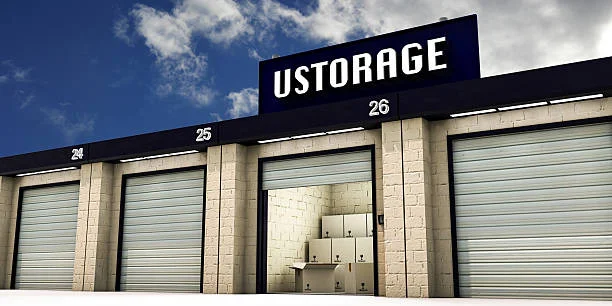
As urbanization increases and living spaces shrink, US storage centers face the pressing challenge of efficiently managing limited space to cater to the growing demand for storage solutions. This has increased the premium for innovative management approaches and smart utilization of existing storage space, as cutting-edge strategies can mean the difference between stagnation and growth.
Managing a storage center requires a delicate balance between maximizing space and ensuring a user-friendly experience. Below, we explore actionable solutions that storage center operators can implement to overcome space-related constraints and optimize their facilities for both business and customer satisfaction.
Tackling Storage Space Challenges at Us Storage Centers
The primary concern for many storage centers revolves around optimizing the use of space. With property prices on the rise, acquiring additional land for expansion isn’t always viable, thus intensifying the need for efficient space management. Efficient space utilization not only helps in accommodating more customers but also in enhancing revenue streams through better management.
One effective strategy involves the reconfiguration of unit sizes. Storage centers can cater to a more diverse customer base by varying unit dimensions to match popular demand. For instance, smaller units may be more appealing in urban areas where clients typically store fewer items. Reorganizing space can lead to a 15% to 20% increase in usable storage area.
Actionable guidance includes conducting regular audits to understand usage patterns and waste. By implementing dynamic pricing based on inventory and demand fluctuations, storage centers can maximize their profits per square foot. US storage centers Regular removal of non-paying tenants and conversion of infrequently used areas for storage can also help optimize space.
Innovative Solutions to Maximize Us Storage Center Capacity
Storage centers are increasingly turning to technology to overcome their spatial constraints. Through the adoption of innovative solutions, these businesses are better positioned to track, manage, and utilize every square inch of available space effectively.
Digital innovations such as Warehouse management systems (WMS) and IoT-enabled devices can offer real-time data on unit occupancy and streamline operations. Integrating 3D storage solutions and mobile shelving systems can effectively increase usable space by up to 50%. Moreover, customers appreciate tech-savvy centers that provide enhanced accessibility and security features. Warehouse management systems can also include predictive analysis, offering insights that enable preemptive adjustments to storage offerings.
For actionable guidance, storage centers should assess the feasibility of adopting robotic loaders, which can help in organizing items more compactly. Investment in vertical storage and collapsible shelving systems can also greatly increase spatial efficiency without major infrastructural alterations.
Streamlining Operations for Enhanced Us Storage Center Utilization
Operational efficiency is synonymous with improved space utilization at US storage centers. Streamlining management processes is a cornerstone for bettering overall functionality and maximizing space usage. This is critical in a market where customers seek convenience and rapid service.
Implementing a centralized operations system can help with better oversight of facility usage and maintenance needs. For instance, coupling online booking systems with automated maintenance schedules can ensure optimal use of spaces, without overburdening staff. Additionally, regular staff training on space management best practices can lead to more effective day-to-day operations.
Adopting a customer-centric approach with flexible access hours and online account management can also enhance user experience, encouraging longer tenancies and more sustained occupancy rates. Modern marketing techniques, such as targeted email campaigns, can attract new clients and better match availability with demand.
Case Studies: Successful Space Management at Us Storage Centers
Examining case studies of successful US storage centers reveals the tangible benefits of strategic space management. Centers that have navigated space constraints effectively often show marked improvements in customer satisfaction and earnings.
For instance, a Texas-based storage company increased its revenue by 30% after reevaluating their layout and introducing multi-level storage units. Another case in Florida saw a storage center reduce its operational costs by 25% after it automated its inventory management and incorporated customer-driven design improvements.
Actionable guidance from these success stories involves meticulous planning and customer feedback incorporation as part of the improvement process. Facility audits and subsequent redesigning based on current trends and client needs are essential steps towards better space utilization.
Ultimately, the storage industry’s success hinges on how effectively available space is managed. Through innovative solutions, operational streamlining, and learning from best practices, US storage centers can not only survive but also thrive despite space limitations. Strategic space management thus remains a vital aspect to be leveraged for competitive advantage and customer satisfaction.

Make an Impression: Using Custom Printed Shrink Sleeves To Stand Out

Secure Your Future: Effective Risk Management Solutions for Modern Business

Storage Space Concerns a Solution Approach That Works for Us Storage Centers

6 Simple Tips to Avoid Major Roadside Headaches

Why Sleep Hygiene Matters More Than You Think
-

 General6 months ago
Felixing: A Philosophy of Turning Simple Ideas into Wonders
-

 Health6 months ago
Lufanest: Effective Local Anesthesia with Fewer Risks
-

 Entertainment5 months ago
هنتاوي.com: Your Gateway to Arabic Anime Content
-

 General7 months ago
bardoek: The Artistic Heritage Inspiring Modern Creative Trends
-

 General5 months ago
Discover Anonib AZN: An Anonymous Asian Forum
-

 Fashion7 months ago
fashionisk .com – Your Ultimate Guide to Trendy, Smart Fashion
-

 Lifestyle7 months ago
Mariano Iduba: A Visionary Leader in Global Digital Growth
-

 General5 months ago
Euroyungs com Explained: Multi-Niche Hub or Risky Site?