
Health
Science-Based Mental Health Treatment: What It Is and Why It Works


Mental health care has evolved significantly over the years, shifting from generalized approaches to more precise, research-driven methods. Today, individuals seeking help are increasingly looking for treatments that are proven to work. This is where science-based mental health treatment plays a crucial role.
Rather than relying on guesswork, science-based approaches use clinical research, data, and evidence to guide treatment decisions. These methods focus on measurable outcomes, ensuring that individuals receive care that is both effective and personalized. In this article, we explore what science-based mental health treatment involves, how it works, and why it is considered the gold standard in modern mental health care.
What Is Science-Based Mental Health Treatment?
Science-based mental health treatment, often referred to as evidence-based treatment, uses therapies and interventions that have been tested through scientific research. These treatments are backed by clinical studies demonstrating their effectiveness in addressing specific mental health conditions.
Unlike outdated or unproven methods, science-based care emphasizes consistency, accountability, and measurable results. It integrates clinical expertise with the latest research findings and considers the individual needs of each patient.
Why Evidence-Based Approaches Matter
Choosing science-based mental health treatment ensures that individuals receive care supported by reliable data. This approach reduces the risk of ineffective or harmful interventions.
One of the key advantages is predictability. When a treatment has been studied extensively, professionals can better anticipate outcomes and adjust strategies accordingly. This leads to more efficient progress and improved long-term stability.
Additionally, science-based methods build trust between patients and providers. Knowing that treatment is grounded in research can provide reassurance and confidence in the recovery process.
Core Components of Science-Based Mental Health Treatment
Science-based mental health treatment is not a single method but a combination of approaches designed to address different aspects of mental health.
Clinical Assessment and Diagnosis
The process begins with a thorough evaluation. Mental health professionals gather detailed information about symptoms, medical history, and lifestyle factors. Accurate diagnosis is essential because it guides the entire treatment plan.
Structured Treatment Planning
Once a diagnosis is established, a personalized treatment plan is created. This plan outlines specific goals, timelines, and methods, ensuring that progress can be tracked over time.
Ongoing Monitoring and Adjustment
Science-based treatment involves continuous evaluation. Providers regularly assess progress and make adjustments to improve outcomes. This dynamic approach ensures that treatment remains effective as needs change.
Common Types of Science-Based Therapies
Several therapies are widely recognized as effective within science-based mental health treatment. These approaches have been tested and refined through extensive research.
Cognitive Behavioral Therapy (CBT)
CBT is one of the most widely used evidence-based therapies. It focuses on identifying and changing negative thought patterns that influence behavior. By addressing these patterns, individuals can develop healthier ways of thinking and responding to challenges.
Dialectical Behavior Therapy (DBT)
DBT is particularly effective for individuals who struggle with emotional regulation. It combines cognitive techniques with mindfulness practices, helping patients manage intense emotions and improve relationships.
Medication Management
In some cases, medication is an essential part of treatment. Science-based mental health treatment ensures that medications are prescribed based on clinical guidelines and monitored closely for effectiveness and safety.
Trauma-Informed Therapy
This approach recognizes the impact of trauma on mental health. It focuses on creating a safe environment while helping individuals process and heal from past experiences.
Conditions Treated with Science-Based Approaches
Science-based mental health treatment is effective for a wide range of conditions. These include anxiety disorders, depression, bipolar disorder, post-traumatic stress disorder (PTSD), and substance use disorders.
Each condition requires a tailored approach. For example, anxiety may be treated with CBT and exposure therapy, while depression may involve a combination of therapy and medication. The flexibility of science-based treatment allows providers to customize care for each individual.
Benefits of Science-Based Mental Health Treatment
One of the most significant benefits of science-based mental health treatment is its reliability. Because these methods are grounded in research, they consistently produce positive outcomes.
Another advantage is personalization. Treatment plans are tailored to each individual, taking into account their unique needs, preferences, and circumstances. This increases the likelihood of long-term success.
Science-based care also promotes accountability. Progress is measured through clear benchmarks, allowing both patients and providers to track improvements and make informed decisions.
Finally, this approach supports long-term recovery. By addressing the root causes of mental health challenges, individuals are better equipped to maintain stability and prevent relapse.
The Role of Mental Health Professionals
Qualified professionals play a critical role in delivering science-based mental health treatment. Psychologists, psychiatrists, therapists, and counselors use their expertise to interpret research and apply it in real-world settings.
Their role goes beyond diagnosis and treatment. They also provide guidance, support, and education, helping individuals understand their condition and actively participate in their recovery journey.
Challenges and Misconceptions
Despite its effectiveness, science-based mental health treatment is sometimes misunderstood. Some people believe it lacks flexibility or feels too clinical. In reality, these approaches are highly adaptable and patient-centered.
Another common misconception is that therapy alone is enough for everyone. While therapy is a powerful tool, some individuals may also benefit from medication or additional support services.
Access can also be a challenge. Not all individuals have equal access to qualified providers or evidence-based programs. However, awareness is growing, and more resources are becoming available.
How to Choose the Right Treatment Program
Selecting the right program is an important step in the recovery process. Individuals should look for providers who use evidence-based methods and offer personalized care.
It is helpful to ask about the types of therapies used, how progress is measured, and whether treatment plans are adjusted over time. A strong program will prioritize both clinical expertise and patient experience.
Conclusion
Science-based mental health treatment represents a significant advancement in how mental health conditions are understood and treated. By relying on research, clinical expertise, and personalized care, this approach provides a reliable path toward recovery.
For individuals seeking effective and lasting results, choosing science-based treatment can make a meaningful difference. With the right support, it is possible to achieve improved mental health, greater stability, and a better quality of life.
FAQs
1. What does science-based mental health treatment mean?
It refers to treatments that are supported by scientific research and proven to be effective through clinical studies.
2. Is science-based treatment better than traditional therapy?
Science-based treatment often includes modern, research-backed methods that tend to produce more consistent and measurable results.
3. Can science-based treatment be personalized?
Yes, treatment plans are tailored to individual needs while still following evidence-based guidelines.
4. Do all mental health professionals use science-based methods?
Most licensed professionals use evidence-based approaches, but it is important to confirm when choosing a provider.
5. How long does science-based mental health treatment take?
The duration varies depending on the condition and individual progress, but ongoing evaluation helps ensure effectiveness.
About the Author
Doctor of Psychology Ali Nikbakht is a Licensed Marriage and Family Therapist (LMFT). His studies and practice specialize in addiction studies and co-occurring mental health disorders. He earned his bachelor’s degree from UCLA, graduated from Trinity Law School, and earned his doctorate in Psychology in Marriage and Family Therapy from the California School of Professional Psychology. He is finishing his doctorate in Business Administration, specializing in Health Care.
Ready for the full rabbit hole? Tap in here at Awareness Ideas.
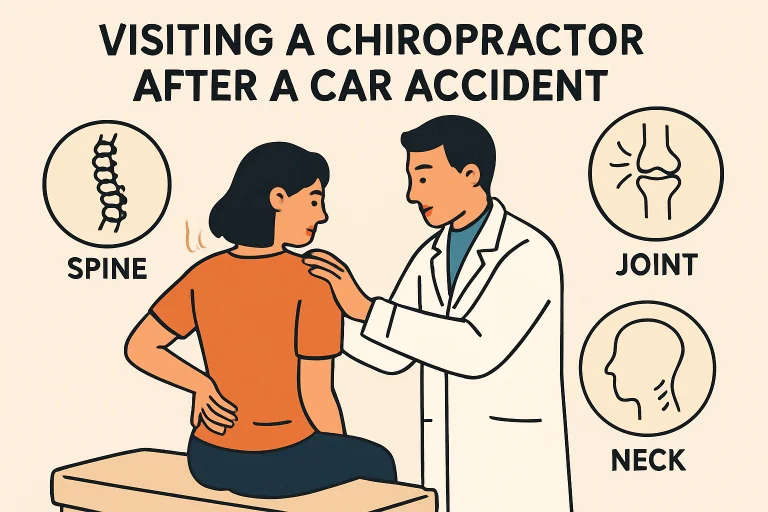
Key Takeaways
- Hidden injuries like whiplash and joint damage may appear after a car accident; early chiropractic care helps detect them Chiropractor After a Car Accident.
- Chiropractic treatment reduces pain and inflammation, restores mobility, and prevents chronic issues.
- Non-invasive care supports natural healing and overall well-being while reducing reliance on medications.
- Proper documentation from visits aids insurance claims and potential legal matters.
- Early evaluation maximizes recovery and prevents long-term complications.
Uncovering Hidden Injuries
After experiencing a car accident, it is not unusual for people to initially believe they are fine, only to realize later that injuries have occurred. Even in minor collisions, underlying issues such as whiplash, soft tissue damage, and joint misalignments can go unnoticed at first. For those reasons, seeking care from a qualified chiropractor can make a significant difference in identifying and addressing problems early. This proactive approach not only helps prevent injuries from worsening but also connects patients to a range of solutions, including support for the pelvic floor, which can benefit those who experience ongoing discomfort following an accident.
Whiplash, one of the most common car accident injuries, may not show symptoms for several days, making it tricky to detect without professional evaluation. Chiropractic assessments use a combination of physical exams and diagnostic tools to pinpoint even subtle musculoskeletal injuries. By catching these injuries in their early stages, patients are better positioned for effective recovery and can avoid the risk of chronic pain or disability Chiropractor After a Car Accident.
In addition to detecting injuries that might otherwise go undetected in conventional examinations, chiropractors are skilled at developing a holistic health strategy that goes beyond pain relief and joint realignment. They consider how an injury can affect posture, balance, and biomechanics over time, and may collaborate with other healthcare professionals, including physical therapists and orthopedic physicians, to ensure patients receive comprehensive care tailored to their specific needs. This multi-disciplinary approach enhances outcomes, as the subtleties of car accident injuries often require more than one modality for optimal healing.
Reducing Inflammation and Pain
The physical impact of a car crash frequently results in micro-tears in muscles and ligaments, leading to inflammation and pain throughout the body. For many accident survivors, this discomfort is severe enough to interfere with daily tasks and overall quality of life. Chiropractic adjustments are designed to realign the spine and joints, helping restore proper movement and allowing the body to begin its natural healing process. Reducing inflammation has cascading benefits, including shorter recovery times and less reliance on pain medications, which aligns with a holistic health philosophy valued by many patients Chiropractor After a Car Accident.
Chiropractors also use complementary therapies, such as ultrasound, electrical muscle stimulation, and therapeutic massage, to help alleviate muscle tension and reduce swelling in traumatized areas. These supportive techniques not only address current pain but can also safeguard other body parts from negative compensatory patterns that sometimes arise after an injury. For example, when one area is hurt, patients may unconsciously alter their gait or body movements, putting additional stress on surrounding muscles and joints. Regular chiropractic visits can help correct these issues before they lead to further discomfort or long-term complications.
Restoring Mobility and Flexibility
Stiffness and limited mobility are common after motor vehicle accidents, as joints and muscles become inflamed or misaligned. Chiropractic care targets these issues by restoring balance to the body’s musculoskeletal system. Adjustments to the spine and other affected areas can help patients regain lost flexibility, making it easier to return to work, hobbies, and other daily obligations. The sooner care begins, the greater the likelihood of a full recovery.
Ongoing chiropractic care after a car accident can also serve as a preventive measure for future injuries. Restored flexibility and mobility reduce the chance of reinjury and enhance athletic performance or everyday movement. Many patients find that, in addition to physical improvements, their confidence in resuming regular activities grows when they know their bodies are properly aligned and functioning at their best Chiropractor After a Car Accident.
Preventing Long-Term Complications
Ignoring minor aches or letting untreated injuries linger can lead to lifelong consequences. Delayed care is a primary factor in the development of chronic neck, back, and joint pain that can disrupt daily life. Chiropractic care focuses on addressing the root causes of discomfort to promote true healing, rather than masking symptoms with medication. Making chiropractic visits a priority after an accident helps prevent minor injuries from becoming persistent health problems, providing a strong foundation for future well-being.
Non-Invasive Treatment Options
Many patients seek alternatives to surgery and medications because of the risks and side effects associated with invasive procedures and pharmaceuticals. Chiropractic care provides a safe, non-invasive way to relieve pain and restore function. Techniques such as spinal manipulation, targeted exercises, and soft tissue therapy work together to help the body heal naturally. This non-pharmaceutical approach reduces exposure to opioids and other painkillers, which can carry their own health hazards according to the Centers for Disease Control and Prevention.
Enhancing Overall Well-Being
The benefits of chiropractic care after a car accident extend beyond physical recovery. Reducing pain and increasing mobility often leads to better sleep, less stress, and an overall improvement in mental health. Persistent pain can have negative effects on mood and emotional resilience, but improved physical health supports emotional recovery too. Patients frequently report improved outlooks, more energy Chiropractor After a Car Accident, and higher satisfaction with their daily lives after pursuing chiropractic care.
Additionally, the body’s natural endorphin production often increases after chiropractic adjustments, further supporting emotional wellness and stress reduction. This mind-body connection is essential for holistic healing, reminding patients that post-accident recovery extends far beyond resolving physical pain; it’s about restoring overall well-being.
Supporting Insurance Claims
Dealing with insurance companies after a car accident is often stressful and complicated. Documentation from a chiropractor not only supports your recovery but also serves as important medical evidence when making an insurance claim. Detailed records provided by qualified healthcare professionals show the extent and severity of injuries, ensuring that claims are taken seriously and increasing the likelihood of fair compensation for medical bills, lost wages, and pain and suffering.
Having a thorough, well-documented treatment history can strengthen your case if legal action is required. Insurers and legal professionals alike recognize the importance of accurate medical records, so ongoing chiropractic visits provide dual benefits: they foster recovery and help safeguard your financial interests during this challenging time.
When to Seek Chiropractic Care
Experts recommend consulting a chiropractor as soon as possible after a car accident, even if you do not notice obvious symptoms immediately. Early evaluation increases the chances of effective treatment and helps you avoid potential complications down the line. Establishing a relationship with a local provider can help monitor your progress, support ongoing healing, and reduce the risk of long-term health issues. Chiropractic care is a proactive step for anyone invested in their future health after a collision.
If you have recently been in an accident or know someone who has, consider reaching out to a chiropractor for a professional assessment. Acting quickly can significantly enhance recovery outcomes and lay the groundwork for long-term health and vitality, ensuring that you or your loved ones can move forward with confidence after this unexpected event.
Industry-shifting perspectives you can’t afford to miss at Awareness Ideas.


Want your employees to be happy? Healthy? Productive?
One of the best ways to support mental health in the workplace is by offering an Employee Assistance Programs.
And yet… most businesses don’t have one… or worse, they’re not using the EAP they do have.
Let’s take a look at why EAPs are so powerful.
According to the World Health Organization, depression and anxiety costs businesses upwards of 12 billion working days each year globally.
Yep, you read that right.
But wait… there’s more.
The annual cost of disengaged employees to world economies? A whooping $8.8 trillion!
Numbers that big can’t be ignored.
But here’s the good news…
With programs like Employee Assistance Plans in place, there’s a safety net waiting to catch your employees before problems spiral out of control.
And they don’t have to break the bank.
When added as part of broader employer benefits packages that include small business health insurance, EAPs are one of the best ways to equip your employees to handle mental health challenges while keeping costs low.
Excited to learn more?
Below is a breakdown of exactly what an EAP is, how they support mental health (among other benefits), and everything you need to know to maximize your Employee Assistance Program.
What you’ll pick up:
- What Is An Employee Assistance Program?
- Why EAPs Are Important For Small Business Health Insurance
- The Benefits Your EAP Includes
- How Your EAP Supports Mental Health
- Employee Assistance Program Tips: How To Get The Most From Your EAP
What Is An Employee Assistance Program?
An Employee Assistance Program, also known as an EAP, is an employee benefits program that connects your workers to free, confidential assistance.
EAP services often include mental health counselling, substance abuse resources, financial planning, legal aid, and more. The purpose of an EAP is simple…
To provide employees with somewhere to turn when they need extra support.
Employers typically pay for the cost of an EAP and offer it to employees at no additional cost.
While many large companies offer EAPs, smaller businesses can also take advantage of affordable programs that can be bundled into your small business health insurance.
Why EAPs Are Important For Small Business Health Insurance
Small businesses offer health insurance to their employees for one reason – to provide them with a safety net.
Whether that safety net is needed for an unexpected illness, accident or mental health issue, health insurance helps employees feel secure when working for your company.
The problem is that most small business health insurance packages don’t cover mental health or don’t go far enough to provide real support.
That’s where your EAP comes in.
By offering your employees access to an EAP, you can include resources specifically designed to support your team’s mental wellbeing.
Think of it as preventative care, helping your employees seek help with small problems before they turn into big ones.
If you want to learn more about why EAPs are important, read this article from SHRM.
The Benefits Your EAP Includes
EAPs aren’t just a perk your employees can use when they need to talk to a counselor.
Most EAPs provide resources that cover a number of different aspects of your employees’ lives. Here are some of the things you can expect to see included.
Common services included in Employee Assistance Programs:
- Mental health counselling
- Substance abuse resources
- Financial planning assistance
- Legal aid
- Help with family issues like childcare, eldercare and more
You can usually think of an EAP as a one-stop-shop for anything your employees might need private help with.
Because EAPs are confidential, your employees don’t have to worry about you knowing when they’re utilizing the program. They can focus on getting better.
Need more reasons why EAPs are worth it?
EAPs can help save money. Mental health challenges and substance abuse issues don’t just hurt your team — they hurt your bottom line.
By offering an EAP, you can reduce sick days, increase productivity, and encourage your employees to live happier lives.
How Your EAP Supports Mental Health
Okay, so you know that EAPs support mental health. But how?
By providing your employees with somewhere safe to talk and get help when they need it, your EAP can support your team’s mental wellbeing in a variety of ways.
- Employees can seek help early, before their problems get too serious.
- Professional counsellors are available to employees 24/7.
- Your EAP will also offer support during employee emergencies.
- If an employee needs more long-term care, your EAP will connect them with the right resources.
In other words, not only can your EAP support your employee’s short term mental health needs, but they can also provide resources for management long after those EAP sessions have ended.
It’s a win-win.
Employee Assistance Program Tips: How To Get The Most From Your EAP
So you offer your employees an EAP…but how do you know if they’re actually using it?
Research shows that between 6-10% of employees utilize their EAP services. That means 90%+ of your team who can benefit from your program aren’t taking you up on your offer.
Employees don’t use EAPs because they don’t know about them. If you provide your team with an EAP and that’s the last time you ever mention it…don’t expect them to remember it exists two years down the road when they need it most.
Promotion is key.
Here are a few tips to help you get the most out of your Employee Assistance Program.
Tell your employees about your EAP.
Don’t just mention it during new-hire onboarding and call it a day. Make sure managers know how to direct employees to your EAP service.
Tell your employees it’s okay to not be okay. A huge part of the stigma surrounding mental health (and seeking help) is the idea that they’ll be viewed as weak.
When your leadership is normalizing conversations about mental health, employees will feel more comfortable seeking the help your EAP has to offer.
Bringing It Together
Employee Assistance Programs are a powerful tool for supporting your employees, both mentally and physically.
Whether they’re included in your small business health insurance plan or offered as a standalone resource, EAPs are a simple way to give your employees access to the help they need.
So why wait for an emergency to happen?
Implement an EAP and watch your employees thrive.
Your mouth should not hurt, bleed, or feel strange every week. When it does, you often need more than one type of dental care at the same time. Combined services can steady your health faster and prevent problems from returning. You might need a cleaning plus gum treatment. You might need a crown plus bite correction. You might need whitening plus repair of worn teeth. Each part supports the other. Together they protect your chewing, speech, and confidence. A North San Antonio dentist may suggest this approach when single treatments no longer keep you stable. This is not about extra work. It is about stopping a slow slide that you may have ignored for years. Here are three clear signs your dental health could gain from combined services. Recognize them early. Then you can protect your teeth, save money, and avoid emergency visits.
1. You Have Ongoing Pain, Bleeding, Or Broken Teeth
Ongoing pain is a warning. You might feel it when you chew, drink cold water, or wake up. Bleeding gums or broken teeth often join this pain. Together they point to more than one cause.
You might have all three at once.
- Cavities that reach the nerve
- Gum disease that weakens bone
- Cracks from grinding or clenching
One filling will not solve that mix. You may need to pair treatments.
- Deep cleaning plus gum medicine
- Root canal plus crown
- Night guard plus repair of chipped teeth
The Centers for Disease Control and Prevention explains that gum disease can lead to tooth loss. You protect yourself when you treat decay and gum disease at the same time. You also protect your jaw and bite.
Here is how single care compares to combined care when pain and damage keep coming back.
| Problem Pattern | Single Treatment Only | Combined Services |
|---|---|---|
| Tooth pain every few months | Repeat fillings on the same tooth | Root canal plus crown to seal and strengthen the tooth |
| Bleeding gums and loose tooth | Quick cleaning and watchful waiting | Deep cleaning plus gum care plan and home routine |
| Chipped front teeth from grinding | Bonding on chips only | Bonding plus night guard and bite check |
| Broken fillings | Replace filling again | Crown plus bite adjustment and crack check |
If you keep returning with the same pain or the same kind of break, you likely need more than one service. You deserve care that ends the cycle, not a quick patch that fails.
2. You Feel Embarrassed To Smile Or Eat Around Others
Shame about your teeth can drain your energy. You might hide your smile in photos. You might avoid chewy food at parties. That shame often comes from more than one problem at once.
Common examples include the following.
- Stained teeth plus old silver fillings
- Gaps plus crooked teeth
- Missing back teeth plus worn front teeth
If your dentist only treats one concern, the result can still feel wrong. You might get whiter teeth, but keep a dark crown. You might fix one gap, but keep a crooked bite that traps food.
Instead, you can pair services in simple sets of three.
- Cleaning, whitening, and new tooth colored fillings
- Clear aligners, small bonding, and retainer
- Partial denture or implants, bite check, and repair of worn teeth
The National Institute of Dental and Craniofacial Research notes that untreated decay and tooth loss affect eating and speaking. When you restore function and appearance together, you regain trust in your body. You eat without fear. You smile without planning how to hide.
Ask yourself three questions.
- Do you cover your mouth when you laugh
- Do you avoid certain foods in public?
- Do you edit photos to hide your teeth
If you say yes more than once, combined services can help. You do not need a perfect smile. You need a stable mouth that lets you live without constant worry.
3. Your Dentist Keeps “Watching” The Same Problems
Sometimes your dentist says, “We will watch that spot.” That can be safe for small changes. It is not safe when several small problems grow at the same time.
You might hear these phrases often.
- A little gum inflammation
- A small crack in the filling
- A slight bite issue on that side
Each one alone seems minor. Together, they can lead to a broken tooth or infected gum. If your checkups show the same warnings again and again, you may need a plan that treats them together.
Combined services here might include the following.
- Updated X-rays, full exam, and deep cleaning
- Replace weak fillings, adjust bite, and add a night guard
- Home care coaching, fluoride, and regular cleanings
Many people do not notice slow changes. Teeth shift. Gums recede. Old fillings thin. Combined services stop that slow drift. They also save you time. You complete several steps in fewer visits.
How To Talk With Your Dentist About Combined Services
You guide your care. You can ask direct questions and expect clear answers. Before your next visit, write down your top three worries. Pain. Bleeding. Appearance. Then bring that list.
During the visit, ask these questions.
- What are the three main problems you see
- Which problems are linked
- Can we treat the linked problems in one plan
Then ask for a simple written plan that groups care by visit. That plan can show what happens first, second, and third. It lets you plan time and cost. It also helps you stay on track when life feels crowded.
Protect Your Mouth With A Paired Approach
Your mouth works as one system. Teeth, gums, jaws, and habits all connect. When one part fails, others strain. Combined services respect that link. They treat the cause, the damage, and the strain at the same time.
If you live with steady pain, shame about your smile, or repeated warnings at each visit, you do not need to wait. You can ask for a plan that uses smart pairs of services. You protect your health. You protect your budget. You protect the simple joy of eating and smiling without fear.

Ramirra Marks: Beyond the Court—A Story Defined by Values, Not Fame

Maria Aquinar: A Deep Dive Into the Life and Lasting Family Ties of the Former Couple

Brandy Quaid: Exploring the Personal History and Devotion of Randy Quaid’s Spouse

The Importance of Seeing a Chiropractor After a Car Accident

Science-Based Mental Health Treatment: What It Is and Why It Works
-

 General7 months ago
Felixing: A Philosophy of Turning Simple Ideas into Wonders
-

 Health7 months ago
Lufanest: Effective Local Anesthesia with Fewer Risks
-

 Entertainment3 days ago
هنتاوي.com: Your Gateway to Arabic Anime Content
-

 General7 months ago
bardoek: The Artistic Heritage Inspiring Modern Creative Trends
-

 General6 months ago
Discover Anonib AZN: An Anonymous Asian Forum
-

 Fashion8 months ago
fashionisk .com – Your Ultimate Guide to Trendy, Smart Fashion
-

 General6 months ago
Euroyungs com Explained: Multi-Niche Hub or Risky Site?
-

 Lifestyle8 months ago
Mariano Iduba: A Visionary Leader in Global Digital Growth