
Health
Navigating Mental Health Care: The Difference Between Therapists, Psychologists, and Psychiatrists


Search your feelings. You know you want guidance… but who should you see?
Behavioral health services. There are so many options it can feel overwhelming. Therapist? Psychologist? Psychiatrist?
They’re not all the same thing.
In fact, they offer different types of care based on their education and licensing. Not knowing the difference could cost you time, money, and frustration. While knowing the difference could improve your life.
Here’s what we’ll cover:
- The biggest differences between therapists, psychologists, and psychiatrists
- Why behavioral health services are more important than ever
- How to know which professional to see for your needs
- When to consider a combination of professionals
Why You Need Behavioral Health Services More Than Ever Before
At one time, mental health was swept under the rug. It wasn’t important. Something you didn’t talk about.
But those days are over.
Statistics from leading health organizations make this fact crystal clear:
NAMI reports that over 1 in 5 Americans experience mental illness each year. That means approximately 53 million people!
Plus, data published by the CDC in 2025 showed depression increased by 5.9 percentage points from 2013 to 2022. Specifically, depression went from 8.2% to 13.1% of Americans aged 12+.
Depression isn’t the only mental illness on the rise.
With numbers like this, it’s more important than ever to know how to find quality behavioral health services. Whether you need traditional talk therapy or medication management from a reputable Phoenix psychiatrist, there’s a solution.
But with lots of professionals to choose from…
People get lost.
Lost on where to start their search. Lost on how to determine what type of professional they should see.
So let’s lay it all out.
Your Guide To Therapists Vs. Psychologists Vs. Psychiatrists
They’re not interchangeable terms.
While therapists, psychologists, and psychiatrists all work in the behavioral health services industry, they focus on different things. Let’s explore:
Therapists
First up, therapists. A therapist may also be called a counselor but both mean the same thing.
Technically, therapists are licensed mental health professionals who practice talk therapy with patients.
Most therapists hold at minimum a master’s degree in counseling, social work or another mental health related field.
Therapists specialize in providing support and guidance on topics like:
- Anxiety
- Stress
- Relationships
- Coping with loss
Think of therapists as the “guided counseling” of the bunch. They work with their patients on a regular schedule to determine how to best provide support and help with strategies to improve mental well being.
Types of therapy include but are not limited to:
- Cognitive Behavioral Therapy (CBT)
- Dialectical Behavior Therapy (DBT)
- Person Centered Therapy
However, there is one significant limitation.
Therapists cannot prescribe medication.
If their patient needs medication, they can provide a referral to a psychiatrist.
Psychologists
Psychologists have an edge on therapists because they typically hold a doctoral level degree (PhD or PsyD). That means they do everything therapists do… with extra training in psychology and psychological testing.
Psychologists can:
- Administer psychological testing (ADD/ADHD, personality testing, trauma screenings)
- Make formal diagnoses
- Provide evidence-based therapy
Due to their extensive education and training, psychologists are great at catching things that may be “underneath” the surface.
Similar to therapists, most psychologists cannot prescribe medication.
With that said, certain states allow properly trained psychologists to prescribe medications.
Psychiatrists
Psychiatrists aren’t your typical therapists.
They’re medical doctors, just like your pediatrician, OB-GYN, etc.
Psychiatrists attend medical school before specializing in psychiatry during their residency years.
By default, this makes them qualified to:
- Prescribe medications
- Provide medical guidance
Think of psychiatrists as the go-to if medication is needed to treat a mental health condition. Psychiatrists are the experts for disorders like severe depression, bipolar disorder, schizophrenia and more.
Due to their medical background, psychiatrists can also recommend specific treatment plans when it comes to therapy.
Should you only see one?
You don’t have to choose just one!
Many people see both a therapist and psychiatrist for their care. One provides traditional talk therapy while the other focuses on medication management.
When To Get Multiple Providers
Think of mental healthcare as fighting a battle that requires multiple forms of attack. You want every angle covered.
For those wondering whether one or more providers would be beneficial, consider the following questions:
- Are you experiencing severe symptoms? If so, medication may be necessary and a psychiatrist should be on the team.
- Has talk therapy already been tried? If therapy alone isn’t working, seeing a psychiatrist could provide a fresh perspective.
- Is there a support system in place? Mental health care is more effective with a solid support system. But if family isn’t understanding, getting professional help is a must.
- How quickly are results needed? Therapy is a process and it can take time to find the right therapist. Medicine can provide faster relief while the right therapist match is found.
How To Find The Right Provider
So you know all the differences between a therapist, psychologist and psychiatrist. How do you know which one to pick?
Well, that depends.
There’s no “one size fits all” solution here. But here are some guidelines to help make a decision:
Start with a therapist
If the starting point is unclear, a therapist is a great place to begin. Therapists focus on talk therapy which is often a great starting point for relief.
See a psychologist
Psychologists are the next step if a formal diagnosis is needed. Therapists can provide therapy but cannot make official diagnoses.
Need to know if it’s ADHD? Seeing a psychologist can help.
Visit a psychiatrist
If talk therapy has already been tried, visit a psychiatrist. Since therapists can’t prescribe medication, a psychiatrist fills that gap.
That might sound annoying. Just remember, they can work together!
A therapist can provide talk therapy while a psychiatrist can oversee the medication regimen.
Combined approach = ideal approach
It’s actually a good thing that professionals don’t all fall under the same blanket. It allows mental health to be attacked from every angle.
Think of it as a tag team fighting for your well-being!
Real talk… Access to mental health care isn’t always easy.
The Bureau of Health Workforce discovered that 40% of Americans live in a Mental Health Professional Shortage Area. That means if you don’t live in a major city, you may not have good providers nearby.
If that’s the case, see if providers offer telehealth options. Therapy through video is better than no therapy at all!
Tips for finding the right fit:
- Make sure they’re licensed in their specialization. Ex: Licensed Marriage and Family Therapist, Licensed Clinical Psychologist, etc.
- Double check they work with your condition. Some therapists will only accept clients with specific conditions.
- Confirm they accept your insurance (if applicable). Some providers are “private pay” only.
- Don’t be afraid to shop around.
Wrap Up
Behavioral health professionals can be confusing. They don’t all do the same thing, so knowing which professional to see is important.
Remember:
- Therapists provide talk therapy and specialize in working through your emotions.
- Psychologists provide therapy like therapists, but they can make official diagnoses.
- Psychiatrists focus on the medical side of things and can prescribe medication.
Mental healthcare is important. If you need it, don’t be afraid to seek help.
You’re worth it.


Introduction to Holisticke
In a world where wellness often feels like an elusive goal, many are turning to holistic approaches for a more balanced life. Enter Holisticke—a dynamic philosophy that encourages individuals to embrace their personal health through mindful synergy. This movement invites us to explore the interconnectedness of our physical, mental, and emotional well-being while blending traditional and alternative practices. Whether you’re seeking relief from stress or aiming for optimal vitality, Holisticke offers tools and insights that can illuminate your path to overall health. Let’s dive into what makes this approach so transformative and how you can start incorporating it into your daily routine today!
What is Holisticke?
Holisticke is an innovative approach to personal health that emphasizes the interconnectedness of mind, body, and spirit. It invites individuals to explore their well-being from multiple dimensions rather than just addressing symptoms.
At its core, Holisticke encourages self-awareness and mindfulness. This practice helps people understand how emotional and physical states influence each other.
By focusing on the whole person, Holisticke fosters a deeper connection with oneself. It supports healing through various techniques that blend traditional medicine with alternative therapies.
This integrative model empowers individuals to take charge of their health journey. Whether through nutrition, meditation, or energy work, Holisticke offers diverse pathways toward balance and harmony in life.
The Principles of Holisticke
At the heart of Holisticke are its core principles, which guide individuals toward a balanced life. Central to this philosophy is the belief that every person is an interconnected whole. Mind, body, and spirit do not function in isolation; they influence one another continuously.
Another essential principle emphasizes prevention over cure. By adopting proactive health measures, individuals can reduce illness risk rather than merely treating symptoms when they arise.
Holisticke also champions personalized care. Each person’s journey is unique—what works for one may not resonate with another. This tailored approach fosters deeper connections with various healing modalities.
Community support plays a crucial role in Holisticke practices. Collective well-being enhances personal growth and encourages shared experiences on the path to health and happiness.
How Holisticke Can Benefit Personal Health
Holisticke promotes a comprehensive approach to personal health. By integrating mind, body, and spirit, individuals can achieve greater balance in their lives.
This holistic framework encourages awareness of physical sensations and emotional states. It nurtures self-discovery through mindful practices, allowing for deeper connections with oneself.
The benefits extend beyond mere symptom relief. Many find that adopting Holisticke principles leads to improved mental clarity and emotional resilience. Better stress management is often reported as well.
Moreover, it empowers individuals to take charge of their wellness journey. Through personalized strategies tailored to unique needs, people experience profound transformation over time.
Engaging with Holisticke methods also fosters community support. Connecting with like-minded individuals creates an enriching environment for healing and growth on multiple levels.
Mindful Synergy: Combining Traditional and Alternative Practices
Mindful synergy is the art of blending traditional healing methods with alternative practices. This harmonious approach recognizes that each style brings unique benefits to personal well-being.
Traditional medicine often focuses on treating symptoms, while alternative methods emphasize holistic health. By merging these perspectives, individuals can achieve greater balance in their lives.
For instance, a patient might combine acupuncture sessions with prescribed medications for chronic pain relief. The needles stimulate energy flow, complementing the medication’s effects and enhancing overall recovery.
Yoga and meditation also illustrate this blend beautifully. Many people find that incorporating mindfulness techniques into their fitness routines amplifies both physical strength and emotional resilience.
This integrative method allows individuals to take charge of their health journeys. It encourages exploration beyond conventional boundaries while respecting the wisdom embedded in longstanding traditions.
Incorporating Holisticke Into Daily Life
Incorporating Holisticke into daily life is both simple and rewarding. Start with small changes that align mind, body, and spirit.
Begin your mornings with a mindfulness practice. A few moments of meditation or deep breathing can set a positive tone for the day. This helps cultivate awareness and reduces stress.
Next, consider your nutrition choices. Focus on whole foods that nourish you deeply. Think vibrant fruits, leafy greens, and wholesome grains.
Movement also plays a vital role in Holisticke living. Whether it’s yoga, walking in nature, or dancing to your favorite tunes—find what brings joy to your body.
Connect with others who share similar interests. Engage in community activities or support groups focused on holistic health practices.
Keep learning about the principles of Holisticke through books, podcasts, or workshops to stay inspired on your journey toward personal wellness.
Case Studies of Success with Holisticke
Holisticke has transformed countless lives through its unique approach to health and wellness. One inspiring case involves Sarah, a busy professional who struggled with anxiety and chronic fatigue. After integrating Holisticke principles into her routine, she found balance by combining mindfulness practices with nutritional guidance.
Another success story features John, a retired veteran dealing with lingering pain from past injuries. By embracing holistic therapies alongside traditional medicine, he experienced significant relief and improved mobility. This blend of approaches empowered him to reclaim his active lifestyle.
Then there’s Maria, who battled digestive issues for years without resolution. Turning to Holisticke allowed her to explore the connection between emotions and physical health. With patience and persistence, she discovered dietary adjustments that revitalized her overall well-being.
These cases illustrate the diverse applications of Holisticke in addressing various health challenges while promoting personal empowerment through mindful synergy.
Breaking Down the Stigma Around Alternative Healing Methods
Alternative healing methods often face skepticism. Society tends to favor conventional medicine. This bias can overshadow the benefits of holistic approaches.
Many people find comfort in traditional treatments. However, exploring alternative options can lead to profound insights and improvements. It’s essential to recognize that healing is not one-size-fits-all.
Stories from individuals who embraced these methods showcase their effectiveness. They often report enhanced well-being and a deeper connection with themselves.
Education plays a critical role in changing perceptions. As more studies emerge supporting alternative practices, awareness grows. Engaging with practitioners and experiencing these therapies firsthand fosters understanding and acceptance.
By sharing personal experiences, we challenge outdated beliefs surrounding health care choices. Every journey toward wellness should be validated, regardless of how unconventional it may seem.
Conclusion
Holisticke embodies a transformative approach to personal health, merging the best of traditional and alternative practices. By focusing on mindful synergy, it encourages individuals to take charge of their wellness journey. Embracing Holisticke means prioritizing a balance between mind, body, and spirit.
As more people turn towards holistic methods for healing, the stigma surrounding these practices begins to fade. Success stories demonstrate that when combined thoughtfully, conventional medicine and alternative therapies can lead to profound improvements in well-being.
Integrating Holisticke into daily routines empowers individuals with tools that foster resilience and vitality. It’s not just about treating symptoms; it’s about nurturing a harmonious existence. This path invites everyone to explore what true health feels like—an enriching experience open to all who seek it.
The world is evolving toward an inclusive understanding of health. As you consider your own wellness journey, think about how Holisticke principles might resonate with you personally. Each small step taken toward this balanced lifestyle can pave the way for lasting change in both yours and others’ lives.
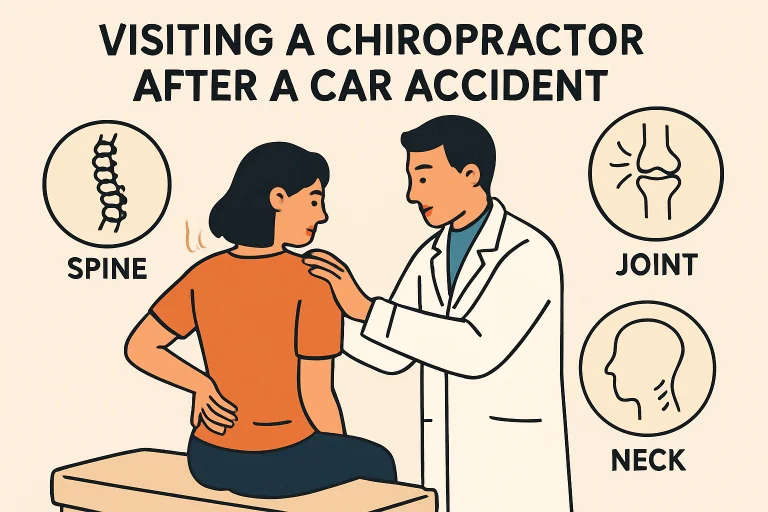
Key Takeaways
- Hidden injuries like whiplash and joint damage may appear after a car accident; early chiropractic care helps detect them Chiropractor After a Car Accident.
- Chiropractic treatment reduces pain and inflammation, restores mobility, and prevents chronic issues.
- Non-invasive care supports natural healing and overall well-being while reducing reliance on medications.
- Proper documentation from visits aids insurance claims and potential legal matters.
- Early evaluation maximizes recovery and prevents long-term complications.
Uncovering Hidden Injuries
After experiencing a car accident, it is not unusual for people to initially believe they are fine, only to realize later that injuries have occurred. Even in minor collisions, underlying issues such as whiplash, soft tissue damage, and joint misalignments can go unnoticed at first. For those reasons, seeking care from a qualified chiropractor can make a significant difference in identifying and addressing problems early. This proactive approach not only helps prevent injuries from worsening but also connects patients to a range of solutions, including support for the pelvic floor, which can benefit those who experience ongoing discomfort following an accident.
Whiplash, one of the most common car accident injuries, may not show symptoms for several days, making it tricky to detect without professional evaluation. Chiropractic assessments use a combination of physical exams and diagnostic tools to pinpoint even subtle musculoskeletal injuries. By catching these injuries in their early stages, patients are better positioned for effective recovery and can avoid the risk of chronic pain or disability Chiropractor After a Car Accident.
In addition to detecting injuries that might otherwise go undetected in conventional examinations, chiropractors are skilled at developing a holistic health strategy that goes beyond pain relief and joint realignment. They consider how an injury can affect posture, balance, and biomechanics over time, and may collaborate with other healthcare professionals, including physical therapists and orthopedic physicians, to ensure patients receive comprehensive care tailored to their specific needs. This multi-disciplinary approach enhances outcomes, as the subtleties of car accident injuries often require more than one modality for optimal healing.
Reducing Inflammation and Pain
The physical impact of a car crash frequently results in micro-tears in muscles and ligaments, leading to inflammation and pain throughout the body. For many accident survivors, this discomfort is severe enough to interfere with daily tasks and overall quality of life. Chiropractic adjustments are designed to realign the spine and joints, helping restore proper movement and allowing the body to begin its natural healing process. Reducing inflammation has cascading benefits, including shorter recovery times and less reliance on pain medications, which aligns with a holistic health philosophy valued by many patients Chiropractor After a Car Accident.
Chiropractors also use complementary therapies, such as ultrasound, electrical muscle stimulation, and therapeutic massage, to help alleviate muscle tension and reduce swelling in traumatized areas. These supportive techniques not only address current pain but can also safeguard other body parts from negative compensatory patterns that sometimes arise after an injury. For example, when one area is hurt, patients may unconsciously alter their gait or body movements, putting additional stress on surrounding muscles and joints. Regular chiropractic visits can help correct these issues before they lead to further discomfort or long-term complications.
Restoring Mobility and Flexibility
Stiffness and limited mobility are common after motor vehicle accidents, as joints and muscles become inflamed or misaligned. Chiropractic care targets these issues by restoring balance to the body’s musculoskeletal system. Adjustments to the spine and other affected areas can help patients regain lost flexibility, making it easier to return to work, hobbies, and other daily obligations. The sooner care begins, the greater the likelihood of a full recovery.
Ongoing chiropractic care after a car accident can also serve as a preventive measure for future injuries. Restored flexibility and mobility reduce the chance of reinjury and enhance athletic performance or everyday movement. Many patients find that, in addition to physical improvements, their confidence in resuming regular activities grows when they know their bodies are properly aligned and functioning at their best Chiropractor After a Car Accident.
Preventing Long-Term Complications
Ignoring minor aches or letting untreated injuries linger can lead to lifelong consequences. Delayed care is a primary factor in the development of chronic neck, back, and joint pain that can disrupt daily life. Chiropractic care focuses on addressing the root causes of discomfort to promote true healing, rather than masking symptoms with medication. Making chiropractic visits a priority after an accident helps prevent minor injuries from becoming persistent health problems, providing a strong foundation for future well-being.
Non-Invasive Treatment Options
Many patients seek alternatives to surgery and medications because of the risks and side effects associated with invasive procedures and pharmaceuticals. Chiropractic care provides a safe, non-invasive way to relieve pain and restore function. Techniques such as spinal manipulation, targeted exercises, and soft tissue therapy work together to help the body heal naturally. This non-pharmaceutical approach reduces exposure to opioids and other painkillers, which can carry their own health hazards according to the Centers for Disease Control and Prevention.
Enhancing Overall Well-Being
The benefits of chiropractic care after a car accident extend beyond physical recovery. Reducing pain and increasing mobility often leads to better sleep, less stress, and an overall improvement in mental health. Persistent pain can have negative effects on mood and emotional resilience, but improved physical health supports emotional recovery too. Patients frequently report improved outlooks, more energy Chiropractor After a Car Accident, and higher satisfaction with their daily lives after pursuing chiropractic care.
Additionally, the body’s natural endorphin production often increases after chiropractic adjustments, further supporting emotional wellness and stress reduction. This mind-body connection is essential for holistic healing, reminding patients that post-accident recovery extends far beyond resolving physical pain; it’s about restoring overall well-being.
Supporting Insurance Claims
Dealing with insurance companies after a car accident is often stressful and complicated. Documentation from a chiropractor not only supports your recovery but also serves as important medical evidence when making an insurance claim. Detailed records provided by qualified healthcare professionals show the extent and severity of injuries, ensuring that claims are taken seriously and increasing the likelihood of fair compensation for medical bills, lost wages, and pain and suffering.
Having a thorough, well-documented treatment history can strengthen your case if legal action is required. Insurers and legal professionals alike recognize the importance of accurate medical records, so ongoing chiropractic visits provide dual benefits: they foster recovery and help safeguard your financial interests during this challenging time.
When to Seek Chiropractic Care
Experts recommend consulting a chiropractor as soon as possible after a car accident, even if you do not notice obvious symptoms immediately. Early evaluation increases the chances of effective treatment and helps you avoid potential complications down the line. Establishing a relationship with a local provider can help monitor your progress, support ongoing healing, and reduce the risk of long-term health issues. Chiropractic care is a proactive step for anyone invested in their future health after a collision.
If you have recently been in an accident or know someone who has, consider reaching out to a chiropractor for a professional assessment. Acting quickly can significantly enhance recovery outcomes and lay the groundwork for long-term health and vitality, ensuring that you or your loved ones can move forward with confidence after this unexpected event.
Industry-shifting perspectives you can’t afford to miss at Awareness Ideas.

Mental health care has evolved significantly over the years, shifting from generalized approaches to more precise, research-driven methods. Today, individuals seeking help are increasingly looking for treatments that are proven to work. This is where science-based mental health treatment plays a crucial role.
Rather than relying on guesswork, science-based approaches use clinical research, data, and evidence to guide treatment decisions. These methods focus on measurable outcomes, ensuring that individuals receive care that is both effective and personalized. In this article, we explore what science-based mental health treatment involves, how it works, and why it is considered the gold standard in modern mental health care.
What Is Science-Based Mental Health Treatment?
Science-based mental health treatment, often referred to as evidence-based treatment, uses therapies and interventions that have been tested through scientific research. These treatments are backed by clinical studies demonstrating their effectiveness in addressing specific mental health conditions.
Unlike outdated or unproven methods, science-based care emphasizes consistency, accountability, and measurable results. It integrates clinical expertise with the latest research findings and considers the individual needs of each patient.
Why Evidence-Based Approaches Matter
Choosing science-based mental health treatment ensures that individuals receive care supported by reliable data. This approach reduces the risk of ineffective or harmful interventions.
One of the key advantages is predictability. When a treatment has been studied extensively, professionals can better anticipate outcomes and adjust strategies accordingly. This leads to more efficient progress and improved long-term stability.
Additionally, science-based methods build trust between patients and providers. Knowing that treatment is grounded in research can provide reassurance and confidence in the recovery process.
Core Components of Science-Based Mental Health Treatment
Science-based mental health treatment is not a single method but a combination of approaches designed to address different aspects of mental health.
Clinical Assessment and Diagnosis
The process begins with a thorough evaluation. Mental health professionals gather detailed information about symptoms, medical history, and lifestyle factors. Accurate diagnosis is essential because it guides the entire treatment plan.
Structured Treatment Planning
Once a diagnosis is established, a personalized treatment plan is created. This plan outlines specific goals, timelines, and methods, ensuring that progress can be tracked over time.
Ongoing Monitoring and Adjustment
Science-based treatment involves continuous evaluation. Providers regularly assess progress and make adjustments to improve outcomes. This dynamic approach ensures that treatment remains effective as needs change.
Common Types of Science-Based Therapies
Several therapies are widely recognized as effective within science-based mental health treatment. These approaches have been tested and refined through extensive research.
Cognitive Behavioral Therapy (CBT)
CBT is one of the most widely used evidence-based therapies. It focuses on identifying and changing negative thought patterns that influence behavior. By addressing these patterns, individuals can develop healthier ways of thinking and responding to challenges.
Dialectical Behavior Therapy (DBT)
DBT is particularly effective for individuals who struggle with emotional regulation. It combines cognitive techniques with mindfulness practices, helping patients manage intense emotions and improve relationships.
Medication Management
In some cases, medication is an essential part of treatment. Science-based mental health treatment ensures that medications are prescribed based on clinical guidelines and monitored closely for effectiveness and safety.
Trauma-Informed Therapy
This approach recognizes the impact of trauma on mental health. It focuses on creating a safe environment while helping individuals process and heal from past experiences.
Conditions Treated with Science-Based Approaches
Science-based mental health treatment is effective for a wide range of conditions. These include anxiety disorders, depression, bipolar disorder, post-traumatic stress disorder (PTSD), and substance use disorders.
Each condition requires a tailored approach. For example, anxiety may be treated with CBT and exposure therapy, while depression may involve a combination of therapy and medication. The flexibility of science-based treatment allows providers to customize care for each individual.
Benefits of Science-Based Mental Health Treatment
One of the most significant benefits of science-based mental health treatment is its reliability. Because these methods are grounded in research, they consistently produce positive outcomes.
Another advantage is personalization. Treatment plans are tailored to each individual, taking into account their unique needs, preferences, and circumstances. This increases the likelihood of long-term success.
Science-based care also promotes accountability. Progress is measured through clear benchmarks, allowing both patients and providers to track improvements and make informed decisions.
Finally, this approach supports long-term recovery. By addressing the root causes of mental health challenges, individuals are better equipped to maintain stability and prevent relapse.
The Role of Mental Health Professionals
Qualified professionals play a critical role in delivering science-based mental health treatment. Psychologists, psychiatrists, therapists, and counselors use their expertise to interpret research and apply it in real-world settings.
Their role goes beyond diagnosis and treatment. They also provide guidance, support, and education, helping individuals understand their condition and actively participate in their recovery journey.
Challenges and Misconceptions
Despite its effectiveness, science-based mental health treatment is sometimes misunderstood. Some people believe it lacks flexibility or feels too clinical. In reality, these approaches are highly adaptable and patient-centered.
Another common misconception is that therapy alone is enough for everyone. While therapy is a powerful tool, some individuals may also benefit from medication or additional support services.
Access can also be a challenge. Not all individuals have equal access to qualified providers or evidence-based programs. However, awareness is growing, and more resources are becoming available.
How to Choose the Right Treatment Program
Selecting the right program is an important step in the recovery process. Individuals should look for providers who use evidence-based methods and offer personalized care.
It is helpful to ask about the types of therapies used, how progress is measured, and whether treatment plans are adjusted over time. A strong program will prioritize both clinical expertise and patient experience.
Conclusion
Science-based mental health treatment represents a significant advancement in how mental health conditions are understood and treated. By relying on research, clinical expertise, and personalized care, this approach provides a reliable path toward recovery.
For individuals seeking effective and lasting results, choosing science-based treatment can make a meaningful difference. With the right support, it is possible to achieve improved mental health, greater stability, and a better quality of life.
FAQs
1. What does science-based mental health treatment mean?
It refers to treatments that are supported by scientific research and proven to be effective through clinical studies.
2. Is science-based treatment better than traditional therapy?
Science-based treatment often includes modern, research-backed methods that tend to produce more consistent and measurable results.
3. Can science-based treatment be personalized?
Yes, treatment plans are tailored to individual needs while still following evidence-based guidelines.
4. Do all mental health professionals use science-based methods?
Most licensed professionals use evidence-based approaches, but it is important to confirm when choosing a provider.
5. How long does science-based mental health treatment take?
The duration varies depending on the condition and individual progress, but ongoing evaluation helps ensure effectiveness.
About the Author
Doctor of Psychology Ali Nikbakht is a Licensed Marriage and Family Therapist (LMFT). His studies and practice specialize in addiction studies and co-occurring mental health disorders. He earned his bachelor’s degree from UCLA, graduated from Trinity Law School, and earned his doctorate in Psychology in Marriage and Family Therapy from the California School of Professional Psychology. He is finishing his doctorate in Business Administration, specializing in Health Care.
Ready for the full rabbit hole? Tap in here at Awareness Ideas.

Flavor Infusion Secrets: What Used Wine and Rum Barrels Bring to Your Spirits

Boost Your Prospecting with Automated LinkedIn Messaging Strategies

Navigating Mental Health Care: The Difference Between Therapists, Psychologists, and Psychiatrists

Holisticke: Empowering Personal Health Through Mindful Synergy

Connor Douglas Gilliland: A Story of Privacy and Family in a World of Fame
-

 General2 days ago
What Is Felixing? The Truth Behind a Junk Keyword
-

 Health7 months ago
Lufanest: Effective Local Anesthesia with Fewer Risks
-

 Entertainment7 days ago
هنتاوي.com: Your Gateway to Arabic Anime Content
-

 General8 months ago
bardoek: The Artistic Heritage Inspiring Modern Creative Trends
-

 General6 months ago
Discover Anonib AZN: An Anonymous Asian Forum
-

 Fashion8 months ago
fashionisk .com – Your Ultimate Guide to Trendy, Smart Fashion
-

 General6 months ago
Euroyungs com Explained: Multi-Niche Hub or Risky Site?
-

 Lifestyle8 months ago
Mariano Iduba: A Visionary Leader in Global Digital Growth