
Health
How to Prevent and Improve Skin Sag After Weight Loss


Slimming down is a significant accomplishment that enhances general health, self-esteem, and life quality. But to most individuals, slimming down presents an unwanted side effect; loose or saggy skin. Skin sagging is one of the issues that is associated with weight loss, particularly after a major or sudden weight loss. Although this may be frustrating, knowing the reasons as to why it occurs and what you can do about it will make a significant difference in prevention and improvement.
The skin is made in such a way that it stretches and contracts, and in some cases, when the losing of weight loss occurs at a faster rate compared to the rate at which the skin adapts, then the elasticity will not fully regain. The positive aspect is that there are good methods of promoting skin health during and after the weight loss period, so that it can become more solid and stronger in the long term.
Why Does Skin Sag After Weight Loss?
The skin becomes saggy when the skin becomes incapable of springing back after being stretched for a long duration. The extent of sagging is affected by several factors:
1. Speed of Weight Loss
Quick weight loss lacks the time to allow the skin to tighten. This is among the major causes of skin sag in weight loss.
2. Loss of Collagen and Elastin
Elastin and collagen are proteins that maintain skin firm and elastic. Aging causes a natural decrease in the production of the skin so that it can no longer retract after weight loss.
3. Amount of Weight Lost
The lighter an individual has lost his or her weight, the farther the skin has been stretched. The bigger the losses, the more sagging is evident.
4. Age and Genetics
Younger skin generally bounces more than older skin, and there is again the factor of genetics that determines how well your skin bounces.
How to Prevent Skin Sag During Weight Loss
It is advisable to prevent loose skin even before the process of weight loss is achieved. These plans assist in reducing laxity of the skin since weight is lost.
Lose Weight Gradually
Gradual weight loss is gradual and gives the skin time to adapt. Some form of consistency helps to improve elasticity and decrease the chances of sagging.
Strength Training
The development of the muscle under the skin is useful in filling up the portions in which fat is lost. Strength training helps in maintaining a tighter-looking skin, as well as enhancing body tone.
Stay Hydrated
Skin elasticity is an important issue of hydration. Water consumption aids in keeping the skin supple and aids in the use of collagen.
Consume Skin-Nourishing Nutrients.
A diet high in protein, vitamin C, zinc and healthy fats helps in collagen synthesis and skin healing.
Ways to Improve Existing Weight Loss Skin Sag
In case sagging has already set in, however, there are still effective solutions which can be used to aid the skin back to its normal level of firmness and texture.
Medical Weight Loss Support
The use of professional weight loss programs assists in decreasing drastic changes that increase skin sagging. An instructed method may also be oriented toward general wellness that helps to maintain skin health in the process of transition.
Microneedling
Microneedling promotes collagen synthesis through the formation of regulated micro-injuries in the skin. This subsequently results in the tightening of the skin and enhances its elasticity.
IV Therapy
Skinneractive IV therapy aids skin internally by replacing vitamins and hydration that help in collagen production and skin vitality.
Regular Skincare.
The texture and firmness can be enhanced with the use of products that help keep the skin hydrated and renewed with time.
Can Skin Tighten Naturally After Weight Loss?
Yes, skin can acquire tightness–particularly when weight is lost by degrees, and positive habits are observed. The extent of improvement, however, is determined by:
- Age
- Amount of weight lost
- Skin elasticity
- Lifestyle habits
Although in some individuals there is an observable change after 612 months, there are also those individuals who may require professional therapies to boost collagen and improve the outcome.
Areas Most Affected by Weight Loss Skin Sag
Some regions will tend to hang after shedding excess weight based on the thickness of the skin and the direction of motion:
- Abdomen
- Arms
- Thighs
- Neck
- Face
Specific exercises and muscle workouts could be used to enhance hardness in these areas.
Why Professional Treatments Matter
Although lifestyle modification is important, professional aesthetic treatments are advanced solutions to skin sagging that is caused by weight loss. The effect of these treatments is stronger as they attack the loss of collagen at a deeper level in comparison with topical solutions alone.
Professional care guarantees personalized, safer and effective treatment, especially among people who have lost many pounds of body mass.
What to Avoid When Treating Loose Skin
To preserve the health of the skin and prevent aggravation:
- Avoid crash dieting
- Avoid extreme dehydration
- Use scathing skincare products.
- Avoid over-exfoliation
Soft and consistent treatment results in superior long-term outcomes as compared to violent approaches.
When to Seek Professional Guidance
In case the loose skin is a confidence or comfort issue, then it is time to seek professional help. At a young age, intervention is usually effective, particularly where interventions go hand in hand with healthy living.
The professional examination facilitates the identification of the most appropriate non-surgical procedures in terms of your skin-related condition and weight-loss history.
Final Thoughts
Sagging skin from weight loss is not uncommon, but it does not necessarily characterize your transformation either. Coupled with a proper strategy of gradual weight loss, nutrition control, strength training, and professional treatments, the firmness of the skin can be enhanced significantly in the long significantly.
Several patients seeking post-weight-loss skin care providers include professional providers like ReKindle Beauty & Aesthetics, in which medical weight loss assistance, microneedling, and IV therapy are employed to help patients have healthier and firmer-looking skin. ReKindle can provide you with information on what is available by visiting the site at the conclusion of your research.

Burnout rarely arrives as a dramatic collapse. More often, it builds through smaller signals that people normalize too quickly: constant fatigue Mental health support, emotional numbness, irritability, reduced focus, and the growing sense that rest no longer restores anything meaningful.
That slow progression is exactly why early mental health support matters. Burnout becomes harder to reverse when people spend too long treating it like a motivation problem instead of a health issue shaped by stress, pressure, overload, and poor recovery. Support does not remove every demand from life, but it can help people recognize what is happening earlier, respond with more clarity, and change the patterns that turn temporary strain into something more persistent and harder to unwind.
How Burnout Builds Beneath The Surface
Early Support Changes The Pattern
Mental health support helps most when burnout is still building rather than fully embedded into daily life. At that stage, many people are still functioning on the outside. They are working, answering messages, meeting deadlines, and maintaining basic responsibilities, which makes it easy for others to assume they are coping well. Internally, though, the picture is often different. Energy drops, patience thins, sleep becomes less restorative, and the person begins moving through the day with more dread than momentum. This is where support can interrupt the pattern before it settles into a chronic state.
A therapist, counselor, or mental health professional can help identify whether the person is dealing with stress overload, depression, anxiety, emotional exhaustion, or a combination of these factors. That distinction matters because burnout is often misunderstood as simple tiredness when it is actually affecting mood, concentration, and physical functioning at the same time. Early support gives language to the problem and helps people stop blaming themselves for not pushing through something that already requires a different kind of response.
Burnout Often Hides Behind Productivity
One reason burnout becomes chronic is that many people remain outwardly productive long after they have stopped feeling mentally steady. They keep performing tasks, but the work becomes heavier, slower, and more emotionally draining. Personal routines shrink, relationships receive less attention, and rest starts to feel like recovery from survival rather than normal fatigue. Mental health support helps expose that hidden imbalance before it hardens into a long-term pattern. It creates space to examine what the person is sustaining, what they are ignoring, and what cost that endurance is creating across the rest of life.
In some cases, people only seek help once they can no longer maintain the appearance of control, even though the internal strain has been escalating for months. A clinician or support setting such as a Los Angeles Mental Health Center may become relevant at that point not because the person has failed, but because they have spent too long functioning without enough emotional recovery. Support becomes useful here by challenging the idea that visible productivity equals mental stability. It helps people measure their condition more honestly and act before exhaustion becomes their permanent baseline.
Boundaries Become Easier To Build
Mental health support also helps people manage burnout by making boundaries feel more realistic and less like personal weakness. Many people know, at least in theory, that they need more rest, clearer limits, and less constant availability. The problem is that knowing this intellectually is not the same as being able to act on it consistently. Burnout often develops in people who are highly responsible, highly accommodating, or deeply tied to roles that reward overextension. They may feel guilty saying no, uneasy stepping back, or afraid that slowing down will disappoint others or damage their identity.
Support helps by turning vague intentions into more concrete decisions. That can include setting limits around work communication, reducing unnecessary obligations, restructuring the day, or recognizing when a person’s environment is demanding more than they can carry without harm. These changes often sound simple from the outside, but they become much more achievable when someone has help unpacking the fear, guilt, and habits that kept the overextension in place. Burnout is less likely to become chronic when a person begins protecting their capacity before depletion becomes the only thing guiding their choices.
Emotional Recovery Needs More Than Time Off
Another reason mental health support matters is that burnout does not always resolve just because someone takes a short break. Time off can help, but chronic burnout usually involves more than physical tiredness. It affects how a person thinks, reacts, interprets pressure, and experiences their own responsibilities. Someone may take a weekend off, sleep more, and still feel a heavy return of dread the moment ordinary demands resume.
Support addresses this by helping people understand the deeper pattern underneath the exhaustion. In many cases, burnout is tied to perfectionism, chronic self-pressure, unresolved stress, people-pleasing, or long-term emotional strain that has never been processed properly.
Mental health care helps individuals identify these patterns instead of assuming that recovery depends only on stepping away briefly and trying again with more discipline. This is often where lasting progress begins. Rather than treating burnout as a temporary inconvenience, support helps people examine the system around it and the beliefs keeping that system intact. That deeper work matters because chronic burnout usually grows in places where rest is too short, self-expectation is too harsh, and emotional recovery has been postponed for far too long.
Support Helps Burnout Stay Reversible
Mental health support helps people manage burnout before it becomes chronic by making the problem visible earlier, clarifying what is actually happening, and helping them change the conditions that sustain exhaustion. It gives structure to a situation that often feels vague, personal, and easy to dismiss until its functions start to break down. More importantly, it reminds people that burnout is not a character flaw and not a sign that they simply need more willpower.
When support arrives early enough, burnout often remains more reversible. The person can rebuild rest, restore emotional balance, and strengthen boundaries before the stress pattern hardens into something much more disruptive. That is the real value of early intervention. It helps people respond while they still have enough capacity to recover with intention rather than waiting until depletion is running the entire conversation.
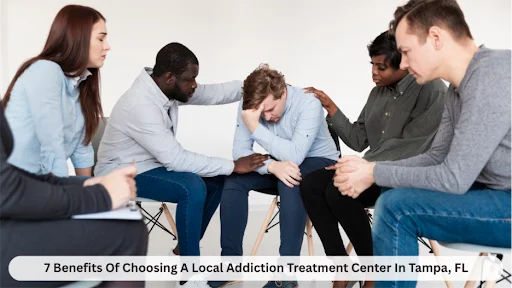
Are you struggling with substance use or mental health issues?
You are only one among many. Billions of people battle with these problems globally. As a victim, you must decide Addiction Treatment Center whether to stay where you are or find a treatment center miles away.
Although leaving your city or town gives you a breath of fresh air, the unfamiliarity can impact your social life and relationships. For that reason, many people choose addiction treatment facilities near their homes.
A local treatment center in Tampa, FL, adds comfort and familiarity to the equation. You can receive high-quality clinical care without feeling overwhelmed in a new city. This article analyzes the features and qualities of local addiction treatment centers, making them the best options.
1. A Support System Around You

As with a local addiction treatment center in Tampa, FL, you never leave your support system behind. In other words, you can effortlessly connect to friends or relatives who keep you in check. Therefore, you will never feel isolated as those you love are part of the process.
Many top-quality local centers leverage advanced family therapy and inclusive healing. They make it easy for your support system to attend sessions and offer the encouragement you need to battle the addiction monster.
2. Fewer Logistics and Less Stress
The early stages of addiction recovery focus on reducing cortisol levels and external pressure. People who choose facilities far from home introduce multiple logistical stresses. They end up anxious, delaying the recovery process because of the distractions that drain their mental energy.
Addicts who stay in the Tampa area remove the unwanted hurdles, creating a smoother on-ramp experience. Eliminating external noise ensures you can focus on therapeutic processes and personal growth.
3. Sunshine State Environment to Optimize Healing
In addition to quality programs, healing from addiction requires a serene environment. Local addiction treatments in the Tampa Bay area allow the victim to leverage the healing power of the sunshine.
You can make the most of the Gulf Coast’s warm climate and the serene Pinellas County’s coastal atmosphere. These thrilling atmospheres offer a calming backdrop that eases your mind and lowers your heart rate. The home-court advantage ensures your nervous system never overworks to adjust to the changing culture or climate.
4. Continuous Care via Telehealth

Many addicts struggle to transition from normal life to a high-support residential environment. The best thing about local centers in Tampa is their integration of local telehealth services with out-of-state programs.
These programs tether you to quality care, ensuring you maintain quality therapeutic relationships and progress despite being away from home. The providers are in the Tampa Bay area and are familiar with community challenges, local resources, and support groups. Consequently, all virtual sessions are robust, with therapists offering localized relapse prevention plans.
5. Immediate Access to Quality Care
The window of willingness is a courageous, fleeting moment when addicts decide to seek health. Because they have the willpower, they can capitalize on the momentum to recover fast. As with local addiction treatment centers, logistics are fewer, and access to services is almost instant.
You can book a space in your favorite treatment center to access near-immediate treatment. The instant response to your needs can motivate the healing process. Local facilities eliminate the distance barrier, ensuring you can begin your journey to healing the same day. The accessibility offers a sense of security, giving you the assurance of receiving care and attention when needed.
6. Access to Local Experts
Local addiction centers have trained clinicians who understand the local clients. These experts have deep knowledge of the environmental and cultural stressors. They understand social pressures and the local job market in Pinellas and Hillsborough counties. Because they know the neighbourhood triggers that can affect your sobriety, they can offer more tailored solutions.
Additionally, most local experts can speak your language, ensuring they personalize the program to your liking. When you work with a professional from your community, you can get superior therapy sessions. You can partner with a skilled clinical team with massive support networks and local resources. Personalized care guarantees better experiences.
7. You Can Build a Reliable Local Recovery Network

One exciting thing about a local rehabilitation facility is that, because of the local recovery network, you can build. Because you are in the same facility with people from your local home, you can continue with the friendship even after graduating from the facility. They can be your support system to navigate home life without a bustle. A local center connects individuals from your home area who can be your squad to be sober Addiction Treatment Center.
These built-in networks offer a safety net during vulnerable moments after the treatment. The transition into a sober lifestyle becomes easier and fun because you have a reliable team around you. Additionally, the localized connection transforms the experience into a sustainable lifestyle.
Wrapping Up
Many benefits are available with the best local treatment center in the Tampa Bay area. These benefits go beyond the geographical convenience. You can start your journey to sobriety with a reliable team of people from your community.
A local center is within your community, which eliminates the stress of traveling and moving away from home. The local placement ensures you can optimize your mental energy and achieve your sobriety goals. Because of the local availability, you can find purpose and stability within the world you live in. You have access to quality tools and relationships.
Hungry for more? We went deeper on this topic right here at Awareness Ideas.

As we age or navigate various life challenges, maintaining independence can become increasingly difficult. This is where live-in care proves to be a vital resource, offering support while allowing individuals to continue living in the comfort and familiarity of their own homes. This personalised care service ensures that a person’s day-to-day needs are met, without the necessity of moving to an unfamiliar environment like a care home. Yet, what exactly does live-in care involve, and how does it promote independent living? This article will delve into the significant role that live-in care plays in supporting an individual’s autonomy and quality of life.
What is Live-in Care?
Live-in care is a service where a professional caregiver resides in the individual’s home to provide round-the-clock assistance. This care model is ideal for those who require ongoing support but wish to remain in their own homes, be it due to ageing, a disability, or a chronic illness. The caregiver’s duties often include personal care, household tasks, and companionship, which are critical components in helping individuals manage their daily lives.
Benefits of Live-in Care Over Residential Care
The choice between live-in care and residential care often hinges on the desire for personal freedom and familiarity. Live-in care offers several advantages over traditional residential settings such as nursing homes. Notably, it allows individuals to maintain their normal routines and lifestyle preferences, guarding the familiarity of their own environment. Additionally, the one-on-one support provided by live-in caregivers ensures personalised attention, fostering a sense of emotional stability and companionship, crucial for mental well-being.
Enhancing Autonomy and Independence
Live-in care uniquely supports independence by providing the precise level of assistance needed. This flexibility empowers individuals to make their own choices about their daily activities, promoting dignity and self-esteem. Care plans are tailored to individual needs, allowing the person to engage in hobbies, social activities, and community involvement that they might otherwise forego. By accommodating individual preferences and rhythms, live-in care’s encourages a more fulfilling lifestyle.
Importance of Personalised Care
Personalised care’s is a cornerstone of the live-in care’s model, ensuring that the assistance provided is fit for purpose and person-centric. Through tailored care’s plans, live-in carers develop a deep understanding of the individual’s unique needs, preferences, and quirks. This intimate knowledge allows caregivers to provide support that is respectful and responsive, enhancing the individual’s quality of life. The specific focus on one-on-one care helps to significantly improve health outcomes and life satisfaction.
The Emotional and Social Impact of Live-in Care
Aside from physical support, live-in care has profound emotional and social benefits. Loneliness and isolation are common concerns for those living alone, especially as mobility and health decline. Regular interaction with a live-in caregiver can provide essential companionship and social interaction, reducing feelings of isolation significantly. Additionally, caregivers can facilitate social engagements and outings, keeping individuals actively involved in community and family life.

SSO CISD Login: Streamlining Access for Students, Parents, and Teachers

Billy Bernthal: The Quiet Life of Jon Bernthal’s Son Away from the Camera

ConroeISD SSO: Your All-Access Digital Pass to Streamlined Learning

The Cultural Impact of the Kentucky Derby Around the World

The best solar generator for RV life in 2026
-

 General6 months ago
Felixing: A Philosophy of Turning Simple Ideas into Wonders
-

 Health6 months ago
Lufanest: Effective Local Anesthesia with Fewer Risks
-

 Entertainment5 months ago
هنتاوي.com: Your Gateway to Arabic Anime Content
-

 General7 months ago
bardoek: The Artistic Heritage Inspiring Modern Creative Trends
-

 General6 months ago
Discover Anonib AZN: An Anonymous Asian Forum
-

 Fashion7 months ago
fashionisk .com – Your Ultimate Guide to Trendy, Smart Fashion
-

 General6 months ago
Euroyungs com Explained: Multi-Niche Hub or Risky Site?
-

 Lifestyle7 months ago
Mariano Iduba: A Visionary Leader in Global Digital Growth