
Business
How to Choose the Right Steel Supplier for Your Construction Project

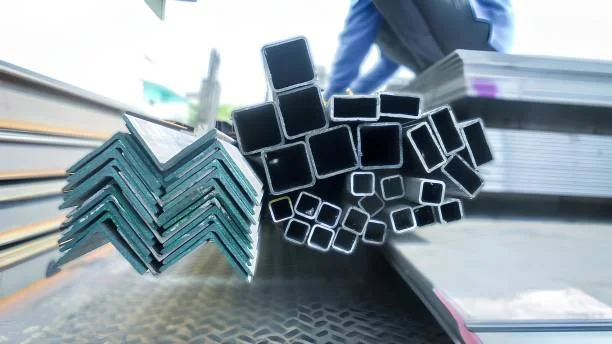
Steel is essential for construction, but choosing the right supplier is just as critical as the material itself. The supplier’s quality, availability, and service can significantly impact your project’s success. A reliable steel supplier helps contractors stay on schedule and within budget by ensuring consistent material quality, proper certifications, and dependable delivery. This reduces delays, minimizes risks, and supports smoother construction. As construction grows, contractors must carefully evaluate suppliers to ensure all materials meet structural requirements and industry standards.
Evaluate the Quality of Steel Materials
When choosing a steel supplier, the first thing to consider is material quality. Construction projects demand steel that meets strict safety and performance standards, as low-quality materials can compromise a building’s structural integrity, leading to costly repairs or safety issues. A reputable steel supplier in Salt Lake City will provide products like beams, plates, and tubing that comply with industry standards. Inquire about their certifications, manufacturing standards, and testing procedures to verify that the materials meet your project’s specifications. High-quality steel performs better under stress and exposure, ensuring buildings remain safe and durable for years to come.
Consider Inventory and Product Availability
Construction projects operate on tight schedules, and delays in material delivery can disrupt timelines and increase costs. That’s why it’s crucial to select a supplier with a well-stocked inventory of common steel products. A supplier with extensive stock is better equipped to handle sudden demand or last-minute changes. They can also offer a wider selection of products, like structural beams, plates, and pipes for various applications. Working with a supplier who can provide materials without long lead times helps contractors keep projects moving forward without unnecessary interruptions.
Look for Custom Fabrication Capabilities
Some construction projects require custom steel components tailored to specific structural needs. In these cases, working with a supplier that offers fabrication services is extremely beneficial. These services can include cutting, welding, bending, and shaping steel to meet your project’s specifications, allowing you to get precisely engineered components that fit perfectly into your construction plans. A steel supplier that provides custom fabrication can help simplify the building process by reducing the need for additional work on-site, which improves both efficiency and accuracy during installation. Projects with unique designs or specialized structures particularly benefit from suppliers with advanced fabrication capabilities.
Evaluate Delivery and Logistics Support
Reliable delivery is crucial when choosing a steel supplier, as construction sites depend on timely material arrival to maintain workflow and avoid costly downtime. A supplier with dependable transportation and scheduling support ensures your materials get to you exactly when needed. Organized logistics also reduce the risk of damage during transport. Since construction projects involve strict timelines and multiple contractors, steel deliveries must align with the overall schedule to keep the job site efficient. Clear communication, flexible scheduling, and dependable delivery services all contribute to a smoother building process, ensuring materials reach the site safely and on time.
Review Industry Experience and Reputation
Experience is a good indicator of a supplier’s ability to meet the demands of construction professionals. Those who have served the industry for many years tend to better understand the needs of contractors, engineers, and project managers. A well-established steel supplier often has a strong reputation for quality products and reliable service. Positive feedback from other construction professionals can offer valuable insight into their reliability. Experienced suppliers can also anticipate challenges and provide helpful guidance when selecting materials for specific applications, recommending appropriate products based on project requirements. Strong relationships between suppliers and construction professionals often lead to better service, smoother communication, and improved project outcomes.
Compare Pricing Without Sacrificing Quality
Cost is a crucial factor in any construction project, but choosing the cheapest supplier isn’t always the best decision, as extremely low prices may indicate lower-quality materials or limited services. A good supplier offers fair, competitive pricing while maintaining high product standards, ensuring builders get durable materials without exceeding their budget. Contractors should compare multiple suppliers, evaluating both price and service quality to find the best overall value. Transparent pricing, clear quotes, and detailed product specifications are essential for making informed purchasing decisions.
Conclusion
Choosing the right steel supplier is crucial for a successful construction project. Quality materials, reliable delivery, industry experience, and fabrication capabilities are all key factors that support an efficient building process. By carefully evaluating suppliers, contractors can find a dependable partner who provides the necessary materials and services for any project size. This allows construction teams to focus on building safe, durable structures that will stand the test of time.

Do you ever think about how businesses send products from warehouses to customers smoothly every day?
Shipping and delivery are important parts of business operations. When logistics systems run in an organized way, orders move faster, teams work comfortably, and customers receive their packages on time.
Many businesses improve their shipping process with simple planning and clear communication between teams. When packing, tracking, and delivery steps stay well coordinated, daily operations become more organized.
Small improvements in logistics habits often bring steady results and support long-term business growth.
Understanding The Basics Of Efficient Logistics
Efficient logistics starts with clarity in the shipping process. When businesses know how orders move from inventory shelves to customer doors, every step becomes easier to manage. Organized systems also help teams stay focused and avoid confusion.
Clear planning, proper packaging, accurate order tracking, and consistent communication create a smooth delivery structure. Even simple steps such as labeling parcels properly and scheduling dispatch times carefully help maintain a steady workflow.
Creating A Simple Shipping Workflow
A structured shipping workflow allows businesses to manage orders efficiently every day. Teams that follow a consistent process often complete tasks faster and maintain accuracy.
A basic shipping workflow usually includes steps such as:
- Order confirmation
- Inventory picking
- Secure packaging
- Shipping label creation
- Dispatch scheduling
- Delivery tracking
When employees follow these steps regularly, the shipping process stays organized and predictable.
Organizing Warehouse Operations
Warehouse organization plays a large role in delivery efficiency. When products are arranged properly on shelves, order picking becomes quicker and easier.
Businesses often use simple methods such as grouping similar products together or labeling storage sections clearly. These small adjustments save time during busy order periods and allow teams to complete packing tasks comfortably.
Improving Delivery Planning And Coordination
Delivery planning supports the entire logistics process. When dispatch schedules are clear and drivers follow planned routes, shipments move efficiently, and customers receive updates about their packages.
Planning delivery routes carefully also helps reduce travel time and keeps drivers working in an organized schedule.
Using Smart Delivery Tracking Systems
Technology now helps businesses monitor deliveries more clearly. Many companies use digital tools such as delivery tracking systems to manage daily shipments.
For example, many logistics teams use delivery management software to organize dispatch schedules, track vehicles, and monitor delivery progress. These tools allow managers to view shipment updates in real time and coordinate tasks between warehouse teams and drivers.
Accurate tracking also builds trust because customers receive clear information about their deliveries.
Coordinating Drivers And Dispatch Teams
Good communication between dispatch teams and drivers helps maintain smooth operations. When drivers know their routes and schedules in advance, they can focus on safe and timely deliveries.
Many businesses hold short daily meetings before dispatch time. During these meetings, teams review delivery lists, confirm addresses, and discuss any special instructions. This habit keeps everyone informed and ready for the day’s tasks.
Strengthening Packaging And Handling Practices
Packaging plays an important role in shipping efficiency. Well-packed parcels protect products during transport and help drivers manage packages easily during delivery.
Businesses that use proper packaging materials often experience smoother handling during shipping.
Choosing Suitable Packaging Materials
Strong boxes, protective wrapping, and clear labeling support safe transportation. Many companies also keep standard packaging sizes to maintain consistency during packing.
Standardized packaging provides several advantages:
• Faster packing process
• Organized storage in delivery vehicles
• Clear labeling for drivers
• Efficient stacking during transport
These simple practices help maintain order throughout the logistics process.
Clear Address Labeling
Accurate labeling supports quick delivery. Each parcel should include a clearly printed shipping label with the full address, contact number, and order details.
Many companies print digital labels directly from order systems. This reduces manual writing and improves accuracy during dispatch.
Coordinating Transportation And Moving Services
Transportation partners also contribute to delivery efficiency. Businesses sometimes collaborate with logistics providers or transport teams that assist with product movement between warehouses and distribution centers.
In many logistics operations, professional movers help manage bulk shipments, warehouse relocation, or large product transfers. Their experience with safe handling and organized loading supports the smooth movement of goods between locations.
When transport teams work in coordination with warehouse managers, shipments move in an orderly and predictable manner.
Scheduling Transport Efficiently
Delivery schedules often work best when planned. Businesses typically group shipments by location or delivery zones so that drivers follow logical routes.
This simple practice saves time during daily operations and keeps vehicles moving efficiently throughout the day.
Maintaining Vehicle Readiness
Delivery vehicles should always remain prepared for daily dispatch tasks. Many businesses schedule regular vehicle checks to ensure smooth operation.
Drivers often inspect basic items before leaving the warehouse, such as fuel levels, tire condition, and parcel arrangement inside the vehicle. These small routines support organized deliveries.
Using Technology To Support Logistics Efficiency
Modern technology plays an important role in improving logistics operations. Digital tools help businesses monitor shipments, manage inventory, and communicate with delivery teams easily.
Warehouse software systems often connect with order platforms, allowing automatic updates for packing and dispatch tasks.
Digital Inventory Tracking
Inventory tracking systems help businesses know exactly where products are stored inside warehouses. When order picking begins, employees can quickly locate items without searching through shelves.
This type of system keeps warehouse operations smooth and organized.
Delivery Notifications For Customers
Many businesses send automated delivery updates to customers through text messages or email notifications. These updates inform customers when orders are dispatched and when drivers are nearby.
Customers appreciate these updates because they help them prepare for package arrival.
Training Teams For Smooth Logistics Operations
Employees play a key role in successful shipping and delivery systems. When teams understand their responsibilities clearly, daily logistics tasks become easier to manage.
Training sessions help employees learn packaging methods, warehouse organization practices, and delivery procedures.
Building A Collaborative Work Environment
Logistics teams often perform better when departments communicate openly. Warehouse teams, dispatch managers, and delivery drivers benefit from regular communication.
A collaborative environment allows employees to share ideas and improve existing processes together.
Encouraging Consistent Work Habits
Consistency supports efficiency in logistics operations. Teams that follow regular procedures for packing, labeling, and dispatching shipments usually complete their tasks with confidence.
Managers often create simple checklists that employees follow during each step of the shipping process. These checklists help maintain quality and organization.
Reviewing Logistics Performance Regularly
Businesses often review their logistics operations to identify opportunities for improvement. Regular reviews allow teams to analyze delivery times, order accuracy, and shipping volumes.
This information helps managers adjust schedules and improve workflow planning.
Monitoring Delivery Timelines
Tracking delivery timelines provides useful insights about shipping performance. When managers review delivery data, they can identify patterns and maintain steady service levels.
Listening To Customer Feedback
Customer feedback also helps businesses refine their delivery process. Comments about delivery speed, packaging quality, and communication provide valuable suggestions for improvement.
Businesses that pay attention to customer feedback often develop stronger logistics systems.
Final Thoughts
Shipping and delivery play an essential role in business operations. With organized warehouse management, thoughtful delivery planning, reliable transportation coordination, and supportive technology, logistics systems can run smoothly every day. Simple routines, trained teams, and consistent communication help businesses maintain efficient shipping operations while ensuring customers receive their products comfortably and on time.
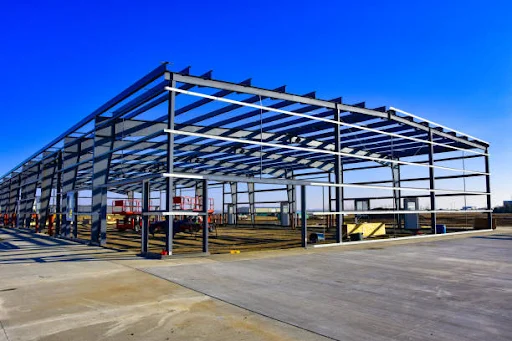
Are you planning a commercial building and thinking about how steel structures can make construction smooth and organized?
Many builders and business owners prefer steel buildings because they offer strong structure, faster construction timelines, and flexible design options. With the right planning and practical construction steps, a steel building project can move forward in a well-organized way while maintaining quality and durability.
Commercial steel structures are widely used for warehouses, workshops, retail spaces, agricultural facilities, and industrial units. Their popularity comes from strength, durability, and efficient construction methods. When the planning, installation, and structural design are handled carefully, steel buildings support long-term reliability and functionality.
Proper Planning Before Starting Construction
Planning is one of the most important parts of building a commercial steel structure. Before construction begins, a clear plan helps organize materials, labor, timelines, and building requirements.
Careful planning allows builders to use resources efficiently and maintain smooth coordination between engineers, architects, and construction teams.
Site Evaluation And Preparation
The first step in any commercial building project is understanding the construction site. The land condition, soil strength, drainage system, and surrounding infrastructure help determine the building layout and foundation requirements.
A well-prepared construction site allows the installation team to work comfortably. Proper leveling of land, clear access roads for materials, and safe storage space for structural components help keep the building process organized.
Structural Design Planning
Structural design ensures that the steel framework fits the purpose of the building. Engineers calculate load capacity, roof design, wind resistance, and interior spacing.
Many modern commercial projects use pre engineered steel buildings because these structures are manufactured with precise measurements before reaching the site. This approach allows components to fit accurately during installation, which helps the construction process move in a structured manner.
Selecting Quality Steel Components
The strength of a commercial steel building depends largely on the materials used in the framework. High-quality steel ensures durability and structural reliability for years.
Builders usually choose steel components that meet structural standards and construction guidelines. When steel sections, beams, columns, and panels are produced with accurate specifications, installation becomes smoother.
Importance Of Standardized Components
Standardized components help construction teams assemble the building efficiently. Since the steel parts are manufactured with precise dimensions, they connect properly during installation.
Standardized steel elements offer several advantages:
• Accurate fit during installation
• Reduced construction time
• Consistent structural strength
• Organized assembly process
These benefits support efficient construction and help maintain the overall stability of the building.
Transportation And Storage Of Materials
Steel components are often manufactured off-site and transported to the construction location. Proper transportation methods keep materials protected during transit.
Once the materials reach the construction site, storing them in an organized manner helps workers locate the required components easily. Labeling structural parts and stacking them carefully ensures the installation process moves smoothly.
Efficient Installation Techniques
After planning and material preparation, installation becomes the most visible stage of the construction project. Skilled coordination between workers, engineers, and supervisors supports efficient progress.
Organized Assembly Process
Steel buildings are often assembled in stages. The installation typically begins with columns and main structural frames, followed by beams, roof supports, and wall panels.
A simple step-by-step approach helps construction teams maintain efficiency:
- Installing foundation bolts and base plates
- Erecting steel columns
- Connecting roof beams and structural supports
- Installing roof panels and wall sheets
- Adding interior framing and finishing components
When these steps are followed in sequence, the entire structure gradually takes shape in a stable and organized way.
Equipment And Safety Support
Construction teams use cranes, lifting equipment, and alignment tools to position steel components accurately. These tools help workers place large structural elements with precision.
For industrial or manufacturing spaces, safety equipment is also considered during the building layout. For example, installing an eyewash station within the facility supports workplace safety by providing quick access to eye-washing equipment for workers in operational areas.
Including safety infrastructure during the design stage helps create a responsible and organized work environment.
Smart Foundation Design For Steel Buildings
The foundation forms the base of any commercial building. A strong foundation supports the steel structure and distributes weight evenly across the ground.
Types Of Foundations Used
Different types of foundations are used depending on soil conditions and building size. Common foundation types include:
• Concrete slab foundations
• Pier foundations
• Reinforced concrete footings
Engineers select the foundation type based on structural load requirements and site conditions.
Alignment And Structural Balance
Accurate alignment during foundation construction ensures the steel framework fits perfectly. When anchor bolts and base plates are placed correctly, the steel columns can be installed smoothly.
Construction teams often use leveling tools and measurement instruments to maintain structural balance. This step supports the precise assembly of steel components and helps maintain stability.
Efficient Roofing And Wall Installation
After the main structure is assembled, roofing and wall systems complete the building enclosure. These elements provide protection from the weather and help maintain interior comfort.
Roofing Systems For Steel Buildings
Steel buildings often use metal roof panels that attach directly to structural beams. These panels provide durability and support long service life.
Roof insulation materials are also used to maintain comfortable indoor temperatures. Insulation supports energy efficiency and helps maintain a pleasant indoor environment for workers or storage materials.
Wall Panels And Exterior Finishing
Wall panels complete the external appearance of the building. Many steel buildings use insulated metal panels or steel sheets that attach to the framework.
Exterior finishing elements such as doors, windows, ventilation systems, and lighting fixtures are installed after the main wall panels are secured. These components help the building function effectively for commercial operations.
Interior Layout Planning
Interior planning plays an important role in the functionality of a commercial steel building. The open structural design allows flexible interior arrangements that support different operational needs.
Efficient Use Of Interior Space
Steel buildings often include wide open spans without interior columns. This design creates spacious interiors that support machinery placement, storage areas, or production lines.
Businesses can arrange equipment, workstations, and storage racks according to operational requirements. This flexibility allows the building to adapt easily as the business grows.
Lighting And Ventilation Planning
Proper lighting improves the productivity and comfort of the workspace. Many steel buildings include skylights, LED lighting systems, and large windows to maintain bright interiors.
Ventilation systems also help maintain airflow and temperature balance inside the building. Natural ventilation openings and mechanical systems work together to maintain fresh indoor air.
Regular Maintenance For Long-Term Performance
Steel buildings support long service life when basic maintenance routines are followed. Regular inspections help ensure that structural components remain secure and functional.
Maintenance activities usually include checking roof panels, inspecting connections, and keeping drainage systems clear. Cleaning exterior surfaces and maintaining protective coatings also supports long-term structural durability.
These simple maintenance practices allow the building to continue performing efficiently for many years.
Final Thoughts
Commercial steel buildings offer strength, organized construction methods, and flexible interior layouts. With proper planning, quality materials, and structured installation processes, these buildings support efficient construction and long-term reliability. When engineers, builders, and project teams coordinate carefully, a steel building project progresses smoothly and results in a strong, functional structure suitable for many commercial purposes.


Back taxes can create a heavy financial burden for individuals and business owners who are trying to move forward while dealing with past tax obligations. Penalties, interest, and enforcement actions can grow quickly, turning a manageable issue into a long-term financial problem. Many people attempt to resolve these matters on their own, only to discover that tax laws, filing rules, and negotiation procedures are far more complex than expected. We will explore how working with a tax litigation attorney can reduce financial strain by identifying legal options, correcting filing issues, negotiating with authorities, and preventing unnecessary penalties that often increase the total amount owed over time.
Practical Ways Tax Litigation Attorneys Reduce the Cost of Back Taxes
1. Identifying Errors in Past Tax Filings That Increase Your Liability
One of the first ways a tax litigation attorney can help reduce back tax obligations is by carefully reviewing past tax returns and financial records to identify mistakes that may have inflated the amount owed. Many taxpayers unknowingly submit inaccurate returns due to misunderstandings about deductions, reporting requirements, or income classification. These errors may lead to higher assessed taxes and additional penalties. A legal professional familiar with tax dispute procedures can evaluate whether the assessment is correct and determine if amendments or corrections are possible.
In some cases, recalculating a return or submitting missing documentation can significantly lower the official balance. This process also involves reviewing notices from tax authorities and determining whether the agency’s calculations are accurate. A firm such as Ayar Law, known among tax litigation attorneys in Grand Rapids, often begins with this type of detailed evaluation because it creates a clear picture of what the taxpayer truly owes rather than relying solely on the initial assessment issued by tax authorities.
2. Negotiating Penalty Reductions and Interest Relief
Penalties and accumulated interest are often responsible for a large portion of back tax balances. When taxes remain unpaid for months or years, the added fees can exceed the original tax amount. A tax litigation attorney can negotiate with tax authorities to request penalty reductions or relief programs that lower the overall balance. These negotiations require knowledge of administrative procedures and the ability to present evidence demonstrating a taxpayer’s eligibility for relief.
For example, circumstances such as financial hardship, serious illness, natural disasters, or incorrect tax guidance may justify a reduction of penalties. When presented properly, these factors may convince the tax agency to reconsider how penalties were applied. Attorneys also understand the documentation required to support these requests, which improves the likelihood of approval. By reducing penalties and limiting further interest accumulation, taxpayers can often settle their obligations for significantly less than the original assessed amount.
3. Structuring Affordable Payment Arrangements
Even after penalties are reduced, paying back taxes in a single payment may still be unrealistic for many individuals and businesses. Tax litigation attorneys can help structure payment arrangements that align with a taxpayer’s financial capacity while preventing aggressive enforcement actions. Instead of facing sudden bank levies or wage garnishments, taxpayers may be able to establish installment agreements that spread payments over a longer period. The key advantage of legal representation in this process is the ability to present financial information in a way that demonstrates realistic repayment capacity.
Attorneys evaluate income, living expenses, and existing debts to propose payment terms that remain manageable over time. Without this structured approach, taxpayers may accept arrangements they cannot sustain, which leads to default and additional penalties. Legal guidance ensures the repayment plan reflects the taxpayer’s true financial situation while keeping the resolution process moving forward without escalating enforcement measures.
4. Protecting Assets from Aggressive Collection Actions
When back taxes remain unresolved, tax authorities may begin aggressive collection actions such as liens, property seizures, or wage garnishments. These actions can disrupt personal finances, damage credit, and interfere with business operations. A tax litigation attorney works to prevent or limit these measures by communicating directly with tax authorities and asserting the taxpayer’s legal rights during the collection process. In many cases, enforcement actions occur because taxpayers fail to respond to official notices or do not understand the deadlines involved in tax disputes.
Legal representation ensures that responses are submitted on time and that taxpayers have the opportunity to challenge collection steps before they escalate. Attorneys can also request hearings or administrative reviews when enforcement actions appear excessive or unsupported by the taxpayer’s financial condition. Firms such as Ayar Law assist clients in navigating these procedures, which often helps preserve assets while negotiations or dispute resolutions are underway.
Back taxes do not have to remain an overwhelming financial problem when the right legal strategies are applied. Through careful review of tax filings, negotiation of penalty reductions, structured repayment planning, protection against aggressive collections, and representation in disputes, tax litigation attorneys can significantly reduce the financial burden of unpaid taxes. Each step focuses on correcting errors and ensuring taxpayers are not paying more than they legally owe. When handled properly, these actions transform a stressful tax situation into a manageable resolution process. Working with a qualified legal professional enables individuals and businesses to regain financial stability while responsibly resolving outstanding tax obligations.

6 Simple Tips to Avoid Major Roadside Headaches

Why Sleep Hygiene Matters More Than You Think

How to Choose the Right Steel Supplier for Your Construction Project

6 Routine Checks That Make Repairs Faster

Practical Electric Bike Tips For Better Performance And Longer Battery Life
-

 General6 months ago
Felixing: A Philosophy of Turning Simple Ideas into Wonders
-

 Health6 months ago
Lufanest: Effective Local Anesthesia with Fewer Risks
-

 Entertainment5 months ago
هنتاوي.com: Your Gateway to Arabic Anime Content
-

 General7 months ago
bardoek: The Artistic Heritage Inspiring Modern Creative Trends
-

 General5 months ago
Discover Anonib AZN: An Anonymous Asian Forum
-

 Fashion7 months ago
fashionisk .com – Your Ultimate Guide to Trendy, Smart Fashion
-

 Lifestyle7 months ago
Mariano Iduba: A Visionary Leader in Global Digital Growth
-

 General5 months ago
Euroyungs com Explained: Multi-Niche Hub or Risky Site?