
Home Improvement
How Smart Thermostats Improve Airflow and Efficiency


Modern HVAC systems are no longer limited to simple on-and-off temperature control. With the rise of connected devices, homeowners now have access to smart thermostats that do far more than adjust indoor climate. These devices integrate sensors, learning algorithms, and system feedback to refine airflow in a building. We will explore how smart thermostats improve airflow and operational efficiency without requiring a complete system overhaul. By managing runtime, coordinating with ductwork, and analyzing environmental data, these controls enhance comfort while reducing strain on heating and cooling equipment. Understanding their impact helps property owners make informed decisions about performance, energy use, and long-term system reliability.
Key Mechanisms That Enhance Airflow and Efficiency
- Data-Driven Temperature Regulation and Balanced Runtime Cycles
Smart thermostats rely on continuous data collection rather than static setpoints. Traditional thermostats activate heating or cooling once the temperature crosses a threshold, often leading to short cycling or uneven distribution. In contrast, smart systems monitor temperature trends, humidity levels, and usage patterns. By extending or shortening runtime cycles in measured increments, they maintain consistent airflow through supply registers and return vents.
Longer, controlled cycles allow conditioned air to circulate more evenly across rooms, reducing temperature stratification. This balanced operation minimizes pressure imbalances in ductwork, which can otherwise cause restricted airflow or backdrafting. Additionally, gradual adjustments reduce mechanical stress on blowers and compressors, helping preserve internal components. When paired with services from One Stop Heating and Air Conditioning, the outcome is a coordinated airflow pattern that sustains comfort while preventing unnecessary spikes in energy consumption.
- Integration with Variable-Speed Blowers and Zoning Systems
One significant advancement in HVAC design involves variable-speed air handlers and zoning dampers. Smart thermostats communicate directly with these components to regulate airflow output based on demand. Instead of pushing maximum airflow at all times, the thermostat instructs the blower motor to adjust speed incrementally. This precise modulation ensures that the air volume matches occupancy and thermal-load conditions. In zoned systems, dampers open or close to direct airflow only where it is needed, eliminating waste in unused rooms.
By controlling airflow distribution at a granular level, smart thermostats reduce static pressure buildup and prevent hot or cold pockets from forming. The system operates more smoothly because airflow resistance is actively managed. This coordination not only increases efficiency but also improves indoor air mixing, reducing stagnation and promoting consistent circulation throughout the property.
- Humidity Monitoring and Indoor Air Quality Optimization
Airflow efficiency is closely linked to humidity control. Excess moisture can make indoor spaces feel warmer, prompting traditional systems to overcool to reach a comfort threshold. Smart thermostats incorporate humidity sensors that differentiate between temperature discomfort and moisture imbalance. By adjusting fan speeds or activating dehumidification cycles strategically, they maintain optimal moisture levels without excessive cooling. Balanced humidity supports healthier airflow patterns because air density and comfort perception are stabilized.
When humidity remains within recommended parameters, the system avoids prolonged runtime that could otherwise strain ductwork and evaporator coils. Furthermore, some smart thermostats integrate with air-purification or ventilation components, enabling coordinated responses based on indoor air-quality data. The device may temporarily increase airflow to disperse pollutants or to redistribute filtered air. Through this holistic management, airflow becomes purposeful rather than reactive, contributing to sustained efficiency across seasons.
- Adaptive Learning and Predictive Scheduling Capabilities
Unlike manual thermostats that rely solely on user input, smart thermostats learn behavioral patterns over time. They detect occupancy trends, preferred temperature ranges, and daily routines, then create predictive schedules. This adaptive capability reduces abrupt demand spikes that can disrupt airflow consistency. For example, instead of rapidly increasing output when residents return home, the thermostat gradually conditions the space beforehand. This staged approach allows air to circulate steadily, preventing uneven distribution and sudden pressure changes within duct networks.
Predictive scheduling also reduces idle runtime, ensuring the blower operates only when necessary. By smoothing demand curves, the thermostat keeps airflow rates stable and prevents overcompensation. The cumulative effect is improved efficiency, as the HVAC system expends less energy correcting dramatic temperature swings. Over months of operation, these incremental adjustments translate into measurable reductions in overall consumption while maintaining a balanced indoor climate.
- Remote Diagnostics and Performance Feedback Loops
Smart thermostats provide real-time feedback on system performance, enabling proactive maintenance decisions. Through mobile applications or integrated dashboards, users can monitor runtime duration, airflow consistency, and energy usage trends. When irregularities occur, such as extended runtime or inconsistent temperature readings, the thermostat can issue alerts. These notifications prompt timely inspection of filters, duct connections, or blower components before airflow becomes restricted. Early detection prevents inefficiencies caused by clogged filters or minor duct leaks.
Some models even transmit performance data to HVAC professionals for remote diagnostics, allowing for targeted interventions. By maintaining optimal airflow conditions, the system avoids excessive strain and energy waste. Continuous monitoring establishes a feedback loop in which performance metrics inform adjustments. Over time, this process ensures the HVAC system operates within intended parameters, supporting sustained airflow quality and mechanical longevity.
Smart thermostats represent a substantial evolution in climate control technology. Rather than functioning as simple temperature switches, they coordinate airflow dynamics, humidity balance, and equipment runtime with precision. By maintaining balanced pressure within duct systems and smoothing operational cycles, these devices reduce inefficiencies that often go unnoticed. The result is improved comfort, consistent air distribution, and lower operational strain on heating and cooling equipment. For property owners seeking to enhance performance without replacing entire systems, smart thermostats offer a practical way to optimize airflow and achieve sustainable efficiency.


Do you ever think about how people keep their property and business places safe while also keeping everything organized Protection For Property and comfortable?
Many property owners and business managers focus on simple habits and smart planning to keep their spaces well-protected. Safety planning does not require complex systems or heavy processes. With thoughtful steps, a property can remain secure, welcoming, and well-managed at the same time.
When people give attention to safety from the start, it builds confidence among staff, visitors, and customers. A well-organized property shows that the place is managed carefully and responsibly. From building structure to daily monitoring, every small step adds value to overall protection.
Creating A Safe And Organized Property Environment
Every safe property begins with planning. Property owners often start by checking the layout of the building, entrances, and surrounding areas. When spaces are organized and clearly structured, managing safety becomes smoother.
Clear pathways, proper lighting, and visible entry points help people move comfortably while also maintaining control over the area. A clean and organized environment naturally supports safety because everything stays visible and easy to monitor.
Understanding Entry And Exit Points
Entry and exit points play an important role in property safety. Businesses often manage these areas carefully so that staff, visitors, and delivery services move through the building in an organized way.
Modern solutions, such as access control systems London, help property managers maintain structured entry points. These systems allow authorized individuals to enter specific areas while keeping overall building movement organized. It helps maintain a calm environment where staff and visitors feel comfortable.
Many workplaces appreciate systems like these because they create a simple routine for daily operations while also maintaining a sense of order.
Keeping Workspaces Well Lit And Visible
Lighting plays an important role in maintaining safety for both property and business environments. Bright and balanced lighting supports visibility in parking areas, entrances, corridors, and storage spaces.
People feel comfortable walking through areas where lighting is clear and consistent. It also helps staff perform their tasks with confidence and awareness.
Business owners often check lighting conditions regularly to maintain a pleasant and secure environment for everyone.
Choosing Strong And Reliable Building Structures
A building’s physical structure forms the foundation of safety and protection. When a building is built with durable materials and thoughtful planning, it naturally supports long-term stability and security.
Construction choices can make a meaningful difference in how a property performs over time.
Benefits Of Durable Construction Materials
Many modern commercial spaces use pre engineered steel buildings because they offer strength and consistent structure. Steel construction allows buildings to remain stable and organized while also supporting flexible layouts for offices, storage, and production spaces.
These structures support clear internal layouts, which makes safety management easier. Wide open floor areas improve visibility and allow equipment and workstations to be arranged practically.
Businesses appreciate construction methods that combine durability with efficient space planning.
Planning Layout For Better Safety
The internal layout of a building also supports safety planning. When work areas, storage rooms, and equipment spaces are clearly separated, daily operations become smoother.
Property managers often focus on these basic ideas when planning layouts:
• Clear walkways for staff movement
• Dedicated areas for equipment and supplies
• Visible emergency exits
• Organized storage spaces
When everything has its place, people move confidently and tasks remain well coordinated.
Training Staff For Safety Awareness
A safe property is supported by people who understand their surroundings. Staff awareness plays a big role in maintaining protection for workplaces and buildings.
Simple training sessions help employees stay aware of safety routines and daily procedures.
Basic Safety Awareness Practices
Employees can easily maintain safety when they follow simple daily habits. These habits become part of normal workplace routines.
- Keeping entry doors closed after use
- Reporting maintenance needs promptly
- Maintaining clear walkways in work areas
- Following organized storage practices
These small actions help maintain a smooth working environment where safety stays consistent.
Encouraging Team Responsibility
Safety becomes stronger when everyone in the workplace participates. Team responsibility encourages staff to take pride in maintaining a secure and organized space.
Managers often encourage open communication so employees can share suggestions about improving the workspace. When people feel involved, safety practices become natural and easy to maintain.
Using Technology For Property Monitoring
Modern technology offers helpful tools that support property safety. These systems allow property managers to stay aware of daily activity within buildings and surrounding areas.
Technology adds an extra layer of organization that supports human awareness.
Smart Monitoring Systems
Monitoring systems help keep track of activity around entrances, corridors, and storage areas. These systems allow property managers to review building activity in an organized way.
Digital monitoring also supports staff when managing larger facilities. It allows quick observation of different areas without interrupting daily operations.
Many businesses use these tools because they help maintain a balanced and organized property environment.
Alarm And Notification Systems
Alarm systems provide helpful alerts when certain events occur. These alerts help staff respond quickly and keep operations running smoothly.
Notification systems can also support building management by informing staff about access activity, system checks, or scheduled maintenance reminders.
These systems add an extra layer of coordination for businesses that manage large spaces.
Maintaining Outdoor Property Safety
The safety of a property extends beyond the building walls. Outdoor areas such as parking spaces, walkways, and entrances also contribute to overall protection.
Property owners often include outdoor safety planning as part of their regular maintenance routine.
Clean And Organized Outdoor Spaces
Outdoor spaces look more welcoming when they remain clean and well-organized. Clear parking lines, visible walkways, and trimmed greenery help people move comfortably around the property.
Maintenance teams often check outdoor areas regularly to ensure lighting, pathways, and signage remain in good condition.
A well-maintained exterior creates a positive impression and supports a sense of safety.
Clear Signage And Directions
Clear signs help visitors understand where to park, where to enter, and where to walk. This simple step keeps movement organized and reduces confusion.
Businesses often use visible directional signs so customers and delivery teams can easily locate entrances and service areas.
This type of organization helps maintain smooth daily activity across the property.
Regular Maintenance And Safety Checks
Routine maintenance plays a key role in property safety. When systems and structures receive regular attention, they continue working efficiently for many years.
Property managers often create simple schedules for maintenance inspections.
Monthly Property Review
A monthly review helps keep everything functioning properly. Property managers often check:
• Lighting systems
• Entry doors and locks
• Monitoring equipment
• Storage and workspace organization
These checks allow property owners to maintain a reliable environment where everything works as expected.
Long Term Maintenance Planning
Long-term maintenance planning ensures that buildings remain strong and comfortable for staff and visitors. This includes checking structural elements, reviewing safety equipment, and planning future improvements when needed.
Consistent attention to property care keeps spaces organized and ready for everyday activities.
Final Thoughts
Improving safety and protection for property and businesses becomes achievable through thoughtful planning, reliable building structures Protection For Property, organized workspaces, and staff awareness. When property owners focus on simple habits such as maintenance, lighting, and controlled entry points, the entire environment becomes more comfortable and well-managed. A balanced combination of planning, teamwork, and smart technology allows businesses to maintain secure and welcoming spaces for everyone who visits or works there.
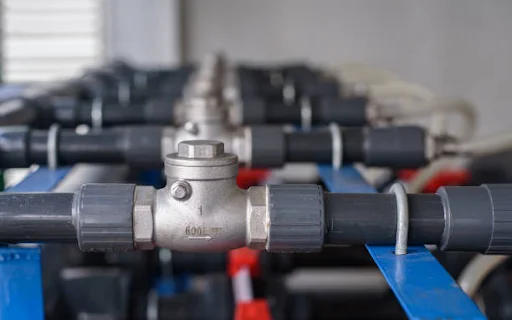
Have you ever thought about how industrial pipelines keep fluid moving smoothly in one direction without flowing back?
In many commercial systems, a check valve quietly performs this role every day. It works automatically, helps equipment operate smoothly, and supports stable flow inside pipelines.
In industries such as manufacturing, water systems, and construction facilities, check valves help maintain consistent performance. When these valves are used properly and maintained with care, they continue working for a long time and support the overall efficiency of the system.
Understanding how to use and maintain commercial check valves can help technicians, engineers, and facility managers keep equipment running comfortably.
Understanding The Role Of Commercial Check Valves
Check valves play an important role in pipeline systems. Their main function is to allow fluid or gas to move in one direction while preventing reverse flow. This simple working principle helps protect pumps, compressors, and other equipment.
In commercial setups such as water treatment plants, industrial processing units, and mechanical systems inside large buildings, check valves maintain smooth fluid control. Their automatic operation reduces the need for constant manual monitoring.
How Check Valves Work In Industrial Systems
A check valve opens when fluid flows in the correct direction. The pressure of the fluid pushes the internal component, allowing flow through the pipeline. When the flow slows or stops, the valve gently closes and keeps the fluid from moving backward.
This natural mechanism helps protect pumps and piping systems. It also supports stable pressure levels and maintains consistent performance in industrial equipment.
Some common types of commercial check valves include swing check valves, lift check valves, and spring-loaded check valves. Each type serves specific industrial requirements depending on flow speed and pressure conditions.
Choosing The Right Valve For Industrial Applications
Selecting the proper valve type helps maintain reliable pipeline performance. Each system has different flow requirements, pipe sizes, and operating conditions, so choosing the right valve design makes a meaningful difference.
Understanding Different Valve Types
Industrial systems often use several types of valves to regulate flow. Along with check valves, many pipeline setups include flow control components like ball valves that allow operators to control fluid movement manually when required.
Check valves, however, operate automatically and maintain one-directional flow. Because of this, they complement other valve types within larger pipeline networks.
Each valve type serves a specific function:
• Swing check valves support systems with steady fluid flow
• Lift check valves operate well in vertical piping
• Spring-loaded check valves respond quickly to pressure changes
Selecting the right valve based on the pipeline design helps maintain long-term reliability and stable operation.
Installation Practices That Support Long-Term Performance
Proper installation helps a check valve function correctly from the beginning. A well-installed valve supports smooth flow and reduces mechanical stress on surrounding components.
Correct Valve Orientation
During installation, the valve must face the correct flow direction. Most valves include a flow arrow on the body that indicates the correct orientation. Aligning the valve with this arrow helps fluid move smoothly through the pipeline.
A properly oriented valve ensures the internal mechanism opens and closes naturally during operation.
Maintaining Proper Pipe Alignment
Pipe alignment also supports valve performance. When pipes connect smoothly without unnecessary strain, the valve remains balanced inside the system.
Technicians often ensure:
• Pipes are aligned before tightening connections
• Adequate support brackets are installed along the pipeline
• Vibration from nearby equipment is minimized
These steps help maintain smooth mechanical operation for long periods.
Regular Inspection Supports Consistent Operation
Routine inspection helps keep commercial valves working efficiently. Checking valves periodically allows facility teams to observe system performance and maintain operational consistency.
Monitoring Flow Performance
During inspection, technicians observe the flow behavior in the pipeline. Smooth flow and stable pressure levels indicate the valve is working properly.
If fluid moves evenly through the system, it confirms that the valve opens and closes at the correct time.
Cleaning And Preventive Care
Clean pipeline conditions support efficient valve operation. Over time, small particles from fluid systems may accumulate inside pipes. Regular cleaning helps maintain smooth valve movement.
Technicians often perform maintenance steps such as:
• Flushing pipelines during scheduled maintenance
• Checking internal valve movement during servicing
• Ensuring seals and connections remain secure
These routine actions support reliable operation and extend the service life of the valve.
Supporting Industrial Infrastructure With Quality Systems
Check valves are commonly installed in facilities where large infrastructure systems operate daily. Many industrial buildings and production units use strong structural frameworks that support heavy equipment and pipeline networks.
Structural Planning In Industrial Facilities
Industrial buildings often include strong frameworks that support piping systems, pumps, and fluid management equipment. In many commercial facilities, construction teams use durable structures such as pre engineered steel buildings because these buildings provide wide interior space and organized layouts for installing mechanical systems.
Such structures allow engineers to plan pipeline routing clearly and maintain accessible maintenance areas for valves and other equipment.
Training And Awareness For Maintenance Teams
Well-informed technicians help maintain industrial equipment efficiently. Training staff about valve operation and maintenance procedures ensures systems continue running smoothly.
Understanding Valve Performance Indicators
Maintenance teams often observe several indicators when checking valve performance:
- Smooth pipeline pressure levels
- Stable fluid flow direction
- Proper valve closure after flow reduction
When technicians understand these indicators, routine inspection becomes more efficient and accurate.
Documenting Maintenance Activities
Recording maintenance activities helps track valve performance over time. Maintenance logs often include inspection dates, cleaning procedures, and any system adjustments performed during servicing.
This information allows facility managers to maintain organized maintenance schedules and monitor system reliability.
Creating A Preventive Maintenance Routine
Preventive maintenance is a practical approach that keeps industrial equipment operating efficiently. Instead of waiting for system issues, scheduled maintenance supports consistent operation throughout the year.
Planning Maintenance Intervals
Facilities often schedule maintenance checks at regular intervals. Depending on system usage, inspections may take place monthly, quarterly, or annually.
Regular scheduling ensures valves remain in optimal working condition and continue supporting pipeline performance.
Coordinating With System Shutdowns
Maintenance activities often align with planned equipment shutdown periods. During these scheduled breaks, technicians can inspect valves, clean pipelines, and verify system components without interrupting daily operations.
Coordinated maintenance planning helps maintain efficiency while supporting long-term reliability.
Final Thoughts
Commercial check valves play a quiet yet important role in many industrial systems. Their automatic design helps maintain one-directional flow, supports stable pressure levels, and protects equipment throughout the pipeline network. With proper installation, regular inspection, and thoughtful maintenance planning, these valves continue serving industrial operations effectively for many years. Simple maintenance habits and clear system awareness allow facilities to maintain smooth performance and dependable operation across their pipeline systems.
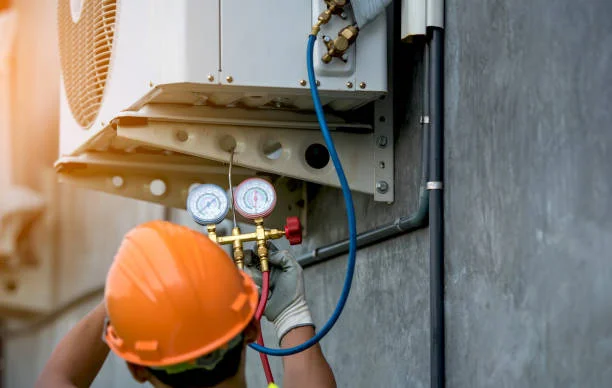
Heating, ventilation, and air conditioning (HVAC) systems depend on refrigerant to transfer heat and cool indoor spaces effectively. When refrigerant levels are incorrect or there are leaks, system performance suffers, energy costs rise, and indoor comfort declines. HVAC technicians play a critical role in identifying the subtle signs of refrigerant problems, diagnosing the underlying causes, and restoring proper function. We will explore the methods professionals use to monitor refrigerant performance, pinpoint issues, and implement corrective measures. By understanding how these processes work, homeowners can better appreciate why timely maintenance and prompt response to system irregularities are vital for comfort and efficiency.
How HVAC Technicians Detect and Repair Refrigerant Issues
- Initial System Evaluation and Symptom Assessment
When an HVAC technician from Integrity Heating & Air arrives at a home or business, the first step is a comprehensive evaluation of the system’s symptoms. Technicians begin by talking with the occupant to understand what irregularities they have noticed—such as weak airflow, inconsistent temperatures, or unusual noises. They then visually inspect the system, checking for obvious signs like ice formation on refrigerant lines, oil stains around connections, or visibly damaged components. Technicians also listen to the unit while it is operating to detect hiss-like sounds that may indicate escaping refrigerant. Because refrigerant issues can mimic other HVAC problems, such as dirty filters or malfunctioning fans, a thorough initial assessment helps to narrow down the cause and determine whether refrigerant loss or pressure imbalance is likely. This careful evaluation sets the stage for precise diagnostics.
- Pressure Testing and Refrigerant Level Measurement
Once preliminary symptoms suggest a refrigerant issue, technicians use gauges to measure system pressures. An HVAC system operates under specific refrigerant pressures depending on whether it is in cooling or heating mode. Technicians attach manifold gauges to service ports on the refrigerant lines to read both high-side and low-side pressures. These readings are compared to manufacturer specifications to determine whether the system is undercharged or overcharged.
Low pressure typically indicates insufficient refrigerant, often due to leaks, while excessively high pressure can signal overcharging or blockages. Using specialized tools, technicians can also measure the refrigerant temperature at various points in the system. By comparing temperature and pressure data, they can confirm whether refrigerant levels are appropriate and whether the system is operating within safe parameters. Accurate pressure testing is essential for reliably diagnosing refrigerant problems.
- Leak Detection Techniques and Tools
Detecting the exact location of a refrigerant leak is a key step in repair. HVAC technicians use a variety of tools and methods to find leaks that may be invisible to the naked eye. One common method is the use of electronic leak detectors, which sense escaping refrigerant gases at very low concentrations. The technician moves the detector probe along lines, fittings, and connections to identify spikes in readings that pinpoint leaks. Another method is to apply a soap solution or a bubble tester to suspect areas; bubbles form where gas is escaping. In some cases, technicians introduce a trace amount of inert gas mixed with refrigerant or a UV dye that becomes visible under ultraviolet light, highlighting the leak’s location. These techniques require patience and accuracy, since even a small leak can lead to performance issues and environmental harm. Once the leak is located, the technician can prepare to repair it.
- Repairing Leaks and Sealing Refrigerant Lines
After identifying the source of the leak, the next crucial step is to repair it. Technicians begin by safely recovering any remaining refrigerant from the system using recovery equipment to prevent its release into the environment. They then clean and prepare the leaking area, which may involve tightening connections, replacing faulty valves, or soldering small cracks in refrigerant lines. For larger or inaccessible leaks, sections of tubing may need to be replaced entirely. After the physical repair, technicians ensure that all joints and seals are secure and free of potential weak points. They may perform a pressurization test with inert gas to verify that the repair has stopped all leaks before reintroducing refrigerant. Attention to detail during the repair process is critical because even minor imperfections can allow refrigerant to escape again, leading to recurring problems and inefficiencies.
- Recharging Refrigerant and System Calibration
Once leaks are repaired and the system is confirmed to be sealed, the technician recharges the HVAC system with the correct type and amount of refrigerant. Each HVAC unit is designed to operate with a specific refrigerant type and charge level; incorrect amounts can compromise performance and damage components. Using precise scales and manufacturer guidelines, technicians gradually introduce refrigerant while monitoring pressure and temperature to achieve optimal charge.
They also check for proper airflow, thermostat calibration, and overall system balance. This process may include adjusting metering devices, such as expansion valves, to ensure proper refrigerant distribution. After recharging and calibration, the technician runs the system through a full cycle to verify that temperatures, pressures, and performance align with expected values. Proper recharging ensures efficient cooling or heating and extends the system’s service life.
Heating, ventilation, and air conditioning systems deliver comfort and climate control, but they rely on proper refrigerant levels and leak-free operation to perform efficiently. Detecting and repairing refrigerant issues requires systematic evaluation, precise measurement, careful leak detection, accurate repair work, and thorough verification. HVAC Technicians professionals apply a structured approach to each step, ensuring that problems are resolved and future issues are minimized. By understanding how technicians diagnose and address refrigerant concerns, homeowners and building managers gain insight into why timely maintenance and quick responses to performance changes are important investments in comfort and system durability.

6 Simple Tips to Avoid Major Roadside Headaches

Why Sleep Hygiene Matters More Than You Think

How to Choose the Right Steel Supplier for Your Construction Project

6 Routine Checks That Make Repairs Faster

Practical Electric Bike Tips For Better Performance And Longer Battery Life
-

 General6 months ago
Felixing: A Philosophy of Turning Simple Ideas into Wonders
-

 Health6 months ago
Lufanest: Effective Local Anesthesia with Fewer Risks
-

 Entertainment5 months ago
هنتاوي.com: Your Gateway to Arabic Anime Content
-

 General7 months ago
bardoek: The Artistic Heritage Inspiring Modern Creative Trends
-

 General5 months ago
Discover Anonib AZN: An Anonymous Asian Forum
-

 Fashion7 months ago
fashionisk .com – Your Ultimate Guide to Trendy, Smart Fashion
-

 Lifestyle7 months ago
Mariano Iduba: A Visionary Leader in Global Digital Growth
-

 General5 months ago
Euroyungs com Explained: Multi-Niche Hub or Risky Site?