
General
Guide to Selecting the Right Oil Water Separator

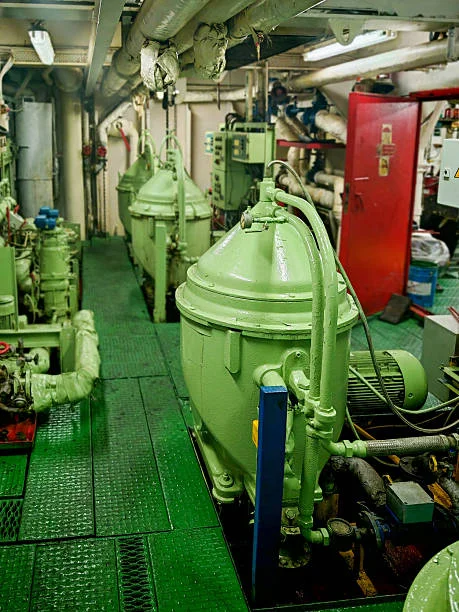
Industrial facility managers face an increasingly complex set of challenges when it comes to site planning and environmental compliance. Wastewater management is no longer a secondary concern that can be solved with an off-the-shelf product. Regulatory pressures are mounting globally, pushing organizations to rethink how they handle industrial runoff and daily discharges.
Selecting the correct oil water separator configuration is vital for maintaining operational efficiency and avoiding severe environmental penalties. You are likely dealing with specific spatial limitations, unpredictable wastewater volumes, and a facility layout that makes equipment planning difficult. A system that works perfectly for a sprawling outdoor refinery might fail miserably inside a tight, high-traffic manufacturing plant. You need a solution that fits your physical space while handling your exact flow requirements without backing up or breaking down.
When evaluating your facility’s spatial constraints and wastewater volume, it is crucial to select a system engineered for your exact environment—whether that requires a pump feed, gravity flow, or deep burial setup. By investing in performance-proven oil water separators, you can ensure structural integrity and strict environmental compliance tailored to your specific operational demands. Taking the time to understand your specific needs now will save your company from massive headaches down the road.
The Financial and Environmental Risks of Untreated Wastewater
Operating an industrial facility comes with a heavy burden of environmental responsibility. The Environmental Protection Agency (EPA) enforces strict discharge regulations to ensure that harmful hydrocarbons do not contaminate local water supplies or municipal treatment plants. As a facility manager, you are expected to maintain precise control over what goes down your drains. Ignorance of the law or equipment failure is never an accepted excuse during a compliance audit.
The consequences for failing to treat your wastewater properly are steep and immediate. If an inspector finds that your discharge exceeds allowable hydrocarbon limits, the EPA can levy fines of up to $25,000 per day for negligent violations. These fines compound quickly, turning a simple oversight into a financial disaster that can cripple operational budgets. Beyond the direct financial hit, non-compliance can result in forced operational shutdowns and severe damage to your company’s public reputation.
This reality changes how you should view wastewater management equipment. Proper oil water separator selection is not just a routine equipment purchase to check a box. It is an essential safeguard for your company’s financial health and legal standing. When you invest in a system that is properly sized and correctly installed, you are buying peace of mind and protecting your bottom line from devastating regulatory action.
How Coalescing Media Tackles Non-Emulsified Hydrocarbons
To understand why specialized equipment is necessary, we need to look at the nature of the wastewater itself. Industrial runoff is heavily polluted with non-emulsified hydrocarbons. In simple terms, these are free-floating oils and greases that physically mix with water but do not chemically bond to it. While they naturally want to separate and float to the surface, the chaotic flow of industrial wastewater breaks these oils into microscopic droplets that are notoriously difficult to remove using gravity alone.
The concentration of these oils in typical plant runoff is shockingly high. Relying on a basic, empty holding tank will never reduce those oil concentrations down to safe, compliant levels. The water simply moves too fast, and the droplets are too small to naturally rise to the surface before the water is discharged.
This is where high-quality separators step in, using specialized coalescing media to solve the problem. Coalescing media acts as a complex maze of corrugated plates inside the tank. As the wastewater flows through these plates, the microscopic oil droplets bump into the surface and stick to it. As more droplets accumulate, they merge together into much larger, buoyant drops. These larger oil drops quickly rise to the surface of the tank, where integrated skimmers can easily and safely remove them from the water before discharge.
Sizing Your System: Flow Dynamics and Capacity Calculations
Matching your facility’s operational flow type to the right separator is the most important step in the planning process. You first need to determine if you are running a pump feed application or a gravity flow setup. Pump feeds actively push wastewater into the separator, which can create turbulence and higher water velocities. Gravity flow setups rely on the natural slope of the plumbing, resulting in a smoother, more predictable flow. Each method distinctly impacts how fast the water moves, which directly dictates how much time the oil has to separate.
Once you know your flow dynamic, you must calculate the exact gallons per minute (GPM) your facility generates. Adaptable systems are built to handle a wide variety of loads, ranging from low flow (0-50 GPM) all the way up to massive high flow operations (5000 GPM). You have to account for peak usage times, not just your average daily flow. If multiple wash bays or processing lines empty into the system simultaneously, your GPM requirements will spike dramatically.
Guessing your flow capacity is a dangerous game that you cannot afford to play. If you buy a system that is too small, the high-velocity water will simply push the oil straight through the coalescing media and out the discharge pipe, resulting in an immediate compliance violation. To help visualize your potential needs, review this breakdown of common facility sizes and their corresponding flow requirements:
| Facility Type & Size | Typical Flow Dynamic | Estimated GPM Requirement | Common Application |
|---|---|---|---|
| Small Auto Shop (1-2 Wash Bays) | Gravity Flow | 0 – 50 GPM | Routine maintenance and light washing. |
| Mid-Sized Manufacturing Plant | Pump Feed | 100 – 300 GPM | Equipment washdown and daily condensate. |
| Large Industrial Processing Center | Mixed / Pump Feed | 500 – 1500 GPM | Heavy machinery runoff and continuous flow. |
| Municipal or Refinery Operations | Gravity Flow | 2000 – 5000+ GPM | Large-scale stormwater and industrial drainage. |
Comparing Installation Grades: Above, Flush, or Below?
After calculating your flow capacity, you must decide exactly where and how the unit will be installed. The three primary configurations are above grade, flush-with grade, and below grade. Your choice here is heavily dictated by your facility’s unique site layout, available floor space, and the surrounding climate.
You cannot force a specific installation grade into an environment it wasn’t designed for. Each configuration demands specific structural characteristics to operate safely over the long term. Regardless of which grade you choose, it is an absolute necessity to select systems made from the highest quality materials, such as heavy-duty carbon steel or specialized fiberglass. This ensures long-term structural integrity across any environment.
Above Grade Separators
Above grade systems are highly visible, easy to access, and specifically engineered to handle pump feed applications. Because gravity isn’t doing the work of moving the water into the tank, external pumps push the wastewater up and into the system for treatment. This makes them highly versatile for facilities that have already been built and require an immediate wastewater solution.
These units are the ideal solution for facilities that have adequate floor space but face severe excavation limitations. If your plant sits on solid bedrock, or if a high water table makes digging impossible, an above grade unit is your best option. They are also highly recommended for regions with harsh subterranean climates, where extreme ground freezing could potentially damage a buried tank.
Flush-with Grade Separators
Flush-with grade models sit level with the surrounding floor, creating a seamless integration into your facility’s workflow. These systems typically rely on natural gravity flow to pull wastewater into the treatment chamber. This simplifies the entire separation process by eliminating the need for complex, high-maintenance pump mechanisms.
You will typically find these models constructed from durable fiberglass, which provides excellent corrosion resistance. Flush-with grade units are highly recommended for designated, controlled operational areas. They work perfectly in wash bays or treatment zones with moderate accessibility needs, allowing workers to easily monitor and maintain the system without navigating around large above-ground tanks.
Below Grade Separators
When surface space is at an absolute premium, below grade systems provide a hidden, high-capacity solution. These are high-performance systems engineered specifically for deep burial applications. Facility managers often choose below grade installations to keep the factory floor completely clear for daily operations, equipment storage, and personnel movement.
Burying a massive tank requires rigid structural requirements to prevent the surrounding earth from crushing it. Advanced configurations, such as specialized Square or Round series tanks, are necessary to successfully withstand the intense pressures of deep burial. Furthermore, these heavy-duty designs are reinforced to handle heavy drive-over conditions, allowing forklifts and transport trucks to safely cross the plant floor right above the buried separator.
Conclusion
Achieving consistent environmental compliance requires precision and planning. You must precisely match your facility’s flow dynamics and spatial constraints to the right installation grade. Whether you require a gravity-fed flush unit or a heavy-duty below grade tank, the system must be tailored to your specific environment to function correctly.
Remember the immense financial risks associated with non-compliance. A system that is incorrectly sized or poorly matched to your site will eventually fail, exposing your company to crippling daily fines and severe legal scrutiny. Accurate sizing and careful consideration of your flow capacity completely mitigate that threat, protecting both the environment and your budget.
As a facility manager, you have the authority to implement systems that truly protect your operations. Seek out adaptable, customized wastewater solutions rather than settling for generic, one-size-fits-all products. By investing in a highly specialized, capacity-driven wastewater system, you ensure long-term operational success and total peace of mind.

Coordinating an event in Central Florida comes with a unique set of high-stakes challenges. Whether you are a corporate coordinator managing a massive conference or a DIY planner organizing a local festival, the pressure to deliver a flawless experience is immense. You are already juggling catering, guest lists, and venue restrictions. The last thing you need is a complicated technical setup adding to your daily stress.
Modern audiences expect a high-quality production. A standard microphone and a flat floor simply do not cut it anymore for professional gatherings. A well-designed stage elevates your speakers, focuses the audience’s attention, and sets the tone for the entire event. Despite this demand, many planners still get stuck dealing with outdated rental processes. Traditional vendors often require back-and-forth emails, vague estimates, and confusing technical jargon. It is easy to feel entirely out of your depth.
Securing the perfect stage does not have to involve complex math, hidden fees, or waiting days for quotes. If you know how to use modern, transparent rental tools, you can book exactly what you need in minutes. This guide will show you how to bypass the traditional friction of event production and build a reliable, professional setup with ease.
Key Takeaways
- Skip the wait with online tools: Utilize online stage configuration tools to instantly find the right setup and bypass the friction of manual quoting.
- Size by head-count: Matching pre-made stage bundles to your performer count is the absolute easiest way to size a stage without doing any complicated math.
- Demand upfront pricing: Protect your budget by working with vendors who offer completely transparent pricing before you sign a contract.
- Prioritize local logistics: Secure flexible, 24/7 local delivery in Central Florida to protect your event timeline and handle last-minute adjustments.
Eliminating the Guesswork of Event Planning
Building a stage from scratch used to require a deep understanding of load-bearing capacities, square footage calculations, and complex custom builds. Event planning is inherently stressful without the added burden of calculating these technical details. Worse still is the agonizing wait for a vendor to finally reply to your pricing inquiry email, leaving your budget entirely in limbo.
You can bypass this entire headache by opting for pre-made portable stage bundles. These bundles are the modern alternative to the nightmare of custom-built staging. They arrive ready to assemble, drastically cutting down on labor costs and setup time. Because they are modular, they offer the flexibility of a custom build but the simplicity of a pre-packaged product. You simply choose the bundle that fits your act, and the vendor handles the rest.
Fortunately, you can use an online configuration tool that matches your headcount to the perfect stage dimensions when looking for stage rentals in Orlando. This puts you in total control of the production process. Instead of relying on a salesperson to tell you what you need, you can instantly filter catalog options by capacity, area, and upfront price. You can see exactly what fits your venue and your budget in real time. This immediate transparency empowers you to make fast, confident decisions and get back to the other pressing details of your event.
A Practical Guide to Stage Sizing and Height
Matching Dimensions to Your Entertainment
The biggest mistake event organizers make is trying to calculate stage size using complex mathematical formulas. You do not need an engineering degree to figure out how much space a band needs. You just need to stop doing the math and start framing your needs around performer capacity.
Think about who will actually be standing on the platform. A solo acoustic act requires vastly less room than a corporate panel with five executive chairs and a coffee table. By visualizing the performers, you can quickly narrow down your options. For example, a compact 8’x8′ stage is the ideal dimension for a solo act, a single public speaker, or a DJ. It provides enough room for their essential gear without swallowing them up in empty space.
On the other hand, if you are hosting a larger group, you need to scale up appropriately. A 16’x12′ stage comfortably fits a standard 4-piece band, including the drum kit and amplifiers. It is also the perfect size for a multi-person panel discussion, allowing enough room for a moderator to walk between seated guests.
To make this process even easier, use the reference guide below to match your entertainment type directly to a pre-made bundle.
| Entertainment Type | Recommended Performer Count | Ideal Pre-Made Stage Dimensions |
|---|---|---|
| Public Speaker, Solo Act, or DJ | 1 to 2 People | 8′ x 8′ |
| Small Band or intimate Panel | 3 to 4 People | 12′ x 8′ or 12′ x 12′ |
| Standard Band or Large Panel | 4 to 6 People | 16′ x 12′ |
Choosing the Ideal Stage Height
Once you know how wide and deep your platform needs to be, you have to decide how tall it should stand. The size of your audience and the venue’s ceiling clearance heavily impact the necessary stage height. If the stage is too low, people in the back row will only see the tops of the performers’ heads. If it is too high in a room with a low ceiling, your speakers will feel cramped and lighting fixtures will run hot.
Modular stages offer incredible versatility to solve these exact problems. Available heights generally range from an intimate 8 inches for small conference rooms to a towering 46 inches for larger outdoor festival crowds. For a standard ballroom event with a seated audience of 100 to 200 people, a 16-inch to 24-inch height is usually the sweet spot for perfect visibility.
Safety must always remain a top priority when elevating people above the floor. Higher stages require sturdy, professional installation to ensure they do not wobble or shift during a performance. You also need to account for venue compliance. Any elevated platform requires appropriate safety skirting to hide the industrial legs and cables, as well as professionally installed stairs equipped with handrails for safe access.
Protecting Your Event Budget from Hidden Fees
Unexpected production costs are the fastest way to derail a carefully planned event budget. You might secure what looks like a great deal on the raw stage deck, only to get hit with massive upcharges for stairs, skirting, weekend delivery, and labor. These hidden fees create adversarial relationships with vendors and force you to cut corners in other areas of your event.
The financial stakes for event planners are currently higher than ever. As Cvent data highlights, 70% of meeting professionals expect their meeting spend to increase in 2025. With costs rising across the board, from catering to venue rentals, budget protection is a critical necessity. You cannot afford to write a blank check for technical production.
The best way to protect your budget is to partner exclusively with staging vendors that offer a straightforward “full online rental with just a few clicks” model. This approach guarantees absolute pricing transparency before a contract is ever signed. When you can see the line-item cost for the stage, the stairs, and the delivery fee directly on your screen, you regain control. You can adjust your dates, change the stage size, and see the financial impact immediately, ensuring your final invoice matches your initial expectations.
Streamlining Central Florida Logistics and AV Production
Navigating Local Delivery Options
The Orlando event market is highly competitive and moves at a breakneck pace. Booking your gear early and securing reliable local logistics is vital to ensure your event goes off without a hitch. With organizations anticipating scheduling more events, the demand for trucks, labor, and warehouse inventory is severely strained.
When you book your stage, you generally have two primary logistical approaches to consider. The first is a cost-saving local warehouse pickup, often labeled as “Add to Rental.” This is a great option for highly organized DIY planners who have access to their own box trucks and a crew to handle the heavy lifting. The second approach is full-service professional delivery and installation, usually labeled as “Schedule Delivery.” For corporate events and large weddings, this is almost always the better choice.
Working with a vendor who actually has a local Central Florida warehouse provides massive peace of mind. National brokers often farm out deliveries to third-party freight companies, leading to missed delivery windows and damaged gear. A local vendor understands the traffic patterns around the Orange County Convention Center and the specific load-in rules of major resort hotels. Furthermore, choosing a partner that offers 24/7 support means you have a direct lifeline if last-minute changes pop up the night before your general session.
The Advantage of Bundling Your AV Equipment
A bare stage is just the foundation of your event. True event production requires a cohesive technical environment that engages the audience’s senses. You need professional sound systems so the keynote speaker can be heard clearly in the back row. You need dynamic stage lighting to set the mood and provide visibility for the cameras.
Instead of hiring three different companies for staging, audio, and lighting, you should utilize a one-stop-shop vendor capable of supplying comprehensive AV solutions. A highly capable provider can bundle your stage with LED video walls, wireless microphone systems, and DJ equipment. They can even provide special effects like CO2 cannons and cold sparks to create unforgettable, high-energy moments.
Bundling your equipment drastically reduces vendor coordination fatigue. You only have to make one phone call, sign one contract, and pay one deposit. It also minimizes delivery fees, as all your gear arrives on a single truck. Most importantly, it ensures all technical elements integrate seamlessly on the day of the event. The audio team knows exactly where to run their cables, and the lighting tech knows exactly how much weight the stage rigging can support.
Conclusion
Organizing a successful gathering requires intense focus, but renting a stage in Central Florida does not have to be a complicated, opaque, or mathematically frustrating process. By stepping away from outdated rental methods and embracing modern booking tools, you can strip the anxiety entirely out of technical production.
You can save hours of planning by utilizing pre-made stage bundles matched directly to your performer count. You can protect your bottom line by demanding transparent, upfront pricing that eliminates hidden delivery and setup fees. Finally, by relying on local vendors with 24/7 logistics and bundled AV services, you guarantee that your setup will be professional, safe, and fully integrated.
Stop waiting on slow vendor emails and fighting with complicated measurements. You have the tools and the knowledge to secure exactly what your production requires. Confidently book your gear online today, finalize your timeline, and get back to focusing on what really matters: delivering an unforgettable event experience for your attendees.

Introduction to Statens Luftfartsvæsen (SLV)
Denmark has long been recognized for its innovation and commitment to excellence, and at the heart of this is Statens Luftfartsvæsen (SLV). As the country’s civil aviation authority, SLV plays a critical role in shaping the future of air travel in Denmark. With a rich history and a forward-thinking approach, it positions Denmark not just as a participant but as a leader on the global stage of civil aviation. The landscape of air travel is ever-evolving, and SLV stands ready to meet these challenges head-on while promoting safety, sustainability, and efficiency within the industry. Join us as we explore how Statens Luftfartsvæsen is paving the way for Denmark’s aviation future.
History and Evolution of SLV
Statens Luftfartsvæsen (SLV) has a rich history that dates back to its establishment in 1920. Initially, it served as the Danish government’s authority for managing air transportation and safety.
Over the decades, SLV adapted to rapid advancements in aviation technology and regulatory needs. The introduction of jet aircraft in the mid-20th century marked a significant turning point. It prompted revisions in regulations to ensure safety standards kept pace with innovation.
As international travel grew, so did SLV’s responsibilities. By collaborating closely with European counterparts, it became instrumental in harmonizing regulations across borders.
The evolution continued into the digital age with initiatives aimed at enhancing efficiency through modern technologies. Today, SLV stands as a beacon of excellence within civil aviation, ensuring Denmark remains competitive on the global stage.
Current State of Civil Aviation in Denmark
Denmark’s civil aviation sector is thriving. With Copenhagen Airport as the main hub, it serves as a gateway to Europe and beyond. This airport consistently ranks among the best globally for quality and efficiency.
Passenger traffic has rebounded following pandemic-related declines, showcasing resilience in travel demand. Airlines have expanded routes, connecting Denmark to numerous international destinations.
The Danish government actively supports sustainable aviation initiatives. Investments in greener technologies are on the rise, aiming to reduce carbon footprints while enhancing air travel experience.
Moreover, local airlines are adopting innovative practices to improve operational efficiency and customer satisfaction. Digital solutions streamline processes from booking to boarding.
This combination of growth and innovation positions Denmark favorably within the global aviation landscape. The commitment to safety standards remains paramount, ensuring that travelers can fly with confidence across its skies.
SLV’s Role in Regulating and Promoting Civil Aviation
Statens Luftfartsvæsen (SLV) plays a crucial role in the regulation of civil aviation in Denmark. It ensures that airlines, airports, and other industry players operate within the framework of established safety standards.
The agency is responsible for implementing national and EU regulations. This includes everything from air traffic management to aircraft certification. By maintaining high safety levels, SLV builds public confidence in air travel.
Promoting innovation is another key aspect of SLV’s mission. The organization actively encourages advancements that enhance efficiency and sustainability in aviation operations. Through workshops and partnerships with stakeholders, it fosters a culture of continuous improvement.
Moreover, SLV works closely with international bodies like the International Civil Aviation Organization (ICAO). These collaborations help align Denmark’s practices with global standards while also allowing local innovations to influence broader trends.
Initiatives Taken by SLV to Improve the Industry
Statens Luftfartsvæsen (SLV) has launched several initiatives aimed at enhancing the Danish aviation industry. One major focus is on sustainability. SLV actively promotes eco-friendly practices among airlines, encouraging them to adopt greener technologies.
Moreover, SLV invests in digital transformation. By modernizing air traffic management systems and streamlining processes, they enhance operational efficiency. This not only benefits airlines but also improves passenger experiences.
Training and education are other critical areas of emphasis for SLV. They provide resources for stakeholders to stay updated with safety regulations and best practices in aviation. Workshops and seminars foster a culture of continuous learning within the industry.
Furthermore, public awareness campaigns have been initiated to inform citizens about aviation’s impact on the economy and environment. These efforts aim to create a more informed public that supports sustainable growth in civil aviation.
Collaborations with International Organizations
Statens Luftfartsvæsen (SLV) thrives on partnerships with international organizations. Collaborations strengthen Denmark’s position in the global aviation landscape.
Working closely with bodies like the European Union Aviation Safety Agency (EASA), SLV ensures compliance with safety standards and regulations. This cooperation fosters a culture of excellence across Europe, promoting shared best practices.
Additionally, SLV engages with the International Civil Aviation Organization (ICAO). Through this relationship, Denmark contributes to shaping policies that enhance global air transport efficiency and sustainability.
Joint initiatives also focus on environmental concerns. By partnering with organizations dedicated to reducing carbon emissions, SLV plays a pivotal role in advancing green aviation technology.
These collaborations not only elevate Denmark’s reputation but also provide invaluable insights into emerging trends within civil aviation. The exchange of knowledge fuels innovation and supports continuous improvement within the industry.
Future Plans for SLV and the Danish Aviation Industry
Statens Luftfartsvæsen (SLV) is gearing up for an exciting future. With a focus on sustainability, the agency aims to implement eco-friendly practices in civil aviation. This includes promoting greener technologies and fuels to reduce carbon footprints.
Moreover, SLV plans to enhance digitalization within the industry. By adopting advanced data analytics and AI tools, they seek to streamline operations and improve safety measures.
Collaboration with universities will also play a crucial role in shaping tomorrow’s aviation leaders. SLV envisions fostering talent through educational programs that emphasize innovation and research.
Strengthening partnerships with international regulatory bodies remains a priority. By aligning standards globally, Denmark can ensure its aviation sector stays competitive while maintaining high safety benchmarks.
Conclusion: Denmark’s Potential as a Global Leader in Civil Aviation
Denmark has positioned itself as a formidable player in the global civil aviation landscape. Through the dedicated efforts of Statens Luftfartsvæsen, the country is not only enhancing its regulatory framework but also fostering innovation and safety within the industry. The history and evolution of SLV reflect a commitment to excellence that continues to shape Denmark’s aviation policies.
The current state of civil aviation in Denmark showcases impressive growth, with an emphasis on sustainability and modern technologies. By actively regulating and promoting best practices, SLV plays a pivotal role in ensuring that Danish airports meet international standards while also enhancing passenger experiences.
Through various initiatives aimed at improving operational efficiencies, SLV demonstrates foresight in addressing future challenges. Collaborations with international organizations further solidify Denmark’s presence on the world stage, creating opportunities for knowledge exchange and development.
Looking ahead, the plans laid out by Statens Luftfartsvæsen highlight an ambitious vision for both domestic growth and international cooperation. As these strategies unfold, there is no doubt that Denmark stands poised to lead in civil aviation—brimming with potential for both economic prosperity and environmental stewardship. The journey towards becoming a global leader is well underway; all eyes will be on how this vibrant sector evolves under such promising guidance.


Soft foam blocks provide a safe space for every child to explore new moves. These bright colors and soft textures grab attention from the moment a kid walks inside. High jumps and big smiles define the mood of this active environment. Local families in Sacramento find joy in these energetic indoor play spots every single week. This article explains the reasons for the popularity of these soft pits.
Active Play
Physical movement remains a top priority who want healthy children. Kids use their whole bodies to climb through the thick layers. Many families enjoy foam pit activities in Sacramento because the environment encourages non-stop play. Each leap into the pit helps a child develop better body control. Success in a big jump builds immense self-confidence for every young guest.
Sensory Success
The bright colors of the foam cubes stimulate the mind of a young child. Soft surfaces provide a unique tactile experience that most home toys cannot match. A trip to a center in Sacramento offers a break from screens and static play. Children feel a sense of weightlessness when they sink into the deep foam. This physical sensation calms the mind while it excites the spirit. Happy shouts fill the air as each person finds a new way to land.
Skill Development
New abilities appear when a child feels safe to try a difficult move. These pits allow for practice that a hard floor would never permit. The soft landing zone removes the fear of a small tumble or a slow roll. Parents in Sacramento watch their kids master flips and tucks with total ease. These physical triumphs stay with a child long after the visit ends.
Social Interaction
Group play happens naturally when children gather around the edge of the pit. Many kids make new friends while they wait for their turn to dive. A popular spot for foam pit activities in Sacramento creates a community of active families. Shared laughter makes the experience more memorable for everyone in the room. This social setting teaches kids how to navigate a busy and loud space.
Pure Joy
The simple thrill of a big jump creates a sense of pure magic. No complex rules or heavy equipment limit the fun for a small child. Local centers in Sacramento focus on this core feeling of freedom and play. Every guest leaves with a tired body and a very happy heart. This simple pleasure keeps families coming back to the same spot for years. The memory of a perfect landing stays vivid for a long time.
Local Fun
Finding a great place for a kid to burn energy remains a top task for every parent. These soft pits provide a reliable source of entertainment in any type of weather. A visit to a facility in Sacramento ensures a productive day for any active family. The staff keeps the area clean and ready for the next group of eager jumpers. Happy faces prove that this activity remains a favorite for the local youth. A quick trip results in a full day of excitement and healthy movement.
The love for soft foam pits comes from the perfect mix of safety and high energy. Kids find a place where they can push their limits without a single worry. Parents in Sacramento appreciate the focus on health and active movement during every single visit. This specific activity provides a unique break from the typical daily routine at home. One great way to start is to check the local schedule for a nearby play center this weekend. Regular visits help children stay fit and build a strong sense of personal achievement.

Kodi Capri: Exploring the Life of NBA YoungBoy’s Youngest Star

How Participating in Middle School Honor Society Helps Students Excel

Emmy Ann Wooding: An In-Depth Journey From SVU Screen Success to Personal Triumphs

goodmooddotcom com Travel Archives: Discover Inspirational Ideas and Hidden Gems

When the Air Feels Off: Knowing It’s Time to Replace Your AC (and What Comes Next)
-

 General7 months ago
Felixing: A Philosophy of Turning Simple Ideas into Wonders
-

 Health6 months ago
Lufanest: Effective Local Anesthesia with Fewer Risks
-

 Entertainment6 months ago
هنتاوي.com: Your Gateway to Arabic Anime Content
-

 General7 months ago
bardoek: The Artistic Heritage Inspiring Modern Creative Trends
-

 General6 months ago
Discover Anonib AZN: An Anonymous Asian Forum
-

 Fashion8 months ago
fashionisk .com – Your Ultimate Guide to Trendy, Smart Fashion
-

 General6 months ago
Euroyungs com Explained: Multi-Niche Hub or Risky Site?
-

 Lifestyle8 months ago
Mariano Iduba: A Visionary Leader in Global Digital Growth