
Automotive
Drive Longer, Spend Less: Smart Car Maintenance Habits


Owning a car brings freedom and convenience, but it also comes with responsibilities. Regular maintenance is one of the most important habits drivers can develop to keep their vehicles running efficiently. When you take care of your car consistently, you not only extend its lifespan but also avoid costly repairs down the road. Smart car maintenance habits allow you to drive longer, spend less, and enjoy a smoother and safer ride.
Here are several practical maintenance habits every driver should follow.
Stay Consistent with Oil Changes
One of the most basic yet critical maintenance tasks is changing your engine oil regularly. Oil lubricates the engine’s moving parts, reduces friction, and helps prevent overheating. Over time, oil breaks down and becomes contaminated with dirt and debris, which can damage the engine if left unchanged.
Most vehicles require an oil change every 3,000 to 7,500 miles depending on the type of oil used and your driving conditions. Always check your owner’s manual for the manufacturer’s recommendation. Maintaining a regular oil change schedule is one of the easiest ways to protect your engine and avoid expensive repairs.
Keep an Eye on Tire Health
Your tires are essential for safety, fuel efficiency, and overall vehicle performance. Driving with underinflated or worn-out tires can increase fuel consumption and create dangerous driving conditions.
Make it a habit to check tire pressure at least once a month. Properly inflated tires improve gas mileage and extend tire life. In addition, rotating your tires every 5,000 to 8,000 miles helps them wear evenly, allowing you to get the most value out of your investment.
Also inspect your tire tread regularly. If the tread becomes too shallow, your vehicle will have reduced traction, especially in wet or slippery conditions.
Pay Attention to Warning Signs
Modern vehicles are designed to alert drivers when something needs attention. Dashboard warning lights should never be ignored. Whether it’s the check engine light, oil pressure indicator, or brake warning signal, these alerts often point to problems that can worsen if neglected.
Unusual noises, vibrations, or changes in how your vehicle drives can also signal mechanical issues. Addressing these concerns early often results in simpler and less expensive repairs.
If you suspect a transmission issue such as slipping gears or delayed shifting, visiting a trusted transmission shop in Salt Lake City can help diagnose and resolve the problem before it causes major damage.
Maintain Your Vehicle’s Fluids
Your car relies on several fluids to function properly, including coolant, brake fluid, transmission fluid, and power steering fluid. These fluids play vital roles in lubrication, cooling, and hydraulic performance.
Checking fluid levels periodically ensures that your vehicle operates efficiently. Low or dirty fluids can lead to overheating, poor braking performance, or transmission damage.
Most drivers check their oil regularly but overlook other fluids. Creating a routine inspection schedule can prevent serious mechanical problems and keep your car running smoothly.
Replace Air Filters Regularly
Air filters play an important role in maintaining engine efficiency. The engine air filter prevents dust, dirt, and debris from entering the engine. When the filter becomes clogged, airflow is restricted, which can reduce fuel efficiency and engine performance or smart car maintenance habits.
Replacing the engine air filter every 12,000 to 15,000 miles—or as recommended by your vehicle manufacturer—can improve fuel economy and help your engine run more efficiently.
Cabin air filters should also be replaced regularly to maintain good air quality inside your vehicle and ensure proper airflow through the ventilation system.
Keep Your Battery in Good Condition
A dead battery is one of the most common causes of vehicle breakdowns. Fortunately, battery maintenance is simple and can prevent inconvenient situations.
Check battery terminals periodically to ensure they are clean and free from corrosion. Corrosion buildup can interfere with electrical connections and reduce battery efficiency. Additionally, most car batteries last between three and five years, so monitoring its condition and replacing it when needed is a smart preventive measure.
If your vehicle starts slowly or electrical systems seem weaker than usual, it may be time to have the battery tested.
Don’t Skip Routine Inspections
Routine vehicle inspections are one of the most effective ways to catch problems early. Many drivers wait until something breaks before seeking professional help, but preventive maintenance is far less expensive than major repairs.
Regular inspections allow technicians to examine important components such as brakes, belts, hoses, and suspension systems. Identifying small issues early prevents them from becoming costly problems later.
Scheduling periodic maintenance appointments also helps ensure your vehicle stays safe, efficient, and reliable.
Final Thoughts
Smart car maintenance habits are the key to extending your vehicle’s life and reducing long-term costs. By staying consistent with oil changes, monitoring tire health, maintaining fluids, and paying attention to warning signs, you can prevent many common automotive problems.
Taking a proactive approach to car care helps ensure your vehicle performs at its best while keeping repair bills manageable. With regular attention and responsible driving habits, you can enjoy many more miles on the road without unnecessary expenses.
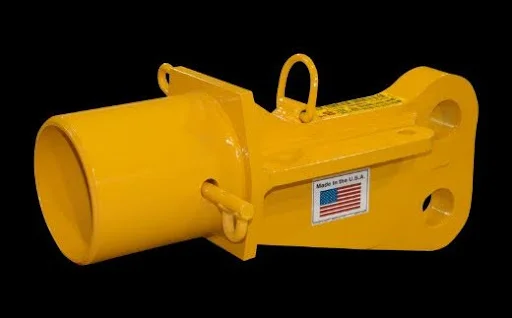
When a construction crew needs to lift a 60-ton gas turbine, a modular home, or a delicate aerospace component, the logistical challenge extends far beyond the capacity of the crane. The load must be stabilized, balanced Custom-Welded Lifting Beam, and protected from the crushing inward forces of the lifting slings.
For decades, the standard solution in the heavy rigging industry was brute force: engineers would design and weld a massive, custom steel I-beam tailored specifically for that single payload. These beams were incredibly heavy, wildly expensive to manufacture, and notoriously difficult to transport.
Today, a profound paradigm shift is sweeping through the rigging and logistics sectors. The massive, custom-welded behemoths are being rapidly replaced by modular, interchangeable systems. By understanding the physics of heavy lifting, we can see exactly why the traditional lifting beam is becoming obsolete—and why a hollow steel pipe is taking its place.
The Physics: Bending Moments vs. Compressive Stress
To understand this transition, we first have to correct a common misconception in the industry: the difference between a lifting beam and a spreader beam. While often used interchangeably, they operate on completely different laws of physics.
A traditional lifting beam connects to the crane hook at a single central point and suspends the payload from multiple points along its bottom edge. Because the crane is pulling up in the middle while the load pulls down on the ends, the steel beam acts like a giant lever. It is subjected to massive “bending moments.” To prevent the beam from folding in half like a wet noodle, it must be constructed from extraordinarily thick, heavy structural steel.
A spreader beam, however, uses a different geometry. It utilizes top rigging (slings) that connect the ends of the beam directly to the crane hook, forming a triangle. The payload is then suspended straight down from the ends of the beam.
Because of this top triangle, the horizontal steel bar no longer bends. Instead, the diagonal tension of the top slings tries to crush the beam inward from the ends. The bar is subjected almost entirely to compressive stress Custom-Welded Lifting Beam.
The Genius of the Hollow Pipe
Here is where the engineering shift occurs: structural steel is incredibly efficient at handling compression. You do not need a solid, multi-ton I-beam to resist being crushed inward; a hollow cylindrical pipe does the job flawlessly.
By utilizing standard, commercially available steel pipe (such as A53 Grade B, Schedule 80 pipe), rigging engineers can create a spreader system that is a fraction of the weight of a traditional lifting beam but boasts an identical working load limit. Because the pipe is a standard industrial material, it is inexpensive and can be sourced locally anywhere in the world.
The Critical Connection
A hollow pipe, however, is useless on its own. It cannot connect to the crane, and it cannot connect to the payload. The success of a modular system relies entirely on the engineered hardware at the ends of the pipe.
This is where specialized spreader beam end caps become the most critical components of the lift. These heavy-duty steel fixtures are designed to slide precisely over the ends of the pipe and secure with high-strength locking pins. They act as the vital mechanical interface, featuring engineered lugs (attachment points) that connect the upper slings to the crane and the lower slings to the load Custom-Welded Lifting Beam.
Instead of bearing bending forces, these modular caps take the complex diagonal tension from the rigging and transfer it seamlessly into pure, safe compression down the center of the hollow pipe.
The Logistical and Economic Triumph
The transition from welded to modular systems is ultimately driven by cold, hard economics. The logistical advantages of modular pipe-and-cap systems are impossible to ignore:
| Feature | Custom Welded Lifting Beam | Modular Pipe Spreader System |
| Manufacturing Time | Weeks (Drafting, custom welding, ultrasonic testing). | Minutes (Off-the-shelf components, locally sourced pipe). |
| Transport | Requires specialized flatbed trucking and wide-load permits for long beams. | Components fit on a standard pallet; the pipe is sourced locally at the destination. |
| Versatility | Fixed length. Only useful for loads with an identical footprint. | Highly adjustable. Simply swap out a 10-foot pipe for a 20-foot pipe for a different load. |
| Storage | Takes up massive amounts of square footage in a yard when not in use. | Can be disassembled and stored on standard warehouse shelving. |
When a project in remote Alaska requires a 40-foot spreader system, shipping a 40-foot welded steel beam from a fabrication shop in Texas is a logistical nightmare. Shipping two 50-pound steel caps on a standard pallet and buying a 40-foot pipe from an Alaskan steel distributor saves tens of thousands of dollars in freight costs alone Custom-Welded Lifting Beam.
The Safety Paradigm Shift
Moving away from custom-welded beams also changes how safety inspections are conducted.
With traditional welded beams, safety inspectors must constantly check for microscopic weld fatigue and hairline fractures—a process that often requires expensive magnetic particle or ultrasonic testing.
Modular systems eliminate the structural welds. Safety inspections pivot to a much more straightforward mechanical checklist. Riggers inspect the caps for deformation, check the steel locking pins for straightness, and verify that the pinholes on the steel pipe have not elongated or stretched under load. If a pipe is ever compromised, it is simply discarded and replaced for a few hundred dollars, rather than scrapping an entire multi-thousand-dollar custom beam.
Conclusion
The era of relying solely on massive, custom-welded steel beams or Custom-Welded Lifting Beam for heavy lifts is rapidly closing. By understanding how to manipulate tension and compression, the rigging industry has unlocked a vastly more efficient way to work. Modular systems using off-the-shelf pipes and engineered end attachments prove that in the world of heavy logistics, flexibility, smart geometry, and modularity are far stronger than brute force.
When equipment breaks down unexpectedly, it rarely happens at a convenient time. Downtime is costly—according to industry estimates, unplanned equipment failures cost manufacturers up to $50 billion annually Repairs Faster. The good news? Most of those failures are preventable. A consistent maintenance routine doesn’t just extend the life of your equipment; it makes diagnosing and fixing problems significantly faster when they do arise.
Here are six routine checks that streamline the repair process and help keep your operations running smoothly.
1. Inspect Air Pressure Levels Regularly
Pressure irregularities are one of the most common early warning signs of a developing problem. Whether you’re working with pneumatic tools or oil less air compressors, checking air pressure regularly allows you to catch leaks, blockages, or worn components before they escalate into full system failures. Keep a log of your normal pressure range and flag any deviations immediately. When a repair is eventually needed, that log becomes a valuable diagnostic tool.
2. Check Filters and Replace Them on Schedule
Clogged filters are a leading cause of reduced performance and overheating. Dirty filters force equipment to work harder, accelerating wear on internal components. The fix is simple: establish a filter replacement schedule based on your usage frequency and environment. Dusty or high-humidity environments may require more frequent changes. Technicians who know the filter history of a machine can identify related problems much faster, cutting repair time significantly Repairs Faster.
3. Monitor Fluid and Lubrication Levels
Low or degraded lubrication is responsible for a surprising number of mechanical failures. Friction causes components to wear at an accelerated rate, and what begins as a minor lubrication issue can quickly develop into a costly repair. Checking oil and lubricant levels before and after heavy use takes only minutes but pays dividends in the long run. For equipment that operates continuously, consider scheduled oil analysis to detect early signs of contamination or degradation.
4. Listen for Unusual Sounds During Operation
Sound is one of the most reliable indicators of equipment health. Knocking, rattling, hissing, or grinding noises often signal that something is loose, misaligned, or under pressure stress. Operators who know the normal sound profile of their equipment are far better positioned to identify anomalies early. Encourage your team to report any changes in sound immediately and document what they hear. When a technician arrives to troubleshoot, that information can shave hours off the diagnostic process.
5. Inspect Connections, Hoses, and Fittings
Loose or deteriorating connections are a common source of leaks and pressure loss, particularly in pneumatic systems. Hoses can crack over time due to heat, UV exposure, or chemical contact, and fittings can loosen under vibration. A quick visual inspection of all connections before each use takes only a few minutes. Tighten anything that feels loose, and replace any hose that shows signs of wear or cracking. This simple habit prevents the kind of gradual pressure loss that can be difficult to trace during a repair.
6. Track Performance Metrics Over Time
One of the most underutilized maintenance tools is consistent performance tracking. Recording output levels, cycle times, temperature readings, and pressure data over time creates a baseline that makes deviations immediately obvious. When a repair is needed, comparing current performance data against historical records allows technicians to pinpoint the issue quickly rather than starting from scratch. Many modern systems offer digital monitoring tools that automate this process, but even a manual logbook is far better than no record at all.
Small Habits, Faster Fixes
Routine maintenance checks don’t just prevent breakdowns—they make the inevitable repairs faster, cheaper, and less disruptive. When your equipment is well-documented and consistently inspected, technicians spend less time diagnosing and more time fixing. Across a busy operation, that efficiency compounds quickly.
The key is consistency. Build these six checks into your regular workflow, assign clear responsibility for each one, and keep accurate records. Over time, you’ll find that your repair calls become fewer, shorter, and far less stressful.

Have you ever thought about how to keep your electric bike running smoothly every day while also making the battery last longer?
Many riders enjoy electric bikes for daily travel, short rides, and relaxing outdoor time. With a few practical habits, an electric bike can stay efficient and enjoyable for a long time.
Electric bikes combine comfort, technology, and smart mobility. When riders understand simple maintenance and riding techniques, the bike stays responsive, and the battery continues to perform well. These small habits support better performance and a smoother riding experience.
Understanding How Electric Bikes Work
Electric bikes operate with a battery, motor, controller, and standard bicycle components. These parts work together to support pedaling and provide assisted movement. When riders understand how these parts function together, daily riding becomes more efficient and comfortable.
Most electric bikes provide pedal assist modes that help the rider maintain steady movement without heavy effort. The battery stores energy, the motor converts that energy into motion, and the controller regulates how much assistance is delivered.
Knowing The Role Of The Battery
The battery is one of the most important parts of an electric bike. It stores energy and supports the motor while riding. Riders who follow simple charging and riding habits often notice consistent performance for a long period.
Charging the battery at the right time and storing it properly helps maintain stable energy output. Riders who treat the battery with care usually enjoy smooth rides and reliable assistance.
Keeping The Motor Efficient
The motor converts battery energy into movement. Smooth pedaling combined with moderate assist levels helps the motor operate comfortably. Riders who balance pedaling and electric assistance often experience stable performance.
Consistent riding habits allow the motor to function efficiently and maintain steady support during travel.
Smart Riding Habits For Better Performance
Riding style plays an important role in how well an electric bike performs. Smooth acceleration, steady pedaling, and balanced assist levels help maintain efficiency and comfort.
Maintaining A Steady Riding Rhythm
Electric bikes perform best when riders maintain a steady pace. Sudden acceleration is rarely needed because pedal assist already supports movement. A relaxed riding rhythm keeps the motor operating smoothly and supports efficient battery use.
Many riders enjoy using medium assist levels for city travel. This balance keeps the ride comfortable and maintains battery efficiency.
Choosing The Right Assist Mode
Electric bikes usually offer multiple assist levels. Riders can select a lower assist mode for flat roads and a moderate assist for small slopes. This thoughtful approach keeps battery energy balanced and supports longer rides.
Some riders prefer adjusting assist levels during different parts of a ride. This simple habit helps maintain consistent energy usage.
• Use light assist on flat roads
• Increase assist slightly on slopes
• Maintain steady pedaling throughout the ride
• Ride at a comfortable pace for smooth motor support
These habits support both rider comfort and electric bike performance.
Proper Charging Practices For Battery Health
Charging habits play a strong role in maintaining battery stability. When riders follow simple charging routines, the battery remains reliable and ready for daily travel.
Charging At The Right Time
Most riders find it helpful to recharge the battery after regular rides rather than waiting for very low charge levels. A balanced charging schedule keeps the battery prepared for the next ride.
Charging in a cool and dry place also supports stable battery performance. Clean charging ports and proper cable connections help maintain consistent energy flow.
Maintaining Regular Battery Care
Battery care includes keeping the battery clean and storing it safely when not in use. Riders who maintain these habits often notice consistent energy delivery.
If the bike stays unused for several days, keeping the battery partially charged helps maintain readiness for the next ride.
Keeping Your Electric Bike Well Maintained
Regular maintenance helps every electric bike perform smoothly. A well-maintained bike supports efficient riding and comfortable control.
Checking Tire Pressure Regularly
Proper tire pressure helps electric bikes roll smoothly and maintain stability. When tires stay inflated at the recommended level, the motor uses energy efficiently.
Smooth rolling also improves comfort during longer rides. Riders often check tire pressure once a week for consistent performance.
Cleaning The Bike After Rides
Dust and road particles can collect on the frame, gears, and wheels. A simple cleaning routine keeps the bike looking fresh and helps components move freely.
Many riders wipe the frame and chain after several rides. This habit keeps parts in good condition and supports efficient riding.
Planning Rides For Efficient Battery Use
Thoughtful route planning can also support battery life. Riders who select comfortable routes often enjoy longer rides with steady assistance.
Choosing Balanced Routes
Routes with smooth surfaces and gradual slopes allow the motor to operate steadily. Riders often plan routes that combine comfort and efficiency.
Urban cycling paths, quiet streets, and open parks often provide pleasant riding conditions.
Using The Bike For Daily Activities
Electric bikes are useful for daily errands and short trips. Some riders use them for commuting, shopping, or casual evening rides.
In cities like Ottawa, many people enjoy riding through parks and streets using electric bikes Ottawa for convenient and relaxed mobility. These rides often pleasantly combine transport and recreation.
Storing Your Electric Bike Properly
Proper storage also supports performance and battery health. When bikes are stored in a safe place, components remain protected and ready for use.
Keeping The Bike In A Dry Space
A clean and dry storage area keeps electrical parts and mechanical components in good condition. Many riders store their bikes indoors or in a covered parking area.
This simple step protects the battery, wiring, and motor components.
Organizing Bike Transport During Moves
When people change homes or shift to a new apartment, they often plan safe transport for their electric bike along with other belongings. During relocation, experienced movers sometimes help carry bicycles safely as part of household transport arrangements.
Proper handling during transport ensures the bike stays in good condition and ready for the next ride.
Building A Comfortable Riding Routine
A comfortable riding routine allows electric bike owners to enjoy daily rides while maintaining efficiency. Small habits practiced regularly keep the bike running smoothly.
Riders who check tire pressure, charge the battery responsibly, and maintain steady pedaling often notice consistent performance. These habits support longer rides and reliable battery operation.
Electric bikes combine modern mobility with everyday convenience. With thoughtful riding practices and simple care routines, riders can enjoy smooth travel, reliable battery performance, and many relaxing rides on the road.

Drive Longer, Spend Less: Smart Car Maintenance Habits

The Adventure Dog Checklist: 10 Essentials You’re Probably Forgetting

Why Collectors Prefer Established Online Firearm Dealers Over Open Marketplaces

Can Himalayan Salt Tiles for Walls Improve Air Quality in Your Home?

Easy Ways to Find Calm During Delays and Transitions
-

 General6 months ago
Felixing: A Philosophy of Turning Simple Ideas into Wonders
-

 Health6 months ago
Lufanest: Effective Local Anesthesia with Fewer Risks
-

 Entertainment5 months ago
هنتاوي.com: Your Gateway to Arabic Anime Content
-

 General7 months ago
bardoek: The Artistic Heritage Inspiring Modern Creative Trends
-

 General6 months ago
Discover Anonib AZN: An Anonymous Asian Forum
-

 Fashion7 months ago
fashionisk .com – Your Ultimate Guide to Trendy, Smart Fashion
-

 Lifestyle7 months ago
Mariano Iduba: A Visionary Leader in Global Digital Growth
-

 General5 months ago
Euroyungs com Explained: Multi-Niche Hub or Risky Site?