
General
Design Logos That Build Brand Trust: What You Need to Know


When you think about the brands you love most, what’s the first image that pops into your mind? Chances are, it’s their logo. That small visual stamp has the power to instantly trigger emotions-comfort, loyalty, even excitement-without a single word being spoken. From the swoosh on your sneakers to the golden arches on a roadside sign, logos are often the silent ambassadors of trust.
But trust isn’t something you can buy or fabricate overnight. It’s built slowly, through consistency, quality, and a strong identity that people can recognize and believe in. The role of a logo in that process is bigger than most businesses realize. A well-crafted design is more than just decoration-it becomes the shorthand for your brand’s story.
Why Logos Carry So Much Weight
Logos operate on both a conscious and subconscious level. Consciously, they tell us who the brand is. Subconsciously, they communicate what the brand stands for. A logo doesn’t need to spell out “reliable” or “friendly” for us to feel those qualities; the shapes, colors, and style take care of that.
Think about Apple’s bitten apple. Simple. Clean. Minimalist. It reflects not only the company’s design philosophy but also its promise of innovation that’s approachable. Compare that to FedEx, with its hidden arrow between the “E” and “x,” which subtly reinforces speed and direction. These aren’t accidents-they’re deliberate design choices that help us trust the brand to deliver what it promises.
The Connection Between Trust and Visual Identity
People crave reliability. In a noisy digital world full of fly-by-night businesses, a consistent and trustworthy logo can make the difference between someone clicking away or sticking around. Research shows that consumers are far more likely to buy from brands they recognize, and recognition often begins with visuals.
This is why companies pour so much effort into getting their logo right. It’s not just about standing out in a crowded marketplace-it’s about being the symbol that customers instinctively turn to because it feels dependable. When you design logos with trust in mind using Adobe, you are creating a visual contract between your brand and your audience.
Beyond Aesthetics: Logos as a Brand Experience
A common mistake businesses make is treating their logo like a one-off project-something you commission, finalize, and then forget about. But in reality, your logo is alive. It appears everywhere: on your website, packaging, emails, social media, storefronts, even the tiny app icon on someone’s phone. Every encounter reinforces (or weakens) trust.
Consistency matters here. Imagine if a bank used one version of its logo on its website, a slightly different shade on its ATM, and yet another font style on its mobile app. The inconsistency might seem minor, but it sends a subtle message: this brand doesn’t have its act together. By contrast, a logo that remains reliable across every platform strengthens the sense of stability customers are looking for.
Real-Life Examples of Trust Through Logos
Take Starbucks. Over the years, they’ve simplified their logo, peeling back the layers until only the green siren remained. Why? Because by then, customers already trusted the brand. The word “Starbucks” wasn’t necessary; the image alone was enough to convey quality coffee and a consistent experience worldwide.
Another example is Nike. Their logo doesn’t even feature the brand’s name most of the time. The swoosh has become synonymous with trust in athletic performance. That level of recognition doesn’t come from the design alone-it’s backed by years of delivering on promises. But without a logo as the anchor, building and maintaining that trust would be much harder.
How Businesses Can Build Trust Through Design
The beauty of logo design is that it isn’t reserved for global giants. Even small businesses and startups can create a trustworthy visual identity if they approach it thoughtfully. Here are some practical insights that can help:
- Keep it simple. Overly complex logos are harder to remember. A clean, straightforward design communicates confidence and makes recall easier.
- Align it with your values. If your brand is eco-friendly, choose natural colors and organic shapes. If it’s about precision, lean into clean lines and symmetry.
- Think long-term. Trends fade, but trust endures. Aim for timelessness rather than chasing what’s hot right now.
- Ensure consistency. Once you finalize your logo, stick with it. Use it across all channels in the same way to reinforce recognition.
These aren’t rigid rules but guiding principles. At the heart of it all, your logo should feel authentic to your brand and resonate with the people you want to reach.
The Human Side of Logo Design
We often think of logos in technical terms-colors, typography, proportions-but at their core, they’re about people. A logo is a bridge between your business and the emotions of your audience. It’s not just about looking polished; it’s about creating a sense of belonging and reliability.
For instance, community organizations often choose logos that incorporate local landmarks or cultural symbols. These choices signal, “We’re part of your world, and we understand you.” On the flip side, a tech startup might opt for sleek, futuristic designs that promise innovation and progress. Each choice builds or breaks trust depending on how well it aligns with the audience’s expectations.
Logos in the Age of Digital Transparency
In today’s world, businesses don’t just compete on product quality-they compete on trust. Customers are quick to research, review, and call out brands that don’t deliver. A logo can’t fix a broken promise, but it can amplify trust when a business consistently lives up to its word.
And because logos now live in so many digital spaces, they’ve taken on even more importance. A tiny profile picture on a social media page might be someone’s first introduction to your brand. If it looks professional, consistent, and aligned with your message, it sets the stage for trust before they even read a word.
Conclusion: Trust Is Designed, Not Assumed
A logo may be small in size, but its role in building brand trust is monumental. It’s the visual handshake that introduces your business to the world, the symbol that assures people you’ll deliver what you promise. When you design logos with intention, simplicity, and consistency, you’re not just creating an image-you’re cultivating trust that grows stronger with every interaction.
At the end of the day, your logo is more than an aesthetic choice. It’s an investment in your relationship with your audience. Treat it as such, and you’ll find that those few lines, shapes, or colors can carry the weight of your entire brand’s credibility.
FAQs
1. How does a logo build trust with customers?
A logo creates familiarity and consistency. When customers see the same design across platforms, it signals reliability and reinforces the brand’s identity.
2. What makes a logo trustworthy?
Simplicity, consistency, and alignment with brand values. A trustworthy logo feels authentic and resonates with the target audience.
3. Can small businesses benefit from professional logos?
Absolutely. A well-crafted logo helps even small brands look credible and professional, making it easier to win customer trust.
4. Do logos need to change over time?
Not always. Many strong logos remain consistent for decades. However, some brands simplify or modernize their logos to stay relevant while keeping core elements intact.
5. Is a logo enough to earn customer trust?
No. While a logo sets the stage, trust is ultimately earned through consistent actions, quality products, and positive customer experiences.


Introduction to UnbannedG+
In a digital age where social media platforms reign supreme, the battle for free speech continues to rage on. Enter UnbannedG+, an innovative platform that promises to redefine our online interactions without the weight of censorship. Imagine a space where your voice is heard unfiltered and unrestrained. With more users seeking refuge from traditional social networks’ limitations, UnbannedG+ emerges as a beacon for those craving authentic communication.
This blog post will explore what makes UnbannedG+ unique in an ever-crowded landscape of apps and websites. From its standout features to success stories that inspire, we’ll delve into why this platform is gaining traction among individuals and businesses alike. Join us as we uncover how you can take part in this new wave of freedom on social media!
How UnbannedG+ Differs from Other Social Media Platforms
UnbannedG+ sets itself apart from traditional social media platforms through its unwavering commitment to free speech. Unlike many popular networks, it doesn’t impose strict regulations on user-generated content. This creates a space where individuals feel empowered to express their thoughts without fear of censorship.
Another distinctive feature is its user-driven governance model. Members actively participate in shaping the community’s rules and standards, fostering a sense of ownership among users.
Privacy also takes center stage with UnbannedG+. Users have greater control over their personal data, minimizing concerns about surveillance or unauthorized use.
The interface encourages genuine interaction rather than algorithm-driven engagement metrics. This allows for deeper connections and meaningful conversations that are often lost in mainstream platforms riddled with bots and paid promotions.
These differences create an environment that prioritizes authenticity over conformity, appealing to those seeking more genuine online interactions.
The Importance of Free Speech and Censorship on Social Media
Free speech is a cornerstone of democratic societies. It allows individuals to express their thoughts, opinions, and beliefs without fear of retaliation. On social media, this principle becomes even more crucial as users engage in discussions that shape public discourse.
Censorship on these platforms often stifles creativity and restricts dialogue. When content is filtered or removed, it can create echo chambers where only certain viewpoints thrive. This limits our understanding of diverse perspectives.
Moreover, the impact of censorship extends beyond personal expression. Businesses rely on open communication for growth and engagement with customers. A platform that encourages free speech fosters innovation and collaboration among its users.
As people become increasingly aware of censorship’s implications, the demand for spaces that uphold free expression continues to grow. UnbannedG+ emerges as a solution by prioritizing transparency while allowing voices from all walks of life to be heard.
Features and Benefits of UnbannedG+
UnbannedG+ offers a refreshing alternative to traditional social media platforms. Users appreciate the commitment to free speech, allowing them to express their thoughts without fear of censorship.
One standout feature is its user-friendly interface. Navigating through profiles and posts feels seamless, making it easy for newcomers to join the conversation.
Privacy matters too; UnbannedG+ prioritizes data protection, ensuring that personal information remains secure while users engage with others.
Content creators benefit from flexible posting options. Whether sharing text updates, images, or videos, there’s a format for everyone.
The platform fosters community engagement through various interest-based groups. Users can connect with like-minded individuals and build supportive networks around shared interests and ideas.
Additionally, tools for real-time interaction empower discussions that matter most in today’s society encouraging healthy debates and diverse perspectives among members.
How to Sign Up and Use UnbannedG+
Signing up for UnbannedG+ is a straightforward process. Visit the official website and locate the registration section. You’ll need to provide some basic information, like your email address and a password.
Once registered, you’ll receive a confirmation email. Use the link in the email to confirm your account. After verification, log in using your credentials.
Navigating UnbannedG+ is intuitive. The user interface resembles popular platforms but focuses on free speech principles. Explore various groups and communities tailored to diverse interests.
Engage by posting updates, sharing articles, or commenting on others’ posts. You can customize your profile with images and bios that reflect who you are.
Don’t forget to check out privacy settings! Adjust them according to your comfort level with data sharing and visibility within the platform’s vibrant community.
Success Stories of Individuals and Businesses on UnbannedG+
UnbannedG+ has become a haven for many individuals and businesses looking to express themselves freely. One user, an aspiring artist, found their niche audience on the platform. They showcased unique works without fear of censorship, leading to increased sales and commissions.
Small businesses have also flourished here. A neighborhood café leveraged UnbannedG+ to showcase its latest coffee blends. The absence of restrictive policies allowed them to share creative marketing campaigns that resonated with users.
Influencers have discovered a space where authenticity thrives. With no algorithm suppressing content visibility, they enjoy direct engagement with followers.
These success stories illustrate how UnbannedG+ empowers creativity and entrepreneurship in ways traditional platforms often stifle. Users are crafting communities around shared interests while building personal brands free from limitations imposed by censorship-heavy environments.
Criticisms and Controversies Surrounding UnbannedG+
UnbannedG+ has sparked a fair amount of criticism since its inception. Critics often point to the platform’s lack of moderation as a significant concern. They argue that an open forum can lead to the spread of misinformation and harmful content, which might go unchecked.
Some users have raised alarms about potential echo chambers forming within the community. With unrestricted speech comes the risk of like-minded individuals reinforcing extreme viewpoints without challenge.
Additionally, there are worries regarding user safety. High-profile incidents on similar platforms have led many to question how well UnbannedG+ protects its members from cyberbullying or harassment.
Despite these concerns, supporters emphasize personal responsibility in navigating online discourse. The debate continues as more people explore what free expression truly means in today’s digital age.
Conclusion
As the digital landscape continues to evolve, platforms like UnbannedG+ are gaining traction among users who value free expression. The unique approach of this platform sets it apart from conventional social media networks where censorship often takes center stage. With a focus on fostering open dialogue and diverse viewpoints, UnbannedG+ offers an appealing alternative for those seeking unfiltered communication.
Users can enjoy various features that enhance their experience while connecting with like-minded individuals or engaging in meaningful discussions. From user-friendly navigation to a variety of content-sharing options, it’s designed to minimize barriers and maximize engagement.
While success stories abound showcasing how individuals and businesses leverage the power of unrestricted communication the criticisms surrounding perceived extremism and misinformation cannot be ignored. These concerns highlight the ongoing debate about balancing free speech with responsible discourse in online spaces.
The rise of UnbannedG+ reflects a growing desire for freedom in social interactions without undue interference. As more people gravitate toward environments that prioritize individual expression over suppression, we may witness shifts that redefine our understanding of community in the digital age. Whether you’re looking for a fresh start or simply want to join conversations unfettered by censorship, exploring what UnbannedG+ has to offer could lead you down an intriguing path of discovery.

Introduction to Chopenawer
Imagine stumbling upon a word that feels both foreign and familiar. Enter “chopenawer,” an intriguing term that has quietly made its mark in the digital lexicon. While it may have started as an obscure expression, chopenawer is evolving into something much more significant in our online conversations and interactions. What does this curious word represent? How did it come to symbolize a new wave of communication? Let’s dive deep into the world of chopenawer and uncover its origins, cultural significance, and how it’s shaping our digital expressions today.
The Origin and Meaning of Chopenawer
The term “chopenawer” has intriguing roots, weaving a tapestry of culture and language. Its etymology is somewhat elusive, drawing from various linguistic influences that hint at deeper meanings.
At its core, chopenawer signifies a blend of creativity and expression. It evokes the idea of crafting something unique from commonplace elements. This transformative quality resonates with artists and innovators alike.
Historically, it may have emerged in niche communities where individuals sought to describe their artistic pursuits. Over time, this obscure word began to find resonance beyond its original context.
As societies evolved, so did interpretations surrounding chopenawer. What was once simply a descriptor became symbolic of a broader movement towards self-expression and individuality in art forms across cultures.
Cultural Significance of Chopenawer
Chopenawer serves as more than just a quirky term; it symbolizes the melding of tradition and modernity in today’s culture. As societies evolve, unique words like Chopenawer become vessels for deeper meanings.
In various communities, this term has been embraced to express individuality and creativity. Artists, musicians, and writers have adopted it as a way to challenge norms and push boundaries. It represents a fresh perspective on age old concepts.
Social media amplifies its cultural relevance. Users employ Chopenawer in memes and posts that resonate with shared experiences or feelings. This connectivity fosters a sense of belonging among diverse groups.
The word also reflects the ongoing dialogue about identity in our globalized world. Each usage builds upon its narrative, creating layers of meaning that enrich cultural exchanges across digital platforms.
The Evolution of Chopenawer in the Digital Age
Chopenawer has transformed significantly since its inception. Originally an obscure term, it found new life in the digital landscape. Social media platforms and online forums began embracing this quirky word.
As users sought to express nuanced emotions or concepts, Chopenawer emerged as a versatile symbol. It became shorthand for intricate feelings that traditional language often fails to capture.
Memes proliferated, showcasing its playful nature and adaptability. This evolution allowed individuals to bond over shared understandings of the term’s meaning.
Furthermore, influencers started incorporating Chopenawer into their content strategies. By doing so, they created a bridge between niche communities and mainstream audiences.
The word now embodies a sense of belonging in virtual spaces where creativity thrives. Its journey reflects not only linguistic innovation but also cultural shifts within our interconnected world.
Examples of Chopenawer Being Used as a Digital Symbol
Chopenawer has found its place in various online communities, each interpreting it uniquely. Social media platforms house countless memes that cleverly incorporate the term, often to express a sense of absurdity or whimsy.
For instance, Twitter users have creatively combined Chopenawer with trending topics. This blend adds layers of humor and relatability to discussions around everyday life.
On TikTok, influencers have adopted Chopenawer as part of their unique soundtracks for skits and challenges. The playful nature resonates well with audiences seeking lighthearted content.
Artistic platforms like Instagram showcase digital artwork inspired by Chopenawer. Artists infuse it into their creations, transforming mundane visuals into captivating pieces filled with meaning and context.
These examples illustrate how Chopenawer transcends mere words to become an emblematic touchpoint in current digital conversations. Each usage creates a connection among diverse groups while enriching the cultural landscape online.
How Chopenawer is Impacting Communication and Expression Online
Chopenawer is reshaping how we communicate in the digital landscape. Its quirky and playful nature infuses messages with personality, bridging gaps between formal language and casual banter.
In social media posts, Chopenawer adds a layer of expressiveness that emojis sometimes can’t capture. It allows users to convey emotions or nuances that plain text might miss entirely.
This unique term has even found its way into memes and viral content, transforming conversations into vibrant exchanges filled with creativity. As people embrace this word, it becomes a shared cultural touchpoint.
Furthermore, Chopenawer’s versatility enables it to adapt across various platforms—from tweets to TikTok videos enhancing engagement rates significantly. Users find joy in incorporating such terms into their daily expressions, fostering community through shared understanding and humor.
The impact on online dialogue is profound as individuals explore new ways to articulate thoughts while connecting more deeply with others in the vast digital world.
The Future of Chopenawer in the Digital World
As we move further into the digital age, chopenawer is poised to evolve in ways we can’t yet imagine. This unique term has already started weaving itself into various online cultures and communities.
With the rise of social media platforms, chopenawer could find new meanings and interpretations. Each generation adds its flavor, transforming it into a living symbol that resonates with diverse audiences.
Emerging technologies like artificial intelligence might also play a role. AI could help analyze how chopenawer is used across different contexts, shaping its significance in real-time.
Moreover, as global communication becomes more interconnected, expect to see chopenawer cross cultural boundaries. It may become a universal touchstone for expressing ideas that defy traditional language constraints.
In virtual spaces like the metaverse, this word can take on entirely new visual representations or forms of interaction expressing emotions through avatars or animated icons directly linked to its essence.
Conclusion
Chopenawer has transformed from a little-known term into a powerful digital symbol. Its origins, steeped in meaning and cultural significance, have paved the way for its evolution in our online interactions. In today’s landscape, chopenawer is more than just a word; it represents an idea that resonates with many.
As we continue to witness its impact on communication and expression across various platforms, it’s clear that chopenawer holds potential for further growth. The future beckons curiosity about how this unique symbol will adapt to changes in digital culture and technology.
Embracing the essence of chopenawer may lead us toward new forms of connectivity, creativity, and understanding in our rapidly evolving world.
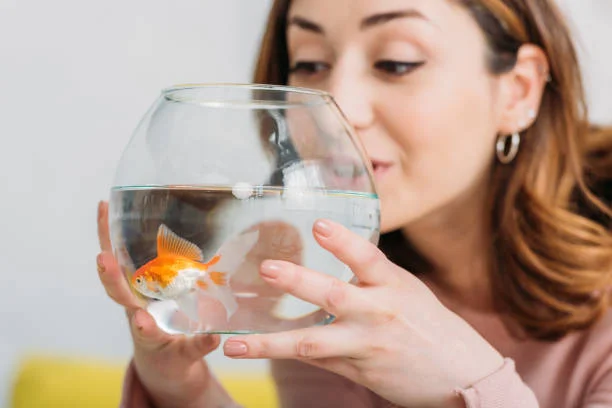
Moving day is stressful enough without worrying about your finned friends. Yet here you are, staring at your aquarium, wondering how on earth you’ll get everyone to your new place alive.
Good news: transporting your pet fish doesn’t have to be a nightmare. With proper preparation and the right equipment, your aquatic pets can survive the journey and thrive in their new habitat. This guide breaks down everything you need to know, from gathering supplies to post-move care.
Why Fish Transport Is More Complex Than You Think
The Science Behind Fish Stress
- Fish rely on stable water conditions for survival, including consistent temperature, oxygen levels, and pH balance.
- Any disruption to their environment triggers a stress response that weakens their immune system.
- Prolonged stress can lead to disease, behavioral changes, or death within days of the move.
Your aquarium isn’t just a glass box filled with water. It’s a carefully balanced ecosystem that took weeks or months to establish. The filter alone contains billions of beneficial bacteria that process fish waste into less harmful compounds.
Here’s an important consideration many guides overlook: the “cycling crash” poses a significant risk during relocations. When your filter sits without power for hours, those beneficial bacteria begin dying off. By the time you set up the aquarium at your new house, ammonia levels can spike dangerously because your biological filtration has been compromised.
Species-Specific Survival Tendencies
- Betta fish tend to tolerate transport conditions reasonably well, often handling 24-48 hours with minimal oxygen supplementation under favorable conditions.
- Discus and angelfish typically require precise temperature maintenance and generally struggle with journeys exceeding 24 hours.
- Goldfish produce more waste than most species, meaning ammonia buildup tends to become a concern more quickly.
Not all fish handle travel equally. Your hardy danios might manage a cross-country trip, while your sensitive discus struggle with a 30-minute drive. Understanding your specific species’ general tolerances helps you plan accordingly.
Factors like fish size, stocking density, water temperature, and oxygenation all influence how long your aquatic pets can safely travel. When in doubt, assume shorter safe windows and plan for contingencies.
Essential Equipment for Safe Fish Transport
Primary Supplies You’ll Need
- Plastic bags – Heavy-duty poly bags designed for fish transport, available at aquarium stores.
- Five-gallon buckets – Brand new ones with secure lids to avoid chemical contamination.
- Battery-powered air pump – Critical for journeys exceeding four hours.
- Insulated cooler – Maintains stable temperature during the trip.
- Fish net – For safely transferring your aquatic pets between containers.
The container you choose depends entirely on your journey length. For short trips under two hours, plastic bags work well. They’re lightweight, easy to pack, and provide adequate oxygen when properly filled.
For longer relocations, buckets become essential. They hold more tank water, accommodate an air pump easily, and protect fish from the sloshing that occurs during sudden stops. Just make sure you buy new ones – even trace amounts of cleaning chemicals can harm fish rapidly.
Temperature Control Equipment
- Insulated shipping boxes or styrofoam containers prevent rapid temperature swings.
- Heat packs work well for tropical species during winter moves.
- Ice packs wrapped in towels help prevent overheating during summer transport.
Temperature stability matters more than hitting an exact number. According to the American Veterinary Medical Association, fish can tolerate gradual temperature changes but experience stress when exposed to sudden fluctuations. A swing of 5°F or more in under an hour can be dangerous for many species, particularly sensitive tropical fish.
Pre-Move Preparation: The 48-Hour Countdown
Two Days Before Moving
- Stop feeding your fish immediately to reduce waste production during transport.
- Perform a 20% water change to ensure optimal water quality.
- Document current tank parameters, including temperature, pH, and ammonia levels.
Skipping meals might seem harsh, but fish benefit from empty digestive systems during transport. Fish can survive up to a week without food, and reduced feeding means significantly less waste in their travel container. Less waste equals lower ammonia, and lower ammonia equals healthier fish.
Take photos of your aquarium setup before you touch anything. After hours of driving and unpacking boxes, you may not remember exactly where that heater was positioned or how you arranged the decorations.
The Morning of Your Move
- Prepare all containers by filling them with existing tank water – never use fresh tap water.
- Transfer fish into bags or buckets using a net, working calmly and efficiently.
- Pack fish last so they spend minimal time in transport containers.
General timing guidelines to consider: fish in sealed plastic bags without supplemental oxygen typically have roughly one hour of safe transport time. With pure oxygen added at your local fish store, that window can extend to approximately six hours. Buckets with air pumps can often safely transport fish for 24-48 hours, depending on stocking density and species.
The Transport Process: Getting There Safely
Plastic Bag Method (Short Trips)
- Roll the top of the bag down two-thirds to create buoyancy.
- Fill with one-third tank water and scoop fish inside using your net.
- Inflate with air, seal tightly with rubber bands, and double-bag for protection.
Plastic bags work well for local moves. The key is getting the water-to-air ratio correct. Your finned friends need that air space at the top – it’s where their oxygen comes from during the journey.
Double-bagging prevents problems. If your fish has spines or sharp fins, that outer bag becomes your insurance policy against punctures and leaks.
Bucket Method (Long Trips)
- Fill brand new buckets one-third with tank water using a siphon hose.
- Transfer fish carefully and continue adding water until three-quarters full.
- Thread an air pump hose through a small hole in the lid and secure tightly.
For cross-country moves, buckets are strongly recommended. The air pump provides continuous oxygen, and the secure lid prevents spills during highway driving. Without a proper lid, sudden braking can result in water displacement and fish escaping their container.
During the Journey
- Keep fish containers in your car, never in the moving truck where temperatures fluctuate significantly.
- Monitor water temperature every few hours using a digital thermometer.
- Drive smoothly – acceleration matters more than speed when it comes to fish safety.
Your aquatic pets should travel with you, not your furniture. Moving trucks aren’t climate-controlled, and summer temperatures inside a closed trailer can exceed safe thresholds quickly. This poses serious risks for any fish.
Setting Up at Your New Home
Why the Aquarium Comes First
- Unpack and set up your aquarium before most other items – prioritize it highly.
- Install the filter immediately to preserve any surviving beneficial bacteria.
- Add saved tank water first, then supplement with treated tap water if needed.
The cycling crash risk we mentioned earlier becomes critical at this stage. Every hour your filter sits powerless, more beneficial bacteria die. Getting that filter running quickly gives your biological filtration the best chance of recovery.
According to Cornell University’s College of Veterinary Medicine, ammonia poisoning is among the leading causes of fish death following relocations. A crashed cycle means your filter can’t process waste effectively, ammonia builds up, and fish suffer damage to their gills.
The Acclimation Process
- Float sealed bags in the aquarium for 15-20 minutes to equalize temperature.
- Add small amounts of aquarium water to the bag every five minutes.
- After 30-45 minutes of gradual mixing, gently release fish into their habitat.
Never transfer fish directly into the tank without acclimation. The pH difference between their travel water and the aquarium water can cause shock that harms fish within hours. Slow acclimation gives their bodies time to adjust gradually.
One common method involves adding approximately 10% new water every five minutes for at least six cycles. However, various acclimation approaches exist, and the key principle is gradual parameter equalization rather than any single formula.
Post-Move Care and Monitoring
The Critical First 48 Hours
- Keep aquarium lights dim initially to reduce additional stress on your finned friends.
- Resume feeding the day after arrival with small portions.
- Test water parameters daily for the first week, watching ammonia levels closely.
Your fish arrived safely, but monitoring remains important. Watch for signs of stress, including clamped fins, rapid breathing, loss of color, or hiding behavior. These symptoms indicate your aquatic pets may need intervention.
If ammonia readings rise above 0.25 ppm, perform an immediate 25% water change. Have water conditioner and test kits ready – they’re your first line of defense against post-move complications.
Signs of Successful Adjustment
- Normal swimming patterns typically return within 24-48 hours.
- Fish usually resume eating enthusiastically by day two or three.
- Coloration generally returns to normal brightness within a week.
Healthy fish explore their environment confidently. They swim at normal speeds, interact with tankmates appropriately, and show interest in food. If your fish are hiding constantly or refusing meals after 72 hours, water quality is likely the culprit.
When Professional Help Makes Sense
Consider Expert Assistance If:
- You’re moving more than 500 miles or traveling for multiple days.
- Your aquarium exceeds 75 gallons or contains rare, expensive species.
- You’re transporting saltwater fish, which require precise salinity maintenance.
Some moves are simply too complex for DIY transport. Saltwater setups in particular require specialized knowledge and equipment that most hobbyists don’t possess. The cost of professional fish shipping often compares favorably to replacing a tank full of marine specimens.
Final Thoughts
Moving with fish requires planning, patience, and the right equipment. Your aquarium represents weeks or months of careful ecosystem building – protecting that investment during relocation makes practical sense.
Start preparing at least a week before your move. Gather supplies early, stop feeding 48 hours out, and prioritize getting that aquarium running at your new place. Your finned friends depend on you to make informed decisions throughout this journey.
Ready to relocate with your aquatic pets? Bookmark this guide, create your supply checklist, and approach moving day with confidence. With proper preparation, your fish can make the transition to your new home successfully.

Professional Teeth Whitening for a Whiter, Brighter Smile

Nelonium: AI-Powered Security Solution for Data Protection Today

Fear OF God Essentials Hoodie Official Online Store

How an SEO Audit Identifies What’s Really Hurting Your Traffic

Architects in Croydon – Local Design & Extension Experts
-

 General4 months ago
Felixing: A Philosophy of Turning Simple Ideas into Wonders
-

 Health4 months ago
Lufanest: Effective Local Anesthesia with Fewer Risks
-

 General5 months ago
bardoek: The Artistic Heritage Inspiring Modern Creative Trends
-

 Fashion5 months ago
fashionisk .com – Your Ultimate Guide to Trendy, Smart Fashion
-

 General4 months ago
Discover Anonib AZN: An Anonymous Asian Forum
-

 Lifestyle5 months ago
Mariano Iduba: A Visionary Leader in Global Digital Growth
-

 Entertainment3 months ago
هنتاوي.com: Your Gateway to Arabic Anime Content
-

 Fashion5 months ago
Casîo: Explore Legacy, G-SHOCK Watches, Keyboards, and More