
Health
Building Healthy Smile Habits From a Young Age


From their first giggle to their first word, watching your child grow is a journey filled with milestones. One of the most critical—yet often overlooked—aspects of their early development is their oral health. Many parents mistakenly believe that because baby teeth eventually fall out, they don’t require the same level of vigilance as permanent teeth. However, the habits established during these formative years lay the groundwork for a lifetime of healthy smiles.
According to the Centers for Disease Control and Prevention (CDC), tooth decay remains one of the most common chronic diseases in children. The good news is that it is largely preventable. By introducing positive oral hygiene routines early, you not only protect your child’s primary teeth—which are essential for chewing, speaking, and holding space for adult teeth—but you also normalize the process of self-care. Here is a comprehensive guide to building resilient, healthy dental habits from a young age.
1. Begin Oral Care Before the First Tooth Arrives
Oral hygiene shouldn’t wait for the arrival of that first pearly white. In fact, bacteria can begin to accumulate in an infant’s mouth long before teething begins. To set the stage for good health, wipe your baby’s gums with a clean, damp washcloth or a piece of gauze after every feeding. This simple practice removes sugars from milk or formula and prevents bacteria from clinging to the gums.
Once the first tooth erupts, usually around six months of age, switch to a soft-bristled, infant-sized toothbrush. Using a smear of fluoride toothpaste no larger than a grain of rice is generally recommended by pediatric dental associations. This early introduction helps desensitize children to the sensation of having a toothbrush in their mouth, making the transition to toddler brushing much smoother.
2. Make Brushing a Bonding Activity, Not a Chore
For many toddlers and preschoolers, brushing time can become a battleground. To avoid power struggles, transform the routine into a fun, interactive event. Children learn best through mimicry, so brush your teeth alongside them to model proper technique. Show them how to brush in gentle circles, reaching the back molars and the gumline.
You can also leverage technology or entertainment to make the requisite two minutes fly by. There are numerous apps designed to gamify brushing, or you can simply play their favorite two-minute song. By associating oral hygiene with positive emotions and bonding time rather than strict discipline, children are more likely to adopt the habit willingly. Consistency is key here; doing it at the same time every morning and night cements the routine in their daily schedule.
3. Prioritize Regular Professional Checkups
Establishing a “dental home” early is vital. The American Academy of Pediatric Dentistry recommends that a child sees a dentist by their first birthday or within six months of their first tooth appearing. Early visits are less about aggressive cleaning and more about acclimatization. They allow the dentist to monitor growth and development, check for early signs of decay, and educate parents on proper care.
Finding the right provider is essential for this. You want a practice that understands the unique anxiety children may feel. For example, if you are looking for a kids dentist in South Jordan, finding a pediatric specialist who creates a welcoming environment is crucial for easing fear. A positive initial experience can prevent dental anxiety later in life, ensuring that your child views these visits as a normal, helpful part of staying healthy.
4. Rethink Snacking and Sipping Habits
Diet plays a massive role in the health of young teeth. Frequent snacking can be more damaging than the total amount of sugar consumed because it keeps the pH level in the mouth acidic for longer periods, which erodes enamel. Sticky foods like gummies, dried fruit, and even starchy crackers can cling to teeth for hours, providing a feast for cavity-causing bacteria.
Beverages are another common culprit. Putting a child to bed with a bottle of milk or juice can lead to “baby bottle tooth decay,” a condition where the liquid pools around the front teeth during sleep. Instead, encourage water as the primary thirst quencher, especially after meals, as it helps rinse away food particles and neutralizes acids. When you do offer treats, try to group them with mealtime rather than grazing throughout the day to allow saliva to do its natural protective work.
5. Master the Art of Flossing Early
Brushing alone misses about 35% to 40% of the tooth surface. Once a child’s teeth begin to touch—often around age two or three—it is time to introduce flossing. Food particles and plaque can easily get trapped in these tight spaces, leading to interproximal cavities (cavities between teeth).
Since young children lack the manual dexterity to floss effectively on their own, this will be a parent-assisted task for several years. Floss picks are often easier for parents to maneuver in small mouths compared to traditional string floss. Making this a non-negotiable part of the nightly routine ensures that as they gain coordination, they will naturally take over the task themselves without questioning its necessity.
Conclusion
Building a foundation for oral health is a marathon, not a sprint. It requires patience, consistency, and a proactive approach to hygiene and diet. By starting gum care early, making brushing enjoyable, monitoring their diet, ensuring they see a professional regularly, and introducing flossing, you are giving your child the tools they need to maintain a sparkling smile. These small daily investments yield significant long-term rewards, protecting not just their teeth, but also their overall well-being as they grow.


In a bustling city like Charleston, the dynamic between daily stressors and cultural influences can have a significant impact on an individual’s mental health from Charleston therapist. Seeking guidance from a professional therapist can not only alleviate symptoms of anxiety, depression, and stress but also empower individuals to navigate their unique life circumstances with greater resilience and clarity.
Engaging with a Charleston therapist offers a strategic approach to personal growth and well-being. By exploring the benefits and strategies of connecting with a local therapist, individuals can take a significant step toward improved mental health. Below, we delve into the ways in which this connection can foster healing and empowerment.
Connecting with a Charleston Therapist: A Journey Toward Enhanced Mental Well-Being
Embarking on therapy with a Charleston-based clinician can serve as a cornerstone to bolstering one’s mental health. This therapeutic journey is grounded in the belief that local understanding enhances the connection between therapist and client, potentially leading to more effective and personalized support.
Therapists in Charleston are not only equipped with the professional expertise required to address a wide array of psychological challenges, they also bring an intimate knowledge of the social and cultural landscape. This can be invaluable in providing context-specific strategies that resonate with the client’s lived experiences.
charleston therapist To make the most of this opportunity, it’s worthwhile to seek therapy practices that emphasize the therapist-client fit. This fit is often the linchpin of successful therapy, so don’t hesitate to shop around or request initial consultations to find the right match for your unique needs and preferences.
Personalized Care and the Role of Therapeutic Relationships in Healing
Personalized care is a fundamental element of effective therapy, and in Charleston, therapists often prioritize crafting treatment plans that are tailored to each client’s specific situation. The therapeutic relationship acts as a vehicle for healing, with its quality directly affecting outcomes.
Studies show that the alliance between a therapist and their client is one of the strongest predictors of therapeutic success. Charleston therapists who spend time building rapport and understanding their clients’ circumstances can create a safe space for open communication and vulnerability, both of which are critical for effective therapy.
When searching for a therapist, prospective clients should look for professionals who demonstrate empathy and a deep commitment to understanding their individual stories. This personalized approach not only aids in recovery but also promotes sustained mental well-being beyond the therapy room.
How Therapy in Charleston Addresses Unique Life Stressors and Cultural Factors
The effectiveness of therapy is often hinged on how well it addresses the unique stressors and cultural factors influencing an individual. In Charleston, therapists are attuned to the specific pressures that come with living in this historic and diverse city.
Whether it’s navigating the complexities of a fast-paced urban environment, dealing with historical socioeconomic dynamics, or coping with the pressures of maintaining a certain lifestyle, Charleston therapists understand these nuanced factors. They draw upon this understanding to provide strategies that are relevant, respectful of cultural values, and effective in mitigating stress.
Consider discussing any cultural considerations or life stressors with your therapist upfront. An effective Charleston therapist will integrate these into your therapy, ensuring a more holistic and culturally-sensitive approach to your mental well-being.
Strategies for Finding the Right Charleston Therapist to Support Your Mental Health Goals
Finding the right therapist is a critical step in ensuring that your mental health goals are met. In Charleston, where options may be plentiful, key strategies can help in making an informed choice.
Begin by identifying what you need from therapy and what characteristics you value in a therapist. Look for licensed professionals with experience in the issues you’re facing, and don’t be afraid to ask about their therapeutic approach. Reading testimonials and reviews can also offer insights into what working with a particular therapist might be like.
Finally, consider logistics such as office location, availability, and whether they accept your insurance. Feel free to set up initial consultations with potential therapists to discuss your goals and gauge comfort levels before committing to ongoing sessions.
Ultimately, connecting with the right therapist in Charleston plays a pivotal role in managing mental health effectively. Through personalized care, an understanding of local cultural nuances, and a collaborative therapeutic relationship, individuals can make meaningful progress towards their mental health goals. Remember that the journey to mental well-being is a personal one, and choosing a therapist who aligns with your needs is instrumental in facilitating growth and healing.
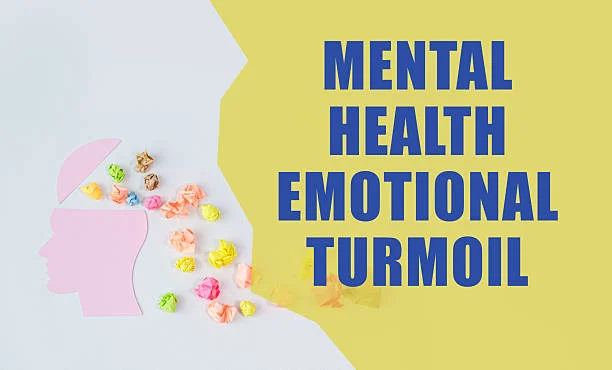
Burnout rarely arrives as a dramatic collapse. More often, it builds through smaller signals that people normalize too quickly: constant fatigue Mental health support, emotional numbness, irritability, reduced focus, and the growing sense that rest no longer restores anything meaningful.
That slow progression is exactly why early mental health support matters. Burnout becomes harder to reverse when people spend too long treating it like a motivation problem instead of a health issue shaped by stress, pressure, overload, and poor recovery. Support does not remove every demand from life, but it can help people recognize what is happening earlier, respond with more clarity, and change the patterns that turn temporary strain into something more persistent and harder to unwind.
How Burnout Builds Beneath The Surface
Early Support Changes The Pattern
Mental health support helps most when burnout is still building rather than fully embedded into daily life. At that stage, many people are still functioning on the outside. They are working, answering messages, meeting deadlines, and maintaining basic responsibilities, which makes it easy for others to assume they are coping well. Internally, though, the picture is often different. Energy drops, patience thins, sleep becomes less restorative, and the person begins moving through the day with more dread than momentum. This is where support can interrupt the pattern before it settles into a chronic state.
A therapist, counselor, or mental health professional can help identify whether the person is dealing with stress overload, depression, anxiety, emotional exhaustion, or a combination of these factors. That distinction matters because burnout is often misunderstood as simple tiredness when it is actually affecting mood, concentration, and physical functioning at the same time. Early support gives language to the problem and helps people stop blaming themselves for not pushing through something that already requires a different kind of response.
Burnout Often Hides Behind Productivity
One reason burnout becomes chronic is that many people remain outwardly productive long after they have stopped feeling mentally steady. They keep performing tasks, but the work becomes heavier, slower, and more emotionally draining. Personal routines shrink, relationships receive less attention, and rest starts to feel like recovery from survival rather than normal fatigue. Mental health support helps expose that hidden imbalance before it hardens into a long-term pattern. It creates space to examine what the person is sustaining, what they are ignoring, and what cost that endurance is creating across the rest of life.
In some cases, people only seek help once they can no longer maintain the appearance of control, even though the internal strain has been escalating for months. A clinician or support setting such as a Los Angeles Mental Health Center may become relevant at that point not because the person has failed, but because they have spent too long functioning without enough emotional recovery. Support becomes useful here by challenging the idea that visible productivity equals mental stability. It helps people measure their condition more honestly and act before exhaustion becomes their permanent baseline.
Boundaries Become Easier To Build
Mental health support also helps people manage burnout by making boundaries feel more realistic and less like personal weakness. Many people know, at least in theory, that they need more rest, clearer limits, and less constant availability. The problem is that knowing this intellectually is not the same as being able to act on it consistently. Burnout often develops in people who are highly responsible, highly accommodating, or deeply tied to roles that reward overextension. They may feel guilty saying no, uneasy stepping back, or afraid that slowing down will disappoint others or damage their identity.
Support helps by turning vague intentions into more concrete decisions. That can include setting limits around work communication, reducing unnecessary obligations, restructuring the day, or recognizing when a person’s environment is demanding more than they can carry without harm. These changes often sound simple from the outside, but they become much more achievable when someone has help unpacking the fear, guilt, and habits that kept the overextension in place. Burnout is less likely to become chronic when a person begins protecting their capacity before depletion becomes the only thing guiding their choices.
Emotional Recovery Needs More Than Time Off
Another reason mental health support matters is that burnout does not always resolve just because someone takes a short break. Time off can help, but chronic burnout usually involves more than physical tiredness. It affects how a person thinks, reacts, interprets pressure, and experiences their own responsibilities. Someone may take a weekend off, sleep more, and still feel a heavy return of dread the moment ordinary demands resume.
Support addresses this by helping people understand the deeper pattern underneath the exhaustion. In many cases, burnout is tied to perfectionism, chronic self-pressure, unresolved stress, people-pleasing, or long-term emotional strain that has never been processed properly.
Mental health care helps individuals identify these patterns instead of assuming that recovery depends only on stepping away briefly and trying again with more discipline. This is often where lasting progress begins. Rather than treating burnout as a temporary inconvenience, support helps people examine the system around it and the beliefs keeping that system intact. That deeper work matters because chronic burnout usually grows in places where rest is too short, self-expectation is too harsh, and emotional recovery has been postponed for far too long.
Support Helps Burnout Stay Reversible
Mental health support helps people manage burnout before it becomes chronic by making the problem visible earlier, clarifying what is actually happening, and helping them change the conditions that sustain exhaustion. It gives structure to a situation that often feels vague, personal, and easy to dismiss until its functions start to break down. More importantly, it reminds people that burnout is not a character flaw and not a sign that they simply need more willpower.
When support arrives early enough, burnout often remains more reversible. The person can rebuild rest, restore emotional balance, and strengthen boundaries before the stress pattern hardens into something much more disruptive. That is the real value of early intervention. It helps people respond while they still have enough capacity to recover with intention rather than waiting until depletion is running the entire conversation.

Are you struggling with substance use or mental health issues?
You are only one among many. Billions of people battle with these problems globally. As a victim, you must decide Addiction Treatment Center whether to stay where you are or find a treatment center miles away.
Although leaving your city or town gives you a breath of fresh air, the unfamiliarity can impact your social life and relationships. For that reason, many people choose addiction treatment facilities near their homes.
A local treatment center in Tampa, FL, adds comfort and familiarity to the equation. You can receive high-quality clinical care without feeling overwhelmed in a new city. This article analyzes the features and qualities of local addiction treatment centers, making them the best options.
1. A Support System Around You

As with a local addiction treatment center in Tampa, FL, you never leave your support system behind. In other words, you can effortlessly connect to friends or relatives who keep you in check. Therefore, you will never feel isolated as those you love are part of the process.
Many top-quality local centers leverage advanced family therapy and inclusive healing. They make it easy for your support system to attend sessions and offer the encouragement you need to battle the addiction monster.
2. Fewer Logistics and Less Stress
The early stages of addiction recovery focus on reducing cortisol levels and external pressure. People who choose facilities far from home introduce multiple logistical stresses. They end up anxious, delaying the recovery process because of the distractions that drain their mental energy.
Addicts who stay in the Tampa area remove the unwanted hurdles, creating a smoother on-ramp experience. Eliminating external noise ensures you can focus on therapeutic processes and personal growth.
3. Sunshine State Environment to Optimize Healing
In addition to quality programs, healing from addiction requires a serene environment. Local addiction treatments in the Tampa Bay area allow the victim to leverage the healing power of the sunshine.
You can make the most of the Gulf Coast’s warm climate and the serene Pinellas County’s coastal atmosphere. These thrilling atmospheres offer a calming backdrop that eases your mind and lowers your heart rate. The home-court advantage ensures your nervous system never overworks to adjust to the changing culture or climate.
4. Continuous Care via Telehealth

Many addicts struggle to transition from normal life to a high-support residential environment. The best thing about local centers in Tampa is their integration of local telehealth services with out-of-state programs.
These programs tether you to quality care, ensuring you maintain quality therapeutic relationships and progress despite being away from home. The providers are in the Tampa Bay area and are familiar with community challenges, local resources, and support groups. Consequently, all virtual sessions are robust, with therapists offering localized relapse prevention plans.
5. Immediate Access to Quality Care
The window of willingness is a courageous, fleeting moment when addicts decide to seek health. Because they have the willpower, they can capitalize on the momentum to recover fast. As with local addiction treatment centers, logistics are fewer, and access to services is almost instant.
You can book a space in your favorite treatment center to access near-immediate treatment. The instant response to your needs can motivate the healing process. Local facilities eliminate the distance barrier, ensuring you can begin your journey to healing the same day. The accessibility offers a sense of security, giving you the assurance of receiving care and attention when needed.
6. Access to Local Experts
Local addiction centers have trained clinicians who understand the local clients. These experts have deep knowledge of the environmental and cultural stressors. They understand social pressures and the local job market in Pinellas and Hillsborough counties. Because they know the neighbourhood triggers that can affect your sobriety, they can offer more tailored solutions.
Additionally, most local experts can speak your language, ensuring they personalize the program to your liking. When you work with a professional from your community, you can get superior therapy sessions. You can partner with a skilled clinical team with massive support networks and local resources. Personalized care guarantees better experiences.
7. You Can Build a Reliable Local Recovery Network

One exciting thing about a local rehabilitation facility is that, because of the local recovery network, you can build. Because you are in the same facility with people from your local home, you can continue with the friendship even after graduating from the facility. They can be your support system to navigate home life without a bustle. A local center connects individuals from your home area who can be your squad to be sober Addiction Treatment Center.
These built-in networks offer a safety net during vulnerable moments after the treatment. The transition into a sober lifestyle becomes easier and fun because you have a reliable team around you. Additionally, the localized connection transforms the experience into a sustainable lifestyle.
Wrapping Up
Many benefits are available with the best local treatment center in the Tampa Bay area. These benefits go beyond the geographical convenience. You can start your journey to sobriety with a reliable team of people from your community.
A local center is within your community, which eliminates the stress of traveling and moving away from home. The local placement ensures you can optimize your mental energy and achieve your sobriety goals. Because of the local availability, you can find purpose and stability within the world you live in. You have access to quality tools and relationships.
Hungry for more? We went deeper on this topic right here at Awareness Ideas.

How Connecting With a Charleston Therapist Enhances Mental Well-Being?

How Ordering Cheques Online Transforms Your Check Printing Experience?

How Installing a 5g Signal Booster Transforms Connectivity?

What Every Parent Needs to Know About Local Leash Laws and Safety

SSO CISD Login: Streamlining Access for Students, Parents, and Teachers
-

 General6 months ago
Felixing: A Philosophy of Turning Simple Ideas into Wonders
-

 Health6 months ago
Lufanest: Effective Local Anesthesia with Fewer Risks
-

 Entertainment5 months ago
هنتاوي.com: Your Gateway to Arabic Anime Content
-

 General7 months ago
bardoek: The Artistic Heritage Inspiring Modern Creative Trends
-

 General6 months ago
Discover Anonib AZN: An Anonymous Asian Forum
-

 Fashion7 months ago
fashionisk .com – Your Ultimate Guide to Trendy, Smart Fashion
-

 General6 months ago
Euroyungs com Explained: Multi-Niche Hub or Risky Site?
-

 Lifestyle7 months ago
Mariano Iduba: A Visionary Leader in Global Digital Growth