
Health
The Link Between Oral Posture And Preventive Dental Care

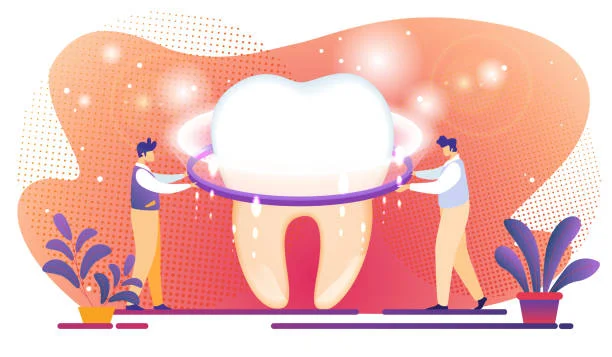
You might be feeling a bit unsettled right now. Maybe your child’s teeth are crowding even though you keep up with cleanings with a trusted family dentist in Laguna Niguel. Maybe you grind your teeth at night or wake up with a sore jaw, and your dentist keeps mentioning how your tongue rests or how you breathe. It can feel confusing. You brush, you floss, you show up, yet something still seems “off.”end
Because of this, you might be wondering if there is more to preventive dental care than cavities and cleanings. There is. How your lips, tongue, and jaw rest throughout the day and night, often called oral posture, quietly shapes your teeth, your bite, and even your breathing. The short version is this. Good oral posture supports preventive care, and poor oral posture can slowly undo it.
So where does that leave you. The good news is that once you understand this link, you can start making small, practical changes that protect your mouth, help treatments last longer, and support your overall comfort.
What is oral posture and why does it matter for everyday dental health?
Oral posture is simply how your mouth “rests” when you are not talking, chewing, or swallowing. Think about what happens when you are reading or watching a show. Are your lips gently closed. Is your tongue resting on the roof of your mouth. Are you breathing through your nose. Or is your mouth open, tongue low, and breathing a bit noisy.
In a healthy resting position, the lips are together without strain, the teeth are lightly apart or just barely touching, and the tongue rests up against the palate. This gentle, constant contact helps guide jaw growth in children, supports a stable bite in adults, and keeps the airway and muscles working more efficiently.
When oral posture is off, tiny forces act on the teeth and jaws for hours every day. Over time, those forces can narrow the upper jaw, crowd teeth, open the bite in the front, or place stress on jaw joints. That is why oral posture is increasingly seen as part of modern preventive oral care, not just an odd detail your dentist mentions in passing.
How can poor oral posture quietly undo your preventive efforts?
You might be brushing twice a day, watching sugar, and showing up for every checkup, yet still hearing about new problems. That mismatch between your effort and your results can be frustrating and discouraging.
Here are a few common ways posture in the mouth can work against you.
For a child who breathes through the mouth at night, the upper jaw may grow narrower, which can lead to crowding and a crossbite. Even after orthodontic treatment, if the mouth breathing and low tongue posture continue, teeth can slowly shift again. Parents often feel like they are paying for the same problem twice.
For an adult with a low tongue posture and tight lips, the front teeth may be pushed or pulled out of alignment. That same person may clench or grind at night as the jaw searches for a comfortable resting place. This can wear down enamel and crack fillings, which means more appointments, more cost, and more worry.
In some people, tongue thrust or other oral habits fall under what speech and language experts call orofacial myofunctional disorders. These can affect swallowing, speech, and dental stability. If you are curious about the medical side of this, the American Speech-Language-Hearing Association explains these patterns clearly at this clinical overview of orofacial myofunctional disorders.
Because of all this, you might start to ask a different question. Instead of “What is wrong with my teeth.” you begin to ask “How is my mouth actually resting all day and night.” That question opens the door to a more complete kind of preventive care.
Where does a general dentist fit into oral posture and long-term prevention?
You do not need a long list of specialists to start. Your general dentist is often the first person to notice that something about your oral posture is affecting your teeth or gums. During routine visits, your dentist looks not only at cavities and tartar, but also at signs such as dry lips, scalloped tongue edges, red or inflamed gums around crowded teeth, or wear patterns that suggest clenching.
When these patterns show up, your dentist might talk with you about breathing, sleep, tongue position, or habits like thumb sucking or chewing on objects. You might feel surprised, even a bit defensive. That is natural. No one likes to hear that something as automatic as breathing could be part of the problem.
The goal is not blame. The goal is to adjust the conditions in your mouth so that your preventive care actually works. Sometimes that means simple habit coaching. Sometimes it means working with other providers, such as an ENT for nasal issues, a myofunctional therapist for muscle training, or an orthodontist for growth guidance or alignment.
Public health resources are also paying more attention to these patterns. For example, some community oral health guides now talk about how tongue and jaw position affect growth and cavity risk. One example is a state-level oral health document that highlights early prevention strategies, which you can see in this PDF guide focused on oral health promotion.
Is it worth addressing oral posture as part of preventive dental care?
You might wonder if this is all too much. Life is busy. Teeth already take enough time and energy. To help you weigh it, here is a simple comparison of what usually happens when oral posture is ignored versus when it is addressed as part of regular care.
| Approach | Short-term Experience | Long-term Effect on Teeth | Impact on Comfort & Cost |
|---|---|---|---|
| Ignore oral posture issues | Fewer appointments now. Focus only on cleaning, fillings, and quick fixes. | Higher chance of relapse after orthodontics. Ongoing crowding, wear, or gum stress. | More repeat treatments over the years. Possible jaw pain and broken restorations. |
| Address oral posture with your dentist | A bit more discussion and possibly some exercises or referrals. | Better stability of tooth position. Gentler forces on enamel and gums. | Fewer surprises. Greater comfort and a stronger return on what you invest in your mouth. |
When you look at it this way, working on mouth posture for oral health is less about chasing a trend and more about protecting what you already care for so carefully.
Three practical steps you can take right now
1. Start noticing your resting position
Today, check in with yourself a few times. Ask three questions. Are my lips gently together. Is my tongue resting on the roof of my mouth, just behind my front teeth, not pressing against them. Am I breathing through my nose. If the answer is “no” most of the time, do not panic. Just try to reset when you remember. Change begins with awareness, not perfection.
2. Bring this up at your next dental visit
At your next cleaning with a general dentist, say something as simple as, “I have been hearing about the link between oral posture and preventive dental care. Do you see any signs that my posture is affecting my teeth or gums.” A good provider will be glad you asked. The conversation may lead to small habit changes, jaw or tongue exercises, or a referral if needed. The key is that you are no longer a passive patient. You are a partner in protecting your own mouth.
3. Support healthy posture with small daily habits
Try to keep your nose clear by managing allergies with your physician and using nasal rinses if recommended. Encourage children to chew foods that require gentle effort, such as cut-up fruits and vegetables, instead of only soft snacks. Limit long-term pacifier use or thumb sucking. At night, notice if you wake with a dry mouth or sore jaw. If you do, mention this to your dentist. These small signals help your provider connect the dots between posture, breathing, and dental health.
Moving forward with more control and less worry
You do not have to become an expert in oral posture to benefit from it. You only need to recognize that how the mouth rests is part of how the mouth stays healthy. By pairing good home care with attention to posture and regular checkups with a general dentist, you give your teeth and gums a much better chance to stay stable, comfortable, and easier to care for over time.
You have already invested time, money, and energy into your smile. You are not starting from zero. With a bit of awareness and the right support, the link between oral posture and preventive dental care can shift from something confusing to something you quietly use to your advantage.


You might be watching your pet right now, wondering if that strange behavior is “just a one‑off” or something serious. Maybe they skipped a meal, maybe they are breathing a little harder than usual, or maybe they yelped when you picked them up. Part of you hopes it will pass on its own, but another part of you is quietly scared you might miss something important—and that it might be time to call a veterinarian in Richmond, TX.
This is the hard spot many pet owners land in. Before a problem, your pet is playful, hungry, and predictable. After a problem starts, you are suddenly tracking every movement, every sound, every trip to the water bowl. You are not just worried about the money or the disruption to your day. You are worried about doing right by a creature that trusts you completely.
Because of this tension, you might wonder where the line is. When is it time to wait and watch, and when is it time to get in the car and head to an animal hospital. In simple terms, there are three big warning zones that should make you act quickly. Sudden changes in breathing or consciousness, signs of severe pain or injury, and ongoing problems like vomiting, diarrhea, or not eating that do not improve. If any of these show up, it is usually safer to have your pet checked.
So, this guide walks you through those three signs, explains what might be happening, and helps you decide when to choose an emergency visit instead of hoping things get better at home.
Is your pet’s breathing, alertness, or behavior suddenly different?
One of the clearest signs that it is time to visit an animal hospital is a sudden change in how your pet breathes, moves, or responds to you. You know their normal. When something feels “off” in a way you cannot ignore, it often means their body is working much harder than it should.
For example, if your dog is sitting still but breathing fast with their chest and belly heaving, or your cat is open‑mouth breathing, that is not something to wait on. Trouble breathing can point to heart problems, lung disease, allergic reactions, or even something stuck in the throat. The University of Wisconsin School of Veterinary Medicine offers a helpful overview of when to seek emergency care for your pet, and difficulty breathing is high on that list.
Changes in alertness matter just as much. If your normally bright, responsive pet suddenly seems weak, wobbly, collapses, or does not wake up easily, that can signal internal bleeding, low blood sugar, serious infection, or a neurological problem. Waiting at home in these moments can cost precious time.
So, where does that leave you. If breathing seems labored, gums are pale or blue, your pet collapses, has a seizure, or simply “is not there” the way they usually are, it is time to stop guessing and seek urgent care.
Is your pet showing clear signs of pain or visible injury?
Pain in animals is often quieter than in people. They cannot tell you “it is a 9 out of 10.” Instead, they may hide, growl, stop jumping on the couch, or refuse to be touched. You might notice your cat staying under the bed or your dog snapping when you reach for a sore area. Because they hide pain, visible signs usually mean the problem is already significant.
Some situations are obvious emergencies. A car accident, a fall from a height, a deep cut that will not stop bleeding, or a broken bone all need immediate attention. Even if your pet manages to stand or walk afterward, internal damage or shock can still be brewing quietly.
Other times the situation is less dramatic. Maybe your dog is limping and whining. Maybe your older cat cries when using the litter box. You might feel torn between not wanting to overreact and being afraid of missing something serious like a torn ligament, urinary blockage, or spinal issue.
When pain is severe, sudden, or affects basic functions like walking, urinating, or defecating, an emergency visit is usually the safest path. Pain that keeps your pet from eating, sleeping, or moving normally is rarely “just soreness.” It is their only way of asking for help.
Are vomiting, diarrhea, or appetite changes going on too long?
Every pet has the occasional off day. A single episode of vomiting after getting into the trash or one loose stool might not be urgent, as long as your pet bounces back and acts normal afterward. The trouble comes when these signs repeat, last longer than a day, or are combined with worrying changes in behavior.
Some red flags include vomiting more than once in a day, vomiting combined with diarrhea, blood in vomit or stool, or a pet that will not eat or drink and seems tired or withdrawn. These can signal poisoning, pancreatitis, intestinal blockage, or serious infections. In male cats, straining in the litter box with no urine output can mean a blocked urethra, which can become life threatening within a day.
If your pet is a young puppy or kitten, elderly, or has other health conditions, even mild vomiting or diarrhea can cause dehydration quickly. In those cases, waiting to see if things improve on their own is risky. You may also need to call for help if your pet has eaten a medication, plant, or household product they should not have. The FDA provides guidance on who to call if you have a pet emergency, including poison hotlines and veterinary contacts.
So if stomach issues last longer than 24 hours, are intense, or your pet seems “not themselves” on top of it, it is time to treat it as more than a simple upset stomach.
Should you wait, call, or go in person to an animal hospital?
When you are worried, the choice between waiting at home, making a phone call, or heading straight to an emergency clinic can feel heavy. A simple way to think about it is to compare the level of risk with the level of action you take.
| Situation | Example Signs | Recommended Action | Why It Matters |
|---|---|---|---|
| Monitor at home (short term) | One mild vomit, normal behavior, eating and drinking, no other symptoms | Watch closely for 12 to 24 hours. If symptoms repeat or worsen, call a vet. | Some minor issues resolve on their own, but you must be ready to act if anything changes. |
| Call your vet or emergency line | Limping, mild diarrhea, small cut that has stopped bleeding, mild behavior changes | Call your regular clinic or an emergency hospital for guidance. | A professional can help you decide if this can wait for an appointment or needs urgent care. |
| Immediate emergency visit | Trouble breathing, collapse, repeated vomiting, seizures, severe pain, heavy bleeding, suspected poisoning | Go to the nearest emergency pet hospital right away. | These signs can become life threatening quickly, and time sensitive treatment can save your pet’s life. |
Using this kind of mental checklist does not remove the worry, but it gives you a clearer way to act through it instead of freezing or second guessing every decision.
What can you do right now if you are unsure?
Uncertainty is often the hardest part. You care deeply about your pet, you do not want to ignore something serious, and you also do not want to put them through unnecessary stress. When you feel stuck, a few simple steps can bring more clarity.
1. Observe and write down specific signs
Take one or two minutes to note what you see. How is your pet breathing. Are they walking normally. Eating, drinking, urinating, and defecating as usual. When did the problem start. Did they get into anything unusual, like trash, plants, or medicine. These small details help veterinarians quickly understand what might be going on and how urgent it is.
2. Call a veterinary professional for guidance
If your regular clinic is open, describe the signs and ask if they recommend an urgent visit. If they are closed, many emergency animal hospitals answer questions by phone and can tell you whether to come in. For suspected poisoning, a pet poison hotline or the contacts listed by the FDA can guide your next steps. Do not be shy about calling. You are not “bothering” anyone. You are advocating for your pet.
3. Prepare a simple emergency plan for the future
Even if you are in the middle of a scare now, it helps to think ahead once things settle. Save the contact information for the nearest 24 hour animal hospital. Keep your pet’s records in one place. Make a short list of people who can help with transport or payment if needed. Planning does not mean you expect something bad. It means that if something does happen, you will spend less time scrambling and more time getting your pet the care they need.
Moving forward with more confidence and care
Worrying about your pet’s health is exhausting. You are trying to read signs in a body that cannot speak, and the weight of that responsibility can sit heavily on your shoulders. Still, you are not powerless. By paying attention to breathing and alertness, watching for clear pain or injury, and respecting ongoing problems with vomiting, diarrhea, or appetite, you give your pet a real safety net.
The decision to visit an animal hospital is rarely easy, yet in true emergencies, acting quickly is an act of love, not panic. Trust your instincts, use professional guidance when you can, and remember that you and your pet are on the same side. You both want the same thing. Relief, comfort, and more good days together.
You might be feeling a bit pulled in every direction right now. One child needs a cleaning, another has a chipped tooth from sports, you are overdue for a checkup, and somewhere in the middle of all that you are trying to figure out which type of dentist your family actually needs. It can feel like you are piecing together a puzzle with no picture on the box, but finding a dentist serving Wellston, Ohio can help bring everything into focus.
Because of that tension, you might be wondering if you really need different specialists for every concern, or if one trusted general dentist for your family’s care could handle most of it. You want good care, you want your kids to feel safe, and you need something that fits your time and budget.
Here is the short version. A good general dentist can become your family’s long-term partner for prevention, early treatment, and everyday guidance. Most routine and many advanced needs can be handled in one familiar office, which means fewer surprises, fewer referrals, and a lot less stress. When you do need a specialist, that same dentist can coordinate your care so you are not left on your own to figure things out.
So where does that leave you when you are trying to choose what is best for your household.
Why does choosing a general dentist feel so stressful in the first place
Part of the stress comes from not knowing what you do not know. Maybe you have seen advice that says you need a pediatric dentist for kids, a cosmetic dentist for whitening, and another office for gum problems. On paper that sounds thorough. In real life it can turn into three different waiting rooms, three sets of forms, and three separate bills.
There is also the emotional side. If you had a bad experience at the dentist as a child, you might worry about putting your own kids through anything similar. You want someone patient and kind. You want to avoid shame about “not flossing enough.” You want a place where your whole family is treated like human beings, not time slots.
Then there is the financial piece. Dental care can feel expensive. According to national data from the CDC, tens of millions of adults skip the dentist each year, and cost is a major reason. You can see some of these numbers in the CDC’s dental statistics. When every visit feels like a gamble, it is tempting to put things off until something hurts, which often means more complicated and more costly treatment later.
So if the choices feel confusing and the stakes feel high, that reaction is reasonable. You are not overthinking it. You are trying to protect your family.
How can a general dentist simplify life for your household
Think about what you actually need over the course of a normal year. Checkups. Cleanings. X rays. Maybe a filling or two. Possibly a night guard for clenching, sealants for kids, or help with sensitivity. A well trained family general dentist is set up for exactly this kind of ongoing care.
Here are four grounded reasons many households choose one primary general dentist as their home base.
1. One office for most of your everyday needs
Instead of juggling multiple practices, your general dentist can handle routine care for adults and often for children as well. They are trained to diagnose cavities, gum disease, early bite problems, and even signs of issues like grinding or sleep apnea. When the same dentist sees you regularly, small changes do not get missed as easily.
Imagine your teenager has a small cavity that is caught at a six month checkup. It can be treated quickly and comfortably. Now imagine that same cavity is not caught for two or three years because visits are scattered or delayed. You might be facing a root canal or even an extraction. That is the quiet power of consistent, general care.
2. A relationship that grows with your family
Dental fear is common, especially for kids. A general dentist who sees your family year after year can build trust in a way that one time visits never will. The staff learns your names, your preferences, and what calms you down when you feel tense in the chair.
For a nervous child, this kind of familiarity is priceless. The first visit might just be a ride in the chair and a simple exam. By the second or third visit, the child knows the routine and feels safer. That reduces tears, reduces the need for emergency visits, and sets them up for healthier habits as adults.
3. Focus on prevention, not just “fixing problems”
A strong general dentist is not only there when something breaks. They are there to help prevent issues from starting. The American Dental Association has helpful guidance on how to choose a dentist, and one clear theme is the value of preventive care.
Regular checkups, cleanings, fluoride, and sealants can dramatically reduce the risk of cavities and gum disease over time. The CDC also highlights simple habits like brushing with fluoride toothpaste and limiting sugary drinks as powerful tools for adults in its oral health tips. A general dentist weaves all of this into your care plan. Instead of reacting to emergencies, you are working together to prevent them.
4. Clear guidance on when you really need a specialist
There are times when a specialist is the right call. Complex root canals, advanced gum surgery, or jaw surgery are examples. The question is, how do you know when that time has come.
When you have a trusted general dental provider as your first stop, you do not have to guess. They can explain what is needed in plain language, show you images, and refer you to someone they trust when the situation calls for it. They stay in the loop, which keeps your care coordinated instead of scattered.
What practical differences should you consider when you choose family dental care
It can help to see the tradeoffs more clearly. Here is a simple comparison that many families find useful when deciding how to structure their care.
| Question | Rely mainly on one general dentist | Use separate dentists for each need |
| How many offices do you manage | Usually one main office for most care | Multiple offices for kids, adults, cosmetic, and more |
| Consistency of care | High. One team tracks your full history | Varies. Records and history are spread out |
| Time and scheduling | Family appointments can often be grouped | More separate visits and travel time |
| Cost control over time | More focus on prevention and early treatment | Higher risk of delayed care and urgent visits |
| When a specialist is needed | General dentist explains and coordinates referral | You may have to research and decide on your own |
This is not about choosing “right” or “wrong.” It is about matching your reality. If your family already juggles school, work, and activities, then one central home for your dental care can reduce friction and make it easier to stay on track.
What can you do right now to move toward better dental care for your household
You do not need to overhaul everything at once. A few focused steps can move you from worry to a clearer plan.
1. Decide what matters most to your family
Take five quiet minutes and list what you truly care about in a dentist. Is it gentle care for anxious kids. Evening hours. Clear prices. A small, familiar office. Or a larger practice with many services under one roof.
Once you know your priorities, it becomes easier to see which general dentists align with your values, not just with your insurance list.
2. Use trusted resources to create a short list
Combine personal recommendations with professional guidance. Ask people you trust about their dentist. Pay attention to comments about how staff treat them, how clearly treatment is explained, and whether they feel rushed.
Then compare those options with independent advice from places like the ADA’s guide on choosing a dentist and your insurance directory. Aim for a short list of two or three general dentists you would feel comfortable calling.
3. Treat the first visit as a two way interview
Your first appointment is not a life sentence. You are allowed to pay attention to how you feel in the office. Notice whether the team explains findings in everyday language. See if the dentist asks about your goals and your budget, not just your teeth.
Ask simple questions such as “How do you handle anxious patients” or “What is your approach to prevention for kids and adults.” A good general dentist will welcome those questions. They know you are trying to build a long term relationship, not just get through one appointment.
Bringing it all together for your family’s everyday care
Choosing a general dentist for your household is really about choosing stability. It is about having one trusted place to turn when a tooth aches, when a child chips a tooth, or when you simply want to know you are doing the right things at home.
You do not have to have every answer right now. You only need the next step. Clarify what matters to you, create a short list, and schedule that first visit. Each small move replaces a bit of worry with something steadier. Over time, those simple visits can add up to fewer surprises, healthier smiles, and a lot more peace of mind for you and your family.

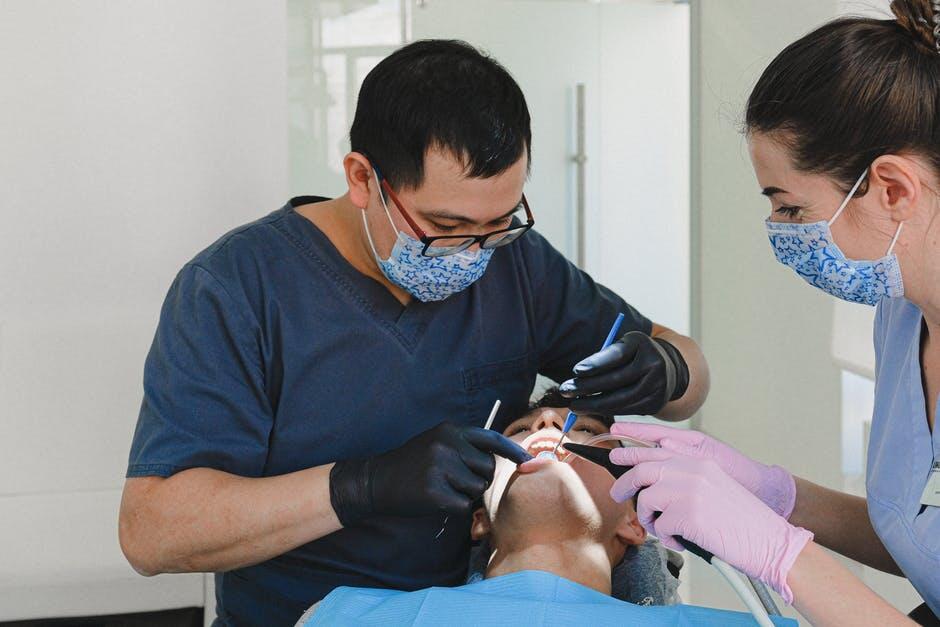
Good oral health plays an important role in overall well-being. Healthy teeth and gums can improve comfort, confidence, and quality of life. While daily brushing and flossing are important, long-term oral wellness also depends on receiving proper dental care.
Choosing a dental provider that offers comprehensive services can help prevent problems and support healthy habits for years to come.
Regular Preventive Care Matters
Preventive care is the foundation of long-term oral wellness. Routine dental visits help identify small problems before they become serious. Regular cleanings remove plaque and tartar that daily brushing may miss.
Dental exams can also detect signs of tooth decay, gum disease, and other oral health concerns. Early treatment often reduces discomfort and lowers treatment costs. A dental practice that focuses on prevention helps patients maintain healthy smiles and avoid unnecessary complications.
Education is another important part of preventive care. Patients should receive guidance on brushing, flossing, and making choices that support good oral health.
A Wide Range of Dental Services
Comprehensive care means having access to different types of dental treatments in one place. This can include preventive care, restorative treatments, cosmetic services, and emergency care.
When a dental office offers a broad range of services, patients can receive consistent care throughout different stages of life. This approach creates a better understanding of each patient’s dental history and needs.
Many people look for a trusted dentist in Antioch, TN who can provide both routine care and more advanced treatments when necessary. Having access to multiple services under one provider can make dental care more convenient and effective.
Personalized Treatment Plans
Every patient has unique dental needs. A good dental provider takes the time to understand each person’s health history, concerns, and goals. Personalized treatment plans help ensure that care is tailored to the individual rather than using a one-size-fits-all approach.
For example, some patients may need additional support for gum health, while others may focus on restoring damaged teeth. Customized care allows dental professionals to address specific concerns and create realistic plans for maintaining oral wellness.
Patients should feel comfortable asking questions and discussing treatment options. Open communication helps build trust and leads to better outcomes.
Modern Technology and Patient Comfort
Technology can improve both diagnosis and treatment. Modern dental equipment often allows providers to detect issues earlier and perform procedures more efficiently.
Digital imaging, advanced diagnostic tools, and updated treatment methods can support more accurate care. These tools may also improve patient comfort and reduce treatment times.
A welcoming environment is also important. Patients are more likely to attend regular appointments when they feel comfortable and respected. Friendly staff and clear communication can make a positive difference in the overall dental experience.
Long-Term Support and Follow-Up Care
Oral wellness requires ongoing attention. A quality dental provider offers continued support beyond individual appointments. Follow-up visits help monitor progress and ensure treatments are working as expected.
Long-term care also includes tracking changes in oral health over time. Regular evaluations help identify new concerns before they become serious problems. Consistent care can support healthy teeth and gums throughout every stage of life.
Providers who focus on long-term relationships often help patients stay motivated and committed to good oral health habits.
Learn All About Long-Term Oral Wellness
Comprehensive dental care involves more than treating problems when they occur. It includes preventive services, personalized treatment plans, modern technology, and ongoing support.
Choosing a provider that offers complete care can help protect oral health for many years. With the right approach, patients can enjoy healthier smiles, greater comfort, and better overall well-being throughout their lives.

3 Signs It’s Time To Take Your Pet To An Animal Hospital

The Link Between Oral Posture And Preventive Dental Care

How Accounting Firms Help Businesses Navigate Digital Transformation

4 Reasons To Choose A General Dentist For Your Household’s Care

What to Look for in Comprehensive Care for Long-Term Oral Wellness
-

 General2 months ago
What Is Felixing? The Truth Behind a Junk Keyword
-

 Health9 months ago
Lufanest: Effective Local Anesthesia with Fewer Risks
-

 Entertainment2 months ago
هنتاوي.com: Your Gateway to Arabic Anime Content
-

 General10 months ago
bardoek: The Artistic Heritage Inspiring Modern Creative Trends
-

 General9 months ago
Discover Anonib AZN: An Anonymous Asian Forum
-

 Fashion2 months ago
Fashionisk .com Explained: A Closer Look Before You Click
-

 Technology10 months ago
Aponeyrvsh: A Modern Framework for Innovation and Resource Use
-

 Lifestyle10 months ago
Mariano Iduba: A Visionary Leader in Global Digital Growth