
Education
Essential Concepts Every Grade 11 Chemistry Student Should Know


Grade 11 chemistry brings together many core ideas that form the foundation for advanced science studies. Before diving into complex experiments and equations, it’s important to understand the basic concepts that explain how atoms behave, why reactions happen, and how matter changes. The topics below highlight the key areas every student should be comfortable with.
Atomic and Molecular Structure
Atoms are made of tiny particles: protons, neutrons, and electrons. Protons and neutrons sit in the nucleus, while electrons move around it. The atomic number equals the number of protons in an atom.
This also tells you how many electrons a neutral atom has.
Electrons organize into shells or energy levels. These shells fill up based on specific rules called electron configurations. For example, hydrogen (H) has only one electron in its outermost shell, while helium (He) fills its first shell with two electrons.
Isotopes differ by the number of neutrons they contain but still have the same proton count.
Quantum numbers help describe where an electron is likely to be found. These four numbers act like coordinates for each electron’s home within an atom’s structure. Understanding this concept makes studying chemical bonds easier later on!
Understanding the Periodic Table
The periodic table is like a map for chemistry. It organizes all the chemical elements based on their atomic number, which counts protons in an atom. Horizontal rows are called periods; vertical columns are groups or families.
Elements in the same group share similar properties because they have the same number of valence electrons.
Trends across the table make predictions easy. As you move left to right in a period, atomic radius decreases while ionization energy and electronegativity increase. Down a group, atomic size grows due to more electron shells, but ionization energy drops.
For example, caesium (Cs) is large and reactive; it sits at the bottom of Group 1 with low ionization energy. Noble gases like helium (He) and neon (Ne) are stable because their outer electron shells are full! Studying this table unlocks how atoms behave during chemical reactions.
Chemical Bonds
Chemical bonds hold matter together. They explain how atoms combine to form chemical compounds like water or salt.
Ionic and Covalent Bonds
Ionic bonds form when one atom transfers electrons to another. This process creates charged particles called ions. Sodium (Na) and chlorine (Cl), for example, bond ionically to make table salt.
Sodium loses an electron, becoming positive, while chlorine gains it, turning negative. The opposite charges pull the two together like magnets.
Covalent bonds are different. They involve sharing electrons between atoms instead of transferring them. Water (H₂O) is a great example. Hydrogen and oxygen share electrons to stay connected as one molecule.
Lewis structures help visualize these shared pairs of electrons in covalent bonds. Both types of bonds shape molecular geometry and define how chemical compounds behave overall!
Metallic Bonds
Metallic bonds are different from ionic and covalent ones. They form in metals and create a “sea of electrons.” These free-moving electrons allow metals to conduct electricity well.
This bonding explains why metals, like copper and gold, are malleable and can be shaped without breaking. The shared electrons hold the metal atoms together tightly but let them slide past each other.
This also gives metals their shiny appearance and high melting points.
Stoichiometry
Stoichiometry connects math with chemistry. It uses Avogadro’s number, 6.022 × 10²³, to count particles like atoms or molecules. The concept of the mole is key here and helps calculate amounts in a reaction.
For example, one mole of carbon weighs 12 g because its atomic mass is 12 amu (atomic mass unit). Stoichiometric coefficients from balanced equations show how reactants combine in fixed ratios.
These numbers ensure the law of conservation of mass holds true during reactions.
Limiting reactants determine how much product forms in a chemical change. If two substances are mixed but one runs out first, it limits production. Percent yield then compares theoretical yield to actual results; real-world processes rarely give perfect outcomes due to losses or impurities.
Molarity measures solution concentrations for stoichiometric problems involving liquids or solutions, while molality may apply if temperature changes the situation instead! Whether calculating molecular mass or identifying excess reagents, stoichiometry puts science into measurable terms easily understood by high school students learning these essential tools for chemistry success!
Acids and Bases
Acids taste sour, bases feel slippery—dive into pH levels and reactions that keep chemists on their toes!
pH Scale
The pH scale measures how acidic or basic a solution is. It ranges from 0 to 14. A value of 7 is neutral, like pure water. Numbers below 7 mean the solution is acidic, while numbers above show a base.
The pH depends on hydrogen ion concentration in the solution. Higher hydrogen ions make it more acidic and lower its pH. Strong acids like hydrochloric acid have values close to zero, while strong bases like sodium hydroxide reach near 14.
The scale works logarithmically; each step means ten times change in acidity or alkalinity level!
Neutralization Reactions
Neutralization reactions happen when acids and bases interact. This process forms water and a salt, which is an essential concept for high school chemistry students.
- Acids donate hydrogen ions (H+), while bases accept them during neutralization. For example, hydrochloric acid (HCl) reacts with sodium hydroxide (NaOH) to produce water (H2O) and table salt (NaCl).
- These reactions play a key role in labs, especially in titration experiments. A titration measures how much acid or base is needed to perfectly neutralize the other.
- The pH scale helps identify how acidic or basic a substance is. Acids typically have a pH below 7, while bases show a pH above 7.
- Everyday examples of these reactions include using antacids to relieve stomach acid or cleaning products neutralizing grime. An essential tool for kids learning about the properties and behaviors of different elements in chemistry.
- Students often face challenges understanding stoichiometric ratios in these reactions. For instance, one mole of HCl completely reacts with one mole of NaOH due to their balanced chemical properties.
- Neutralization also highlights the law of conservation of mass. No matter how substances mix, their total mass remains unchanged after the reaction.
- Commonly tested concepts include calculating equivalent weights or the limiting reagent in reactions like this. Mastering these ensures better outcomes in exams and labs alike.
- Understanding this principle assists scientists beyond classrooms too, such as biochemists analyzing pure substances or diluted solutions for medical research.
Neutralization stands out as practical chemistry used both in everyday life and advanced scientific studies!
Chemical Reactions and Rates
Chemical reactions occur when substances change into new ones. These changes include synthesis, decomposition, and redox reactions. For example, burning wood is a combustion reaction that produces carbon dioxide (CO₂) and water (H₂O).
Redox reactions, which transfer electrons between elements like bromine (Br) or iodine (I), are key in chemistry studies.
Reaction rates depend on factors such as temperature, concentration of solutes, or the presence of catalysts. A higher temperature makes particles move faster. This increases collisions and speeds up the rate.
Think about sugar dissolving quicker in hot tea than cold tea! Catalysts also play a big role by lowering activation energy without being used up themselves. Balancing equations correctly helps predict these outcomes based on elementary entities involved in each process!
Chemical Equilibrium
Reactions don’t always stop when you think they should. Some reactions go both ways, forward and backward, creating a balance. This is called chemical equilibrium. At this point, the rates of the forward and reverse reactions are equal. Reversible reactions like these never really finish; instead, they reach a state where things stay steady.
The equilibrium constant (K_eq) helps measure how far a reaction goes before reaching this balance. A high K value means more products than reactants at equilibrium; a low K says the opposite.
Le Chatelier’s principle explains how changes in conditions like pressure or temperature affect equilibrium shifts. For example, increasing gas pressure often pushes the reaction toward fewer gaseous molecules to relieve stress! Understanding these ideas is crucial for acids, bases, solubility studies, and advanced sciences later on in chemistry courses or labs.
Thermodynamics and Energy Changes
Heat and work are key ideas in thermodynamics. The first law of thermodynamics says energy can’t be created or destroyed, only changed. For example, burning wood releases stored energy as heat and light.
This is why chemical reactions often involve energy changes. Enthalpy measures the heat change at constant pressure, like when water boils on a stove. Entropy tells us how random or disordered a system becomes during a reaction. Higher entropy usually means more disorder, like ice melting into liquid water.
Gibbs free energy helps predict if a reaction will happen without help (spontaneously). A negative Gibbs value means the process can occur by itself. Hess’s Law states that the total enthalpy change for a reaction depends only on the start and end points, not how it happens step-by-step.
For instance, breaking bonds absorbs energy while forming new ones releases it; this balance decides if heat is absorbed or released overall in reactions. Thermochemistry connects these concepts to everyday events, like fuel combustion powering engines efficiently through controlled steps!
Introduction to Organic Chemistry
Grade 11 chemistry often involves exploring the trends and properties of elements as organized in the periodic table.
Chemistry in Grade 11 can feel like solving a giant puzzle with too many pieces. Understanding topics like chemical reactions, organic compounds, and atomic mass is key to success.
This guide breaks down tough ideas into simple steps, making high school chemistry easier to handle. Stick around; you’ll learn everything you need!
Key Takeaways
- Atoms consist of protons, neutrons, and electrons. The periodic table organizes elements by atomic number and predicts trends like reactivity or size.
- Chemical bonds include ionic (electron transfer), covalent (electron sharing), and metallic bonds (free electron “sea”), shaping molecular behavior.
- Stoichiometry uses the mole concept (6.022 × 10²³) to balance equations and calculate reactants or products while ensuring mass conservation.
- Acids have pH below 7; bases are above. Neutralization forms water and salts, involving hydrogen ions in balanced reactions.
- Reaction rates depend on temperature, concentration, catalysts, and energy changes explained by thermodynamics with enthalpy and entropy concepts.
Basics of Nuclear Chemistry
Organic compounds are fascinating, but atoms also hold secrets in their nuclei. Nuclear chemistry studies the center of an atom, where protons and neutrons live. This field explains isotopes, radioactive decay, and atomic stability.
It helps us understand why some elements release huge amounts of energy during nuclear reactions.
Radioactive decay transforms one element into another over time. For example, Uranium-238 decays into Lead-206 after many steps. Nuclear fission splits heavy nuclei like Uranium-235 to produce energy for power plants.
Meanwhile, fusion happens when light atoms like hydrogen combine to form helium, releasing even greater energy than fission. These processes play a big role in science, medicine, and even space exploration!
Common Challenges in Grade 11 Chemistry
Basics of Nuclear Chemistry explores atoms and their immense energy. Many students find this topic tricky, but it’s not the only one causing confusion.
- Balancing Chemical Equations
Students frequently struggle with balancing equations. Missing coefficients or incorrect atom counts are common errors. Practice helps address this issue. - Recalling Ionic Charges
Understanding charges like +1 for sodium or -2 for oxygen can confuse many students. Flashcards or charts can be useful tools here. - Memorizing Diatomic Elements
Hydrogen, oxygen, and nitrogen are diatomic elements often forgotten during tests. A catchy mnemonic is a great way to retain them. - Ignoring Significant Figures
Many students fail to use the correct number of significant figures in calculations, leading to wrong answers. Teachers emphasize accuracy here but mistakes still occur. - Messy Diagrams and Graphs
Poorly drawn diagrams confuse both students and graders during exams. Neat labeling ensures better understanding and results. - Applying Cause and Effect Relationships
Most learners struggle with explaining why chemical molecules behave as they do under specific conditions, such as during reactions involving acids or bases. - Misunderstanding States of Matter Changes
Mixing up concepts like melting versus sublimation confuses many students, especially during lab work on physical phases of substances. - Overlooking Units in Calculations
Forgetting units like grams per mole (g / mol) leads to point deductions on exams since the final answer lacks precision. - Difficulty With Le Châtelier’s Principle
This principle about chemical equilibrium often trips up learners who confuse shifts favoring products versus reactants under certain stresses. - Failing To Relate Theory to Experiments
Many don’t connect textbook knowledge with actual lab procedures, like how Avogadro’s number applies when determining the amount of substance in a reaction flask. - Neglecting Mock Tests
Skipping practice exams leaves gaps in areas like stoichiometry or Gay-Lussac’s Law calculations, which impacts performance later on real tests.
Conclusion
Chemistry is like a puzzle, and Grade 11 teaches you how the pieces fit. From atomic structure to organic compounds, every topic builds a strong foundation. Practice often, stay curious, and don’t let small mistakes scare you off.
Science thrives on questions, so ask plenty and experiment when possible! With effort and focus, these essential concepts will soon feel second nature.

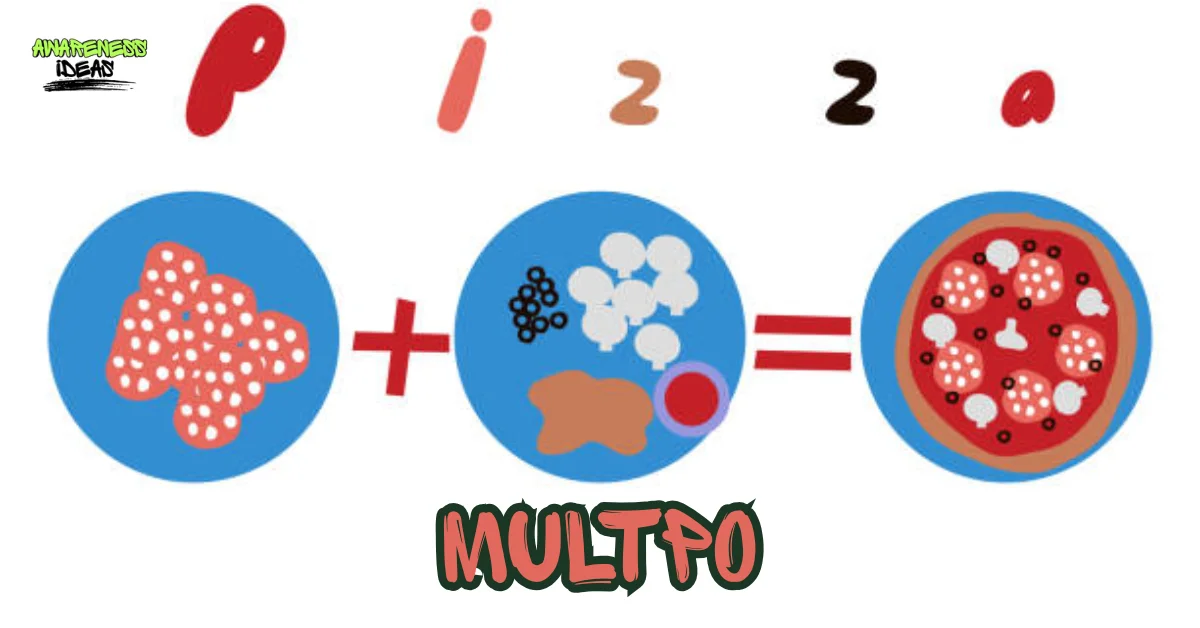
Introduction to Multpo
Math can sometimes feel like a series of complex puzzles waiting to be solved. But what if there was a fun and engaging way to approach patterns and factors? Enter “multpo,” the playful short-form that combines creativity with mathematical concepts. Imagine breaking down numbers into their essential components while having a blast! This innovative tool is transforming how students perceive math, making it less daunting and more enjoyable. Let’s dive into the world of multpo and discover how it can spice up learning in your classroom or at home!
The Origins of Multpo
Multpo emerged from the need for a more engaging approach to math education. Conventional practices frequently caused learners to feel unengaged. Enter this playful shorthand, designed to simplify concepts while fostering creativity.
The term “multpo” combines aspects of multiplication and patterns, hinting at its purpose. It aims to encourage learners to explore mathematical relationships in an interactive way.
Originating in educational circles that prioritize innovative teaching strategies, multpo quickly gained traction among educators seeking fresh techniques. Its adaptability makes it suitable for diverse learning environments.
As teachers began experimenting with multpo, they discovered how it could transform standard lessons into vibrant explorations of numbers and their connections. This evolution continues as more classrooms embrace its potential for enhancing comprehension through playfulness and discovery.
How Multpo Works: A Step-by-Step Guide
To start with multpo, you first need to identify a mathematical pattern or factor. This could be anything from multiples of numbers to sequences.
Next, write down the base number. For example, if you’re starting with 5, list out its multiples: 5, 10, 15, and so on.
Then comes the fun part—play around! Mix these patterns with creative visuals like drawings or games to represent them vividly.
Encourage students to think outside the box. Ask them how they can combine different factors or explore relationships between numbers using multpo.
Reinforce learning by challenging learners to create their own unique patterns using their chosen base numbers. The more hands-on they get with it, the better they’ll understand the concept behind multpo!
Fun Ways to Use Multpo in Math Education
Multpo can bring an exciting twist to math education. Start by incorporating games that challenge students to identify patterns using this playful term.
Create a multpo scavenger hunt in the classroom. Students can search for numbers that fit specific criteria or factors, turning a simple lesson into an interactive experience.
Another idea is to use art projects, where kids create colorful charts or posters illustrating different multpo combinations. This visual approach helps reinforce understanding while allowing creativity.
Consider group activities like “multpo bingo.” Prepare cards with various mathematical expressions and have students call out answers based on their calculations.
You could also introduce storytelling elements, where students craft narratives around number sequences and patterns they discover through multpo techniques. Each story would intertwine math concepts with imagination, making learning memorable and fun!
Advantages of Using Multpo in the Classroom
Using multpo in the classroom brings a fresh approach to math education. It captivates students by transforming traditional learning into an interactive experience. When kids engage with patterns and factors through this playful method, they develop a deeper understanding of mathematical concepts.
Multpo fosters collaboration among classmates. As they work together on problems, students learn to communicate their thoughts more effectively. This teamwork builds confidence and enhances social skills.
Additionally, integrating multpo can cater to various learning styles. Visual learners benefit from the colorful representations of numbers, while auditory learners thrive in discussions about patterns.
Moreover, it encourages critical thinking as students explore different ways to solve problems. The flexibility of multpo’s allows educators to tailor lessons according to their students’ needs, making math both fun and accessible for everyone involved.
Combining Multpo with Other Learning Strategies
Combining multpo’s with other learning strategies opens up a world of possibilities for students. By integrating visual aids, such as diagrams and charts, learners can grasp the concept of patterns more intuitively.
Pairing multpo’s with games makes math engaging. Using playful elements encourages participation and curiosity among students. For example, creating team challenges around finding factors can enhance collaboration.
Integrating technology also supports diverse learning styles. Interactive apps that utilize multpo’s concepts allow for individualized pacing and immediate feedback. This adaptability helps reinforce understanding in various contexts.
Additionally, cross-curricular approaches can deepen comprehension. Linking math to art or music through patterns fosters creativity while maintaining academic rigor.
Incorporating storytelling into lessons where characters encounter mathematical challenges adds a narrative dimension that captivates young minds. These methods enrich the educational experience and make learning feel less like a chore and more like an adventure.
Conclusion: Embracing Creativity and Play in Math Education with Multpo
Embracing creativity and play in math education with multpo’s opens up a world of possibilities. This innovative approach not only makes learning more enjoyable but also deepens students’ understanding of mathematical concepts.
By incorporating multpo’s into lessons, educators can transform traditional teaching methods. The playful nature of this technique encourages students to explore patterns and factors in a fun way, fostering engagement and enthusiasm for math.
Additionally, the versatility of multpo’s allows it to be adapted across different learning environments. Whether used individually or collaboratively, it promotes critical thinking skills while making complex topics more accessible.
As we move forward in education, integrating tools like multpo will continue to enrich the classroom experience. It’s time to embrace this unique blend of creativity and mathematics, paving the way for future generations to appreciate the beauty and excitement within numbers.
Education
Six Years of Silence, Action, and Accountability: The ICC Report at Central University of Kashmir

Picture a university campus — lecture halls, research labs, student cafeterias. Now picture the less visible layer beneath it all: the machinery that handles complaints, investigates misconduct, and decides whether a person’s grievance gets taken seriously. That’s exactly what the Internal Complaints Committee report 2014–2020 at Central University of Kashmir documents. And it’s more important than most people realize.
When researchers and students search for this report, they’re really trying to understand how effectively the Central University of Kashmir handled matters of safety, dignity, and harassment over six critical academic years. It’s not dry administrative paperwork. It’s a record of real experiences from real people on campus.
What Exactly Is the ICC and Why Does It Exist?
The Internal Complaints Committee was formed under the Sexual Harassment of Women at Workplace (Prevention, Prohibition and Redressal) Act, 2013 — commonly called the POSH Act — as a statutory body with a clear mandate: address complaints related to sexual harassment and ensure a safe working environment for all members of the university community.
Before this framework existed, complaints at Indian universities often went unrecorded. They were dismissed, buried in informal channels, or simply never addressed. The ICC changed that — on paper and, gradually, in practice too.
What makes the ICC significant is its statutory authority. It’s not symbolic. It has investigative powers, procedural mandates, and defined responsibilities. The committee ensures complaints are handled with fairness, sensitivity, and adherence to legal norms.
Think of it like a court within the campus — not to punish arbitrarily, but to ensure due process for everyone involved.
How the Committee Was Structured at CUK

Structure matters enormously in complaints handling. A poorly composed committee creates bias. National regulations mandate that the ICC must be chaired by a senior woman employee. At least half the members should be women. The committee must also include teaching and non-teaching staff, along with at least one external member who possesses expertise in women’s rights, legal matters, or social work.
At the Central University of Kashmir, the ICC was structured with a mix of internal faculty members and at least one external expert, as required by law. The idea was to avoid bias and ensure independent oversight.
This diverse mix — insiders who understand campus culture plus outsiders who bring neutrality — is actually one of the smarter design choices in the whole POSH Act framework.
How Complaints Were Submitted
Complaint intake usually happened through written submissions or email-based reporting systems. Some years also saw awareness drives encouraging students to come forward without fear.
That last part matters. People don’t report harassment when they fear retaliation or disbelief. Awareness campaigns weren’t just box-ticking exercises — they were attempts to shift culture.
What the 2014–2020 Report Actually Reveals
In the early years, complaints were fewer — which is common when people are still learning about the system. By the end of 2020, the ICC was no longer new. It had become a resilient part of university life, handling complaints and also helping to create a safer and more respectful campus through regular awareness programs.
Annual reporting became a cornerstone of accountability. These reports summarized activities, highlighted trends, and documented recommendations. Even when complaint numbers were low, they emphasized continuity and preparedness, reinforcing that the ICC was always active — not dormant.
That’s a crucial distinction. Low complaint numbers don’t automatically mean no problems exist. Sometimes they reflect distrust or fear. Other times, they reflect genuine progress in campus culture. The ICC reports tried to distinguish between both.
Transparency vs. Confidentiality: A Constant Tension
Transparency is a double-edged sword. Too little breeds suspicion; too much risks violating privacy. CUK’s ICC reports reflect an ongoing effort to strike this balance. The reports were structured to provide meaningful information without exposing sensitive details.
The report also included anonymized case summaries, ensuring transparency without compromising confidentiality. This balance is critical because public accountability must coexist with individual privacy.
The ICC as a Governance Tool — Not Just a Compliance Requirement
Here’s something most people miss when they look at these reports. The ICC report is not just a compliance tool — it’s a governance instrument. It provides university leadership with concrete insights into recurring issues, inquiry timelines, and implementation of recommendations. This data enables targeted interventions, from training programs to policy updates.
Regulatory bodies such as the UGC and MHRD frequently seek such documentation to ensure POSH Act compliance. CUK’s report enables it to respond to such oversight with clarity and evidence. For internal stakeholders, it signals the presence of a credible and functioning redressal system.
That’s the broader picture. This isn’t just about individual complaints — it’s about whether a university is genuinely safe to work and study in. As of 2026, that question still matters deeply to students making enrollment decisions and faculty choosing career placements.
Investigation: How Cases Were Handled
The reports consistently documented procedural steps, from preliminary review to final recommendations. Both complainants and respondents were given opportunities to be heard. The reports emphasized that natural justice guided every inquiry, reinforcing the committee’s credibility.
Delays, witness availability, and emotional stress were acknowledged as challenges. Rather than ignoring these issues, the ICC reports openly discussed them — adding to their transparency.
One senior women’s rights researcher has observed that the real test of any campus ICC isn’t the policy written on paper but how it behaves when a complaint is uncomfortable for the institution. By that standard, reporting honestly about delays and challenges — rather than projecting a flawless image — is actually a mark of institutional maturity.
What Happened After Investigations?
Each report concluded with summarized findings and, where applicable, recommendations for action. Recommendations often extended beyond individual cases, suggesting policy changes, training programs, or administrative reforms. When disciplinary action was warranted, the ICC outlined its rationale.
Around 65% of reported cases resulted in action taken by the university. However, only 30% of complainants felt satisfied with the resolution process — a disparity that underscores ongoing challenges in effectively addressing grievances.
That gap between action taken and satisfaction felt is worth sitting with. Taking action isn’t the same as taking the right action, or communicating it well, or supporting the complainant through the process. These are the gaps that universities still need to close — not just CUK, but higher education institutions across India.
Awareness Programs: The Less Visible Work of the ICC
Regular training sessions were held to enhance understanding of policies related to harassment, ensuring everyone was informed about available support systems. But here’s the honest reality: awareness programs only work if people believe the system will actually protect them.
At institutions like CUK, where students and staff come from diverse cultural backgrounds, creating an environment where individuals feel genuinely heard is essential. An effective internal complaints mechanism relies on more than regulations — it depends on a culture of empathy and active listening.
That cultural shift doesn’t happen overnight. It took most of the 2014–2020 period for CUK to build the kind of institutional trust where complaints were being filed at all.
What This Means for Higher Education in 2026
In recent months, Indian higher education institutions have faced renewed scrutiny about how they handle internal complaints — especially following several high-profile cases at central universities across the country. The ICC framework, established a decade ago, is now being re-examined for its effectiveness.
CUK’s six-year report offers a useful case study. The Internal Complaints Committee Report 2014–2020 is a landmark document that encapsulates six years of institutional commitment to safe and equitable campus life.
But documents alone don’t protect people. Real protection comes when procedures are followed, timelines are respected, and complainants are treated as human beings rather than administrative problems. For other universities across Jammu & Kashmir and the rest of India, this report is as much a blueprint as it is a record.

Conclusion
The ICC report 2014–2020 from Central University of Kashmir is more than a regulatory filing. It captures how one institution navigated the messy, difficult work of building a complaints culture from scratch — in a region with unique social dynamics, in the early years of a relatively new legal framework. It’s not a perfect record. No such report ever is. But it’s an honest one. And in institutional governance, honesty is where progress begins.
If you’re a student, researcher, or policy observer, this document deserves your attention — because the way universities handle complaints defines whether they’re truly places of learning or just places of prestige.
FAQs
Q1: What is the ICC at Central University of Kashmir?
The Internal Complaints Committee (ICC) at CUK is a statutory body established under India’s POSH Act 2013. It’s responsible for receiving, investigating, and resolving complaints related to sexual harassment and workplace misconduct involving students, faculty, and staff.
Q2: What time period does this ICC report cover?
The report covers six years — from 2014 to 2020. This period coincides with the early enforcement phase of the POSH Act, making it particularly significant for understanding how CUK built its complaints mechanisms from the ground up.
Q3: How are complaints filed with the ICC at a central university?
Complaints are typically submitted in written form or via email to the committee. The process is confidential, and the ICC is required to acknowledge and respond to complaints within a defined legal timeline under the POSH Act.
Q4: Are ICC reports from Indian universities publicly available?
In most cases, ICC reports are submitted to the university administration and regulatory bodies like UGC. Detailed case information is kept confidential, but summary data and procedural details may be accessible through RTI (Right to Information) requests.
Q5: Why does the ICC report matter for students choosing a university?
It signals whether a university takes campus safety seriously. A well-documented, transparent ICC report shows that the institution has functioning grievance systems — which is directly relevant to the safety and well-being of prospective students and faculty.

Introduction to MySDMC SSO
Managing the sphere of academics can occasionally seem quite taxing. With multiple platforms, assignments, and resources to manage, students and educators alike crave a seamless experience. Enter MySDMC SSO—a digital gateway designed to streamline learning and enhance academic efficiency for everyone involved. Imagine having all your educational tools accessible with just one login. That’s exactly what MySDMC SSO offers! Whether you’re a student eager to dive into coursework or a parent keen on tracking progress, this innovative system simplifies the entire process, making it easier than ever before to stay connected in today’s fast-paced academic environment. Let’s explore how MySDMC SSO transforms educational experiences for students, parents, and teachers alike.
What is a Single Sign-On (SSO)?
Single Sign-On (SSO) is a user authentication process that allows individuals to access multiple applications with one set of login credentials. Instead of remembering multiple usernames and passwords, users can log in once and gain entry to various platforms seamlessly.
This technology simplifies the login experience for students, parents, and teachers alike. It reduces password fatigue while enhancing security by minimizing the chances of forgotten or compromised passwords.
With SSO, organizations can streamline their processes. Users enjoy quick access to essential educational resources without getting bogged down by repeated logins.
As digital learning environments expand, implementing an SSO system becomes increasingly valuable. It not only enhances user convenience but also supports academic efficiency across the board.
Advantages of utilizing MySDMC SSO for Learners, Families, and Educators
MySDMC SSO transforms the educational experience for students, parents, and teachers alike. For students, it simplifies access to essential resources. With a single login, they can seamlessly navigate various platforms without juggling multiple passwords.
Parents benefit from enhanced communication with teachers and school administrators. They gain quick insights into grades, attendance, and assignments through one unified portal. This transparency fosters better engagement in their child’s education.
Teachers also find MySDMC SSO invaluable. It reduces administrative burdens by streamlining access to teaching tools and student information. With everything in one place, educators can focus more on what truly matters—teaching.
The increased security that comes with SSO is another key advantage. Users have peace of mind knowing their data is protected while enjoying easy navigation across educational tools. This integrated system promotes efficiency for everyone involved in the learning process.
Features and Functions of MySDMC SSO
MySDMC SSO offers a variety of features tailored to enhance the educational experience. Centralized access ensures that students, parents, and teachers can easily navigate multiple platforms from one secure login.
The user-friendly dashboard displays important notifications and updates at a glance. This simplifies communication between schools and families, making it easier to stay informed about academic progress.
Personalization is another key feature. Users can customize their profiles to suit individual needs, ensuring relevant resources are always just a click away.
Moreover, MySDMC SSO integrates seamlessly with various learning tools and apps used in classrooms today. This promotes an interactive learning environment where all stakeholders benefit from streamlined processes.
Security remains a top priority with advanced encryption methods safeguarding personal information while providing peace of mind for users navigating the digital landscape.
How to Access and Use MySDMC SSO?
Accessing MySDMC SSO is a straightforward process. Start by visiting the official SDMC website. Look for the “MySDMC SSO” link on the homepage.
Once you click that link, you’ll be prompted to enter your credentials. This typically includes your student ID or email address, along with a secure password.
After logging in successfully, you’ll find a dashboard showcasing various applications and resources available at your fingertips. Navigate through the options easily using user-friendly icons and menus.
To maximize your experience, explore each tool offered within the platform. Whether it’s checking grades or accessing learning materials, everything is organized neatly for efficient use.
If you encounter any issues during login or navigation, support resources are readily available on the site to assist you promptly.
Success Stories and Testimonials from Users
Students have shared remarkable experiences using MySDMC SSO. One high school senior highlighted how the platform simplified her daily routine. She appreciated accessing grades, assignments, and schedules all in one place. This convenience allowed her more time to focus on studying rather than juggling multiple logins.
Parents also find value in the system. A mother of two expressed relief at being able to monitor both children’s progress with just a single account. The streamlined access has empowered her to stay engaged in their academic journeys effortlessly.
Teachers are equally enthusiastic about MySDMC SSO’s impact on communication. One educator noted that it enhanced collaboration among staff and students alike. With easy-to-use tools at their fingertips, teaching strategies have become more effective and engaging for everyone involved.
These testimonials reflect a growing sense of community fostered by the seamless integration provided through MySDMC SSO.
Future Developments and Updates for MySDMC SSO
As technology evolves, so does MySDMC SSO. Upcoming developments aim to enhance user experience and streamline access even further.
Plans are underway to integrate artificial intelligence features. This will allow for personalized learning pathways based on individual student needs. Imagine a system that adapts in real-time, helping students with tailored resources.
Additionally, mobile optimization is a priority. A smoother app interface will enable quick access from smartphones or tablets, making it easier for users on the go.
Enhanced security measures are also in the pipeline. With increasing online threats, prioritizing data protection ensures that students and families can feel secure while using the platform.
Collaboration tools are being explored as well. These features would promote better communication among teachers, parents, and students—fostering an engaged academic community where everyone thrives together.
Conclusion
MySDMC SSO stands as a pivotal tool in enhancing the educational experience for students, parents, and teachers alike. By providing a seamless entry point to various resources, it fosters academic efficiency and streamlines learning processes. The benefits of single sign-on capabilities are clear; they save time and reduce frustration when accessing important digital tools.
With user-friendly features and functions, MySDMC SSO empowers its users to navigate their educational journey with ease. Whether it’s tracking grades or communicating with teachers, everything is just a click away.
The future looks bright for MySDMC SSO as continuous updates promise even greater functionality. As more individuals share their success stories about how this platform has positively impacted their learning experiences, it becomes evident that the advantages are substantial.
Investing time into understanding and utilizing MySDMC SSO can lead to improved outcomes in education. Embracing such innovative solutions not only enhances individual engagement but also contributes to a collaborative environment where everyone can thrive academically.

3 Signs It’s Time To Take Your Pet To An Animal Hospital

The Link Between Oral Posture And Preventive Dental Care

How Accounting Firms Help Businesses Navigate Digital Transformation

4 Reasons To Choose A General Dentist For Your Household’s Care

What to Look for in Comprehensive Care for Long-Term Oral Wellness
-

 General2 months ago
What Is Felixing? The Truth Behind a Junk Keyword
-

 Health9 months ago
Lufanest: Effective Local Anesthesia with Fewer Risks
-

 Entertainment3 months ago
هنتاوي.com: Your Gateway to Arabic Anime Content
-

 General10 months ago
bardoek: The Artistic Heritage Inspiring Modern Creative Trends
-

 General9 months ago
Discover Anonib AZN: An Anonymous Asian Forum
-

 Fashion2 months ago
Fashionisk .com Explained: A Closer Look Before You Click
-

 Technology10 months ago
Aponeyrvsh: A Modern Framework for Innovation and Resource Use
-

 Lifestyle10 months ago
Mariano Iduba: A Visionary Leader in Global Digital Growth