
Health
Practical Ways to Enhance Comfort Through Daily Support


Everyone deserves a life that feels comfortable, safe, and steady-especially in everyday routines. Still, finding that sense of well-being can sometimes feel hard or even stressful. The good news is that small, supportive steps can make a big difference in how you feel each day. With simple changes and caring support, you can boost your comfort, improve safety, and build stronger connections with the people around you.
Let’s explore how supportive care can fit naturally into your daily life.
Understanding Supportive Care
Supportive care offers simple and caring help that aims to improve a person’s quality of life. It focuses on easing discomfort and supporting overall well-being, whether that means emotional support or help with daily tasks.
These caring efforts can improve mood and reduce feelings of loneliness. Learning the basics of supportive care is a helpful step toward feeling more comfortable and balanced each day.
Create a Safe Environment
Your surroundings play a big role in how safe and comfortable you feel each day. Take time to look around your living space and notice anything that could cause harm.
Simple steps like adding better lighting, clearing clutter, and keeping your home smoke-free can greatly improve safety and peace of mind.
- Install grab bars
- Use non-slip mats
- Add automatic lighting
These small changes help create a safe space where people feel supported and protected.
Establish Consistent Routines
Having a predictable daily schedule can greatly improve comfort, especially for people who feel anxious or confused at times. Consistent routines give a clear sense of structure and can help support thinking and memory. This is especially helpful for those facing memory loss or other health challenges.
Simple daily habits, like morning stretches or a calm evening routine, can create a steady rhythm to the day. These routines support healthy habits and help people feel more in control and at ease.
Foster Connection and Engagement
Social connection is an important part of supportive care and should not be overlooked. Spending time with friends, family, and the community supports mental health and helps reduce loneliness. Simple actions, like regular check-ins or joining group activities in person or online, can make a big difference.
Volunteering in your community is another great way to connect and share positive experiences. These moments not only improve your own comfort but also help others feel supported. If you want more ideas on how to improve your daily routines, discover supportive care tips that can be easily integrated into your life.
Practice Self-Care
Self-care plays a key role in improving comfort and overall well-being. Simple habits like mindfulness, regular movement, and healthy eating can support both body and mind. Making self-care a priority helps you feel stronger and more balanced each day.
Take time for hobbies or quiet moments to relax and recharge. This time to restore yourself can help you better care for yourself and support the people around you.
Taking the First Steps Towards Daily Support
Improving comfort through supportive care can be simple. Small steps-like creating a safe space, keeping steady routines, staying connected, and practicing self-care-can make a big difference.
Start by reviewing your surroundings and habits, and see how these practices can help you feel safer, calmer, and more supported.
Is this article helpful? Keep reading our blog for more.


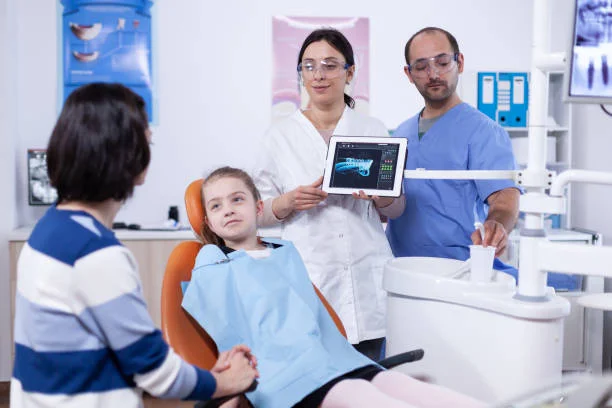
You might be feeling a quiet mix of guilt and worry every time you think about the dentist. Maybe one child is terrified of cleanings, another has special health needs, and you are trying to fit appointments around school, work, and a tight budget. You want care that feels personal, not rushed. You want a family Southeast Portland dentist who remembers more than just your name.end
At the same time, all the talk about “digital dentistry” and “teledentistry” can feel distant from your real life. You might wonder if it is just expensive gadgets, or if it can actually make visits easier and safer for your family.
Here is the short version. Modern family dentistry is using technology to understand your mouth better, spot problems earlier, and shape treatment around your family’s habits, fears, and health history. It is not about replacing the dentist with a screen. It is about using smart tools to make care more personal, more accurate, and often more convenient.
So where does that leave you as a parent or caregiver who just wants your family to be healthy without turning your life upside down?
Why traditional dental visits often feel stressful for families
Think about a typical visit before technology really entered family dental care. You filled out the same paper forms over and over. The dentist looked at flat X ray films and did most of the “detective work” by eye. If your child had anxiety, there were few ways to prepare them except reassuring words. If you had a concern between visits, you either waited it out or took time off work for another in person appointment.
Because of this, several problems show up again and again for families.
First, fear and uncertainty. Kids are scared of the unknown. Adults are scared of getting bad news or an unexpected bill. When you do not fully understand what is happening in your mouth, it is hard to feel calm or in control.
Second, missed or delayed care. If you live far from a dental office, rely on public transport, or juggle multiple jobs, “just coming in” is not simple. Small problems can turn into bigger ones, and costs can grow quickly.
Third, one size fits all care. Without good data and tools, it is easy for dental care to become routine and generic. You get the same advice as everyone else, even though your child’s diet, medical history, or enamel strength might be completely different.
When all of this piles up, you might start skipping appointments, or you might go only when something hurts. Then you feel even more stressed and behind. It is a hard cycle to break.
How digital tools help family dentists personalize care for each person
So how does technology actually change this picture for you and your family?
Modern personalized family dental care uses digital tools not as a replacement for human care, but as a way to see and understand you more clearly.
For example, digital X rays and 3D imaging can show tiny cavities and bone changes long before they cause pain. According to the National Institute of Dental and Craniofacial Research, the mix of data science and digital dentistry can improve diagnosis and treatment planning by turning images and health information into usable insights. You can read more about that research on how data and digital dentistry can improve dental care.
Because of this, your dentist can say, “Your child has early signs of enamel wear in this area, likely related to grinding at night,” instead of “We will just watch it.” That is a different level of clarity and personalization.
Teledentistry is another example. It can sound abstract, yet in practice it is often simple. You might have a video call with your family dentist to ask about a chipped tooth, to show a spot on your child’s gum, or to follow up after a procedure. Federal guidance on preparing patients for teledentistry visits suggests that even basic steps, like testing your camera and gathering your medications list, can make a virtual visit more effective. You can see those tips on preparing patients for teledentistry.
This kind of visit does not replace cleanings or fillings. It does give your family dentist a way to respond quickly, adjust care plans, and reassure you without always requiring a trip to the office.
There are also digital records and risk assessments. A modern family dentist can track patterns over time. For example, they might notice that one child develops cavities every summer when sports drinks and snacks are common. Another might show signs of dry mouth because of a medication. Technology helps connect these dots so that each person gets advice and treatment shaped around their real life.
Even something as simple as automated reminders and online forms can reduce stress. You spend less time in the waiting room and more time actually talking about your concerns.
Of course, you might still wonder about safety and standards. The American Dental Association has clear policies for teledentistry, covering record keeping, informed consent, and quality of care, which helps protect you as a patient. You can review the ADA policy on teledentistry if you want to understand the framework behind these services.
Is technology based family dental care really better for your family?
It can help to see the differences laid out clearly. Here is a simple comparison of more traditional care versus tech supported, technology enhanced family dental care.
| Aspect | Traditional Family Dentistry | Tech Supported Family Dentistry |
| Diagnosis | Relies mostly on visual exams and 2D X rays. Some early issues may be missed. | Uses digital X rays and 3D imaging, often catches problems earlier and with more detail. |
| Personalization | General advice, less use of long term data, similar plans for many patients. | Digital records and risk tools track patterns and allow tailored prevention and treatment. |
| Convenience | Most issues require in person visits, limited flexibility for busy families. | Teledentistry follow ups and quick checks reduce travel and missed work or school. |
| Anxiety Support | Reassurance during visit, little preparation before appointment. | Digital photos, videos, and virtual “meet the office” experiences help kids know what to expect. |
| Cost Over Time | Problems often treated later, which can mean larger, more expensive procedures. | Earlier detection and targeted prevention can reduce the need for major treatments. |
None of this means your family will never need a filling or a crown. Life happens. What it does mean is that your dentist has better tools to catch problems early, explain them clearly, and shape care around what matters to you.
Three steps you can take now to get more personalized dental care
So what can you actually do with all of this, starting today?
1. Ask your current or future dentist specific questions about their technology
Instead of asking, “Are you up to date,” try questions that reveal how they use tools to personalize care. For example, you might ask:
“Do you use digital X rays or 3D imaging, and how does that change the way you plan treatment for kids and adults?”
“Can you track my family’s cavity risk or gum health over time and adjust our care based on that?”
“Do you offer teledentistry for follow ups or quick checks between visits?”
The goal is not to quiz them. It is to see if they can explain how technology helps them know and care for your family better.
2. Use teledentistry when it makes sense, not for everything
If your dentist offers virtual visits, use them for the right situations. A quick video call can be helpful if your child bumps a tooth at the playground, if you are worried about a sore spot after a filling, or if you need to review treatment options but cannot get away from work.
In person visits are still essential for cleanings, X rays, and most treatments. Think of teledentistry as an extra doorway into your dental home. It gives you more ways to stay connected and informed without adding more strain to your schedule.
3. Share more of your family’s real story
Technology is powerful, but it works best when paired with honest conversation. At your next visit, tell your dentist about your child’s fears, your work hours, any medical conditions or medications, and even your hopes. For example, if your teenager is starting sports, you might want to talk about mouthguards now, not after an injury.
When your dentist knows your world, they can use their tools to shape a care plan that fits. That might mean scheduling siblings together, planning treatment in stages to spread out costs, or using visuals and digital models to help a nervous child feel more at ease.
Moving toward calmer, more personalized dental visits for your family
If you have had rushed, stressful, or confusing dental visits in the past, it is understandable that you feel wary. You care about your family’s health, and you do not want to be talked at or overwhelmed with jargon or gadgets.
Modern family dental care that uses technology well is not about cold machines. It is about giving your dentist a clearer view of your health, more flexible ways to reach you, and better tools to tailor care to each person you love.
You deserve visits where your questions are welcomed, your time is respected, and your family’s unique needs are seen. The first step is simply knowing that you can ask for this kind of care and that many family dentists are ready and equipped to provide it.
Your family’s story, habits, and worries are not a burden. They are exactly what good personalized dentistry is built around.

You might be feeling a little stuck with your oral health. Maybe you brush most days, you see a general dentist in Fairfield, ME when something hurts, yet you still hear words like “early decay,” “watch area,” or “gum inflammation” at your checkups. It can feel frustrating, even a bit unfair, especially when you are trying to do the right things.end
Because of this, you might wonder what dentists are really looking for when they talk about prevention, and whether there are a few clear habits that actually move the needle. The short answer is yes. There are six core preventive habits that most general dentists quietly wish every patient would adopt. When you build these into your routine, problems tend to show up less often, cost less, and hurt a lot less.
This guide walks through those six habits, why they matter, and how you can fit them into a busy life without turning your day upside down. You will see how small changes in brushing, flossing, fluoride use, diet, and checkups can protect you from cavities, gum disease, and even tooth loss. You will also see how these habits can save you money and stress over time.
Why do dental problems show up “out of nowhere”?
It often starts quietly. A bit of bleeding when you floss. A twinge when you drink something cold. A dark line you notice in a photo. You may ignore it for a while, then one day you are in the dental chair hearing that you need a filling or maybe even a crown, and it feels like it came out of nowhere.
The truth is, most oral health problems build up slowly. Plaque sits on the teeth. Acids from food and drinks weaken enamel. Gums get irritated and pull away from the teeth. The early stages do not always hurt, so you get no warning. That is why general dentists place so much emphasis on everyday preventive habits. They are not trying to lecture you. They are trying to catch problems while they are easy and affordable to fix.
So where does that leave you if you have already had a few cavities or gum issues and you are tired of feeling like you are always “behind” on your oral health? It means you have a chance to reset your routine and focus on the habits that matter most.
Habit 1: Brushing with better timing and technique
You probably already brush, but dentists often see that patients rush, miss key areas, or use the wrong tools. For true preventive dental care, aim for two minutes of brushing, twice a day, using a soft-bristled toothbrush and fluoride toothpaste.
Focus on the gumline, where plaque loves to hide. Use small, gentle circles instead of hard scrubbing. Spend about 30 seconds on each quadrant of your mouth. If you tend to forget at night, link brushing to a habit you never skip, like setting your alarm or washing your face.
Habit 2: Flossing to protect the spots your brush cannot reach
Most cavities between teeth and many gum problems start in spaces your toothbrush simply cannot reach. Flossing once a day removes plaque and food trapped in those tight spots.
If flossing has always felt clumsy, you are not alone. Many general dentists suggest using floss picks or small interdental brushes to make it easier. The key is consistency. Even if your technique is not perfect at first, doing it daily will still reduce your risk of decay and gum disease.
Habit 3: Smart use of fluoride for stronger enamel
Fluoride is one of the quiet heroes of modern dentistry. It strengthens tooth enamel and helps reverse the earliest stages of decay before a cavity forms. Many dentists encourage patients to use fluoride toothpaste and, when appropriate, mouth rinses or professional treatments.
If you are curious about how fluoride works or want more detail, you can read this science based overview from the National Institutes of Health on fluoride and oral health benefits. Understanding the “why” can make it easier to stick with the habit.
Habit 4: Watching sugar and acid, not just “junk food”
Diet is a powerful part of preventive dental habits. It is not only about how much sugar you eat. It is about how often your teeth are exposed to sugar and acid throughout the day. Sipping sweetened coffee, sports drinks, or soda over several hours keeps your mouth in a harmful state much longer than one quick treat.
Try to limit sugary and acidic drinks to mealtimes. Drink water between meals. Chew sugar free gum if you need something to help you focus or stay awake. Your teeth will spend more time in a “recovery” state, which lowers your risk of cavities.
Habit 5: Regular checkups, even when nothing hurts
It is completely understandable to delay a dental visit when life is busy, especially if nothing feels wrong. Yet this is where prevention either works or fails. When you see a general dentist for preventive care on a regular schedule, small issues can be handled with simple, low cost care instead of emergency treatment.
Routine visits allow your dentist to track things like early decay, gum health, and oral hygiene habits over time. Public health data, such as the indicators shared by the CDC on oral health outcomes and access, consistently show that people who receive regular dental care tend to keep more of their natural teeth and experience fewer severe problems.
Habit 6: Paying attention to your whole mouth, not just your teeth
General dentists also look at your gums, tongue, cheeks, and jaw joints. Problems like gum disease, dry mouth, and clenching or grinding can affect comfort, appearance, and long term health. Many patients are surprised to learn that oral health is linked to conditions like diabetes and heart disease.
If you live in an area with community oral health resources, they can be a helpful support, especially if cost or insurance is a concern. For example, some states share programs and guidance similar to what you see on this page about community based oral health services and prevention. Checking what is available near you can make preventive care more realistic.
How do these habits compare to “wait until it hurts” care?
It is natural to wonder whether these habits really make a difference or if you can just deal with problems when they show up. This simple comparison can help you see the tradeoffs.
| Approach | What it looks like day to day | Common outcomes over time | Typical cost pattern |
| Preventive habits with regular general dentist visits | Twice daily brushing, daily flossing, fluoride use, mindful diet, checkups every 6 to 12 months | Fewer cavities, milder gum issues, more natural teeth kept into older age | Smaller, predictable costs for cleanings and occasional minor treatments |
| “Wait until it hurts” care | Irregular brushing or flossing, frequent snacking or sipping sugar, visits only for pain | Larger cavities, advanced gum disease, more extractions and complex work | Lower costs in quiet years, but sudden, high bills for urgent or major treatment |
Seeing it this way, you can decide what mix of habits and visits fits your life, your budget, and your comfort level. Prevention is not about perfection. It is about tilting the odds in your favor.
Three simple steps you can start today
1. Upgrade tonight’s routine, not your entire life
Tonight, commit to two full minutes of brushing and one careful round of flossing. Set a timer on your phone. Notice which areas feel ignored or tender. You do not need special tools to start. Use what you have, but be intentional about time and coverage. Repeating this every night for a week can reset your baseline.
2. Pick one “sugar habit” to change this week
Instead of trying to overhaul your whole diet, choose one pattern that exposes your teeth to frequent sugar or acid. Maybe it is sipping soda all afternoon or adding sugar to every coffee. Replace that single habit with water or a less sugary option for seven days. You will reduce the constant acid attack on your teeth without feeling overwhelmed.
3. Schedule your next preventive visit in advance
If you are overdue, choose a date on your calendar when you can realistically see a dentist for a checkup and cleaning. Call your usual office or look for a general dental care provider who accepts your insurance or offers payment plans. Booking ahead turns good intentions into action and gives you a partner to support these new habits.
Bringing it all together
You do not need perfect teeth or a flawless routine to benefit from these six preventive habits. You only need a willingness to make small, steady changes. Brushing with intention, flossing once a day, using fluoride, watching sugar and acid, keeping regular checkups, and caring for your whole mouth will slowly shift your oral health story.
Even if you have had cavities, gum problems, or dental anxiety in the past, you are not stuck there. Every day you follow these habits, you reduce the chances of painful surprises and expensive treatments. You move toward a mouth that feels clean, comfortable, and reliable when you speak, smile, or eat.
The next step is simple. Choose one habit from today that you can start or strengthen, then put it on your schedule. Your future self, sitting in a dental chair with fewer problems to talk about, will be grateful you did.

You might be feeling a quiet nagging in the back of your mind every time your child says their tooth hurts, or when you notice your own gums bleeding a little when you brush. Maybe you are juggling school schedules, work, and aging parents, and dental visits keep slipping to the bottom of the list. You know oral health matters, yet it feels like one more spinning plate you are trying not to drop—finding a trusted dentist in Hamilton Mill, GA can make it easier to keep that plate in the air.
Then something shifts. A cavity turns into pain. A chipped tooth makes your teenager self-conscious. A parent’s denture no longer fits. Suddenly you are not just thinking about teeth. You are thinking about sleep, confidence, and the cost of fixing problems that might have been caught sooner.
This is where family dentistry for healthy smiles across generations can quietly change the story. Instead of separate providers, scattered records, and last-minute emergencies, you have one trusted dental home where children, adults, and seniors are all seen, understood, and cared for over time. The simple summary is this. When one practice gets to know your whole family, prevention becomes easier, small issues are caught early, and healthy habits have a much better chance of lasting from childhood into older age.
So where does that leave you when you are already stretched thin and a bit worried about what might be going on in everyone’s mouths right now.
Why Does Dental Care Feel So Hard To Keep Up With For The Whole Family?
For many families, dental care becomes reactive instead of planned. You wait until something hurts. A filling breaks right before a vacation. Your child has a toothache the night before a big test. At that point you are not choosing calmly. You are scrambling for any appointment you can find.
Part of the stress comes from the emotional side. Children might be anxious, teenagers may resist appointments, adults often feel guilty for “not going sooner,” and older relatives may feel embarrassed about missing teeth or dentures. When everyone carries their own worries into separate offices, you end up repeating medical histories, retelling the same stories, and hoping each provider understands the family context.
Financial pressure adds another layer. When preventive visits are skipped, the risk of more serious treatment grows. According to public health research, regular checkups and cleanings can reduce the chance of advanced gum disease and tooth loss, which are far more expensive and disruptive to treat later. You may find yourself thinking, “If we had just gone six months earlier, could we have avoided this root canal or extraction.”
So the real problem is not only cavities or gum disease. It is the lack of a stable, long-term plan that works for your entire household.
How Can Family Dentistry Ease Stress Across Different Ages?
Imagine one dental practice that understands your toddler’s first teeth, your teenager’s orthodontic history, your own grinding habit, and your parent’s medical conditions that affect oral health. That is the heart of a family dental practice for all ages. It is not a different type of dentistry. It is a way of organizing care so that every stage of life is connected.
For young children, a family dentist focuses on prevention and comfort. Gentle cleanings, fluoride, sealants, and simple explanations help kids see the office as a normal part of life instead of something to fear. Guidance on brushing, flossing, and snacks is grounded in evidence from sources such as the Centers for Disease Control and Prevention, which explains how good oral hygiene and fluoride help prevent cavities.
For teens and adults, the conversation shifts. A family dentist might talk about sports mouthguards, wisdom teeth, whitening, or the impact of stress on grinding and jaw pain. They watch for early signs of gum disease and reinforce habits like daily brushing and flossing, which are clearly linked to better health in resources like the National Institute of Dental and Craniofacial Research oral hygiene guide.
For older adults, attention turns to dry mouth, medications, gum health, and tooth replacement options. The same dental team that once placed your child’s first sealant may later adjust a grandparent’s partial denture. That continuity means subtle changes are noticed earlier, which can protect chewing comfort, nutrition, and speech.
Because of this ongoing relationship, you are not starting from scratch at every appointment. Your dentist knows your family’s patterns. If gum disease runs in your family, they will be extra watchful. If your child is anxious, they remember what helped last time. Over time this familiarity can transform anxiety into trust.
What Are The Real Tradeoffs Between “Just Getting By” And A True Family Dental Home?
It can help to see the differences clearly. Many families bounce between urgent visits and long gaps with no care. Others choose a long-term family dentist and treat those visits as part of life, like yearly physicals. The experiences are very different.
| Approach | Short-Term Experience | Long-Term Impact |
| Emergency-only or sporadic care | Care often happens when there is pain or visible damage. Visits feel rushed and stressful. Costs are harder to predict. | Higher risk of advanced decay, gum disease, and tooth loss. More complex treatments over time. Children may grow up afraid of the dentist. |
| Consistent family dentistry relationship | Regular checkups, cleanings, and preventive treatments. Visits become routine. Anxiety often decreases for both kids and adults. | Problems are caught early when they are simpler and less costly. Better chance of keeping natural teeth longer. Oral health habits carry across generations. |
| Multiple separate providers | Each family member has their own office. Records and recommendations may not align. Scheduling is more complex. | Harder to see family patterns. Missed chances to build shared habits and routines. Less coordinated care as parents age and children grow. |
Public health experts consistently point out that tooth decay is one of the most common chronic conditions in both children and adults. At the same time, it is largely preventable with steady care, good home habits, and fluoride, as described by the CDC’s overview of oral health and prevention. When a single family dentist keeps an eye on everyone over years, those preventive steps are far easier to maintain.
What Can You Do Right Now To Protect Your Family’s Smiles?
When you are already busy, you need practical steps, not theory. Here are three concrete moves you can make, starting today.
1. Choose one dental home for the whole family
Begin by finding a family dentist who welcomes children, adults, and seniors. Ask whether they keep long-term records, offer preventive services like sealants and fluoride, and are comfortable managing care for patients with medical conditions. The goal is not perfection. The goal is to have one trusted place where each person in your family can be seen regularly and where your history is known.
Once you choose, schedule routine checkups for everyone. Try to cluster appointments by season or by day of the week, so it becomes a predictable part of your calendar instead of a constant surprise.
2. Build simple daily habits that work for every age
Healthy mouths are not created in the dental chair alone. They are shaped by what happens morning and night at home. Focus on the basics. Brushing twice a day with fluoride toothpaste. Flossing once a day, or using interdental cleaners if floss is difficult. Limiting constant snacking and sugary drinks. These steps sound small, yet they are exactly what research repeatedly supports.
You can make this easier by turning it into a shared family routine. Brush together with young children. Use a timer or song. For teens and adults, keep supplies visible and easy to reach. For older relatives, check that toothbrush handles and flossing tools are comfortable to hold.
3. Talk openly about fears, costs, and goals
An often overlooked part of family dental care is honest conversation. If your child is scared, say so to the dentist and ask for extra time or explanations. If you are worried about cost, ask for a clear treatment plan, including what is urgent and what can safely wait. Many practices will work with you to prioritize care so you are not overwhelmed.
It also helps to share your goals. Maybe you want your child to grow up without dental fear. Maybe you want to keep your natural teeth as long as possible. Maybe a grandparent wants a more stable way to chew. When your dentist understands those goals, recommendations become more tailored and easier to accept.
How Can You Feel More Confident About The Next Dental Step?
You are not alone if you feel behind on appointments or worried about what a dentist might find. Many families are in the same place, trying to balance time, money, and health. The encouraging news is that it is rarely “too late” to benefit from a steady relationship with a family dentist. Whether you are caring for a toddler, a teenager, yourself, or an aging parent, choosing a stable dental home can turn scattered, stressful visits into a calmer rhythm that supports everyone.
Healthy smiles across generations do not happen by accident. They grow from small, repeated choices. One practice. Regular visits. Simple daily habits. Honest conversations. If you take even one of those steps now, you begin to shift your family from reacting to dental problems toward preventing them, and that change can echo through the lives of the people you love most.

xxx777 usa sports todaynewspost.com: The All-in-One Aggregator for US League Updates and Fan Insights

Pinaflux: The 2026 Digital Trend Explained in Simple Words

How Family Dentistry Uses Technology To Personalize Care

Ka Ho Cho: Redefining Her Narrative Far Beyond a Hollywood Marriage

Nukleotidy: The Molecular Blueprints of Energy, Structure, and Chemical Naming
-

 General2 months ago
What Is Felixing? The Truth Behind a Junk Keyword
-

 Health9 months ago
Lufanest: Effective Local Anesthesia with Fewer Risks
-

 Entertainment3 months ago
هنتاوي.com: Your Gateway to Arabic Anime Content
-

 General10 months ago
bardoek: The Artistic Heritage Inspiring Modern Creative Trends
-

 General9 months ago
Discover Anonib AZN: An Anonymous Asian Forum
-

 Fashion2 months ago
Fashionisk .com Explained: A Closer Look Before You Click
-

 Technology10 months ago
Aponeyrvsh: A Modern Framework for Innovation and Resource Use
-

 Lifestyle10 months ago
Mariano Iduba: A Visionary Leader in Global Digital Growth