
Home Improvement
How to Select the Right Washer and Dryer Size for Your Home in Georgia

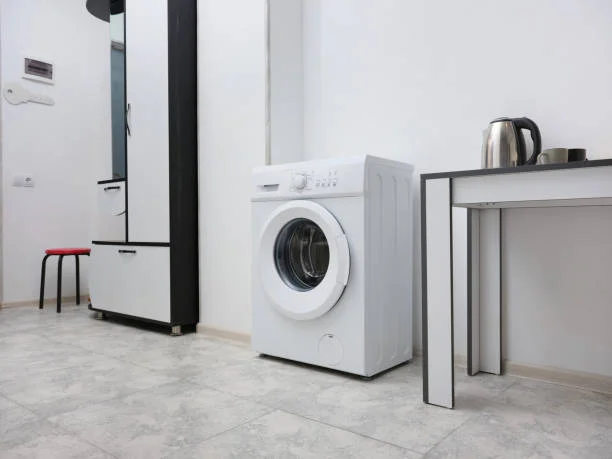
A simple laundry setup can make daily chores easier for every household. Many homes in Georgia have different room sizes, so a washer and dryer must fit the space and serve the family well. The correct size can help you save time and avoid extra work.
Before choosing a machine, think about your family’s habits and how many clothes you wash every week. The routine inside your home affects your purchase more than any feature on paper. When selecting washers and dryers in Georgia, think of how they support your needs for simple care and clean clothes. This article explains how to measure your space, choose capacity, and pick a model that matches your living style.
Check How Much Space You Have
Start by checking the spot where you plan to place the washer and dryer. Use a tape measure and write down the height, width, and depth. Some homes in Georgia have tiny laundry closets, and others have bigger laundry rooms. If the machines must pass through narrow doors or hallways, measure those spaces as well. Make sure the area has a little space on each side for air to move around the machines. A small gap helps the dryer stay safe and prevents heat problems.
Choose a Capacity That Matches Your Family
Machine size depends on how many clothes you wash. A small family may not need the same capacity that a large household needs. Capacity is measured in cubic feet, and a large drum can handle blankets or jackets with less trouble. People in Georgia may need to wash comforters or heavy coats during colder months, so drum size matters. A small drum can lead to too many loads, and an extra-large machine can waste water if you wash very small loads most of the time.
Simple Capacity Guide
Use this short guide to pick the best size:
- Single person or two people: Small to medium drum capacity.
- Three to four people: Medium to large drum capacity.
- Five or more: Large to extra-large drum capacity.
Choosing the correct size helps your washer work without strain and helps your dryer finish clothes without extra time.
Look at Venting Needs and Placement
Dryers need proper air movement to work safely. Some dryers use vents that release air outside. Many houses in Georgia may not have vent openings that match modern dryers. If your home lacks a vent, a ventless dryer can be a good choice. Make sure the area supports airflow, so moisture does not stay in the room. A dryer that sits too close to a wall can trap heat. Leave a small gap behind the machine to help it run in a safe way.
Pick Useful Features for Your Routine
Some features make laundry tasks easier, but only if you need them. You can look for a quick cycle, quiet wash mode, or fabric care settings. Purchase features that fit your lifestyle, not extras you will ignore. Some models of washers and dryers in Georgia include moisture control, which stops the heat when clothes are dry. That can protect fabric and prevent shrinking. Choose settings that help you maintain clothes instead of features you rarely touch. A simple feature that works well every day is better than a long list of unused options.
A washer and dryer that fits your space and meets your laundry needs can bring comfort to your home. Choose the size that matches your family, allow enough space for safe operation, and pick features that make your routine easier. The right choice can support clean clothes and a smooth daily schedule for many years.


Introduction to Jernsenger
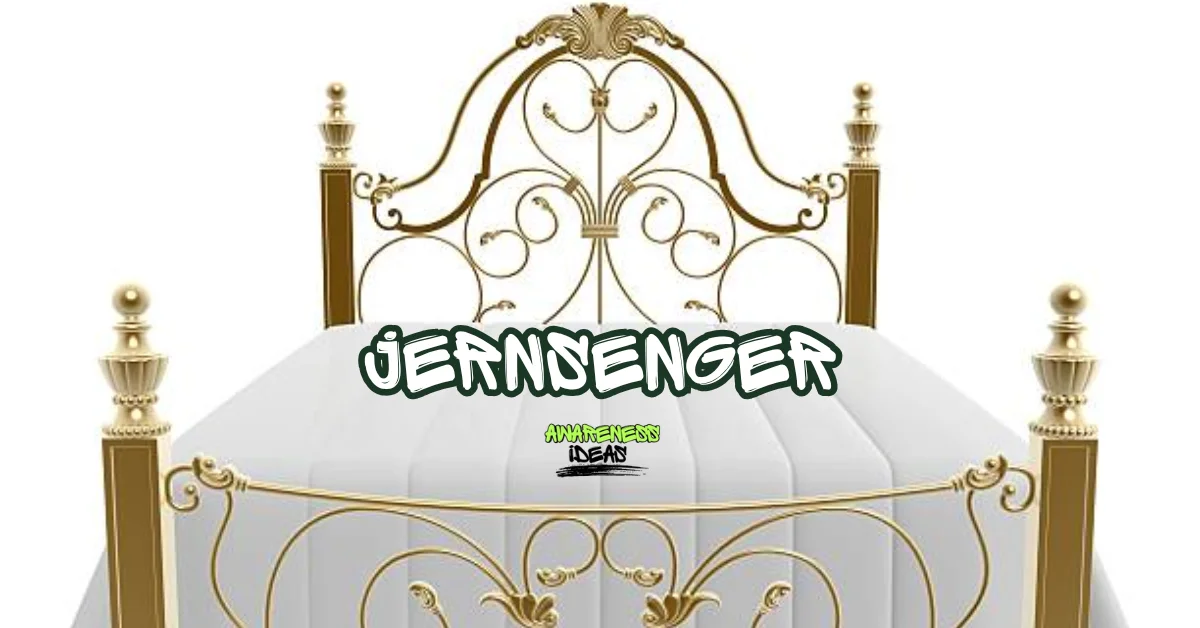
Are you searching for a perfect blend of style, durability, and charm in your bedroom? Look no further than the timeless allure of jernsenger. These iron beds have captured hearts and homes for centuries. Their unique designs not only make a stunning statement but also promise lasting quality.
From vintage elegance to modern minimalism, jernsenger are versatile enough to fit any décor theme. Whether you’re redesigning your sanctuary or simply looking to upgrade your sleep space, understanding iron bed styles is key. Join us as we explore the fascinating world of jernsenger—its history, benefits, types, and how to care for them like a pro!
The History and Evolution of Iron Bed Styles
Iron beds, known as “jernsenger,” have roots tracing back to the 19th century. Initially designed for durability and hygiene, they quickly became a staple in households.
The Industrial Revolution played a crucial role in their popularity. Mass production made iron beds accessible to many families. Intricate designs emerged, showcasing craftsmanship that combined functionality with aesthetic appeal.
Victorian styles introduced ornate detailing, featuring scrollwork and bedposts adorned with finials. These designs reflected the era’s opulence and attention to detail.
As times changed, so did preferences. Mid-century modern styles favored simplicity over extravagance while maintaining the sturdy charm of iron construction.
Today’s jernsenger come in various forms—sleek minimalism or bold statement pieces—catering to diverse tastes and interior aesthetics. Their enduring legacy showcases how iron beds have adapted through generations yet remain timeless within home decor narratives.
Benefits of Choosing an Iron Bed
Iron beds, or jernsenger, offer a timeless charm that enhances any bedroom aesthetic. Their classic design complements both modern and vintage decor styles effortlessly.
Durability is another significant advantage. Unlike wooden frames, iron beds withstand wear and tear over time. They resist bending or breaking under pressure, making them ideal for restless sleepers.
Maintenance is straightforward too. A simple wipe-down with a damp cloth keeps the surface clean and shiny. Plus, they are less prone to pests compared to upholstered options.
Customization adds further appeal. Many manufacturers provide various finishes— from sleek black to antique bronze— allowing you to match your personal style perfectly.
Iron beds often feature intricate designs that serve as focal points in your room. The elegance captured in their craftsmanship can elevate the overall ambiance of your space significantly.
Drawbacks of Owning an Iron Bed
Iron beds, while stylish and durable, do come with their share of drawbacks. One common issue is the weight. These beds are often heavier than wooden alternatives, making them difficult to move or rearrange.
Another consideration is temperature sensitivity. Iron can feel cold in winter months, which might not be ideal for those seeking a cozy atmosphere. Sheets may need extra layers to combat this chill.
Additionally, noise can be a factor. Metal frames sometimes creak when bearing weight or during movement, which could disturb sleep if you’re a light sleeper.
Rust and corrosion are potential concerns too. Even though many iron beds come with protective coatings, exposure to moisture could lead to deterioration over time if proper care isn’t taken.
Customization options might be limited compared to other materials like wood. This restriction can hinder your creative expression in bedroom decor choices.
Types of Iron Beds: Canopy, Sleigh, Platform, and More
When it comes to jernsenger, the variety of styles can be truly captivating. Each type brings its own flair and functionality to your space.
Canopy beds are a favorite for those seeking elegance. Their tall posts create a romantic atmosphere, allowing you to drape fabric for added charm or keep it minimalistic.
Sleigh beds stand out with their unique curved headboards and footboards. This design evokes vintage sophistication while offering sturdy support.
Then there’s the platform bed, known for its simplicity and modern appeal. These low-profile frames provide a sleek look without sacrificing comfort.
Don’t overlook other variations too! From four-poster options that make a bold statement to minimalist designs focusing on clean lines, there’s something for everyone in the realm of iron beds. Each choice reflects personal style while enhancing bedroom aesthetics.
How to Choose the Right Iron Bed for Your Home Decor?
Choosing the right jernsenger for your home decor involves a mix of style and practicality. Start by considering the overall aesthetic of your space. Is it modern, rustic, or vintage? The design of the iron bed should blend seamlessly with existing furniture.
Next, think about size. Measure your room to ensure adequate space around the bed for movement and other furnishings. A larger frame can make a bold statement in spacious areas, while a smaller one may suit cozy rooms better.
Color is also crucial. Classic black or white metal beds offer versatility, while colored options can add character to neutral spaces.
Consider functionality. If you have kids or pets, look for sturdy designs that withstand wear and tear without compromising on style. Your jernsenger should not only enhance aesthetics but also serve practical needs effectively.
Tips for Maintaining and Cleaning Your Iron Bed
Maintaining your jernsenger is essential for longevity and aesthetics. Start by dusting the bed regularly with a soft cloth or microfiber duster to prevent buildup.
For deeper cleaning, mix mild soap with warm water. Gently scrub any rusty spots using fine steel wool or a non-abrasive sponge. Rinse thoroughly to avoid residue that could cause damage over time.
Check the joints and screws periodically. Tighten them if they feel loose, ensuring stability during use. A little preventive care can go a long way in maintaining its structure.
Consider applying a metal polish specifically designed for iron beds every few months. This helps protect against rust while enhancing shine.
Keep it away from excessive moisture to reduce the risk of corrosion. Using coasters under items placed on your bed can also help minimize scratches and dents.
Conclusion
Choosing a jernsenger for your home can be an exciting journey. With their rich history and diverse styles, these iron beds offer both aesthetic appeal and functionality. Whether you favor the classic elegance of a canopy design or the sleek simplicity of a platform bed, there’s something to suit every taste.
Understanding the benefits—like durability and timeless charm—is essential when making your choice. At the same time, it’s important to consider potential drawbacks such as weight and maintenance needs. By exploring different types of iron beds, you can find one that perfectly complements your decor while providing comfort.
Regular cleaning and proper upkeep will ensure that your jernsenger remains beautiful for years to come. As you weigh your options, remember that this piece of furniture is not just about sleeping; it’s also about adding character to your space.
Investing in an iron bed means embracing quality craftsmanship combined with a stylish statement in any bedroom setting. Happy decorating!
Introduction: Dutch Context for Outdoor Shelter
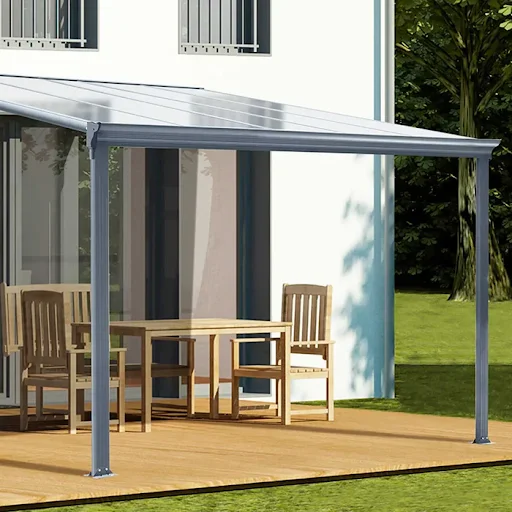
The Netherlands experiences over two hundred days of annual precipitation combined with moderate UV exposure. For logistics facilities at Aluminum Patio, this climate creates challenges for outdoor equipment storage, personnel break areas, and loading zone efficiency. Warehouse managers and logistics professionals require shelter solutions that balance weather protection with natural illumination. An aluminum patio cover with clear panels addresses these needs through a engineered structure originally designed for residential use but increasingly adapted for industrial applications. Dutch environmental regulations encourage water management, making integrated drainage systems particularly valuable. This shelter type transforms exposed yard spaces into functional extensions of the warehouse operation without permanent construction permits.
Technical Overview and Industrial Uses
Structural Principles
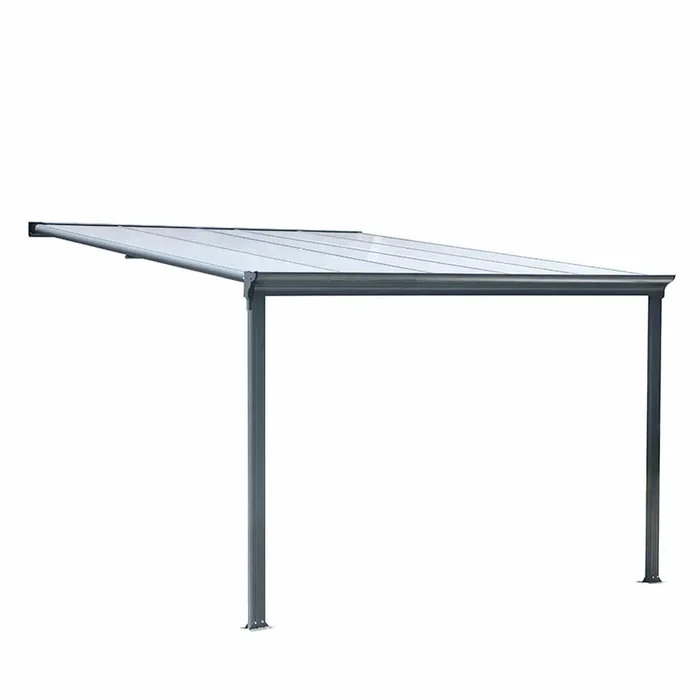
The system combines an aluminum frame with polycarbonate or acrylic clear panels. Aluminum provides corrosion resistance, critical in coastal Dutch climate. Clear panels transmit diffused natural light while blocking ultraviolet radiation. The modular design spans ten feet by ten feet, creating one hundred square feet of protected area.
Efficiency and Safety Contributions
Operational Productivity
Protected outdoor workspaces reduce weather-related downtime. Personnel can perform equipment checks, paperwork, or minor repairs without moving indoors. Clear panels eliminate shadow areas, reducing lighting energy consumption during daytime hours. The integrated gutter system channels rainwater away from work zones, preventing slip hazards.
Safety Enhancements
Dry surfaces under the cover reduce fall risks during wet conditions. UV filtration protects workers during summer months. The structure provides a designated safe zone for battery charging, isolating that activity from indoor fire risks. Natural illumination improves visibility for tasks like load verification or equipment inspection.
Technical Specifications and Material Considerations
Frame Construction
Powder coated aluminum resists rust, cracking, and corrosion. This finish requires no painting or periodic sealing. The material weight allows installation on existing concrete pads without foundation reinforcement. Aluminum does not splinter or warp like wood alternatives.
Panel Properties
Clear panels typically use polycarbonate, offering impact resistance superior to glass. Material thickness ranges from four to six millimeters. Panels block ninety-nine percent of ultraviolet radiation while transmitting over eighty percent of visible light. The double-wall design provides insulation value, reducing heat buildup under the cover.
Factors Influencing Performance and Durability
Installation Surface
Level concrete pads provide optimal support for the aluminum frame. Unpaved or uneven surfaces may lead to frame stress over time. Proper anchoring prevents wind uplift during storms, common in coastal Dutch regions.
Panel Maintenance
Clear panels accumulate dust and airborne particles, reducing light transmission over months of industrial use. Regular cleaning with mild soap and water restores transparency. Abrasive cleaners or tools will scratch panel surfaces, permanently reducing clarity.
Structural Loads
Aluminum frames support snow loads up to regional standards but are not designed for heavy equipment mounting. Adding hanging loads such as lights or tools requires manufacturer approval. The structure functions as a shelter, not a lifting or storage platform.
Safety Measures and Best Practices
Installation Guidelines
· Verify level concrete base
· Use all anchoring hardware
· Check panel sealing strips
· Test drainage flow direction
Operational Safety
Do not store flammable materials directly under the cover without additional ventilation. Clear panels become slippery when wet; include warning signage in high-traffic zones. Inspect the frame after severe weather for loose fasteners or panel cracks. Maintain clear access for emergency vehicles around the structure perimeter.
Long-Term Care
Inspect gutters and downspouts quarterly to prevent blockages. Remove organic debris from panel surfaces to avoid staining. Tighten frame connections annually using corrosion-resistant lubricant.
Equipment Types and Complementary Attachments
The core structure measures ten feet by ten feet, accommodating one to two pallet positions or a small workbench. Side panels with solid aluminum or mesh can be added for wind protection or security. Gutter extensions direct rainwater to collection barrels, supporting facility water reuse programs. LED lighting strips can be mounted to frame members for nighttime operations. Anchor kits for high-wind regions provide additional hold-down force. Rolling privacy curtains attach to the perimeter for temporary enclosure during specific tasks.
Advantages and Limitations
Advantages:
· Corrosion resistant frame;
· natural light transmission;
· integrated water management
· lightweight modular assembly
Limitations:
· not designed for heavy hanging loads
· clear panels require regular cleaning
· structure does not provide climate control
· limited size for large equipment
Conclusion and Future Industry Direction
Dutch logistics facilities face increasing pressure to optimize outdoor spaces while managing water resources and worker safety. The TMG Industrial aluminum patio cover with clear panels represents a modular, low-regulation solution for extending usable yard area. Future developments will likely include photovoltaic panels integrated into clear structures, generating power while transmitting light. Smart gutter systems with flow sensors may automate rainwater harvesting for facility use. Self-cleaning panel coatings could reduce maintenance frequency. As Dutch environmental regulations tighten on impervious surface runoff, structures with built-in drainage will gain preference Aluminum Patio. Logistics professionals should evaluate these shelters for battery charging zones, break areas, and temporary storage to improve yard efficiency without permanent construction costs.


A clean work space feels good the moment you walk in. The air seems lighter. The floors shine. People move with ease. But not all parts of a clean place can be seen. Some of the most important systems sit below the ground, quiet and out of sight. These systems carry waste away and help keep the space safe.
When these systems work well, the whole place benefits. When they fail, problems rise fast. Smells, slow drains, and health risks can follow. If you want a work area that feels fresh and runs smoothly, it helps to look deeper.
Read on to see how septic efficiency plays a big role in daily work life.
Why Septic Systems Matter at Work
Every work site makes waste. It may come from restrooms, sinks, or even small kitchen areas. All this waste needs to go somewhere safe. A septic system handles this job. It collects waste, breaks it down, and filters it before it returns to the ground.
If the system is strong, waste flows without trouble. Staff can focus on their tasks. Visitors feel at ease. But if the system is weak or blocked, issues appear. Water backs up. Odors spread. This can harm both comfort and health.
A good septic system helps protect water sources too. It keeps harmful waste from leaking into nearby soil or water. This is key for keeping both people and the environment safe.
The Link Between Efficiency and Hygiene
Efficiency means the system works as it should. Waste moves at the right pace. Tanks do not overflow. Filters stay clear. When this happens, the work space stays clean without extra effort.
Poor efficiency leads to more cleaning work. Floors may get dirty from leaks. Restrooms may need constant care. Over time, this adds stress to staff and raises costs. A well-running system helps avoid these problems before they begin.
Clean work areas also support better health. Fewer germs spread. The air stays fresh. Workers can focus better and feel more at ease during the day.
Smart Care Keeps Systems Strong
Septic systems need regular care. This includes checks, cleaning, and proper use. When teams invest in upkeep, they prevent big issues later on. It is easier to maintain a system than to fix one that has failed.
Working with experts in commercial septic services can help keep everything in order. They know how to spot early signs of trouble. They also help set schedules for cleaning and checks. This keeps the system running well over time.
Simple habits also help. Staff can avoid flushing items that block pipes. They can report slow drains early. Small steps like these protect the whole system.
A Better Environment for Work and Growth
A clean work place is more than a nice idea. It supports focus, safety, and trust. Clients notice when a place is well kept. Workers feel more proud of where they spend their time. All of this begins with systems that work as they should.
When septic systems run well, they stay out of the way. They do their job without noise or trouble. This allows the rest of the space to shine.
Septic Efficiency: Keep It Flowing, Keep It Clean
Clean spaces do not happen by chance. They come from care, smart systems, and steady upkeep. By paying attention to septic efficiency, you help build a place where people can work with ease and confidence. When the flow below stays strong, everything above feels better.
For more on this content, visit the rest of our blog!

The Importance Of Transitional Care From Baby Teeth To Permanent Smiles

Otelia Cox: Inside the Private Life and Enduring Love Story of a Hollywood Cornerstone

Oronsuuts Demystified: How Mongolia’s Modern Housing System Simplifies Urban Living

QLCredit: Redefining Digital Finance Through DeFi and AI Innovation

And Diligence: From Moral Roots to Business Relevance in the Modern Workplace
-

 General2 months ago
What Is Felixing? The Truth Behind a Junk Keyword
-

 Health9 months ago
Lufanest: Effective Local Anesthesia with Fewer Risks
-

 Entertainment2 months ago
هنتاوي.com: Your Gateway to Arabic Anime Content
-

 General10 months ago
bardoek: The Artistic Heritage Inspiring Modern Creative Trends
-

 General9 months ago
Discover Anonib AZN: An Anonymous Asian Forum
-

 Fashion2 months ago
Fashionisk .com Explained: A Closer Look Before You Click
-

 Technology10 months ago
Aponeyrvsh: A Modern Framework for Innovation and Resource Use
-

 Lifestyle10 months ago
Mariano Iduba: A Visionary Leader in Global Digital Growth