
Technology
3-Axis vs. 5-Axis CNC Machines: Which Do You Need?

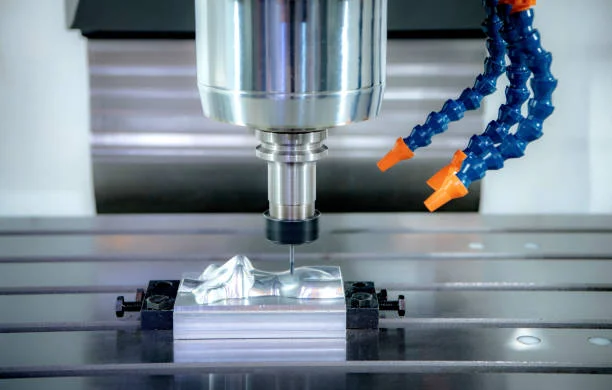
CNC machining has revolutionized manufacturing with unmatched precision and repeatability, crucial for industries like automotive and electronics. For shop owners and procurement managers, the challenge lies in choosing between 3-axis and 5-axis machines. While it may seem that 5-axis machines outperform due to their complexity, the decision depends on factors like budget, part complexity, and production volume.
The Basics of 3-Axis CNC Machines
3-axis machining is the most widely used technique in mechanical engineering and manufacturing. It has been the industry standard for decades due to its relative simplicity and reliability.
How it Works
As the name suggests, these machines operate along three linear axes:
- X-Axis: Moves the cutting tool left to right.
- Y-Axis: Moves the cutting tool front to back.
- Z-Axis: Moves the cutting tool up and down.
In a standard setup, the workpiece remains stationary on the machine bed while the cutting tool moves along these three planes to remove material. The tool is always perpendicular to the material surface. While vertical machining centers are the most recognizable form of this technology, this category also includes horizontal milling centers which use gravity to help clear chips away from the workpiece.
Advantages and Limitations
The primary advantage of 3-axis machining is cost-efficiency. These machines are generally less expensive to purchase and easier to program than their multi-axis counterparts. For simple operations like drilling holes, cutting sharp edges, or milling slots, a 3-axis machine is fast and accurate.
However, the limitation lies in geometry. Because the tool can only approach the workpiece from one direction (top-down), you cannot machine undercuts or complex angles without stopping the machine and manually repositioning the part. This manual intervention increases setup time and introduces the potential for human error, which can affect the final tolerance of the part.
Introduction to 5-Axis CNC Machines
If 3-axis machines are the reliable workhorses of the industry, 5-axis machines are the high-performance specialists. They take the standard X, Y, and Z movements and introduce rotational capabilities.
Understanding the Extra Axes
To achieve 5-axis movement, the machine utilizes the standard linear axes but adds two rotational axes, typically labeled as:
- A-Axis: Rotation around the X-axis.
- B-Axis: Rotation around the Y-axis.
Depending on the specific machine configuration, either the cutting head tilts and rotates, or the table holding the workpiece (the trunnion) moves. This allows the cutting tool to approach the part from virtually any angle.
Enhanced Capabilities
The defining feature of 5-axis machining is the ability to machine complex shapes that would be impossible or incredibly time-consuming on a 3-axis machine. The tool can maintain optimal contact with the material surface, swiveling to follow curved geometries smoothly. This capability is essential for creating organic shapes, impellers, and parts with intricate architectural features.
Key Differences Between 3-Axis and 5-Axis Systems
Comparing these two technologies requires looking beyond just the hardware. The differences impact your entire workflow, from the design phase to the final inspection.
Setup and Efficiency
This is often the deciding factor for many shops. On a 3-axis machine, if you need to work on all sides of a block, you must manually flip the part and re-fixture it for every new face. This is known as multiple setups.
A 5-axis machine facilitates “Done-in-One” or single-setup machining. You can secure the part once, and the machine can rotate to access five of the six sides of a prismatic part. This drastically reduces total production time and eliminates the accumulation of alignment errors that occur every time a human operator moves the part.
Complexity and Precision
5-axis machines offer superior precision for complex geometries. Because the cutting head can tilt, it can use shorter, sturdier cutting tools. Shorter tools vibrate less and deflect less, resulting in a smoother surface finish and higher accuracy. 3-axis machines often require longer tools to reach deep cavities, which can lead to chatter and a rougher finish.
Programming and Operation
The operational barrier to entry is higher with 5-axis technology. Generating the toolpaths requires advanced CAD/CAM software and a skilled programmer who understands how to prevent the tool holder from colliding with the workpiece or the table. 3-axis programming is significantly more straightforward, making it easier to find qualified operators.
Cost Considerations
There is a stark price difference. 5-axis machines can cost significantly more than 3-axis centers. Beyond the initial capital investment, the maintenance costs, tooling, and software licenses are also higher. However, for the right application, the speed and reduced labor costs of a 5-axis machine can result in a higher return on investment over time.
Applications Best Suited for Each Machine
Selecting the right machine is usually a matter of matching the tool to the product.
When to Use 3-Axis
A 3-axis machine is the ideal choice for parts with relatively simple geometries. It excels at:
- Planar milling and drilling.
- Parts where all features are accessible from a single side.
- High-volume production of simple components.
- Projects with tight budget constraints where the speed of a 5-axis setup isn’t necessary.
Typical industries include general manufacturing, automotive brackets, and cabinetry.
When to Use 5-Axis
You should consider moving to 5-axis machining when:
- The part has complex, contoured surfaces (like a turbine blade).
- The part requires machining on multiple faces and tight tolerances are critical.
- You need to drill holes at compound angles.
- You are producing high-value, low-volume parts where setup time is a major cost driver.
This technology is standard in the aerospace industry (for airfoils), medical manufacturing (for hip replacements and prosthetics), and high-end automotive prototyping.
Factors to Consider When Choosing
Before signing a purchase order, evaluate your specific operational needs against the following criteria.
Part Complexity
Look at your current and projected order book. Are you turning away work because you can’t handle the geometry? If your parts are mostly flat with simple holes, a 5-axis machine is likely overkill. If you are constantly designing fixtures to hold parts at weird angles for a 3-axis mill, a 5-axis machine could solve your bottlenecks.
Production Volume and Mix
For “High Mix, Low Volume” production—where you make small batches of many different complex parts—the 5-axis is superior because it minimizes setup time. For “Low Mix, High Volume” production of simple parts, a fleet of affordable 3-axis machines might offer better throughput than a single expensive 5-axis unit.
Budget and ROI
Do not just look at the sticker price. Calculate the cost per part. If a 5-axis machine cuts your labor time in half by eliminating setups, it may pay for itself faster than a cheaper 3-axis machine that requires constant operator attention. Conversely, if the machine sits idle because you don’t have enough complex work to justify it, it becomes a financial drain.
Conclusion
In conclusion, choosing between 3-axis and 5-axis CNC machines requires careful consideration of your budget and return on investment. While a 5-axis machine may offer greater capabilities and efficiency, it may not always be the most cost-effective option for every business.

Technology
IngeBIM Blueprints: Integrating Design, Cost, and Performance into a Unified Engineering System


Introduction to IngeBIM Blueprints
In an era where efficiency and innovation are paramount, the engineering world is constantly evolving. One of the most exciting advancements in recent years is the rise of IngeBIM Blueprints. These blueprints represent a groundbreaking approach to integrating design, cost, and performance into a seamless engineering system. Imagine having all the essential elements consolidated into one powerful framework—streamlining processes and enhancing collaboration across teams.
As projects grow increasingly complex, engineers face challenges that demand more than traditional methods can offer. Enter IngeBIM: a solution designed to not only improve project outcomes but also foster creativity and adaptability within teams. This blog post will explore how IngeBIM Blueprints revolutionize the way we think about engineering by uniting key components like design integrity, cost-efficiency, and performance metrics under one umbrella.
Get ready to dive deep into this transformative tool that’s shaping the future of engineering practices!
The Importance of Integrating Design, Cost, and Performance in Engineering
Integrating design, cost, and performance is crucial in engineering. It creates a holistic view where all elements work together seamlessly. This approach minimizes errors and enhances efficiency.
When these three aspects align, projects become more predictable. Engineers can anticipate costs while ensuring that designs meet performance standards without overspending.
Balancing aesthetics with functionality is essential too. A beautiful structure shouldn’t compromise its integrity or exceed budget constraints. By intertwining design with practical considerations, we achieve innovative solutions that truly stand out.
Moreover, focusing on performance helps identify potential issues early in the process. This proactive strategy avoids costly revisions later on and ensures timely project completion.
Successful integration fosters collaboration among teams. Designers, engineers, and financial analysts can communicate effectively to create value-driven outcomes that satisfy both clients and stakeholders alike.
How IngeBIM Blueprints Work?
IngeBIM Blueprints operate by creating a cohesive digital environment where design, cost estimation, and performance metrics converge. This system utilizes advanced algorithms to analyze project parameters.
Users input relevant data about materials, labor costs, and design specifications. The software then processes this information in real-time. It offers insights into potential challenges or areas for improvement.
Visualization tools allow engineers to interact with the model dynamically. They can manipulate designs instantly and see how changes affect overall performance and budgeting.
Collaboration is vital within IngeBIM Blueprints. Multiple stakeholders can access the same platform simultaneously, ensuring everyone is on the same page throughout the project’s lifecycle.
By fostering an integrated approach, these blueprints streamline decision-making processes. They empower engineers to make informed choices that balance aesthetics with functionality and cost-effectiveness.
Benefits of Using IngeBIM Blueprints
IngeBIM Blueprints offer a streamlined approach to engineering projects. By integrating design, cost, and performance into one system, they enhance collaboration among teams. This synergy leads to more informed decision-making throughout the project lifecycle.
Efficiency is another key benefit. Engineers can visualize changes in real-time, reducing the time spent on revisions and minimizing errors. The immediate feedback loop allows for adjustments before costly mistakes occur.
Moreover, these blueprints foster transparency with stakeholders. Everyone involved has access to consistent data and insights at every phase of development. This openness builds trust and accountability among team members.
Cost management also sees significant improvement with IngeBIM Blueprints. Detailed analyses enable teams to forecast expenses accurately and make budget-conscious choices without sacrificing quality or performance metrics.
Case Studies: Real-Life Examples of Successful Implementation
Several companies have successfully integrated IngeBIM into their workflow, showcasing its transformative power. One notable case is a major construction firm that utilized IngeBIM Blueprints for a large-scale infrastructure project. By aligning design with cost estimates and performance metrics, they achieved significant savings while enhancing structural integrity.
Another example comes from an engineering consultancy that adopted IngeBIM to streamline collaboration among multidisciplinary teams. The result was faster decision-making processes and reduced errors during the design phase. This approach also improved client satisfaction by delivering projects on time and within budget.
In the renewable energy sector, a wind farm developer employed IngeBIM Blueprints to optimize turbine placement based on environmental impact assessments and financial projections. Not only did this enhance efficiency, but it also contributed to sustainable practices in energy production.
These real-life applications illustrate how IngeBIM can revolutionize traditional engineering methods through integration and innovation.
Limitations and Challenges with IngeBIM Blueprints
While IngeBIM Blueprints offer a revolutionary approach, they are not without limitations. One significant challenge is the steep learning curve associated with adopting this system. Engineering teams may require extensive training to leverage its full potential effectively.
Integration with existing systems can pose difficulties as well. Many organizations still rely on traditional methods and software. Transitioning to IngeBIM often requires overcoming resistance from team members accustomed to their old workflows.
Another concern is data security. As projects become increasingly digitized, sensitive information could be vulnerable to breaches or cyberattacks if not adequately protected.
The initial investment for implementing IngeBIM Blueprints can be considerable. Smaller firms might find it challenging to allocate resources while weighing potential returns against upfront costs. This financial burden can slow down adoption rates within the industry.
Future Developments and Impact on the Engineering Industry
The future of IngeBIM is poised for exciting advancements. With the rise of artificial intelligence and machine learning, we can expect more intuitive design tools that streamline workflows and enhance decision-making.
As data analytics becomes increasingly sophisticated, engineers will gain deeper insights into project performance metrics. This transformation promises to optimize resource allocation and minimize waste throughout a project’s lifecycle.
Moreover, the integration of virtual reality (VR) could redefine how stakeholders interact with designs. Immersive experiences allow for real-time feedback and iterative improvements during the planning stages.
Sustainability initiatives will also take center stage as regulatory pressures increase. IngeBIM’s capacity to assess environmental impact early in design processes makes it an essential tool for eco-conscious engineering practices.
Collaboration across disciplines will become seamless through enhanced cloud-based platforms. These developments not only improve communication but also foster innovation by connecting diverse expertise in real time.
Conclusion
IngeBIM Blueprints represent a transformative approach in the engineering industry. By unifying design, cost, and performance into one seamless system, they pave the way for more efficient project management and enhanced decision-making.
The integration of these elements ensures that engineers can create structures that are not only aesthetically pleasing but also financially viable and high-performing. The benefits extend beyond mere efficiency; they foster collaboration among stakeholders, leading to innovative solutions tailored to specific challenges.
Through various case studies, it’s evident that organizations adopting IngeBIM have seen significant improvements in their projects. However, like any new technology or methodology, there are limitations and challenges that need addressing. It’s essential for teams to understand these hurdles as they implement IngeBIM strategies moving forward.
As developments continue within this space, we can expect even greater impacts on how engineering projects are conceived and executed. The future looks bright for those willing to embrace change through tools like IngeBIM.
The journey towards a unified engineering system is just beginning—one fueled by creativity and innovation in design practices across industries.

Introduction to AxelaNote
In a world that moves at lightning speed, staying organized and efficient is more crucial than ever. Welcome to the era of digital note-taking with AxelaNote—a revolutionary tool designed to streamline your thoughts and ideas like never before. Gone are the days of fumbling through notebooks and losing track of important information. With AxelaNote, you can capture every moment in real time, ensuring that your most brilliant ideas are always at your fingertips. Whether you’re a student juggling multiple classes or a professional managing complex projects, this innovative app has something unique to offer everyone. Get ready to discover how AxelaNote can transform the way you take notes!
Features and Benefits of AxelaNote
AxelaNote is packed with features designed to enhance your note-taking experience. Its intuitive interface allows for easy navigation, making it a breeze to jot down thoughts or ideas on the go.
One standout benefit is its cloud synchronization. Whether you switch devices or need access from anywhere, your notes remain updated and secure. Such seamless adaptability is tailor-made for chaotic, on-the-go schedules.
Collaboration tools enable seamless sharing with friends or colleagues. You can work together in real-time, ensuring everyone stays on the same page during projects.
Additionally, AxelaNote integrates powerful search functions. Finding specific notes becomes effortless, saving you valuable time that can be better spent on important tasks.
Customizable templates help users organize information in a way that suits their unique needs. This personalization fosters creativity and improves productivity significantly.
How AxelaNote is Revolutionizing Note-Taking?
AxelaNote is reshaping the way we think about note-taking. It combines cutting-edge technology with user-friendly design, making it accessible for everyone.
With features like cloud synchronization, users can access their notes from anywhere. This flexibility ensures that important ideas are always at your fingertips. Say goodbye to misplaced documents and left-behind notepads.
The powerful search function saves time. You can find specific notes in seconds instead of sifting through piles of paper or scrolling endlessly on digital devices.
Collaboration has never been easier. AxelaNote allows multiple users to work together seamlessly. Teams can share insights and brainstorm in real-time, enhancing productivity.
Customizable templates cater to various needs, whether you’re a student or a professional. Tailoring your workspace boosts creativity and focus, helping you capture thoughts more effectively than ever before.
Real-Life Applications of AxelaNote
AxelaNote shines in various real-life scenarios. Students can effortlessly organize class notes, making study sessions more productive. The app’s tagging system allows for quick retrieval of information when exams approach.
Professionals benefit from its collaboration features. Teams can work on projects together, sharing ideas and feedback in real-time. This streamlines communication and enhances productivity across departments.
Freelancers find AxelaNote invaluable for tracking client meetings and managing deadlines. By storing all vital information in one place, they reduce the risk of missing important details.
Writers use AxelaNote to brainstorm ideas or outline chapters seamlessly. Its intuitive interface supports creativity without distraction.
Even everyday life becomes organized with AxelaNote. Users can jot down grocery lists or plan events with ease, ensuring nothing is overlooked amidst their busy schedules.
Comparison with Traditional Note-Taking Methods
Traditional note-taking often relies on pen and paper. This method can be limiting, as it lacks the flexibility needed in today’s fast-paced world.
With AxelaNote, you gain a dynamic platform that allows for easy organization and retrieval of information. No more flipping through pages to find that one important detail.
Digital note-taking also enables multimedia integration. You can add images, links, or even voice notes seamlessly within your documents.
Collaboration is another key advantage. Working together with peers becomes effortless when using AxelaNote’s sharing features. Traditional methods fall short here; group projects often turn into chaotic paper trails.
Moreover, digital notes are easily searchable. Instead of sifting through stacks of handwritten pages, you can quickly locate any topic with a few keystrokes.
The shift from traditional methods to AxelaNote is not just convenient; it enhances productivity and efficiency in ways paper cannot match.
How to Get Started with AxelaNote?
Getting started with AxelaNote is a breeze. Simply visit the official website to download the app for your device, whether it’s a smartphone, tablet, or desktop.
Once installed, create an account using your email address. This ensures that all your notes are securely saved in the cloud, making them accessible anytime and anywhere.
Explore the user-friendly interface. You’ll find options for creating new notes, organizing them into folders, and even tagging important entries for easy retrieval later on.
Take advantage of helpful tutorials provided within the app. They guide you through advanced features like voice-to-text and collaboration tools that enhance productivity.
Don’t hesitate to customize settings according to your preferences. Personalizing themes and layouts can make note-taking not just efficient but enjoyable as well.
Conclusion
AxelaNote is not just another app; it’s a game-changer in the world of digital note-taking. With its innovative features and user-friendly interface, it addresses common pain points that many users experience with traditional methods. Whether you’re a student looking to streamline your study process or a professional needing to organize thoughts efficiently, AxelaNote caters to all.
The shift from paper-based notes to digital documentation has never been smoother. Users can easily access their notes across devices, collaborate seamlessly with others, and utilize powerful search functions that save time. The ability to incorporate multimedia elements enhances the way information is captured and retained.
Real-life applications are vast—students preparing for exams can create organized study materials while professionals might compile project updates effortlessly. Its versatility makes AxelaNote suitable for diverse needs.
When compared with traditional note-taking methods, AxelaNote stands out through its efficiency and adaptability. No more lost papers or scribbled handwriting challenges; this tool provides clarity at your fingertips.
Getting started is simple as well. Downloading the application opens up a world of possibilities for effective organization and productivity enhancements.
With AxelaNote at your side, embracing change in how we take notes becomes an exciting journey rather than a daunting task.

Introduction to GE Translator
Are you looking to bridge the language gap between Georgian and German? Look no further than GE Translator. In today’s globalized world, effective communication is vital, and having reliable translation tools can make all the difference. Whether you’re a student, a traveler, or someone working in international relations, GE Translator offers an intuitive platform designed specifically for translating these two rich languages.
Imagine effortlessly converting complex phrases from Georgian to German or vice versa with just a few clicks. With its user-friendly interface and robust features, this tool empowers users to navigate linguistic challenges with confidence. Let’s dive into what makes GE Translator stand out in the crowded field of translation services.
Features and Benefits of GE Translator
GE Translator is designed with user experience in mind. Its intuitive interface makes it accessible for everyone, whether you are a novice or an expert in translation.
One standout feature is its real-time translation capability. By generating rapid-fire conversions on the spot, the platform eliminates conversational friction and keeps your dialogue moving naturally.
The tool supports a variety of formats including text, voice, and even images. You can translate written documents or have conversations on the go effortlessly.
Another significant benefit is its advanced language algorithms that improve accuracy over time. The system actively learns from your ongoing interactions, steadily sharpening its accuracy with every session.
Additionally, GE Translator offers offline capabilities. This means users can access translations without needing constant internet connectivity—ideal for travel or remote areas where data may be limited.
With regular updates and improvements based on user feedback, GE Translator continues to evolve and meet diverse needs effectively.
How Does GE Translator Work?
GE Translator operates through advanced algorithms that analyze language patterns. It utilizes machine learning to enhance accuracy over time.
When you input text, the tool breaks it down into smaller components. This allows for a more precise translation by understanding context and grammar nuances.
The software then cross-references vast databases of Georgian and German phrases. This extensive database helps in providing relevant translations tailored to the specific context of your request.
Additionally, GE Translator supports real-time processing. You can see translations almost instantly, making it perfect for quick communication or casual conversations.
As users continue to engage with the tool, its capabilities improve further due to continuous data training from diverse sources. This adaptability ensures that GE Translator remains reliable for various translation needs in both languages.
Step-by-Step Guide on Using GE Translator
Using GE Translator is straightforward and user-friendly. Start by visiting the official website or downloading the app on your device.
Once you’re on the platform, select your desired languages—Georgian and German—in the dropdown menus. This sets up your translation environment.
Next, type or paste the text you want to translate into the designated input box. You can also upload documents for a more comprehensive translation experience.
After entering your content, hit the “Translate” button. The tool will process your request swiftly.
In just seconds, you’ll see accurate translations appear below. Review them carefully; sometimes context can change meanings slightly.
If adjustments are needed, make edits directly in the input field and retranslate as necessary. The flexibility of GE Translator allows for quick corrections without hassle.
Tips for Accurate Translations with GE Translator
To achieve the best results with GE Translator, start by inputting clear and concise text. Steer clear of localized jargon and colloquial phrases, as these elements often get lost or distorted in machine translation.
When translating longer sentences, consider breaking them into smaller phrases. This approach helps maintain context and ensures accuracy in translation.
Review the output carefully. Sometimes, automated translations can miss nuances or cultural references. If something feels off, try rephrasing your original text for clarity.
Utilizing the glossary feature is another great way to enhance your translations. Adding specific terms can make a significant difference when dealing with specialized vocabulary.
Don’t hesitate to use multiple sources if needed. Cross-referencing different tools can provide you with a more rounded understanding of complex phrases in both Georgian and German languages.
Comparison with Other Translation Tools
When comparing GE Translator with other translation tools, its specialized focus on Georgian and German languages stands out. Many general translators lack the nuanced understanding necessary for these specific tongues.
While popular platforms like Google Translate offer broad language support, they often miss cultural context. GE Translator’s bridges this gap effectively.
Another advantage is its user-friendly interface. Unlike some competitors that can feel overwhelming, GE Translator’s keeps things simple. This makes it accessible for all users.
Additionally, accuracy is a key factor. Users frequently report that translations from GE Translator’s capture subtleties more accurately than those from larger services.
Cost can also be a consideration; many alternatives charge premium fees for advanced features, whereas GE Translator’s offers robust services at competitive rates without sacrificing quality or efficiency.
Conclusion: Why GE Translator is the Best Option for Georgian and German Translation Needs?
For those navigating the complexities of Georgian and German languages, GE Translator’s stands out as a top choice.Designed with an intuitive layout, the platform welcomes complete newcomers while fully satisfying the needs of seasoned pros. The range of features—from real-time translations to contextual understanding—ensures that you receive accurate results tailored to your needs.
With an emphasis on not just direct translations but also cultural nuances, GE Translator’s allows users to engage with the language meaningfully. Compared to other translation tools, its specificity in handling Georgian and German phrases is unmatched.
Whether you’re translating documents for business or simply exploring these rich cultures through conversation, GE Translator’s provides a reliable solution. It combines ease of use with impressive functionality, making it an indispensable tool in today’s globalized world. For anyone seeking efficient and precise translations between these two languages, GE Translator is undoubtedly a wise investment for your linguistic journey.

The Importance Of Transitional Care From Baby Teeth To Permanent Smiles

Otelia Cox: Inside the Private Life and Enduring Love Story of a Hollywood Cornerstone

Oronsuuts Demystified: How Mongolia’s Modern Housing System Simplifies Urban Living

QLCredit: Redefining Digital Finance Through DeFi and AI Innovation

And Diligence: From Moral Roots to Business Relevance in the Modern Workplace
-

 General2 months ago
What Is Felixing? The Truth Behind a Junk Keyword
-

 Health9 months ago
Lufanest: Effective Local Anesthesia with Fewer Risks
-

 Entertainment2 months ago
هنتاوي.com: Your Gateway to Arabic Anime Content
-

 General10 months ago
bardoek: The Artistic Heritage Inspiring Modern Creative Trends
-

 General9 months ago
Discover Anonib AZN: An Anonymous Asian Forum
-

 Fashion2 months ago
Fashionisk .com Explained: A Closer Look Before You Click
-

 Technology10 months ago
Aponeyrvsh: A Modern Framework for Innovation and Resource Use
-

 Lifestyle10 months ago
Mariano Iduba: A Visionary Leader in Global Digital Growth