
Automotive
The Importance of Fabric Printing Machines in Today’s Manufacturing Industry

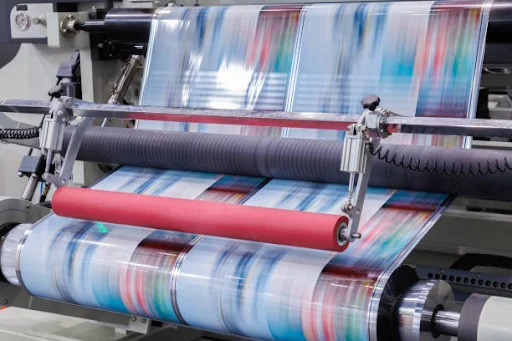
Shifts in consumer behavior, as well as an increased emphasis in customization, sustainability, and efficiency, is reshaping the textile and garment sector. One of the critical technologies driving this change is the fabric printing machines. The development and advancement of these machines have simplified the process of applying patterns, logos, colors, designs and graphics to fabrics. This innovation supports mass production of clothing as well as tailored bespoke printing for targeted specialty markets.
Fabric printing machines are widely adopted in the B2B sector owing to its need for precision, scalability, and reliability in production. The machines also help manufacturers meet tight deadlines, cut down on material wastage, and diversify the designs they offer while maintaining high standards of quality.
For industrial users seeking comprehensive textile solutions, KTETGROUP offers diverse machines such as non-woven bag making machines with flexible printing and manufacturing capabilities.. With such an extensive catalogue, these businesses can greatly improve efficiency while also using different types of fabrics.
Development of Fabric Printing Technologies
The history of fabric printing began with block printing in ancient times, slowly advancing to more modern automated and high-resolution digital systems. These days, B2B companies have different fabric printing machines to choose from on the market, depending on their production needs.
The most common types of fabric printing technologies are:
- Screen Printing Machines: Used for uniforms, bags, promotional items and other high-volume printing with simple designs.
- Rotary Printing Machines: Used for continuous fabric roll printing in the textile industry.
- Sublimation Printers: Used for polyester fabrics to produce bright and long lasting colors.
- Digital Textile Printers: Used for smaller production runs and elaborate graphics due to their flexibility and low setup time.
Due to their speed, detail, colorfastness and compatibility with different fabric types, each technology has distinctive advantages. B2B producers choose their machines according to their fabrics, operational scope, and most importantly, the intended market.
Keep your thoughts alive—Related Posts that continue your discovery flow!
Essential Advantages for B2B Manufacturers
Modern fabric printing technologies consider the requirements of industrial fabric users. Here are some crucial benefits for B2B businesses:
High-Speed Production
Advanced machines are capable of printing hundreds of bulk meters of fabric in record time. Such speed is crucial in sectors like fast fashion or rapid-response event-based merchandising.
Enhanced Design Capabilities
The advent of digital printing systems has removed the shackles of simple repetitive designs. Modern machines can now do screens and plates-free printing of high-resolution artworks, gradients, and even photos.
Short Setups and High Customization
Shifting frequently between designs, or for short runs, digital and hybrid machines make for fast uploads of designs and minimal setup. This flexibility benefits businesses catering high customization like branded apparel, limited edition textiles, and bespoke event branded merchandise.
Sustainability and Reduced Waste
The use of pigment-based or water-based inks in printing fabric reduces waste compared to traditional means. Moreover, digital machines are more environmentally friendly since they do not require water washing or chemical fixing.
Integration with Other Manufacturing Flows
Fabric printing sometimes represents the final step in a comprehensive production cycle. The latest machines are capable of seamlessly integrating with the pre-treatment, drying, cutting, and even sewing lines, which makes them very suitable for fully automated production environments.
Use Cases Across Other Sectors
Fabric printing machines are used in several other sectors and industries apart from fashion. Unlike the business to consumer (B2C) model the business to business (B2B) model is diverse and has a plethora of opportunities:
Non-Woven Bag Printing
Non-woven materials are widely used to manufacture eco-friendly shopping bags, conference bags, and other promotional items. Specialized machines for this fabric achieve good ink adhesion and enable production speed. Interested users might want to consider KTETGROUP’s https://www.ketegroup.com/ar/product-category/non-woven-bag-making-machines/ which provides industrial grade non-woven bag making machines with robust productivity and flexibility features.
Home Textiles
Products such as bedsheets, curtains and even upholstery fabrics require large, repeatable intricate designs. Although rotary and screen printing remains the most popular, a growing number of businesses are turning to digital printers for bespoke solutions.
Sportswear and Other Technical Apparel
Sublimation printers are popular for printing on sportswear, as the breathable synthetic fabrics need vivid designs as well as durability. Logos, sponsor branding, and team colors are easy to apply and can stand the test of time.
Corporate and Other Promotional Materials
Numerous organizations employ fabric printing to manufacture branded items such as flags, lanyards and staff apparel. These items require high-end fabric printing as they need to maintain uniformity and color accuracy.
Key Factors of a Fabric Printing Machine Review
B2B buyers evaluating fabric printing solutions should consider a range of operational and financial factors:
- Fabric Type Compatibility: Different printers are compatible with different fabrics. Knowing your primary fabric—cotton, polyester, nylon, etc—helps make the right selection.
- Print Width and Speed: Make sure the machine can accommodate the size of the fabric rolls and the step volume of production.
- Ink System: Different applications require different inks (pigment, reactive, sublimation, etc. Certain inks are more or less compliant to environmental standards”).
- Post Processing Needs: Additional processes such as steaming, washing, or heat setting may be necessary to finish some prints. Plan for the complete workflow.
- Support and Maintenance: After-sales support and spare parts accessibility are crucial, especially in high-volume production areas as these impact machine uptime.
Long-term value and evaluating total cost of ownership including energy use, total ink usage, and upkeep contracts are also relevant when value is intended to be ascertained.
Conclusion
The fabric printing machine has evolved from a standalone piece of equipment to a crucial part of a fully integrated flexible textile production line. For B2B manufacturers ranging from fashion to industrial packaging, with the appropriate printing technology, new product lines can be created, margins increased, and responsiveness to market trends improved.
Achieving goals and operational efficiency requires the right materials tailored to specific production scales, which substantiates the need for a streamlined, multifaceted market approach. Offering a diverse industrial catalog combined with years of expertise, KTETGROUP helps modern textile businesses avoid unnecessary complexity while fulfilling diverse requirements.
When executed precisely, fabric printing is a blend of artistry, engineering, and functionality—and for companies operating in the B2B space, this might provide a much-needed competitive edge.
Curiosity evolves here—Explore More and feed your quest for ideas!


In the history of civil engineering, crossing a major river, a multi-lane motorway, an active railway line, or a sensitive ecological area represented a massive hurdle for the expansion of utility networks. Traditional open-cut methods required disruptive excavations, deep vertical shafts, or expensive structural attachments to existing bridges. Today, Horizontal Directional Drilling (HDD) or Geographical Barriers with HDD has revolutionized underground infrastructure installation. Often referred to as trenchless technology, HDD provides a seamless, high-precision way to install utility pipes, ducts, and cables deep beneath the surface without causing turmoil on the ground above.
The Mechanics of a Three-Stage Operation
The execution of a successful horizontal directional drill is a highly technical, multi-stage engineering process that controls subterranean movement from the surface:
- The Pilot Bore: The process begins with a small-diameter drill bit launched from the surface at a shallow angle. As the drill string progresses underground, it follows a pre-calculated path. Technicians use sophisticated electronic tracking systems—such as walk-over locators or wire-line guidance systems—to monitor the drill head’s precise depth, alignment, and pitch in real-time. This tracking allows the operator to steer the bit smoothly along straight or curved paths to circumvent underground obstacles.
- Pre-Reaming: Once the pilot drill bit successfully exits at the designated target point, it is removed and replaced with a specialized expanding tool called a reamer. The drill string is then pulled back toward the rig, drawing the reamer through the pilot hole to enlarge the tunnel. This step may be repeated multiple times using progressively larger reamers until the subterranean pathway reaches the diameter required for the product pipe.
- Pipe Pull-Back: In the final stage, the actual utility pipe or duct—often manufactured from high-density polyethylene (HDPE) or steel—is attached behind the reamer. The drilling rig pulls the entire pipeline sequence smoothly through the pre-reamed tunnel from the exit point back to the original entry site, completing the installation with zero surface disturbance.
Engineering Versatility and Scale
Modern directional drilling equipment offers immense scalability to meet the diverse needs of the civil engineering, water, gas, and telecommunications sectors. Advanced drilling rigs vary in size and pull-back capability, enabling the installation of pipelines with diameters up to 900mm. Furthermore, advanced rigs can achieve single continuous drill lengths up to and including 1,000 metres.
This significant distance capability makes HDD the primary methodology for complex river crossings, estuary installations, and onshore “shore ends” where telecommunication or power cables must be brought inland from the seabed without disrupting delicate coastal environments, marine habitats, or public beaches Geographical Barriers with HDD.
Navigating Around Subterranean Obstacles
The true genius of directional drilling lies in its ability to navigate around existing infrastructure. In crowded urban areas, the ground beneath the streets is a dense labyrinth of older gas mains, water networks, high-voltage electricity lines, and fiber-optic bundles. Traditional trenching runs a high risk of accidental strikes, which cause expensive project delays and hazardous utility outages.
HDD entirely avoids this danger through rigorous pre-planning and electronic steering. Because the drill string can arc and curve underground, engineers can chart a path that weaves safely through crowded utility corridors, beneath foundations, and past deep obstructions, making it the cleanest and most reliable choice for modern utility infrastructure development.

Road rage is an unfortunate reality of modern driving, with 74% of Australian drivers experiencing it. But you can significantly reduce its impact by installing dash cameras. Beyond recordings, they offer protection, accountability, and peace of mind.
They capture clear evidence, deter aggressive behavior, and support insurance claims and legal cases. Let’s know exactly how it helps you here!
Provides Clear Video Evidence
The most significant way dash cameras protect you during road rage is by recording real-time footage. The camera can capture aggressive driving behavior, verbal confrontations in audio-enabled systems, dangerous maneuvers (sudden brakes or swerving), and license plates and vehicle details.
The entire footage becomes crucial evidence for the law enforcement and insurance bodies. You won’t have to fight to prove a point verbally because the opposition will always try to deflect. Instead, authorities can review your submitted video and understand who was actually at fault.
Deters Aggressive Behavior
Choosing from the highest quality dash camera Australia has to offer, visible on your dashboard or windshield, troublemakers will be less likely to start a road rage incident. They are aware that they are being recorded.
Aggressive drivers will avoid increased escalation when they see themselves and their vehicle get documented. The installed camera instills a sense of accountability in them as they fear they’ll be held responsible by law enforcement if things take a nasty turn. This minimizes the chances of rash confrontations. Furthermore, you might also become agitated and heated. Owing to the recording, you’re more likely to keep yourself calm and avoid giving in to impulsive choices.
Protects from False Accusation
Road rage incidents lead to unfortunate accidents. Sometimes, the other party may accuse you of provoking them or causing the incident. You may need weeks or months to clear the false claims. Often, you are unable to do so as you don’t have evidence.
But with a dash camera, you can record exactly what happened. If you’re innocent, you have unbiased proof of the reality. Thus, you can clear accusations effectively and even get compensated for defamation or other relevant claims.
This is especially essential when the other driver files a complaint, insurance claims are disputed, or legal action is taken. Solid video evidence ensures your claims are taken seriously.
Supports Insurance Claims
If the road rage causes any impact on the vehicle or you, you will need insurance money for it. However, in general, the insurance companies can’t determine who is the liable party. The complication leads to a delayed payout or even rejection of the claim.
Again, getting a dash camera can support you. It lets you establish who is truly at fault, speeding up the processing of claims. This prevents fraudulent claims from either party and eliminates grounds for complicated disputes.
The visual proof from the dash camera proves the truthfulness of your claims, ensuring a fair and quicker outcome.
Encourages Safe Driving Behavior
When you drive alone without anyone to monitor you, you’re more likely to give in to road rage situations, especially if you’re impulsive. But when you know you’re being recorded, you become more mindful of your behavior. You drive mindfully because in case of any incident, you would not want to be proven responsible.
This helps you avoid reacting aggressively, maintain safe distances, follow traffic rules more strictly, and stay calm under pressure. When you regulate your emotions, you’re more likely to de-escalate conflicts and ensure your own safety.
Captures Incidents from Several Angles
If you invest in a dual-channel dash camera, it can record both the vehicle’s front and rear sides, which can be especially useful for road rage scenarios. This is because the vehicle behind you might try to bump into your car from a blind spot.
They may also assume that the rear isn’t covered by a dash camera and act more boldly, causing dangerous attempts, including tailgating behavior, aggressive overtaking, rear-end collisions, and harassment from following vehicles.
Having multiple camera angles for your vehicle helps you share the complete picture to authorities as required. If it leads to litigation, you will also get solid evidence for claims.
Records Verbal and Physical Threats
Sometimes, road rage isn’t just about driving recklessly. It can escalate to verbal abuse or physical intimidation. Your dash cam, if it has audio recording features, can record those as well. This is useful whether the other driver approaches your vehicle, makes verbal threats, or harasses you continuously after the incident.
Together, audio and video recordings serve as comprehensive evidence. This is valuable in legal or police reports.
Closing Thoughts
Dash cams play a vital role in handling road rage situations effectively. They empower drivers to stay calm, make informed decisions, and protect themselves against false accusations. So, get one now and prevent most tragedies.
Introduction to the BMVX4 and its Purpose
The compact luxury crossover segment has a new star on the horizon: the BMVX4. This vehicle is more than just another addition to an already competitive market; it’s a bold statement of style and innovation. Designed for those who crave sophistication without sacrificing functionality, the BMVX4 captures attention with its striking aesthetics and impressive features. Whether you’re navigating city streets or embarking on a weekend getaway, this crossover promises to elevate your driving experience in ways you’ve never imagined. Let’s dive into what makes the BMVX4 not just another car, but a transformative force in luxury motoring.
Aesthetically Pleasing Design Elements
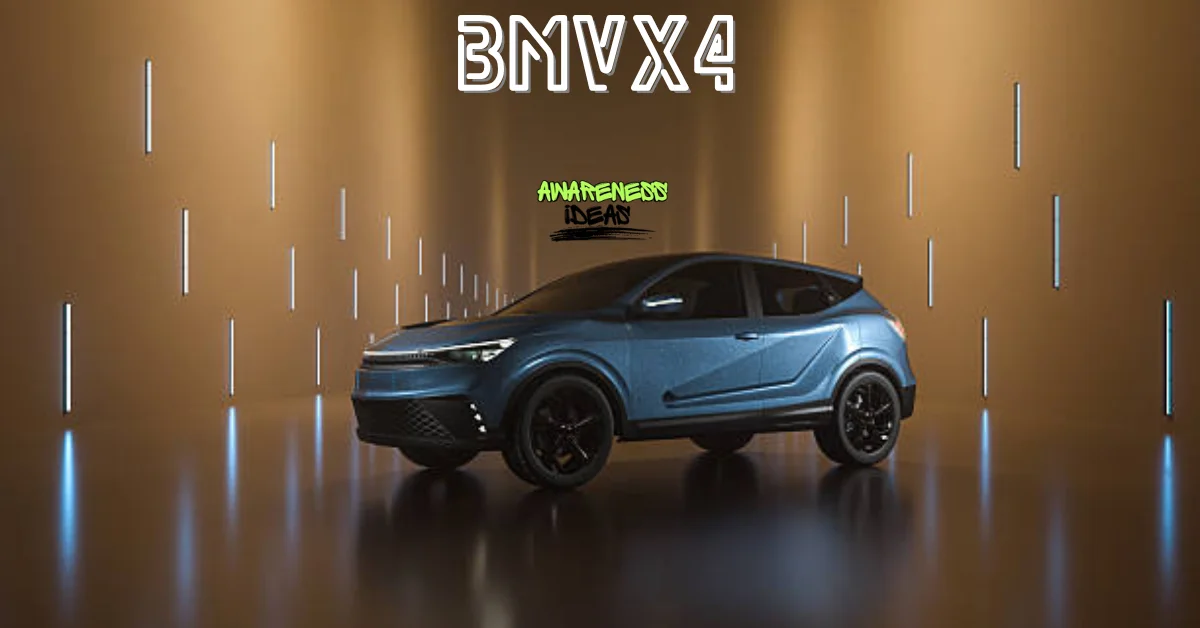
The BMVX4 captivates at first glance. Its sleek lines and bold contours create a striking presence on the road. The signature kidney grille, reimagined for this model, adds an air of sophistication.
Each distinct perspective serves as a testament to meticulous technical craftsmanship. LED headlights illuminate not just the path ahead but also enhance its modern aesthetic. The aerodynamic silhouette reduces drag while exuding elegance.
Choose from vibrant exterior colors that reflect personal style or opt for classic shades that emphasize luxury. Each detail is meticulously crafted, ensuring harmony in design.
Step closer, and you’ll notice subtle accents like chrome trims that elevate its appeal without being ostentatious. Even the wheel designs combine form with functionality, providing both beauty and performance.
Inside, harmonious color palettes complement advanced materials to create a welcoming atmosphere. This balance of visual allure and practicality sets the BMVX4 apart in the competitive landscape of compact luxury crossovers.
Innovative Technological Features
The BMVX4 stands out with its array of innovative technological features. It integrates cutting-edge infotainment systems that keep drivers connected and entertained on the go. With a vibrant touchscreen display, navigating through apps is seamless and intuitive.
Safety remains paramount in the BMVX4’s design. Advanced driver-assistance systems enhance situational awareness, making every ride feel secure. Features like adaptive cruise control and lane-keeping assist work harmoniously to minimize stress during long journeys.
Voice recognition technology simplifies commands, allowing for hands-free control over navigation or music selection. The system quickly responds to natural language prompts, keeping distractions at bay.
Additionally, connectivity options cater to various devices ensuring everyone stays plugged in. From USB ports to wireless charging pads, convenience is prioritized throughout the cabin. Each feature reflects a commitment to blending luxury with practicality—a true hallmark of modern automotive excellence found in the BMVX4.
Luxurious Interior and Comfortable Driving Experience
Step inside the BMVX4, and you’re greeted by a world of luxury. The cabin is meticulously crafted with high-quality materials that exude sophistication.
Soft-touch surfaces and leather upholstery envelop you in comfort. Every detail has been thoughtfully designed to enhance your driving pleasure.
Spacious seating offers plenty of legroom for both driver and passengers. Whether you’re navigating through city streets or cruising on the highway, every ride feels smooth.
The intuitive layout of controls ensures everything is within reach. It allows you to focus on what matters most – enjoying the drive.
Ambient lighting sets the perfect mood, elevating even short trips into special experiences. With advanced noise insulation, outside distractions fade away, creating a serene environment inside.
In this compact luxury crossover, comfort isn’t just an afterthought; it’s woven into its very essence.
Superior Performance and Handling
The BMVX4 excels in performance, offering a thrilling drive that captivates enthusiasts. Its powerful engine options deliver impressive acceleration and responsiveness, making every journey exhilarating.
Advanced suspension systems enhance stability and control. Whether navigating city streets or winding mountain roads, the BMVX4 remains composed under various conditions.
All-wheel drive capabilities ensure optimal traction, boosting confidence in inclement weather. Drivers can expect a seamless experience when transitioning from highway cruising to sharp cornering.
Moreover, precise steering adds to the sporty feel of the vehicle. Each turn feels connected, allowing for an engaging driving experience that few competitors can match.
With its combination of power and agility, it redefines what drivers should expect from a compact luxury crossover. The BMVX4 doesn’t just transport you; it transforms each trip into an adventure on wheels.
Comparison to Competitors in the Compact Luxury Crossover Market
When it comes to the compact luxury crossover market, competition is fierce. Brands like Audi and Mercedes-Benz have long been established players with their own loyal followings. The BMVX4 steps into this arena not merely as another option but as a game changer.
Unlike its competitors, the BMVX4 combines bold aesthetics with innovative features tailored for modern drivers. While others may offer sleek lines or tech-savvy gadgets, the BMVX4 excels in harmonizing both elements seamlessly.
Performance is another area where it shines bright. Many rivals focus heavily on comfort at the expense of handling dynamics. However, the BMVX4 manages to deliver an engaging driving experience without compromising on luxury.
Moreover, interior space and functionality place it ahead of many alternatives in its class. It’s designed not just for looks but also for practical usability—an aspect that often gets overlooked by other brands in this segment.
Conclusion: Why the BMVX4 is Setting a New Standard for Luxury Crossovers?
The BMVX4 is more than just a vehicle; it’s an experience that redefines what compact luxury crossovers can offer. Its iconic styling captivates from the moment you lay eyes on it, setting itself apart in a crowded market. The design elements are not only aesthetically pleasing but also functional, marrying form with practicality.
Inside, the BMVX4 boasts a luxurious interior designed for comfort and sophistication. Every detail has been considered to enhance the driving experience, making every journey enjoyable whether you’re commuting or taking a road trip. Coupled with its innovative technological features, this crossover ensures you remain connected and entertained throughout your travels.
When it comes to performance and handling, the BMVX4 delivers superior capabilities that allow for both spirited driving and smooth navigation through city streets. It strikes an impressive balance between power and efficiency while ensuring driver confidence at all times.
As we survey competitors within the compact luxury crossover category, it’s clear that many struggle to match what the BMVX4 brings to the table. With its unique blend of style, technology, comfort, and performance attributes, it’s evident why so many consider this vehicle as setting new standards in automotive excellence.
The BMVX4 stands tall as an embodiment of modern luxury—one that resonates deeply with those who seek both aesthetic beauty and exceptional functionality in their vehicles.

The Importance Of Transitional Care From Baby Teeth To Permanent Smiles

Otelia Cox: Inside the Private Life and Enduring Love Story of a Hollywood Cornerstone

Oronsuuts Demystified: How Mongolia’s Modern Housing System Simplifies Urban Living

QLCredit: Redefining Digital Finance Through DeFi and AI Innovation

And Diligence: From Moral Roots to Business Relevance in the Modern Workplace
-

 General2 months ago
What Is Felixing? The Truth Behind a Junk Keyword
-

 Health9 months ago
Lufanest: Effective Local Anesthesia with Fewer Risks
-

 Entertainment2 months ago
هنتاوي.com: Your Gateway to Arabic Anime Content
-

 General10 months ago
bardoek: The Artistic Heritage Inspiring Modern Creative Trends
-

 General9 months ago
Discover Anonib AZN: An Anonymous Asian Forum
-

 Fashion2 months ago
Fashionisk .com Explained: A Closer Look Before You Click
-

 Technology10 months ago
Aponeyrvsh: A Modern Framework for Innovation and Resource Use
-

 Lifestyle10 months ago
Mariano Iduba: A Visionary Leader in Global Digital Growth