
General
Design Logos That Build Brand Trust: What You Need to Know


When you think about the brands you love most, what’s the first image that pops into your mind? Chances are, it’s their logo. That small visual stamp has the power to instantly trigger emotions-comfort, loyalty, even excitement-without a single word being spoken. From the swoosh on your sneakers to the golden arches on a roadside sign, logos are often the silent ambassadors of trust.
But trust isn’t something you can buy or fabricate overnight. It’s built slowly, through consistency, quality, and a strong identity that people can recognize and believe in. The role of a logo in that process is bigger than most businesses realize. A well-crafted design is more than just decoration-it becomes the shorthand for your brand’s story.
Why Logos Carry So Much Weight
Logos operate on both a conscious and subconscious level. Consciously, they tell us who the brand is. Subconsciously, they communicate what the brand stands for. A logo doesn’t need to spell out “reliable” or “friendly” for us to feel those qualities; the shapes, colors, and style take care of that.
Think about Apple’s bitten apple. Simple. Clean. Minimalist. It reflects not only the company’s design philosophy but also its promise of innovation that’s approachable. Compare that to FedEx, with its hidden arrow between the “E” and “x,” which subtly reinforces speed and direction. These aren’t accidents-they’re deliberate design choices that help us trust the brand to deliver what it promises.
The Connection Between Trust and Visual Identity
People crave reliability. In a noisy digital world full of fly-by-night businesses, a consistent and trustworthy logo can make the difference between someone clicking away or sticking around. Research shows that consumers are far more likely to buy from brands they recognize, and recognition often begins with visuals.
This is why companies pour so much effort into getting their logo right. It’s not just about standing out in a crowded marketplace-it’s about being the symbol that customers instinctively turn to because it feels dependable. When you design logos with trust in mind using Adobe, you are creating a visual contract between your brand and your audience.
Beyond Aesthetics: Logos as a Brand Experience
A common mistake businesses make is treating their logo like a one-off project-something you commission, finalize, and then forget about. But in reality, your logo is alive. It appears everywhere: on your website, packaging, emails, social media, storefronts, even the tiny app icon on someone’s phone. Every encounter reinforces (or weakens) trust.
Consistency matters here. Imagine if a bank used one version of its logo on its website, a slightly different shade on its ATM, and yet another font style on its mobile app. The inconsistency might seem minor, but it sends a subtle message: this brand doesn’t have its act together. By contrast, a logo that remains reliable across every platform strengthens the sense of stability customers are looking for.
Real-Life Examples of Trust Through Logos
Take Starbucks. Over the years, they’ve simplified their logo, peeling back the layers until only the green siren remained. Why? Because by then, customers already trusted the brand. The word “Starbucks” wasn’t necessary; the image alone was enough to convey quality coffee and a consistent experience worldwide.
Another example is Nike. Their logo doesn’t even feature the brand’s name most of the time. The swoosh has become synonymous with trust in athletic performance. That level of recognition doesn’t come from the design alone-it’s backed by years of delivering on promises. But without a logo as the anchor, building and maintaining that trust would be much harder.
How Businesses Can Build Trust Through Design
The beauty of logo design is that it isn’t reserved for global giants. Even small businesses and startups can create a trustworthy visual identity if they approach it thoughtfully. Here are some practical insights that can help:
- Keep it simple. Overly complex logos are harder to remember. A clean, straightforward design communicates confidence and makes recall easier.
- Align it with your values. If your brand is eco-friendly, choose natural colors and organic shapes. If it’s about precision, lean into clean lines and symmetry.
- Think long-term. Trends fade, but trust endures. Aim for timelessness rather than chasing what’s hot right now.
- Ensure consistency. Once you finalize your logo, stick with it. Use it across all channels in the same way to reinforce recognition.
These aren’t rigid rules but guiding principles. At the heart of it all, your logo should feel authentic to your brand and resonate with the people you want to reach.
The Human Side of Logo Design
We often think of logos in technical terms-colors, typography, proportions-but at their core, they’re about people. A logo is a bridge between your business and the emotions of your audience. It’s not just about looking polished; it’s about creating a sense of belonging and reliability.
For instance, community organizations often choose logos that incorporate local landmarks or cultural symbols. These choices signal, “We’re part of your world, and we understand you.” On the flip side, a tech startup might opt for sleek, futuristic designs that promise innovation and progress. Each choice builds or breaks trust depending on how well it aligns with the audience’s expectations.
Logos in the Age of Digital Transparency
In today’s world, businesses don’t just compete on product quality-they compete on trust. Customers are quick to research, review, and call out brands that don’t deliver. A logo can’t fix a broken promise, but it can amplify trust when a business consistently lives up to its word.
And because logos now live in so many digital spaces, they’ve taken on even more importance. A tiny profile picture on a social media page might be someone’s first introduction to your brand. If it looks professional, consistent, and aligned with your message, it sets the stage for trust before they even read a word.
Conclusion: Trust Is Designed, Not Assumed
A logo may be small in size, but its role in building brand trust is monumental. It’s the visual handshake that introduces your business to the world, the symbol that assures people you’ll deliver what you promise. When you design logos with intention, simplicity, and consistency, you’re not just creating an image-you’re cultivating trust that grows stronger with every interaction.
At the end of the day, your logo is more than an aesthetic choice. It’s an investment in your relationship with your audience. Treat it as such, and you’ll find that those few lines, shapes, or colors can carry the weight of your entire brand’s credibility.
FAQs
1. How does a logo build trust with customers?
A logo creates familiarity and consistency. When customers see the same design across platforms, it signals reliability and reinforces the brand’s identity.
2. What makes a logo trustworthy?
Simplicity, consistency, and alignment with brand values. A trustworthy logo feels authentic and resonates with the target audience.
3. Can small businesses benefit from professional logos?
Absolutely. A well-crafted logo helps even small brands look credible and professional, making it easier to win customer trust.
4. Do logos need to change over time?
Not always. Many strong logos remain consistent for decades. However, some brands simplify or modernize their logos to stay relevant while keeping core elements intact.
5. Is a logo enough to earn customer trust?
No. While a logo sets the stage, trust is ultimately earned through consistent actions, quality products, and positive customer experiences.

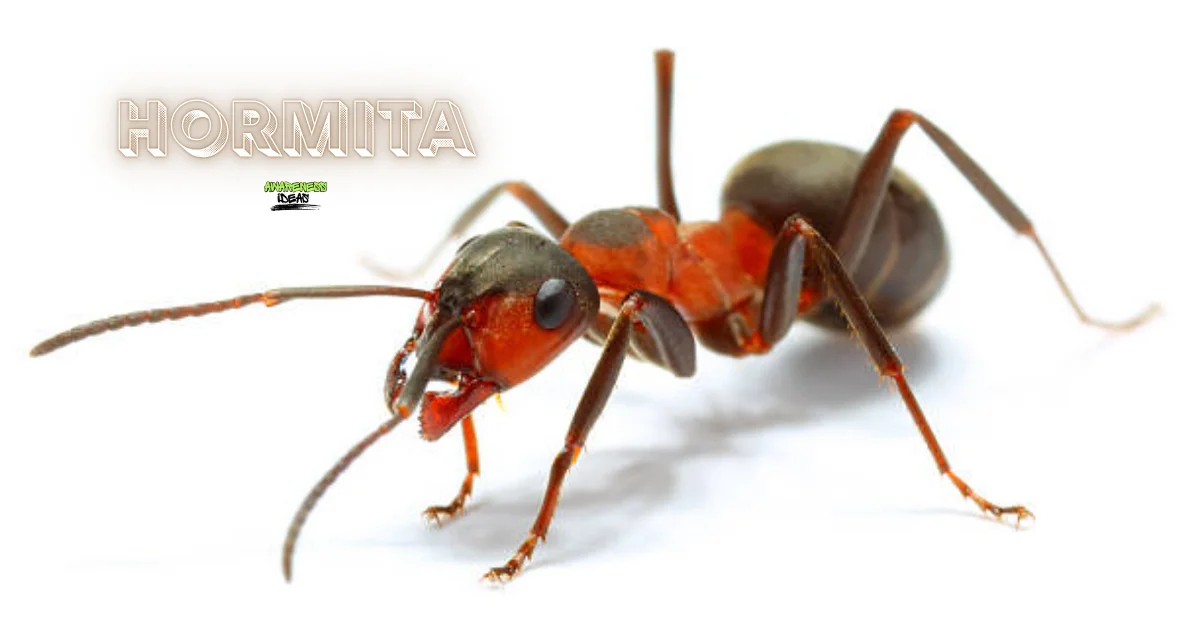
What People Actually Want to Know About Hormita
Most people searching for hormita fall into three groups. First, curious learners who spotted something in their garden. Second, farmers dealing with hormita agricultural impact on their crops. Third, researchers studying hormita insect behavior for ecological models.
All three groups share one core question: What exactly is hormita, and does it help or hurt?
The answer is nuanced. Hormita nest structure and colony behavior make it one of the most complex small insects on Earth. It is not just a bug. It is a living system. Understanding it requires looking at biology, ecology, and real-world environmental data together.
This article gives you all three. No fluff. No filler. Just the full picture on hormita — from its biology to its future role in sustainable agriculture.
Hormita Biology: Built Different From the Ground Up
Hormita belongs to the Formicidae family, the same broad classification that includes over 20,000 known ant species globally. But hormita stands apart due to its adaptive nest architecture and chemical signaling precision. Its body size ranges from 1.5mm to 4mm depending on caste. Yet its behavioral output far exceeds what that size suggests.
The hormita queen lifecycle is especially remarkable. A single queen can live 15 to 20 years in stable colony conditions. She lays hundreds of eggs per day. Worker castes handle everything else — food retrieval, nest defense, larval care, and soil maintenance. This is the Superorganism Model in action. The colony thinks and acts as one unit.
Hormita pheromone communication is the backbone of this system. Workers release chemical signals that direct trail formation, danger alerts, and food source mapping. The Pheromone Signal Matrix these insects use is so precise that researchers at leading entomology institutes have compared it to a biological GPS network. Each signal carries a specific instruction. There is no miscommunication inside a healthy hormita colony.
Hormita worker division follows strict role hierarchies. Minor workers handle internal nest tasks. Major workers (soldiers) defend the perimeter. Foragers scout and retrieve food. This structure mirrors ISO 9001-style process segmentation — every function has a defined owner, and redundancy is built in by design.
Hormita Habitat and Nest Architecture
Hormita habitat zones span a wide range. You find it in tropical forests, dry grasslands, urban garden beds, and agricultural fields. It is highly adaptive. That adaptability is what makes hormita urban infestation a real concern in cities across Latin America, South Asia, and parts of Southern Europe.
The hormita nest structure is an engineering feat at micro-scale. Colonies excavate tunnel networks that can reach 2 to 3 meters deep. These tunnels have ventilation chambers, food storage units, and royal chambers for the queen and larvae. The architecture follows consistent geometric logic — wider tunnels near the surface, narrower deeper. This mirrors principles found in civil engineering drainage systems.
Hormita food storage is another key structural feature. Worker ants cache seeds, fungal matter, and insect fragments in dedicated underground chambers. This food redundancy system ensures colony survival during drought or resource scarcity. Some species of hormita also practice fungal farming inside their nests — cultivating specific mold strains as a controlled food source.
Hormita trail networks extend up to 50 meters from the main nest entrance. These trails are chemically marked and physically worn into soil and vegetation over time. Researchers studying myrmecology use trail mapping as a diagnostic tool for colony health and population size estimation.
Data Comparison: Hormita vs. Common Ant Species
| Feature | Hormita | Fire Ant | Carpenter Ant | Leafcutter Ant |
|---|---|---|---|---|
| Colony Size | 50K–200K | 100K–500K | 3K–10K | 1M–8M |
| Queen Lifespan | 15–20 years | 7 years | 10–15 years | 10–20 years |
| Soil Impact (depth) | Up to 3m | Up to 0.5m | Surface only | Up to 6m |
| Pheromone Complexity | High | Medium | Low | Very High |
| Agricultural Risk | Moderate | High | Low | Very High |
| Ecosystem Benefit | High | Low | Medium | High |
| Urban Infestation Risk | Moderate | Very High | High | Low |
This comparison shows why hormita species identification matters before applying pest control. Treating hormita like a fire ant — aggressively — destroys its ecological value. The Soil Bioengineering Index scores for hormita-active zones are consistently higher than zones where hormita has been eliminated with broad-spectrum pesticides.
Expert Insights: What Myrmecologists Are Saying
Leading voices in myrmecology are shifting the conversation around hormita. For decades, it was classified simply as a nuisance species in agricultural contexts. That view is changing fast.
Dr.-level research published through entomological societies in 2024 and 2025 points to hormita soil aeration as a measurable benefit to crop yield. Fields with active hormita colonies showed 12–18% better water infiltration rates compared to control fields. The tunnel systems act as natural irrigation channels, pulling rainwater deeper into the soil profile.
Hormita symbiotic relationships are another growing area of study. Hormita colonies have documented mutualistic interactions with at least 14 plant species. They disperse seeds, aerate root zones, and suppress competing insect species. This positions hormita as a bio-indicator species — its presence signals a healthy, functioning soil ecosystem.
Hormita biomass production also contributes to soil organic matter. As colonies grow and workers die naturally, their decomposing bodies enrich soil nitrogen levels. In controlled agricultural studies, hormita-active zones showed nitrogen content 9% higher than comparable control areas. This is passive fertilization — zero cost, zero chemicals.
The challenge remains hormita colony collapse. When colonies destabilize — due to pesticide exposure, habitat loss, or climate stress — the ecosystem services they provide disappear quickly. Researchers now advocate for hormita monitoring protocols as part of broader Integrated Pest Management (IPM) frameworks under ISO 14001 environmental management standards.
Implementation Roadmap: Working With Hormita, Not Against It
Step 1 — Identification First Use hormita species identification tools before taking any action. Misidentifying hormita as a harmful species leads to unnecessary pesticide use and ecosystem damage. Field guides, entomology apps, and local agricultural extension offices can help confirm species.
Step 2 — Map the Trail Network Observe hormita trail networks over 3–5 days. This tells you colony size, food sources, and nest location. Do not disrupt trails during observation. Data collected here informs every decision that follows.
Step 3 — Assess Pest vs. Benefit Ratio Use the Soil Bioengineering Index framework to weigh ecosystem services against any crop or structural damage. In most cases, hormita activity is net positive. Intervention is only warranted when colonies enter structures or destabilize specific monocrops.
Step 4 — Apply Targeted, Low-Impact Controls if Needed If control is necessary, use bait stations placed along hormita foraging patterns rather than broadcast pesticide sprays. Targeted baiting reduces non-target species impact by up to 80% compared to perimeter spraying.
Step 5 — Monitor and Document Ongoing monitoring supports long-term hormita environmental benefit preservation. Document colony size changes, trail shifts, and soil health metrics quarterly. This data feeds into IPM reporting and supports sustainable land management certifications.
Future Outlook 2026: Hormita in the Age of Precision Agriculture
The next 12 months will reshape how industry and science view hormita ecosystem role. Three major trends are driving this shift.
Precision Ag Integration — Smart farming platforms are beginning to incorporate insect activity data into soil health dashboards. Hormita foraging patterns and trail density maps are being tested as real-time soil quality indicators. Early pilots in Brazil and India show strong correlation between hormita activity scores and crop yield predictions.
Biocontrol Applications — Agricultural biotech firms are exploring hormita pest control potential. Hormita colonies naturally suppress termite populations, certain beetle larvae, and competing ant species that cause greater crop damage. Deploying hormita as a managed biocontrol agent is being trialed under controlled field conditions in 2025–2026.
Climate Resilience Research — As soil degradation accelerates globally, hormita soil aeration is gaining attention as a low-cost resilience mechanism. UN Food and Agriculture Organization working groups have referenced myrmecological data — including hormita studies — in soil restoration policy frameworks for 2026 and beyond.
Hormita is no longer a footnote in entomology textbooks. It is moving toward center stage in conversations about sustainable agriculture, urban ecology, and climate-adaptive land management.
FAQs
Q1: Is hormita dangerous to humans?
No. Hormita poses no significant threat to humans. It does not sting aggressively and its mandible bite causes only minor irritation. It is not venomous. The primary concern with hormita is structural nest placement in urban settings, not physical danger.
Q2: How do I identify hormita vs. other ant species?
Hormita species identification relies on three markers: body size (1.5–4mm), amber-to-dark-brown coloration, and the characteristic two-node petiole connecting thorax and abdomen. Behavior is also a key identifier — hormita forms highly organized, straight trail networks with visible lane discipline.
Q3: Does hormita damage crops?
Rarely in isolation. Hormita agricultural impact is mostly indirect. Colonies may disturb root zones when nesting in field soil, but this is offset by aeration and nitrogen benefits. Direct crop damage is uncommon unless colonies are extremely large and nesting density is very high.
Q4: Can I use hormita for natural pest control in my garden?
Yes, with caution. Hormita pest control benefits are real — colonies suppress termites, fungus gnats, and soil-dwelling beetle larvae. However, large colonies can become self-sustaining and difficult to manage. Start with observation before encouraging hormita establishment in cultivated spaces.
Q5: What causes hormita colony collapse?
Hormita colony collapse is triggered by three primary factors: broad-spectrum pesticide exposure that kills workers and disrupts pheromone communication, habitat destruction that eliminates foraging range, and extreme soil moisture changes from flooding or drought that compromise tunnel structural integrity. Protecting hormita means protecting its habitat first.


In a world where so much of life happens through screens, it’s easy to assume that meaningful, emotional experiences require face-to-face interaction. But when it comes to intuitive guidance, that assumption doesn’t always hold true. Many people are discovering that digital psychic sessions can feel just as powerful—sometimes even more focused—than in-person experiences. What matters isn’t the distance, but the connection.
A digital reading offers something unique: the ability to step into a calm, private space while still receiving insight that feels immediate and personal. Without the distractions of travel or unfamiliar environments, you’re often more relaxed and open, which can make it easier for intuitive messages to come through clearly. This is one of the reasons why so many people turn to affordable psychic readings when they’re seeking clarity without complication.
Receiving Messages That Land Exactly Where You Need Them
One of the most striking aspects of a digital reading is how precise the messages can feel. Even without physical proximity, experienced advisors are able to tune into emotional patterns and intuitive signals that reflect your current situation. The result is insight that often feels surprisingly relevant—like someone has articulated thoughts you’ve been carrying but haven’t fully expressed.
Working with mediums online allows for this kind of connection to unfold in a focused way. Mediums don’t rely on physical cues; instead, they interpret subtle impressions—emotions, memories, and energetic shifts—that come through during the session. Because of this, the experience often feels less about performance and more about translation, turning intangible feelings into clear understanding.
These messages don’t usually arrive all at once. They build gradually, each insight adding another layer of clarity. You may find that certain details resonate immediately, while others make sense as you reflect on them later. This layered approach helps ensure that the guidance you receive isn’t overwhelming—it’s meaningful and manageable.
For those who are new to intuitive sessions, starting with a free psychic reading online can make the experience feel more accessible. It allows you to explore how these connections work without pressure, giving you the space to focus on what feels relevant and helpful.
Letting the Session Create Space for Loved Ones to Step Forward
One of the most meaningful aspects of a digital reading is the sense of presence it can create. Even in a virtual setting, there are moments when the connection feels deeply personal—especially when it involves loved ones. These experiences aren’t always dramatic; more often, they’re subtle and emotionally grounded.
During a session, you might notice a shift in how you feel—a sense of calm, recognition, or even familiarity that seems to come out of nowhere. Mediums often interpret these shifts as part of the communication process, helping you understand the significance behind them. It’s less about proving something and more about creating a space where meaningful connections can be acknowledged.
What makes this process powerful is its focus on emotional clarity. Rather than trying to deliver definitive answers, the session allows you to explore what you’re already sensing. It validates feelings, highlights patterns, and offers perspective in a way that feels supportive rather than overwhelming.
Over time, these experiences can change how you view both intuition and connection. You begin to realize that meaningful insight doesn’t depend on physical presence—it depends on awareness. And when that awareness is supported by skilled guidance, even a digital session can feel incredibly real.
Ultimately, a digital reading is less about the format and more about the experience it creates. It’s about receiving messages that resonate, finding clarity in moments of uncertainty, and allowing space for deeper understanding to emerge. When approached with openness, it becomes clear that connection isn’t limited by distance—it’s defined by how deeply the message reaches you.


Do you struggle with skin problems like acne, dryness, or rough texture? We have a solution for you. Whether your skin is oily, dry, or a mix of both, these products can help improve it.
They work together to reduce common skin problems. They use natural and effective ingredients that help care for and refresh your skin. There are no harsh chemicals-just gentle formulas that support healthy skin.
Say hello to healthy-looking, clear skin. Feel more confident with our complete skincare range.
The Essential Steps of a Skin Care Routine
A well-rounded skin care routine typically includes cleansing, toning, moisturizing, and applying sunscreen. Here’s a closer look at each step:
Cleansing
Cleansing is vital in your regimen as it removes dirt, makeup, and excess oil. Look for gentle cleansers that suit your skin type.
Gel cleansers work well for oily skin, while creamy formulas are best for dry skin. Proper cleansing can significantly improve skin clarity and prevent breakouts.
Toning
Many people overlook toners, but they play a crucial role in skin care. A good toner can help restore pH balance, minimize the appearance of pores, and prepare your skin for subsequent products. Ingredients like witch hazel or rose water can provide soothing and healing benefits while keeping skin in optimal condition.
Moisturizing
Regardless of your skin type, moisturizing is a non-negotiable step. A well-formulated moisturizer helps to lock in hydration and create a protective barrier against environmental damage.
For oily skin, consider gel-based moisturizers that hydrate without adding excess oil. Those with dry skin might benefit from cream-based products enriched with hyaluronic acid or glycerin.
Sunscreen
Daily sunscreen application is essential for any skin care routine. The sun’s harmful UV rays can lead to premature aging, dark spots, and even skin cancer.
Using a broad-spectrum sunscreen of SPF 30 or higher significantly reduces the risk of skin cancer. Reapply every two hours when exposed to sunlight.
Targeted Treatments for Clear Skin
In addition to basic steps, integrating targeted treatments can further enhance your skin care routine. These include:
Exfoliation
Regular exfoliation removes dead skin cells that can clog pores and cause breakouts. Look for products containing chemical exfoliants like AHAs and BHAs, which can both smooth and brighten your complexion.
Serums
Serums are concentrated treatments designed to target specific concerns like acne, pigmentation, or dryness. Using a vitamin C serum can brighten dull skin and even out tone, while hyaluronic acid-based serums provide intense hydration without heaviness.
Considering Multi-Functional Products
Many new skin care lines are developed to cater to specific skin issues, combining hydration and treatment in one product. For instance, look for products for ingrown hairs and razor bumps that both soothe skin and prevent future breakouts, fitting seamlessly into your regimen.
Maintaining Skin Health
Building a long-lasting relationship with healthy skin requires an understanding of consistent care and nutritional support. Staying hydrated, eating a balanced diet rich in vitamins and antioxidants, and managing stress can significantly enhance skin clarity. Moreover, visiting a dermatologist for personalized advice can help tailor a routine that finds a resolution for your unique concerns.
Embrace the Journey to Radiant Skin
Your journey to achieving smooth, clear skin is a personal one filled with trial and error. By ensuring you have a full range of skin care products tailored to your needs, you can minimize common skin issues and inspire confidence. Remember, consistency is key-always prioritize self-care and be patient with the results.
Looking for more tips and advice? You’re in the right place! Make sure to bookmark our page and come back to check out more interesting articles.

Confident Smile Branding: Dental Enhancements That Elevate Image

How BBQ Catering Transforms a Brooklyn Party

What Happens After You Lose a Criminal Case?

Essential Resources for Launching a Successful Research Lab

How Septic Efficiency Shapes Cleaner Work Environments
-

 General3 weeks ago
What Is Felixing? The Truth Behind a Junk Keyword
-

 Health7 months ago
Lufanest: Effective Local Anesthesia with Fewer Risks
-

 Entertainment4 weeks ago
هنتاوي.com: Your Gateway to Arabic Anime Content
-

 General8 months ago
bardoek: The Artistic Heritage Inspiring Modern Creative Trends
-

 General7 months ago
Discover Anonib AZN: An Anonymous Asian Forum
-

 Fashion2 weeks ago
Fashionisk .com Explained: A Closer Look Before You Click
-

 General3 weeks ago
What Is Euroyungs Com? What I Found After Digging In
-

 Lifestyle9 months ago
Mariano Iduba: A Visionary Leader in Global Digital Growth